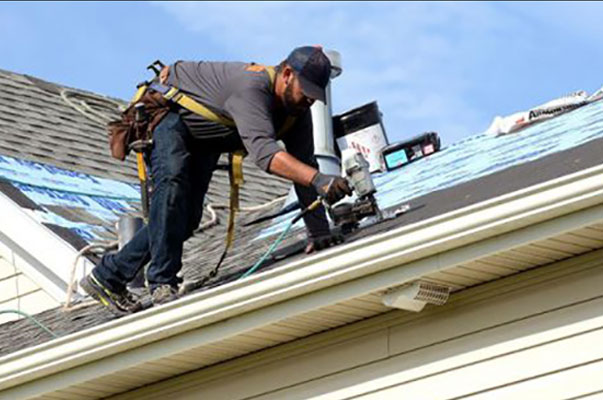
Don’t Let Storm Damage Stress You Out. Here’s How to Handle Your Roof Claim.
Idaho’s weather can be unpredictable. A severe wind or hailstorm can roll through Meridian, leaving significant roof damage in its wake. Discovering that your roof—the primary protector of your home or business—is compromised can be incredibly stressful. The process of filing a roof insurance claim can seem just as daunting. Knowing the right steps to take, what to document, and who to call is crucial for a smooth and successful outcome. This guide will walk you through the process, helping you manage your claim with confidence and secure the compensation you deserve.
The Step-by-Step Roof Insurance Claim Process
Following a structured approach after a storm simplifies the insurance process and strengthens your claim. Here’s what Meridian homeowners and property managers should do.
1. Prioritize Safety & Document Everything
After a storm, your first priority is safety. Avoid climbing on a potentially unstable roof. From the ground, take extensive photos and videos of any visible damage to your roof, siding, gutters, and windows. Also, document any “collateral damage” like dents in your AC unit, mailbox, or patio furniture, as this serves as evidence of the storm’s intensity. Note the date and time the storm occurred. This documentation is crucial for your claim.
2. Schedule a Professional Roof Inspection
Before contacting your insurance company, it’s wise to have a reputable local roofing contractor perform a thorough inspection. Professionals can identify damage that isn’t visible from the ground, such as bruised shingles or compromised flashing. An expert assessment provides you with an unbiased, detailed report about the extent of the wind and hail damage, which is invaluable when you file your claim. Team Construction offers complimentary inspections in Meridian and the surrounding Treasure Valley.
3. Contact Your Insurance Company
With your documentation and contractor’s report in hand, it’s time to file the claim. Have your policy number and the storm date ready. When you speak with your insurer, stick to the facts and provide the evidence you’ve gathered. A professional report from a trusted contractor like Team Construction adds significant credibility to your claim from the very beginning.
4. Meet the Insurance Adjuster
Your insurance company will send an adjuster to inspect the damage. It is highly recommended to have your chosen roofing contractor present during this visit. Your contractor can meet the adjuster on the roof, point out specific areas of damage, and discuss the scope of work needed for a proper roof restoration. This ensures nothing is overlooked and helps you get a fair assessment.
5. Understand Your Claim Settlement
Once your claim is approved, you’ll receive a settlement summary. This document will outline the repair costs and include terms like RCV (Replacement Cost Value), ACV (Actual Cash Value), depreciation, and your deductible. Typically, you will receive an initial check for the ACV. After the work is completed and your contractor sends the final invoice to the insurer, you’ll receive a second check for the recoverable depreciation.
Common Mistakes That Can Jeopardize Your Claim
Navigating the claims process can be tricky. Homeowners often make preventable mistakes that can lead to delays or denials:
- Waiting Too Long: Most policies have a time limit for filing claims after a storm. In Idaho, you generally have five years to file a breach of contract action for property damage, but it’s best to act immediately. Delaying repairs can lead to further damage that may not be covered.
- Inadequate Documentation: A lack of clear, dated photos and detailed notes is a common reason for underpaid claims. Document everything thoroughly from the start.
- Accepting the First Offer: Don’t automatically accept the initial settlement offer if it seems too low. Having a contractor’s estimate allows you to compare and negotiate for a fair amount that covers all necessary repairs.
- Hiring “Storm Chasers”: After a major storm, out-of-town contractors often descend on affected areas. Stick with a local, established company with a proven track record in Meridian. A local contractor understands regional building codes and material requirements.
Did You Know?
Hailstones as small as one inch in diameter can cause significant granule loss on asphalt shingles, which accelerates their aging and reduces the roof’s ability to protect your home. This type of damage is often difficult to see from the ground, reinforcing the need for a professional inspection.
The Advantage of a Local Meridian Roofing Expert
When dealing with storm damage, partnering with a local contractor is your best defense. A Meridian roofing contractor like Team Construction brings invaluable local knowledge. We understand the specific weather challenges in the Treasure Valley and are familiar with local building codes in Meridian, Eagle, and Boise. We have established relationships with suppliers, ensuring access to quality materials for your residential roofing or commercial roofing project. More importantly, we’re your neighbors. We’re here long after the storm has passed to stand by our work and honor our warranties.
Need Help With Your Meridian Roof Insurance Claim?
The process can be complex, but you don’t have to go through it alone. The experts at Team Construction are here to help, from the initial inspection to working with your insurance adjuster and completing the final repairs.
Frequently Asked Questions
How long do I have to file a roof claim in Idaho?
While insurance policies can vary, Idaho’s statute of limitations for breach of contract on property damage allows up to five years. However, it’s critical to file your claim as soon as possible after the damage occurs to prevent further issues and ensure a smoother process.
Will filing a claim for storm damage raise my insurance rates?
Generally, filing a single claim for storm damage—often considered an “Act of God”—should not result in an individual rate increase. Insurers typically adjust rates based on regional risk. If a major storm affects all of Meridian, rates may rise for everyone in the area, regardless of whether they filed a claim.
What if my insurance claim is denied?
If your claim is denied, don’t give up. Ask your insurer for a detailed written explanation. Then, you can review your policy and the adjuster’s report with your contractor to determine if an appeal is warranted. A reputable roofer can provide additional evidence to support your case.
Glossary of Terms
Actual Cash Value (ACV): The value of your roof at the time of the loss, after accounting for depreciation due to age and wear. An ACV policy pays for the depreciated value of your damaged roof.
Replacement Cost Value (RCV): The total cost to replace or repair your damaged roof with new materials of similar kind and quality, without subtracting for depreciation. Most homeowners prefer this coverage.
Deductible: The amount of money you are responsible for paying out-of-pocket on a claim before your insurance coverage begins.
Depreciation: The reduction in the value of your roof over time due to factors like age, wear and tear, and obsolescence. This amount is subtracted in an ACV policy and is paid later in an RCV policy.