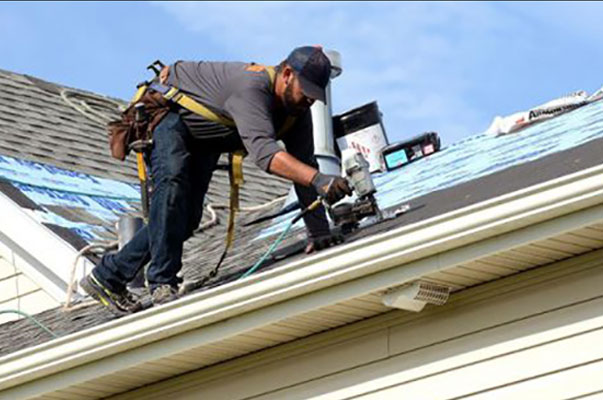
Protecting Your Greatest Asset from the Idaho Elements
Your home’s roof is its first line of defense against Nampa’s diverse weather, from scorching summer sun to heavy winter snow. A strong, well-maintained roof protects your property’s structure, your family, and your peace of mind. But how do you know when your roof needs attention? This guide covers the essential signs of wear and tear, common causes of damage in the Treasure Valley, and what to consider when it’s time for a roof repair or replacement.
Recognizing the Warning Signs: When to Call a Professional
Routine visual inspections from the ground can help you spot potential problems before they escalate into costly repairs. Here are key indicators that your roof may need professional assessment.
1. Curled, Cracked, or Missing Shingles
Shingles should lie flat against the roof. If you notice shingles that are curling at the edges (cupping) or buckling in the middle (clawing), it’s often a sign of aging or heat damage. Missing shingles, frequently caused by high winds, expose your roof’s underlayment to the elements, creating a direct path for water intrusion. A few missing shingles can often be replaced, but widespread damage may signal that the roof is nearing the end of its lifespan.
2. Interior Water Stains and Leaks
One of the most obvious signs of a roofing issue is evidence of water inside your home. Look for dark stains, peeling paint, or damp spots on your ceilings or walls, particularly in the attic. A leak doesn’t always mean a full replacement is necessary, but it demands immediate attention to prevent mold, rot, and structural damage. Finding the source of a leak requires an expert roof inspection.
3. Granule Loss in Gutters
Asphalt shingles are coated with granules that protect them from UV radiation. As a roof ages, these granules begin to flake off and wash into the gutters. While some loss is normal, finding excessive amounts of what looks like coarse black sand in your downspouts is a clear sign that your shingles are deteriorating and becoming less effective at protecting your home.
4. A Sagging Roof Deck
A sagging or drooping roofline is a serious structural issue that needs immediate professional evaluation. It often points to a problem with the decking underneath the shingles, possibly due to trapped moisture causing the wood to rot and weaken. This is not a situation to ignore, as it can compromise the integrity of your entire roof structure.
Did You Know?
The average lifespan of an asphalt shingle roof in Idaho is 15-25 years, depending on materials and weather exposure.
Even small hail, just one inch in diameter, can cause significant granule loss and denting on older or less durable shingles.
Proper attic ventilation is crucial for your roof’s health in Nampa, helping to prevent ice dams in winter and reduce heat buildup in summer.
Choosing the Right Materials for Your Nampa Home
When considering a new roof, the material you choose impacts durability, appearance, and cost. For homeowners in Nampa, Meridian, and Eagle, materials must be able to withstand the region’s climate.
| Material | Average Lifespan | Key Benefits |
|---|---|---|
| Asphalt Shingles | 15-30 years | Cost-effective, versatile in style and color, and easy to install and repair. The most popular choice for residential roofing in Idaho. |
| Architectural Shingles | 30-50 years | Thicker and more durable than standard asphalt. Offers a dimensional, high-end look and provides better wind and impact resistance. |
| Metal Roofing | 50+ years | Extremely durable, fire-resistant, and excellent at shedding snow. Energy-efficient by reflecting solar heat. A higher initial investment but long-term value. |
Navigating Storm Damage and Insurance Claims in Idaho
The Treasure Valley is no stranger to severe weather, with high winds and hailstorms being a primary cause of roof damage. After a significant storm, it’s crucial to have your roof inspected. Often, damage isn’t visible from the ground. An experienced Idaho roofing contractor can identify issues like bruising from hail or uplifted shingles from wind.
If damage is found, the next step is often filing an insurance claim. This process can feel overwhelming for many homeowners. At Team Construction, we specialize in helping property owners navigate roof insurance claims. We meet with your adjuster on-site, provide detailed documentation of the damage, and ensure the scope of work is accurate to restore your roof to pre-storm condition, streamlining the entire process for you.
Ready for a Professional Roof Inspection?
Don’t wait for a small issue to become a major problem. Whether you’ve noticed warning signs, recently weathered a storm, or simply want peace of mind, the expert team at Team Construction is here to help homeowners in Nampa and across the Treasure Valley.
Frequently Asked Questions
How often should I have my Nampa roof inspected?
We recommend a professional inspection at least once every two years, and always after a significant weather event involving high winds or hail. Regular inspections can extend the life of your roof by catching minor issues early.
How long does a typical roof replacement take?
For an average-sized residential home, a full roof replacement can typically be completed in 1-3 days, depending on the weather, the complexity of the roof, and the materials being used.
Can you help with insurance claims for both residential and commercial properties?
Yes. We have extensive experience assisting with insurance claims for both residential roofing and commercial roofing clients. We provide the necessary documentation and expertise to ensure a smooth and fair process.
What kind of warranties do you offer on your work?
We stand behind our quality workmanship with strong warranties, and as an Owens Corning Preferred Contractor, we can offer some of the best material warranties in the industry, including lifetime options.
Glossary of Roofing Terms
Decking (or Sheathing): The layer of wood panels, typically plywood or OSB, that is fastened to the roof trusses and serves as the foundation for the roofing materials.
Flashing: Pieces of metal or other waterproof material used to prevent water seepage around joints and angles, such as where a chimney or vent pipe meets the roof.
Granules: The crushed rock or ceramic particles coated on the surface of asphalt shingles to protect them from UV rays and add color.
Ice Dam: A ridge of ice that forms at the edge of a roof, preventing melting snow from draining properly. The backed-up water can then leak into the home.
Underlayment: A layer of waterproof or water-resistant material installed between the roof decking and the shingles to provide an additional barrier against moisture.