Residential Roofing in Nampa, Idaho: How to Spot Storm Damage Early (and Prevent Costly Repairs)

A practical guide for Treasure Valley homeowners after wind, hail, and heavy weather

Your roof is the first line of defense for your home, and in Nampa and across the Treasure Valley it takes real wear from seasonal wind bursts, spring weather swings, and summer thunderstorms. Some roof problems announce themselves with an obvious leak. Others stay quiet until you’re dealing with stained drywall, moldy insulation, or a bigger repair bill than you expected.

Below is a homeowner-friendly checklist to help you recognize early signs of storm-related roof damage, understand what “normal aging” looks like versus true impact damage, and know when it’s time to schedule a professional inspection. If you’d rather skip the guesswork, Team Construction offers complimentary inspections and can help coordinate next steps when insurance is involved.

Why residential roofing issues can escalate quickly in Nampa

Most roof “failures” don’t happen all at once. They start with small weak points—lifted shingle edges, loosened flashing, cracked pipe boots, bruised shingles from hail—then progress when the next storm hits.

In the Treasure Valley, strong winds can arrive with frontal passages and thunderstorm outflow. The National Weather Service notes that brief gusty bursts and seasonal wind patterns are a known part of the area’s climate, with spring being a notably windier window. (weather.gov)

Helpful mindset: Your roof doesn’t just need to “not leak today.” It should be ready for the next wind event, hail core, or freeze/thaw cycle that turns a small defect into a water pathway.

Common storm-damage signs homeowners can actually check (without getting on the roof)

You don’t need to climb a ladder to notice many of the most meaningful warning signs. Start at ground level and work outward:
1) Shingle debris or granules in gutters/downspouts
After hail or heavy wind, check gutters, downspouts, and splash blocks. Excess granules can indicate protective surface loss on asphalt shingles—often a clue that the roof took impact.
2) Random “dark spots” (hail bruises) on visible roof planes
Hail damage tends to be random rather than lined up. Impacts can knock off granules and expose darker asphalt underneath, sometimes leaving “bruised” spots that can feel soft. (weathershieldroofers.com)
3) Bent metal, dented vents, or damaged soft metals
Even if shingles look “fine” from the ground, hail often leaves evidence on roof vents, flashing edges, gutters, and downspouts—areas a pro will evaluate as part of an inspection.
4) Interior clues: stains, peeling paint, or musty attic smells
A roof leak doesn’t always show up directly under the damaged area. Water can travel along rafters, decking, and insulation before it appears on a ceiling.
5) Missing shingles or lifted edges after high wind
Wind can break the seal line on shingles, lift corners, and create entry points for driven rain. This is one of those issues that can worsen fast if it’s left through the next storm cycle.

When damage is “cosmetic” vs. when it can shorten roof life

Not every mark means your roof needs replacement. The difference is whether the roofing system can still shed water reliably over time.

More concerning indicators include cracked shingle mats, widespread granule loss, and impact points that expose the underlying fiberglass—these can allow faster UV degradation and moisture intrusion. (weathershieldroofers.com)

What you notice What it can mean Best next step
A few granules after an older roof’s first big warm season Normal aging or mild wear Monitor; schedule routine inspection
Heavy granules in gutters after a storm Possible hail impact or accelerated wear Professional roof inspection recommended
Random dark “bruise” spots on shingles Granule loss and impact points consistent with hail Document + inspection; discuss repair vs. replacement
Missing shingles or flapping edges Wind damage; active water-entry risk Schedule repair promptly
Ceiling stain or wet attic insulation Leak (cause may be roof, flashing, or ventilation-related) Inspection ASAP to prevent secondary damage

Step-by-step: What to do after a storm (homeowner-safe checklist)

If you’ve had hail, high wind, or a major downpour in Nampa, these steps help protect your home and create a clean paper trail in case an insurance claim becomes necessary.

Step 1: Do a ground-level walkaround

Look for shingle pieces, metal fragments, dented gutters, downspouts knocked loose, and damaged vents. Take photos from multiple angles.

Step 2: Check inside (ceilings, attic access, and ventilation areas)

Note any new stains, bubbling paint, or damp smells. If you can safely peek into the attic, look for wet insulation or daylight around penetrations (vents, chimneys, pipe boots).

Step 3: Avoid “quick fixes” that hide evidence

Temporary tarping can be appropriate if water is actively entering, but avoid permanent changes until the roof is documented and evaluated. If you’re unsure what to do, schedule an inspection first.

Step 4: Read your policy and ask about “matching”

Many homeowners are surprised to learn that “matching” rules can vary by policy. The Idaho Department of Insurance recommends reviewing your policy provisions and asking your adjuster to point out what the policy says about matching materials (including roof shingles). (doi.idaho.gov)

Step 5: Schedule a professional inspection (especially after hail)

Hail damage on asphalt shingles can be hard to confirm without trained eyes. A pro can identify true impact patterns versus look-alikes (blistering, foot traffic, manufacturing issues), and explain repair options clearly. (weathershieldroofers.com)
Note on insurance timelines: Deadlines and documentation requirements can vary by carrier and policy form. If you suspect storm damage, it’s smart to notify your insurer promptly and keep organized photos/notes from the start.

Local angle: What Treasure Valley weather means for roofs in Nampa

Homeowners across Nampa, Boise, Meridian, and Eagle often see roof issues cluster around a few patterns:

Spring winds: The Treasure Valley’s windiest window is often described as spring (notably March through mid-May), and even short wind bursts can lift edges and stress shingles and flashing. (weather.gov)
Thunderstorm outflow: Gusty winds can accompany non-severe storms; stronger storms can push higher gusts and cause sudden damage. (weather.gov)
Hail reality check: When hail reaches “severe” criteria in the Boise area, the National Weather Service uses 3/4-inch diameter (penny size) as a key threshold for reports—hail that size can be a meaningful roofing concern depending on roof age and material type. (weather.gov)
If you’re in a neighborhood with newer construction, remember that “new roof” doesn’t always mean “storm-proof roof.” Installation details—flashing, ventilation, ridge caps, and seal lines—matter just as much as shingle age.

Warranty basics (what “lifetime” usually means in roofing)

Many homeowners hear “lifetime warranty” and assume that means the roof is covered for anything that happens. In practice, manufacturer warranties are often limited and commonly focus on product defects; coverage terms can change after an initial non-prorated protection period. (owenscorning.com)

Also, extended warranty options may require a complete “roof system” installed and (depending on the program) installation by certified contractors. (roofitforward.com)
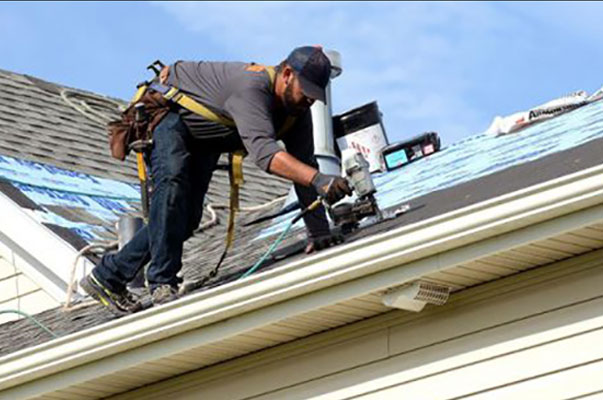
Practical takeaway: A good inspection report and clear installation documentation help protect your investment—whether you’re dealing with a warranty question or an insurance-related repair.

Schedule a complimentary roof inspection in Nampa

If your home has been through recent wind or hail—or you’re seeing warning signs like granules, lifted shingles, or interior staining—Team Construction can assess the roof, explain options clearly, and assist with insurance claim coordination when appropriate.

FAQ: Residential roofing in Nampa, ID

Do I need an inspection if there’s no leak?
Yes, especially after hail or high wind. Many storm issues start as seal breaks, bruised shingles, or flashing movement that won’t leak until the next weather event.
What size hail is “bad” for a roof?
It depends on roof age, shingle type, and storm intensity. For reporting severe weather, the National Weather Service Boise office uses 3/4-inch hail (penny size) as a key threshold—hail at or above that size is worth taking seriously. (weather.gov)
What are the most common hail-damage signs on asphalt shingles?
Random impact marks, dark “bruise” spots where granules are knocked off, cracked mats, and granule accumulation in gutters are common indicators. (weathershieldroofers.com)
Will my insurance automatically pay to replace the whole roof?
Not always. Coverage depends on your policy, the adjuster’s findings, and the documented scope of damage. Matching (replacing enough material to make everything uniform) may also be addressed differently depending on your policy provisions. (doi.idaho.gov)
What should I do first: call a roofer or my insurance company?
If you suspect storm damage, many homeowners start with a professional inspection so they can document the condition and understand whether the issue looks storm-related or maintenance-related. If active leaking is happening, prioritize mitigation (like temporary covering) and notify your insurer promptly.

Glossary (roofing terms homeowners hear during inspections)

Flashing: Metal or membrane material installed at transitions (chimneys, walls, valleys) to direct water away from seams.
Granules: The textured mineral surface on asphalt shingles that helps protect against UV and weathering.
Seal line (adhesive strip): The bonding area that helps shingles resist wind uplift once properly sealed.
Shingle mat (fiberglass mat): The reinforcement layer inside many asphalt shingles; cracking here can reduce shingle integrity.
Underlayment: A protective layer installed beneath shingles as an added moisture barrier.