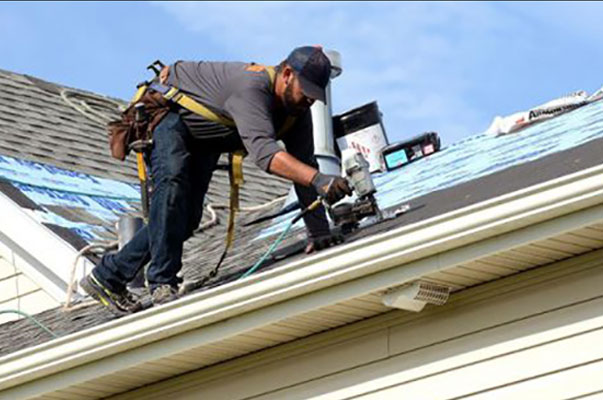
A practical guide for homeowners and property managers after wind, hail, or heavy winter weather
Your roof can look “fine” from the driveway and still be one hard rain away from a ceiling stain, drywall damage, or insulation problems. In Nampa and the Treasure Valley, wind gusts, hail, freeze/thaw cycles, and drifting snow can all shorten the time between minor damage and a real leak. This guide explains what to look for, what you can safely document yourself, and when to call a local pro for a roof repair inspection—especially if you may need insurance claim support.
1) First: prioritize safety before any roof check
Storm cleanup can create hazards that have nothing to do with shingles. Before you inspect anything:
• Look for downed power lines, broken tree limbs, and unstable gutters or soffit panels.
• If water entered the home, be cautious around electrical systems; shut off power if needed before entering affected areas.
• Don’t climb onto a wet, icy, steep, or high roof—many roof issues can be identified from the ground, attic, and eaves.
For damage documentation best practices, FEMA recommends photographing damage and keeping receipts before discarding items, which can help with claims and recovery records. (fema.gov)
2) Storm damage signs Nampa homeowners often miss
A roof leak is usually the final symptom—not the first. Here are early-warning signs that frequently show up after wind or hail:
Tree limbs are a common “secondary” damage source after wind events; trimming risks before the next storm can reduce preventable damage. (legacyroofingidaho.com)
3) What to do in the first 24–72 hours after a storm
Speed matters because small openings turn into soaked decking and insulation fast—especially with temperature swings. A simple plan:
Step 1: Document. Take wide photos (entire elevations) and close-ups (vents, gutters, siding corners, window trim, ceiling stains). Keep a simple notes file with dates and what you observed. FEMA also emphasizes photographing damage and keeping receipts. (fema.gov)
Step 2: Prevent further damage. If water is actively coming in, contain it inside (buckets, towels) and call a roofing contractor for safe mitigation.
Step 3: Avoid permanent repairs before you understand the scope. “Quick fixes” can hide the real entry point and complicate claim documentation.
Step 4: Schedule a professional roof inspection. A trained eye can spot hidden hail bruising, flashing issues, and ventilation problems that don’t show up from the driveway.
4) Roof repair vs. roof replacement: a simple comparison
Many Nampa property owners delay calling because they assume “it’s probably a full replacement.” In reality, sometimes you only need targeted repair—if you catch it early.
| Situation | Often points to | Common next step |
|---|---|---|
| Single leak at a pipe boot or chimney flashing | Flashing/penetration failure | Targeted roof repair + reseal/reflash |
| Missing shingles in one slope after wind | Wind uplift + exposed underlayment | Immediate repair to prevent moisture intrusion |
| Widespread granule loss, repeated leaks, soft decking areas | System aging or widespread damage | Full evaluation; replacement may be more cost-effective |
| Hail impacts on vents + multiple slopes | Storm damage across the roof field | Professional inspection + insurance claim review |
If you’re unsure, a roof inspection and a clear scope of work prevents “patchwork repairs” that don’t address the real weak points.
5) “Did you know?” quick facts that can save you money
Did you know: Manufacturer “lifetime” warranties are typically limited warranties with specific conditions and exclusions—often focusing on material defects, not storm damage or installation-related issues. (tittlebrothersa.com)
Did you know: Strong documentation (photos, notes, receipts) helps support insurance conversations and speeds up decision-making. FEMA specifically highlights photos/videos and keeping receipts as part of damage documentation. (fema.gov)
Did you know: Certain enhanced roofing warranty tiers (when installed to required specs by credentialed contractors) can include longer non-prorated periods and additional coverage elements—details vary by warranty type and system requirements. (roofitforward.com)
6) Insurance restoration basics: how to stay organized (without overcomplicating it)
If your roof damage may be storm-related, your goal is to be clear, consistent, and well-documented.
• Keep a folder (digital or paper) with photos, contractor notes, receipts, and a simple timeline.
• Avoid throwing away damaged materials until you’ve documented them (photos first).
• If temporary mitigation is needed, save receipts and take “before/after” photos.
FEMA guidance reinforces photographing damage and keeping receipts as part of responsible documentation. (fema.gov)
Local-friendly tip: If you manage rentals or commercial properties in Nampa, set a recurring reminder to walk the perimeter after major wind events. Catching a lifted shingle line or loose flashing early can prevent interior maintenance calls later.
7) The Treasure Valley angle: why small roof issues can escalate fast here
Nampa’s weather patterns can create “hidden damage” conditions:
• Freeze/thaw cycles can widen tiny gaps around flashing and penetrations.
• Wind-driven rain can push moisture uphill under compromised shingles.
• Snow load + melting can reveal ventilation and insulation weaknesses that weren’t obvious in milder seasons.
If you’re seeing recurring ice buildup at eaves, interior condensation, or uneven melting patterns on the roof, it’s often a sign the roof system (ventilation + insulation + sealing details) needs a closer look—not just new shingles.
If you’re looking for service information across the Treasure Valley, start here:
Roof repair and restoration services (including leak diagnosis and storm damage help)
Wind and hail damage inspections (complimentary inspection scheduling)
Roof insurance claims assistance (support from storm to finish)
Schedule a roof inspection in Nampa (free estimate)
If you suspect wind or hail damage—or you’ve noticed a leak—Team Construction can inspect the roof, explain what’s happening in plain language, and help you understand repair vs. replacement options (including insurance restoration support when applicable).
FAQ: Roof repair and storm damage in Nampa, ID
How can I tell if hail damaged my roof if I can’t see anything from the ground?
Hail bruising can be subtle and may show up as granule loss, damaged soft metals (like vents/caps), or functional impacts you can’t confirm without a closer inspection. A professional inspection is the safest way to confirm damage without risking a fall.
What should I document for an insurance-related roof repair?
Take photos and videos of damage (inside and outside), keep receipts for temporary mitigation, and keep notes of dates and changes you observe. FEMA specifically recommends photos/videos and keeping receipts as part of damage documentation. (fema.gov)
Is it okay to do repairs right away, or should I wait for an inspection?
If active leaking is happening, you should take steps to prevent further damage (and document first). For broader repairs, it’s smart to understand the full scope so you don’t fix one visible symptom while missing the main entry point.
Does a “lifetime” shingle warranty cover storm damage?
Typically, manufacturer limited warranties focus on material defects and have conditions/exclusions; storm damage and installation issues are often not covered under standard terms. Always review your specific warranty documentation for exact coverage. (tittlebrothersa.com)
I’m in Nampa, but the service pages mention Boise—can you still help?
Yes. Team Construction serves Boise and the Treasure Valley, including nearby communities like Nampa, Meridian, and Eagle. The best next step is to request an inspection and confirm availability for your property address.
Glossary (helpful roof repair terms)
Flashing
Thin metal (or specialized material) used to seal transitions and penetrations (chimneys, walls, vents) where leaks often start.
Pipe boot
A roof component that seals around plumbing vent pipes; boots can crack with age or lift in high winds.
Granules
The protective mineral coating on asphalt shingles that helps with UV resistance and durability; heavy loss can indicate aging or hail impact.
Underlayment
A water-shedding layer installed beneath shingles; if shingles blow off, underlayment may be your short-term protection.
Ice & water shield
A self-adhered membrane used in leak-prone areas (eaves, valleys, around penetrations) to help resist wind-driven rain and ice dam backups.