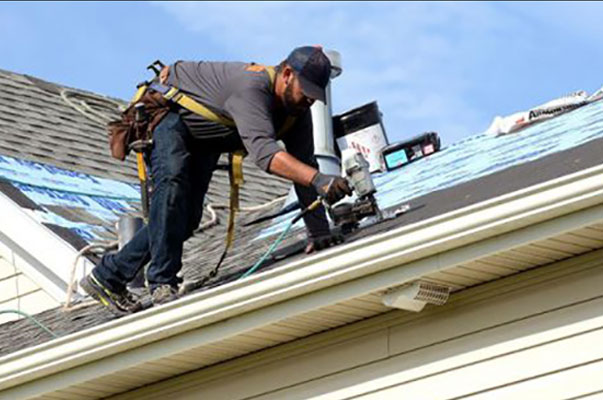
A practical homeowner’s guide for faster repairs, cleaner insurance claims, and fewer surprises
In Meridian and the Treasure Valley, it doesn’t take a dramatic-looking storm to create real roofing problems. Wind can lift shingles just enough to break seals, and hail can bruise shingles in ways you won’t notice from the driveway. The result is often the same: small issues that quietly become leaks, wood rot, stained ceilings, insulation damage, and rising repair costs. This guide walks you through what to look for, how to document it, and how to protect your property and your insurance claim without the stress.
Why wind & hail damage is easy to miss (and why it matters)
Many roof problems don’t start with a visible hole. They start with small failures: a lifted shingle edge, loosened flashing, or an impact bruise that weakens the asphalt mat over time. When water finally shows up inside, the “storm damage” may already be weeks (or months) old.
Common ways storm damage turns into expensive repairs
Lifted shingles
Wind breaks the adhesive seal; water gets underneath during the next rain, especially on slopes facing prevailing wind.
Damaged flashing
Chimneys, pipes, skylights, and wall transitions are common leak points when metal gets bent or sealant fails.
Hail bruising
Granules may look “fine” from the ground, but impacts can crack or bruise shingles and shorten roof life.
If you’re unsure whether you’re looking at storm-related damage or normal wear, a professional roof inspection is the safest next step—especially because walking on a roof can be dangerous and can cause additional damage if done incorrectly.
What storm damage looks like in Meridian (from the ground and inside the home)
Exterior clues (no ladder required)
Missing shingles or tabs (often at ridges, edges, or near valleys)
Shingle edges lifting (creates a shadow line or “curl” look)
Granules in gutters/downspouts after a storm (some granules are normal, sudden piles aren’t)
Dented metal components like vents, soft metals, flashing edges, drip edge, or gutters
Siding dings/cracks and damaged window screens (often correlate with roof impacts)
Interior clues (often show up later)
Ceiling stains (brown rings, streaking, or “shadow” patches)
Peeling paint near exterior walls or around skylights
Musty attic smell or visible dark spotting on sheathing
Dripping during wind-driven rain (leaks can appear only when rain hits at an angle)
Higher energy bills after damage (wet insulation doesn’t insulate well)
Even if you don’t see obvious damage, it’s smart to schedule an inspection after a significant wind or hail event—especially for older roofs or roofs with prior repairs.
A homeowner-friendly storm damage checklist (and what to document)
Strong documentation helps your claim move faster and reduces back-and-forth. The Idaho Department of Insurance recommends taking photos/video of initial damages and keeping receipts for mitigation work. (doi.idaho.gov)
| What to check | What to capture | Why it matters |
|---|---|---|
| Rooflines from the ground (all sides) | Wide photos + close-ups of missing/lifted shingles | Shows location and scope; helps estimate |
| Gutters/downspouts | Photos of dents and granule piles | Often correlates with hail impacts and shingle wear |
| Siding, screens, and window trim | Photos of chips, cracks, and punctures | Supports the storm narrative across exterior surfaces |
| Attic (if safely accessible) | Photos of wet spots, staining, and insulation issues | Documents active leaks and hidden moisture |
| Interior ceilings/walls | Photos with a reference (coin/tape) + room label | Helps connect interior staining to roof damage |
Step-by-step: what to do after a storm (without hurting your claim)
1) Prioritize safety and prevent further damage
If there’s active leaking, contain water indoors (buckets, towels) and protect valuables. If a tarp or temporary repair is needed, keep receipts and photos—policies often require damage mitigation. (doi.idaho.gov)
2) Document first, then clean up
Take photos/video of damage as you found it (outside and inside). Avoid throwing away damaged materials until your adjuster advises you—adjusters often want to see what was damaged. (doi.idaho.gov)
3) Schedule a professional roof inspection
A qualified roofing contractor can identify wind-lift, hail impacts, and flashing issues that homeowners typically can’t see from the ground. For Meridian homeowners, this is also the easiest way to get a clear repair plan and a realistic scope of work.
4) File the claim promptly and keep a simple log
When you file, note the claim number, the date/time, and who you spoke with. After filing, the adjuster investigates, reviews the policy/deductible, and evaluates damage (sometimes with outside experts). (doi.idaho.gov)
5) Watch for “too good to be true” roofing pitches
The Idaho Department of Insurance warns consumers to be cautious of unsolicited “insurance specialists,” anyone promising a full roof replacement, or anyone offering to waive your deductible. (doi.idaho.gov)
Repair vs. replacement: how contractors typically evaluate the next step
Every roof is different, but a storm-damage inspection usually focuses on (1) how widespread the damage is, (2) whether key leak points are compromised, and (3) whether a targeted repair will actually hold up through the next season.
Repairs often make sense when…
Damage is isolated (a small area, a few shingles, a specific flashing point), the roof has life left, and the fix restores water-shedding integrity without creating a patchwork look.
Replacement may be smarter when…
Damage is widespread, multiple slopes are impacted, repeated repairs have happened, or the roof is nearing the end of its expected service life.
For insurance work, clear documentation and an accurate scope help avoid delays—especially when there are multiple exterior trades involved (roofing, siding, windows, gutters).
Quick “Did you know?” facts for Treasure Valley homeowners
Matching isn’t always guaranteed
Some policies may not pay to match undamaged portions of roofs/siding. It’s worth asking your adjuster to point out the matching language in your policy. (doi.idaho.gov)
“Insurance help” shouldn’t mean pressure
Be cautious if someone pushes you to sign quickly, claims they can “guarantee” your insurer will replace the roof, or offers deductible waivers. (doi.idaho.gov)
Mitigation receipts can matter
Temporary protection and mitigation may be required by your policy; keeping receipts can support reimbursement discussions. (doi.idaho.gov)
Local angle: what Meridian property owners should plan for
Meridian homes and businesses often have a mix of roof types—architectural shingles, low-slope commercial systems, and multi-family roofing. That variety means storm damage doesn’t show up the same way everywhere. Wind can target ridge caps and edges on residential roofs, while commercial roofs may show stress at seams, drains, and penetrations.
Meridian tip:
If your neighborhood experienced a recent storm, it’s common for door-to-door solicitors to appear. Use the same standard you’d use for any contractor: verify local presence, ask for proof of insurance, read contracts carefully, and avoid anyone who pressures you on the spot. (doi.idaho.gov)
Need a roof inspection in Meridian?
Team Construction provides complimentary inspections and clear recommendations—whether you need a targeted repair, storm damage restoration, or help coordinating the next steps with your insurance.
Also explore: Meridian roofing services and roof repair options.
FAQ: Storm damage roofing in Meridian
How soon should I schedule a roof inspection after a storm?
As soon as it’s safe. Early inspections help you document conditions and catch wind-lift or flashing issues before the next rain turns them into leaks. If you’re considering an insurance claim, timely documentation is especially helpful.
What should I do if water is actively leaking inside?
Protect belongings, contain water, and take photos/video. If temporary mitigation is needed, keep receipts—policies often require mitigation efforts to prevent additional damage. (doi.idaho.gov)
Can I go on the roof to check for hail damage?
It’s not recommended. Roofs can be slippery, steep, and fragile—especially after storms. A professional inspection is safer and typically more accurate, with documentation that’s easier to use for repair planning or claim discussions.
Is it a red flag if someone says my insurance “has to” buy me a new roof?
Yes—use caution. The Idaho Department of Insurance specifically warns consumers about unsolicited “insurance experts” and claims that your insurer must pay for a full replacement, plus other high-pressure tactics. (doi.idaho.gov)
If my roof is damaged, will insurance pay to match everything?
Not always. The Idaho Department of Insurance notes that matching undamaged portions (roofing, siding, cabinets, etc.) may not be covered depending on your policy language—ask your adjuster where matching is addressed. (doi.idaho.gov)
Can Team Construction help with both repairs and insurance coordination?
Yes. Team Construction provides storm damage inspections, repair/restoration work, and practical assistance coordinating claim documentation and repair scope so the process feels straightforward from first call to final walkthrough.
Glossary (helpful terms you may hear during an inspection)
Flashing
Metal (or specialty material) installed at roof transitions—around chimneys, pipes, skylights, and walls—to direct water away from seams.
Wind lift
When wind gets under shingle edges and partially lifts them, weakening adhesive seals and increasing leak risk during wind-driven rain.
Hail bruise
An impact spot where the shingle mat is compromised beneath the granules. It may not look dramatic from the ground but can shorten roof life.
Mitigation
Temporary steps taken to prevent further damage after a loss (like tarping a roof or drying out wet areas). Receipts and documentation can matter for the claim process. (doi.idaho.gov)
Adjuster
The insurance professional who investigates the claim, reviews the policy, and evaluates the covered damage amount. (doi.idaho.gov)
Helpful resources from the Idaho Department of Insurance include guidance on claim steps and consumer red flags related to roofing replacements. (doi.idaho.gov)