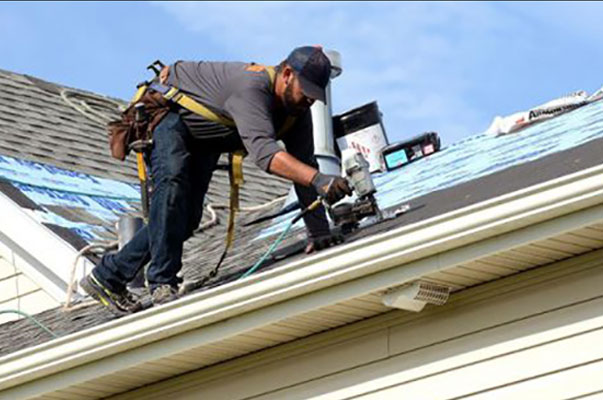
A practical checklist for Eagle homeowners after wind, hail, snow, and freeze-thaw
This guide walks you through what to look for, what to do right away, and when it’s time to schedule a professional inspection and roof repair.
Why “small” roof damage becomes a big deal
In cold-weather cycles, small openings also invite freeze-thaw problems. Moisture that gets in can expand when it freezes, widening gaps and stressing seals around vents and flashing. Over time, that can create repeat leak paths and accelerate material wear.
Common storm-damage signs (from the yard and from inside)
• Granules collecting in downspout elbows or at the base of downspouts (some loss is normal; sudden heavy loss can be a clue)
• Metal flashing that looks bent, loose, or separated around chimneys, skylights, and walls
• Gutters pulling away or fascia damage (often tied to wind events or ice weight)
• Damaged vent caps or exposed pipe boots
• Paint bubbling or drywall seams showing “shadow lines”
• A musty smell in closets near exterior walls or attic access points
• In the attic: dark staining on sheathing, damp insulation, or rusted nail tips
Hail damage vs. normal wear: what homeowners should know
If you suspect hail, avoid climbing on the roof yourself. Foot traffic can cause additional scuffing and makes it harder to separate storm damage from mechanical damage later.
Quick “Did you know?” facts Eagle property owners should keep in mind
When to repair vs. when to replace
Roof repair is often a good fit when:
• Damage is isolated (a few shingles, a small flashing issue, a pipe boot, a short gutter run)
• Leaks are tied to a single penetration (bath fan vent, plumbing vent, skylight curb)
• The roof is otherwise in good condition and not near end-of-life
Roof replacement may be worth discussing when:
• Multiple slopes show repeated wind lift or hail bruising
• Repairs keep “chasing leaks” in new areas each season
• The roof is approaching the end of its service life and underlayment/ventilation upgrades would improve performance
Comparison table: common roof problems and typical fixes
| Problem you notice | Most common cause | Typical professional fix | Why it matters |
|---|---|---|---|
| Missing/lifted shingles | Wind uplift, aged seal strips | Replace shingles, re-seal, check edge/ridge details | Exposes underlayment; repeat uplift spreads quickly |
| Ceiling stain after storm | Flashing leak, vent boot crack, nail line leak | Targeted leak tracing, flashing/boot replacement | Moisture can damage insulation, drywall, framing |
| Granules in gutters | Normal aging or hail impact | Inspection to confirm cause; repair/replace as needed | Can indicate accelerated shingle wear or storm event |
| Ice dams / heavy icicles | Heat loss + ventilation/insulation imbalance | Air-seal/vent corrections, insulation plan, targeted repairs | Backs water under shingles; leaks can appear weeks later |
Step-by-step: what to do after a storm (without making things worse)
1) Do a safe perimeter walk
Look for shingles on the ground, dents in metal vents, damaged gutters, downspouts overflowing, and siding impact marks. Take wide shots of each elevation of the home.
2) Photograph “time stamps” of the event
If you can, save screenshots of weather alerts, radar images, or local storm reports. This can help establish the approximate date of loss for insurance documentation.
3) Check the attic and ceilings within 24–48 hours
Use a flashlight and look for damp insulation, darkened sheathing, or drips around penetrations. Catching an active leak early can reduce drying and restoration costs.
4) Avoid quick “patch” mistakes
Tar smears, incorrect caulk, or poorly placed self-adhered patches can trap water and complicate repairs. If water is actively entering, it’s better to get professional help for a temporary dry-in that doesn’t damage the roof system.
5) Schedule a professional inspection (especially for hail)
Hail evaluation is detail-oriented. Proper identification often depends on distinguishing normal wear from functional hail bruising and documenting consistent impact patterns. (haagglobal.com)
Local angle: roof repair considerations in Eagle, Idaho
• Ridge caps and hip lines (wind exposure)
• Valleys (debris and water concentration)
• Roof-to-wall flashing near step flashing and kick-out flashing points
• Attic ventilation (ice dam risk when airflow is uneven) (basc.pnnl.gov)
If you own a rental, manage a small commercial property, or have multiple buildings to maintain, setting a recurring inspection schedule—especially after major storms—can reduce emergency calls and protect long-term asset value.
Need roof repair in Eagle? Get a free inspection and clear next steps.
FAQ: Roof repair and storm damage in Eagle, ID
If you have missing/lifted shingles, active leaks, interior stains, loose flashing, or storm impact signs, it’s time for a repair inspection. Maintenance is more about preventing issues (sealing minor penetrations, addressing small wear points) before they become leaks.
If you suspect storm damage, many homeowners start with a professional inspection so you can document what’s present and understand likely repair scope. If there’s active leaking, addressing temporary dry-in quickly should be the priority.
True hail damage is often identified by impact-related bruising and granule displacement patterns. Granule loss alone can have multiple causes, so a qualified inspection and documentation approach matters. (haagglobal.com)
Yes. Ice dams can push water up and under shingles. Ventilation balance, air sealing, and proper vent space are commonly recommended strategies to reduce risk. (basc.pnnl.gov)
As soon as it’s safe, document what you can and schedule an inspection—especially if you see missing shingles or any interior staining. Waiting can allow water intrusion to spread and can make storm attribution harder.