How to Spot Hail & Wind Damage on a Residential Roof in Eagle, ID (And What to Do Next)

A practical homeowner guide for fast decisions after a storm

Storms in the Treasure Valley can be deceptively rough on a roof. Hail doesn’t have to be huge to knock granules loose, and wind can lift shingles just enough to start a leak weeks later. If you’re in Eagle, Idaho and you suspect damage, the goal is simple: identify warning signs early, document what you can safely see, and get a professional inspection before small problems become interior water damage.

Below is a clear checklist of what hail and wind damage looks like on most residential roofing systems, how insurance typically evaluates it, and when it’s time to bring in a local pro like Team Construction.

Primary focus keyword
Residential roofing inspections after hail and wind in Eagle, ID
Who this helps
Homeowners, landlords, and property managers who want clarity on whether a roof needs repair, restoration, or an insurance claim.

What hail damage looks like (and why it’s easy to miss)

Hail damage on asphalt shingles often shows up as granule loss, bruising, or fractured mats. Even “sub-severe” hail can contribute to granule loss—especially on shingles that have already weathered under sun and seasonal temperature swings. Research on asphalt shingles indicates that natural weathering can significantly increase how much granule loss occurs from hail impacts compared to newer material. (frontiersin.org)

Granules are not just cosmetic; they protect the asphalt layer from UV exposure and help your roof shed water. When granules are knocked loose, the roof can age faster and become more vulnerable to leaks.

Quick safety note: If the roof is steep, wet, icy, or you’re unsure about footing, skip the climb. Many “DIY inspections” turn into injuries. A ground-level review plus a professional inspection is the smart route.

Most common roof damage patterns after Treasure Valley storms

Damage type What you might notice Why it matters Next step
Hail bruising Soft spots or “impact marks” (often subtle), random pattern across slopes Can break the shingle mat and shorten roof life; may not leak immediately Schedule a professional inspection and photo documentation
Granule loss Bare spots on shingles, granules collecting in gutters/downspouts UV exposure accelerates aging; can be a key sign after hail impacts (frontiersin.org) Inspect gutters, downspouts, and roof planes; get an expert opinion
Wind-lifted shingles Creased tabs, missing shingles, edges that look “flipped” or uneven Lift breaks the seal and can lead to blow-offs and water intrusion Tarps may help temporarily; plan a repair quickly
Flashing damage Bent or separated metal near chimneys, walls, skylights, vents Flashing is a common leak source, especially after wind events Ask for a close inspection of penetrations and transitions
The National Weather Service uses 1-inch hail as the severe-thunderstorm hail threshold. That doesn’t mean smaller hail is “harmless,” but it does help explain why some storms are more likely to produce widespread roofing claims than others. (weather.gov)

Step-by-step: What to do after hail or wind (without making things worse)

1) Do a safe exterior walk-around

Look for downed branches, exposed decking, missing ridge caps, dented vents, or displaced gutter sections. Take wide photos of each roof side from the ground.

2) Check interiors for “quiet” leak signs

Scan ceilings, attic areas, and upper-level closets for staining, musty odor, damp insulation, or nail pops. Leaks often show up days after the storm, not the same afternoon.

3) Document everything (simple, but powerful)

Save storm-date notes, photos, any emergency receipts (tarps, mitigation), and a short written timeline. If an insurance claim becomes necessary, good documentation helps keep the process organized.

4) Schedule a professional roof inspection

A qualified inspector can check soft-metal indicators, shingles, flashing, underlayment conditions, and ventilation—areas homeowners can’t reliably verify from the yard.
If you need a local team that handles inspection, repair, and insurance coordination, explore wind and hail damage inspections or roof repair services through Team Construction.

Did you know? Fast facts homeowners don’t hear enough

Severe-hail threshold: The NWS severe criteria is 1-inch diameter hail, and shingle damage becomes more likely as hail size increases. (weather.gov)
Weathered shingles can be more vulnerable: Studies show that shingles exposed to natural weathering can experience substantially higher granule loss from hail compared to new shingles. (frontiersin.org)
Ice barrier requirements vary by jurisdiction: Some areas require ice barriers based on local history of ice damming; guidance is tied to local code adoption and designation. (ibhs.org)

Local angle: What Eagle homeowners should watch for

Eagle homes see a mix of summer hail events and strong seasonal winds. What makes this tricky is the “delayed symptom” problem: hail can loosen granules and wind can weaken seals, but you may not see a drip until the next melt/freeze cycle or a heavy rain.

If your property is near open exposures (fields, foothills approach, ridge lines, or areas with fewer wind breaks), wind-driven rain can exploit small weaknesses at flashing transitions, valleys, and roof penetrations. That’s why a targeted inspection—especially around vents, skylights, chimneys, and wall intersections—matters as much as checking the shingle field.

For homeowners planning a broader exterior upgrade, it can be smart to coordinate roofing with other envelope improvements like siding repair/installation and window replacement, so your home’s exterior performs as a system.
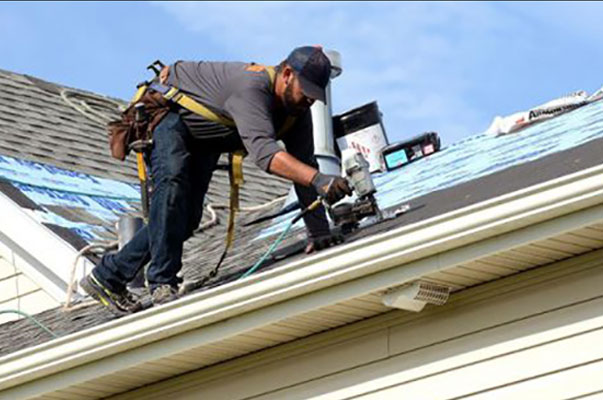
If you’re unsure whether the storm damage is “repairable” or points to a larger replacement, Team Construction can help evaluate options for residential roofing and provide guidance if an insurance claim is appropriate.

Schedule a free roof inspection in Eagle, ID

If your roof was hit by hail or wind—or you simply want peace of mind—Team Construction can inspect, document findings, and outline clear next steps (repair, maintenance, or insurance restoration support).

FAQ: Hail & wind damage roofing questions in Eagle

How soon should I get my roof inspected after a hailstorm?

As soon as conditions are safe. Early inspections help document storm-related issues before more weather hits. If you’re considering insurance, timely documentation is also helpful.

Can my roof have hail damage even if it’s not leaking?

Yes. Hail can bruise shingles or remove granules without creating an immediate leak. Over time, that damage can reduce the roof’s remaining lifespan and performance.

What are the easiest signs to spot from the ground?

Missing shingles, crooked ridge caps, bent vents, dented gutters/downspouts, and piles of granules at downspout exits. Interior ceiling stains are another major indicator.

Should I call a roofer or my insurance company first?

Many homeowners start with a professional inspection so they understand the condition of the roof and can document findings. If damage is confirmed and meets policy guidelines, you can then decide whether to file a claim.

If a repair is needed, will it match my existing shingles?

Matching depends on shingle brand, color availability, roof age, and sun fading. During an inspection, your contractor can explain realistic matching options and whether a larger scope is warranted for uniform appearance and performance.

Glossary (plain-English roofing terms)

Granules: The sand-like coating on asphalt shingles that protects against UV and helps resist weathering.
Bruising (hail): A compressed area where hail impact damages the shingle mat. It may not be obvious without a close inspection.
Flashing: Metal material used around chimneys, walls, skylights, and transitions to keep water out.
Seal strip: The adhesive line on shingles that bonds courses together; wind can break this seal and make shingles easier to lift.
Ice barrier (ice & water shield): A waterproof membrane installed at eaves/valleys in certain climates or where required by local designation to reduce ice-dam backup leaks. (ibhs.org)