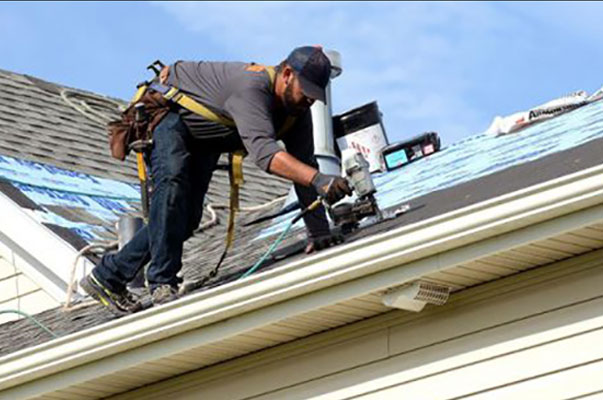
A practical homeowner’s guide to wind & hail roof damage in the Treasure Valley
In Nampa, a single storm can do more to your roof than a decade of normal wear. The tricky part is that storm damage isn’t always obvious from the driveway—many issues start small (a lifted shingle tab, a punctured flashing edge, bruised shingles) and turn into leaks weeks or months later. This guide walks through what to look for, what to do right away, and how to approach roof insurance claims without missing important steps. If you’re unsure about your roof’s condition, Team Construction can perform a professional inspection and help you plan next steps.
1) What wind and hail actually do to a residential roof
Storm damage is often a combination of several “small failures” across the roofing system—not just shingles. Common patterns we see around Nampa and the Treasure Valley include:
Wind damage can lift shingles, break adhesive seals, expose nail lines, and loosen ridge caps. Once shingles flex repeatedly, the mat can crack—especially along edges and corners.
Hail damage can bruise shingles (impact damage that breaks the fiberglass mat beneath the surface), knock granules loose, dent metal components, and crack soft metals around vents and flashing.
Wind-driven rain finds the weak points: pipe boots, step flashing, skylights, chimney transitions, and valleys. Leaks commonly show up around penetrations first.
If you’re not sure whether you’re looking at storm damage or normal aging, a documented inspection is the safest way to confirm what’s happening and avoid unnecessary repairs.
2) Early warning signs homeowners in Nampa can check (without getting on the roof)
You can catch many issues from the ground with a careful walkthrough. Look for:
Granules in gutters or at downspout exits: Some granule loss is normal, but a sudden increase after a storm can indicate impact or accelerated wear.
Shingles that look “wavy,” lifted, or uneven: Wind can break seal strips and slightly raise shingle edges—especially on ridges and roof corners.
Debris strikes: Branches can bruise shingles even if they don’t puncture. Check for scuffs, divots, or displaced shingles below trees.
Metal dents: Dented gutters, downspouts, soft metal vents, or flashing can be a clue that hail was large enough to damage shingles, too.
Interior clues: Water stains on ceilings, bubbling paint, musty smells in attics, or wet insulation after a storm should be treated as time-sensitive.
Safety note: avoid climbing onto a steep or wet roof. Slips happen fast, and storm-damaged shingles can be loose.
3) What to do right after a storm (and what not to do)
A calm, documented approach usually leads to a smoother repair and claim process.
Do this first
1) Take photos/video of visible damage as soon as it’s safe—before any cleanup or temporary fixes. (doi.idaho.gov)
2) Prevent further damage (tarps, temporary patches) if water is getting in, and keep receipts—many policies require mitigation. (doi.idaho.gov)
3) Don’t throw damaged materials away until your adjuster advises you—adjusters often want to see damaged items. (doi.idaho.gov)
4) File your claim promptly and keep communication organized (email/text when possible). (doi.idaho.gov)
Avoid these common mistakes
Signing paperwork under pressure: Be cautious of anyone who shows up unsolicited claiming they can “guarantee” a full replacement or handle your claim. (doi.idaho.gov)
Permanent repairs before the adjuster visit: Temporary protection is good; major repairs should typically wait until the inspection/approval path is clear.
4) Roof repair vs. roof replacement: how pros decide
Homeowners often ask, “Can’t we just repair it?” Sometimes yes—and sometimes repairs just postpone the real problem. A qualified inspection typically considers:
Damage density: A few isolated wind-torn shingles might be repairable; widespread bruising or multiple slopes affected often points toward replacement.
Age and brittleness: Older shingles can crack when lifted for repair, which makes spot-fixes unreliable.
Leak pathway complexity: Water intrusion around flashing/valleys can require more extensive work than a shingle patch.
Code and ventilation considerations: Roof work is a chance to correct under-ventilation and improve long-term performance.
If you need a local opinion, Team Construction offers roof inspections and can advise whether a targeted repair makes sense or if replacement is the smarter long-term move.
Quick “Did you know?” facts
Did you know? Many insurance policies require homeowners to mitigate damage (prevent it from getting worse). Save receipts for temporary repairs—those costs may be reimbursable. (doi.idaho.gov)
Did you know? The Idaho Department of Insurance warns consumers to be cautious if someone claims your insurer “must” pay for a full roof replacement or offers to waive your deductible. (doi.idaho.gov)
Did you know? You can discover additional damage after the adjuster visit and may be able to report it while the claim remains open—documentation matters. (consumerreports.org)
5) The local angle: what Nampa homeowners should prioritize
In the Nampa/Boise metro, storms can bring quick shifts—wind, hail pockets, and heavy rain in a short window. That makes time-to-inspection important. If you suspect wind or hail damage:
Check vulnerable zones first: ridges, roof corners, around vents, and the side of the home that took the brunt of the storm.
Don’t ignore “minor” symptoms: a small drip can mean wet insulation, mold risk, and plywood damage if it continues through freeze/thaw cycles.
Coordinate exterior upgrades: if you’re also planning new siding or window work, bundling projects can simplify scheduling and weatherproofing details.
Helpful local services from Team Construction:
Schedule a roof inspection in Nampa
If you’ve had recent wind or hail, a professional inspection can confirm what’s damaged (and what isn’t), document the condition for insurance, and outline repair vs. replacement options. Team Construction serves Nampa and the greater Treasure Valley with straightforward recommendations and quality workmanship.
FAQ: Storm damage roofing in Nampa
Should I call my insurance company first or schedule an inspection first?
If you have active leaking or obvious damage, protect the home first and document everything. Idaho’s Department of Insurance recommends taking photos/video and mitigating damage while keeping receipts. (doi.idaho.gov) Many homeowners schedule an inspection quickly so they understand what needs attention before (or alongside) the claim conversation.
What documentation helps most with a roof insurance claim?
Clear photos/video of the damage, notes about the storm date/time, receipts for temporary repairs/mitigation, and a list of impacted areas. The Idaho DOI specifically recommends photos/video and keeping receipts for mitigation. (doi.idaho.gov)
If my roof isn’t leaking, can I wait?
Some storm damage doesn’t leak immediately. Lifted shingles, bruises, and flashing damage can take time to show up inside. An inspection soon after a storm can help you avoid “surprise” leaks later—especially after additional wind, snow load, or freeze/thaw.
Are there any red flags I should watch for after a storm?
Yes. The Idaho Department of Insurance warns consumers to be cautious if someone shows up unsolicited claiming they can “guarantee” a full roof replacement, promises “no-cost” upgrades, or offers to waive your deductible. (doi.idaho.gov)
Does working with an Owens Corning Preferred Contractor matter?
Many homeowners like the added accountability of manufacturer-aligned installation standards and access to certain warranty options associated with contractor networks. (Requirements and benefits vary by tier and program.) (akvm.com)
Glossary (helpful roofing & insurance terms)
Mitigation
Steps taken to prevent damage from getting worse after a loss (example: tarping a roof leak). Policies may require this; keep receipts. (doi.idaho.gov)
Flashing
Metal (or similar) material installed at roof transitions and penetrations (chimneys, walls, skylights, vents) to direct water out and away.
Shingle bruise
Impact damage (often from hail) that may not puncture the shingle but can fracture the fiberglass mat under the surface, reducing lifespan and weather resistance.
Adjuster
The insurance representative who inspects damage and evaluates the claim. Keep notes and written communication when possible. (consumerreports.org)