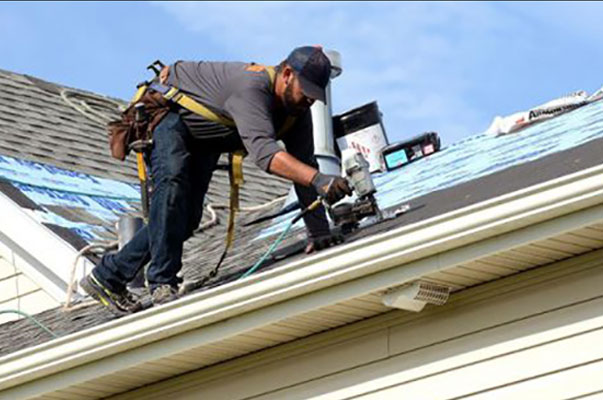
Protect your roof before a small problem turns into a major leak
Boise weather can be tough on roofing systems—wind events, hail, freeze/thaw cycles, and heavy wet snow all stress shingles, flashing, vents, and skylights. The tricky part is that many issues don’t show up as an obvious leak right away. This guide explains what roof damage looks like in real life, how to assess it safely, and when it’s time to schedule professional roof repair so your home (or building) stays protected.
Why Boise roofs get damaged: the local conditions that matter
In the Treasure Valley, roof systems have to handle multiple load cases and weather patterns across the year. Boise’s adopted code criteria includes a minimum design roof snow load of 25 psf and a ground snow load of 20 psf, which is a helpful reminder that snow loads are a real part of roof performance here—even if winters feel “mild” compared to the mountains. (codelibrary.amlegal.com)
Common Boise-area roof stressors
- High winds: can lift shingle edges, loosen ridge caps, and pull at flashing.
- Hail: can bruise asphalt shingles and dent soft metals (vents, gutters, flashing).
- Snow and ice: adds weight and can worsen weak decking, ventilation issues, and freeze/thaw cracking.
- Tree debris: branches can scrape granules off shingles and damage valleys and gutters.
- Sun + temperature swings: accelerate shingle aging and sealant failure.
A key Boise homeowner takeaway
Even if your roof “looks fine” from the street, hail bruising and wind-lifted shingles can be subtle. Those small weak points often show up later as a leak during the next rain or thaw cycle—when the repair becomes more urgent (and sometimes more expensive).
What roof damage looks like (without climbing on the roof)
Safety first: a homeowner check should be done from the ground, from windows, or from inside the attic. You can gather useful evidence without taking risks.
Outside signs (ground-level)
- Missing, curled, lifted, or “flapping” shingles
- Granules collecting in downspouts or at splash blocks
- Dents in gutters, downspouts, vent caps, or flashing (often correlates with hail)
- Debris in valleys (pine needles/leaves) causing water to back up
- Siding and window trim damage (a clue the storm hit hard enough to affect the roof, too)
Inside signs (attic/ceilings)
- Water stains or bubbling paint on ceilings and walls
- Musty smell, damp insulation, or visible mold growth
- Daylight visible through roof decking (urgent)
- Rust on nails or metal connectors (a moisture indicator)
- Dripping around vent pipes or chimneys after rain/snowmelt
Step-by-step: what to do after wind or hail (Boise homeowner checklist)
If you suspect storm damage, moving quickly helps prevent secondary damage and supports a smoother repair or insurance process.
1) Document everything (from the ground)
Take wide shots of each roof face if visible, plus close-ups of dents, torn screens, damaged gutters, fallen branches, and interior staining. Many homeowner resources recommend extensive photos and note that you should avoid going on the roof. (angi.com)
2) Prevent further damage (temporary protection)
If water is actively entering, use buckets inside and consider professional tarping. Avoid “quick fixes” that can trap moisture or create more damage. If you do any emergency steps, keep receipts and photos.
3) Schedule a professional inspection (before problems spread)
A qualified inspection should include photos, identification of compromised components (shingles, flashing, underlayment, soft metals), and a clear scope of repair. Having a contractor inspection report is commonly recommended as part of strong claim documentation. (lapeyreroofing.com)
4) If insurance may apply, file promptly and stay organized
Insurance guidance commonly emphasizes prompt reporting, thorough documentation, and avoiding signing major repair contracts before you understand claim status and scope. Keep a simple folder (digital or paper) with dates, photos, notes, and all claim communications. (angi.com)
Repair vs. replacement: how pros decide
The right fix depends on how the damage impacts water-shedding, sealing, and structural integrity—not just how it looks. A professional roofer will weigh the roof’s age, the number of impacted areas, and whether key details (valleys, penetrations, flashing transitions) can be restored reliably.
| Situation | Often points to | Why it matters |
|---|---|---|
| A few shingles lifted or missing in one area | Targeted roof repair | Restores water-shedding before underlayment/decking gets wet |
| Leaks near a vent pipe or chimney | Flashing or boot replacement + localized repair | Penetrations are common failure points; sealing must be correct |
| Widespread hail bruising + soft metal impacts | Full or partial replacement (depending on slope & extent) | Bruised shingles may fail early; repairs can become patchwork |
| Sagging, soft decking, chronic moisture/mold | Structural repair + replacement | Decking issues compromise fastening and safety |
Tip: If your property is in Boise proper, remember snow loads are part of local design criteria. If a roof system is already weakened by wind or age, snow and ice can expose problems fast. (codelibrary.amlegal.com)
A Boise/Treasure Valley angle: timing your inspection matters
If your roof takes a hit during a windy storm or hail event, it’s smart to schedule an inspection sooner rather than later. Why? Because Boise weather can shift quickly—wind followed by rain, or a thaw/freeze cycle—turning “minor” damage into interior water intrusion. Early inspections also help you document conditions clearly while evidence is fresh, which is a common recommendation in hail-claim guidance. (angi.com)
If you’re in Boise, Meridian, or Eagle
A reputable local contractor can assess not just shingles, but collateral damage to gutters, siding, and windows—especially after hail. That “whole-exterior” view is helpful when you’re planning repairs, budgeting, or coordinating with an insurance adjuster. (angi.com)
Tree-related damage is easy to overlook
Wind plus overhanging limbs can scrape, puncture, and loosen roof materials. Keeping branches trimmed away from rooflines reduces storm risk and can prevent avoidable damage. (legacyroofingidaho.com)
Schedule a roof inspection or roof repair in Boise
Team Construction is a locally owned, full-service contractor serving Boise and the Treasure Valley. If you’re dealing with a leak, missing shingles, or suspected wind/hail damage, a professional inspection can clarify what’s going on and what it will take to fix it correctly.
Frequently asked questions
Should I climb on my roof to check for hail damage?
It’s safer to document from the ground and call a professional. Homeowner guidance commonly recommends taking photos from the ground and avoiding roof access due to fall risk. (angi.com)
How do I know if a roof leak is from shingles or flashing?
Leaks around vent pipes, chimneys, skylights, and wall transitions often involve flashing, sealants, or boots. A proper inspection traces water paths and checks penetrations, valleys, underlayment edges, and attic moisture patterns.
What should I document for an insurance claim after a storm?
Photo/video documentation, dates and notes, visible exterior impacts, and any interior water damage are a strong start. Many claim guides also emphasize getting a contractor inspection report and keeping organized records for the adjuster. (lapeyreroofing.com)
Can I wait to repair a few missing shingles?
Waiting increases the chance of water reaching underlayment and decking, especially if Boise gets wind-driven rain or a thaw after snow. Small repairs done quickly often prevent larger interior repairs later.
Do you handle roof insurance claims in Boise?
Yes—Team Construction provides direct insurance claim assistance and can help you understand the repair scope and documentation needed. Learn more here: Roof Insurance Claims.
Glossary (helpful roof repair terms)
Flashing
Metal (or specialized materials) used to seal roof transitions and penetrations—like chimneys, skylights, and vent pipes—to prevent water entry.
Underlayment
A protective layer beneath shingles or roofing material that adds water resistance and helps protect the roof deck.
Roof deck (decking)
The structural wood layer (often plywood/OSB) that roofing materials attach to. Soft or sagging decking can indicate trapped moisture or rot.
PSF (pounds per square foot)
A unit used in building codes to describe loads—like snow load—applied across a surface area of the roof. (codelibrary.amlegal.com)