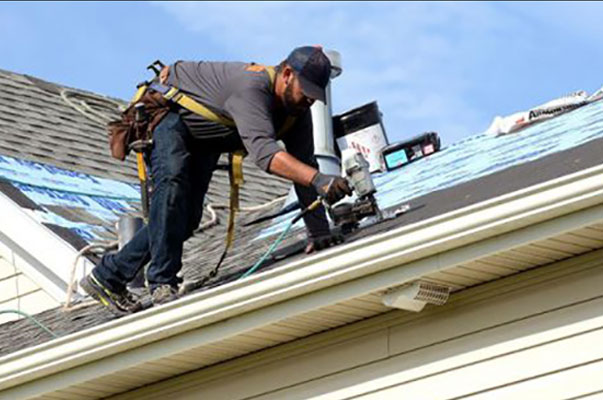
Know what to document, what to avoid, and how to keep your claim moving
Wind and hail can damage a roof in ways that aren’t always obvious from the driveway—loosened shingles, bruised areas, lifted flashing, or dented vents can turn into leaks weeks later. If you’re in Nampa or anywhere in the Treasure Valley, the best outcomes usually come from two things: (1) clear documentation and (2) timely, professional inspection and mitigation. Idaho’s Department of Insurance encourages homeowners to document damage, mitigate further loss, file the claim through the insurer’s claim channel, and keep receipts and records throughout the process. (doi.idaho.gov)
Why roof claims get delayed (and how to prevent it)
Most roof insurance claims don’t stall because the damage “isn’t real.” They stall because the evidence is incomplete, the damage worsens due to lack of mitigation, or permanent repairs happen before the insurer has an opportunity to inspect. Insurance guidance commonly stresses: document first, do temporary protection next, and avoid permanent repairs until the adjuster has seen the damage. (twia.org)
Quick reality check for homeowners
Every policy is different. Some have strict notice requirements or exclusions. This guide is practical education—not legal advice. When in doubt, ask your insurer to point to the exact policy language for your roof coverage, deductible, and “matching” rules (which can affect shingles/siding). (doi.idaho.gov)
Step-by-step: What to do after a wind or hail event
1) Start with safety (before you collect proof)
After severe weather, assume there may be slippery surfaces, debris, or downed lines. If the roofline looks compromised or you can’t access areas safely, document from the ground and call a professional for the inspection.
2) Document everything—outside and inside
Take photos/video of the exterior roofline, gutters, vents, flashing, downspouts, and any denting or displaced materials. Then check inside: attic (if accessible), ceiling stains, bubbling paint, wet insulation, or damp drywall. The Idaho Department of Insurance specifically recommends recording initial damages with photos/video and keeping damaged items until advised by the adjuster. (doi.idaho.gov)
Pro tip: Keep a simple “damage log” with the storm date/time, what you observed, when leaks started, and who you spoke with (insurer, contractor, mitigation). This makes adjuster conversations far easier later.
3) Prevent further damage—but keep it temporary
Most policies require “reasonable mitigation” to prevent additional loss. That can mean tarping, covering openings, and controlling interior water. Save all receipts and invoices for materials and labor. Guidance commonly warns not to complete permanent repairs until the insurer has inspected, since that can limit what the adjuster can verify. (twia.org)
4) File the claim with your insurer (and keep records)
File through your insurer’s claims phone number or online portal, then save the claim number and a record of every call/email. The Idaho Department of Insurance notes that many carriers have dedicated claim lines and that you should ask questions anytime during the process. (doi.idaho.gov)
5) Get a professional inspection and a clear repair plan
A qualified roofing contractor can identify storm damage patterns that homeowners often miss (lifted shingle seals, impact marks, flashing displacement, soft spots, hidden leaks). A written report and photo set can also help you communicate clearly with the adjuster.
Residential roofs
Focus on shingle condition, flashing, vents, valley integrity, and any interior moisture.
Commercial roofs
Look for membrane punctures, seam separation, flashing terminations, and drainage issues that can cause ponding.
What to avoid during a roof insurance claim
| Avoid | Why it can hurt your claim | Do this instead |
|---|---|---|
| Throwing away damaged materials too soon | Adjusters often want to visually inspect damaged items | Keep items until the adjuster advises disposal (doi.idaho.gov) |
| Permanent repairs before inspection | The insurer can’t verify cause/extent after replacement | Do temporary protection first; document and wait for inspection (twia.org) |
| Signing a contract you don’t fully understand | Can lock you into terms that complicate the claim | Read carefully; ask questions before signing (doi.idaho.gov) |
| Falling for “deductible waived” promises | A major red flag; can create claim and billing issues | Work with reputable local contractors and follow policy terms (doi.idaho.gov) |
The Idaho Department of Insurance has specifically warned consumers to be cautious if someone promises “free upgrades,” says the insurer “must” pay for a full replacement, or offers to waive your deductible. (doi.idaho.gov)
Local angle: Roof claims in Nampa and the Treasure Valley
Nampa homeowners often deal with a mix of strong winds, heavy rain, and occasional hail events across the wider Boise-area forecast region. When storms hit, the practical challenge isn’t just the roof surface—it’s what happens after: water intrusion, attic moisture, and delayed leaks that show up long after the clouds clear. If you’re unsure whether damage is cosmetic or functional, a professional inspection gives you a clear baseline for maintenance, repair, or a claim path.
If your property is in Nampa
Watch for shingle loss on the leeward side, lifted ridge caps, bent flashing at edges, and granules collecting at downspout exits.
If you manage multiple units
Create a repeatable inspection checklist and central folder for photos, receipts, tenant leak reports, and claim numbers.
For more Boise-area roofing help from Team Construction, you can also visit: Boise roofing services or wind and hail damage inspections.
When you need help: inspections, repairs, and insurance claim support
Team Construction is a locally owned, full-service contractor serving Nampa, Boise, and the Treasure Valley with roofing, storm damage repair, siding, windows, remodels, and insurance restoration. If you suspect wind or hail damage—or you’re already in the middle of a roof insurance claim—getting an expert inspection and a clear scope of work can reduce delays and prevent further damage.
Request a Free Roof Inspection & Claim Help
Prefer to explore services first? See roof insurance claims support or roof repair.
FAQ: Roof insurance claims (Nampa, ID)
Do I have to mitigate damage before the adjuster comes?
Yes—reasonable temporary steps to prevent additional damage are typically expected (like tarping a leak). Keep receipts so you can submit them for possible reimbursement, and document the damage before and after any temporary protection. (doi.idaho.gov)
Should I repair or replace my roof before filing a claim?
Avoid permanent repairs until the insurer has had a chance to inspect, unless there’s an immediate safety hazard. Temporary protection is usually the safer approach for the claim. (twia.org)
What records should I keep for my roof claim?
Keep photos/video of initial damage, a list of damaged property, all receipts for mitigation, and a log of who you spoke with (dates/times, names, and claim numbers). (doi.idaho.gov)
Are “deductible waived” roof deals legitimate?
Treat them as a serious red flag. The Idaho Department of Insurance has warned consumers to be cautious when contractors promise to waive deductibles or guarantee a full replacement. (doi.idaho.gov)
What if I disagree with the insurer’s scope or valuation?
You can provide documentation from your own expert (such as a contractor’s inspection report and photos) supporting a different cause or value for the damage and ask the adjuster to review it. (doi.idaho.gov)
Glossary (helpful claim and roofing terms)
Mitigation
Temporary steps taken to prevent further damage after a loss (like tarping a leak), often required by policy conditions. (doi.idaho.gov)
Adjuster
The insurance professional who inspects damage and evaluates coverage, cause, and scope for the claim.
Scope of work
The written list of repairs/replacement items needed to restore the roof (and often related components like flashing, vents, or gutters).
Flashing
Metal (or specialty material) installed at roof transitions—chimneys, walls, valleys, vents—to direct water away and prevent leaks.
“Matching”
Policy language that may limit whether undamaged roof/siding areas must be replaced to match repaired sections in color/style. (doi.idaho.gov)