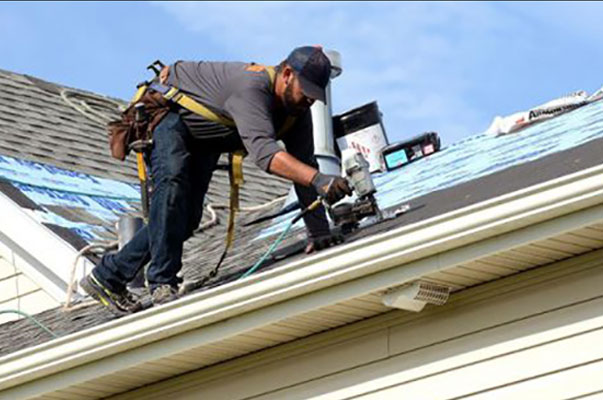
Protecting Your Investment: What Businesses Need to Know
For business owners and property managers in Eagle, Idaho, a commercial roof is more than just a shelter; it’s a critical asset protecting your inventory, equipment, and daily operations. The Treasure Valley’s climate, with its intense summer sun, heavy snowfall, and seasonal storms, places unique demands on roofing systems. Choosing the right material and a qualified contractor is essential for ensuring long-term performance, energy efficiency, and peace of mind. A well-maintained roof is not just a structural component; it is a vital part of your business’s success and longevity.
Choosing the Right Commercial Roofing Material for the Idaho Climate
The climate in Eagle presents unique challenges, from hot, sunny summers to cold winters with snow and ice. Your roofing material must be durable enough to withstand these temperature fluctuations and weather events. Here are some of the most effective options for local businesses:
Metal Roofing
Celebrated for its exceptional lifespan, metal roofing systems can last 40 to 70 years with minimal maintenance. They are incredibly durable, standing up to heavy snow, high winds, and hail. For businesses in Eagle looking for a blend of performance and aesthetics, metal is an excellent option. Furthermore, modern metal roofs come with advanced coatings that reflect solar heat, which can significantly reduce summer cooling costs.
TPO (Thermoplastic Olefin) Roofing
TPO is a single-ply membrane ideal for flat or low-slope roofs, and one of the most popular choices for commercial buildings. It is highly resistant to UV rays, chemical exposure, and punctures. Its reflective white surface is particularly beneficial for energy efficiency, helping to keep buildings cooler and reduce HVAC strain during Idaho’s hot summers. TPO is a cost-effective and robust solution for various applications, from retail centers to industrial facilities.
EPDM (Ethylene Propylene Diene Monomer) Roofing
Often called “rubber roofing,” EPDM is a synthetic rubber membrane known for its durability and flexibility. It has a proven track record of over 60 years in the commercial roofing industry. EPDM performs well in colder climates and can withstand temperature fluctuations without cracking. While traditionally black, which can absorb heat, it is also available in white to improve energy efficiency. For business owners seeking a reliable and affordable option, commercial EPDM roofing is a solid choice.
PVC (Polyvinyl Chloride) Roofing
PVC roofing is a premium single-ply membrane known for its strength and resistance to damage. It’s particularly effective against chemicals, grease, and fire, making it a great option for restaurants or industrial buildings. The seams are heat-welded to create a monolithic, watertight surface, offering superior leak protection. While it can be a higher upfront investment, its longevity and durability offer excellent long-term value.
Quick Facts: Commercial Roofing
- Fact 1: A reflective “cool roof” (like white TPO) can lower roof surface temperatures by up to 50°F, significantly reducing air conditioning costs.
- Fact 2: Proactive roof maintenance can extend a commercial roof’s lifespan by up to 50%, preventing costly premature replacement.
- Fact 3: Most commercial roof leaks occur at points of penetration—vents, HVAC units, and flashing. Regular inspections are key to catching these issues early. Need a professional look? Schedule a free roof inspection today.
Proactive Maintenance: The Key to Longevity
No matter the material, regular maintenance is the most effective way to maximize your roof’s lifespan and prevent costly disruptions. Neglecting maintenance is one of the top reasons a roof fails before its time. A simple, proactive approach can save thousands in the long run.
Step 1: Schedule Bi-Annual Professional Inspections
Have a professional inspect your roof at least twice a year, ideally in the spring and fall. A trained eye can spot subtle signs of damage, wear, or potential failure points that are easy to miss. This is especially critical after a major storm event involving wind and hail damage.
Step 2: Keep Drains and Gutters Clear
Clogged drains are a primary cause of ponding water on flat roofs. This standing water accelerates the deterioration of roofing materials and can lead to structural stress and major leaks. Ensure all drains, scuppers, and gutters are free of leaves, dirt, and other debris.
Step 3: Address Repairs Promptly
Small issues like punctures, cracked seals, or loose flashing should never be ignored. Idaho’s freeze-thaw cycles can quickly turn a minor crack into a significant leak. Prompt roof repairs prevent small problems from escalating into expensive, business-disrupting emergencies.
Team Construction: Your Local Commercial Roofing Experts in Eagle
Protecting your commercial property in Eagle starts with a reliable, expertly installed roof. At Team Construction, we understand the local climate and the unique needs of Treasure Valley businesses. We are a full-service contractor specializing in high-quality commercial and residential roofing solutions. Whether you need a new installation, a complex repair, or assistance with an insurance claim after a storm, our team has the expertise to get the job right the first time.
Ready to Secure Your Business?
Don’t wait for a small leak to become a big problem. Contact Team Construction for a comprehensive, no-obligation roof inspection and estimate for your Eagle property.
Frequently Asked Questions
Can my commercial roof be repaired, or does it need to be replaced?
This depends on the age of the roof and the extent of the damage. Localized damage can often be repaired effectively. However, if the roofing system is nearing the end of its lifespan or has widespread issues, a full replacement is often the more cost-effective long-term solution. Our team provides honest assessments to help you decide.
What is “ponding water” and why is it bad?
Ponding water is standing water that remains on a flat roof for more than 48 hours after rainfall. It’s a sign of a drainage problem. The weight of the water adds stress to the structure, and it accelerates the breakdown of roofing materials, leading to leaks.
How long does a commercial roof last in Idaho?
The lifespan varies greatly by material. A well-maintained metal roof can last 40-70 years, while single-ply membranes like TPO and EPDM typically last 20-30 years. Factors like installation quality, maintenance, and exposure to Idaho’s extreme weather all play a significant role.
Do you work with insurance companies on commercial claims?
Yes. Team Construction has extensive experience with commercial roof insurance claims. We document damage thoroughly, meet with adjusters, and ensure the process is as smooth as possible for you, whether it’s from hail, wind, or other storm damage.
Glossary of Terms
- Flashing
- Pieces of metal or other waterproof material used to cover and protect joints on a roof, such as where a vent pipe meets the roof deck. This is a common failure point if not installed correctly.
- Low-Slope Roof
- A roof with a very slight pitch, often referred to as a “flat roof.” These roofs require watertight membrane systems like TPO or EPDM rather than shingles.
- Membrane
- The primary layer of waterproofing material on a low-slope roof. TPO, PVC, and EPDM are types of roofing membranes.
- Penetration
- Anything that comes through the roof deck, such as pipes, vents, skylights, or HVAC units. Each penetration must be properly sealed to prevent leaks.
- Single-Ply
- A roofing system consisting of one layer of material, like TPO or EPDM membranes.