Choosing the Best Commercial Roofing System for Your Eagle Business

Protecting Your Investment from the Top Down

For any commercial property manager or business owner in Eagle, Idaho, the roof is a critical line of defense. It protects your inventory, equipment, employees, and customers from the Treasure Valley’s dynamic weather—from hot summer sun to heavy winter snow. Choosing the right commercial roofing system isn’t just a maintenance task; it’s a significant long-term investment in your property’s value, structural integrity, and energy efficiency. With numerous materials and systems available, making an informed decision is key to ensuring decades of reliable performance.

This guide explores the most popular commercial roofing options suitable for Eagle businesses, breaking down their benefits, ideal applications, and how local climate factors should influence your choice. Understanding these systems will empower you to select a roof that not only meets your budget but also provides unparalleled protection for years to come.

Understanding Your Commercial Roofing Options

Commercial roofs are generally categorized as flat or low-slope, demanding specialized materials designed for durability and superior water resistance. Unlike the steep slopes of many residential properties, these roofs must handle pooling water, heavy snow loads, and constant UV exposure. Below are some of the leading systems trusted by property managers across Idaho.

TPO (Thermoplastic Olefin) Roofing

TPO is a single-ply membrane roofing system that has become a go-to choice for commercial properties. It consists of a single layer of synthetics and reinforcing scrim that can be used to cover flat roofs. TPO is known for its energy efficiency, especially in white or light colors, which reflect sunlight and can significantly lower cooling costs during hot Idaho summers. Its seams are heat-welded, creating a strong, monolithic surface that is highly resistant to leaks.

  • Pros: High energy efficiency, strong seam strength, puncture and tear resistance, affordable compared to similar options.
  • Cons: Quality can vary between manufacturers, and it’s a newer technology compared to others, with a slightly shorter track record.
  • Best for: Retail centers, warehouses, and office buildings in Eagle looking for a cost-effective, energy-saving solution.

EPDM (Ethylene Propylene Diene Monomer) Roofing

Often referred to as a “rubber roof,” EPDM is a durable synthetic rubber roofing membrane that has been a trusted choice for decades. It is highly resistant to weathering, UV radiation, and temperature extremes, making it a reliable performer through Eagle’s distinct seasons. It offers excellent flexibility in cold weather, reducing the risk of cracks and damage during freeze-thaw cycles. While traditionally black, EPDM is also available in white for better solar reflectivity.

  • Pros: Proven longevity (often lasting 25-30 years), excellent weather resistance, flexibility in cold temperatures, and relatively easy to repair.
  • Cons: Black EPDM absorbs heat, potentially increasing cooling costs; seams are sealed with adhesive, which can be a point of failure if not installed perfectly.
  • Best for: Large warehouses, industrial facilities, and buildings with complex roof layouts where proven durability is the top priority.

Metal Roofing

Metal roofing is a premium choice known for its exceptional durability, longevity, and resistance to fire, hail, and high winds. Common materials include steel and aluminum. While the initial investment is higher, a metal roof can last 40-70 years with minimal maintenance, offering an excellent long-term return on investment. It’s also a sustainable choice, as the materials are often recyclable.

  • Pros: Unmatched lifespan, superior resistance to fire and weather events, low maintenance, and energy-efficient coatings are available.
  • Cons: Higher upfront cost, can be noisy during rain or hailstorms without proper insulation, and installation requires specialized expertise.
  • Best for: Businesses in Eagle looking for a long-term, low-maintenance solution, including office buildings, retail spaces, and architecturally distinct properties.

PVC (Polyvinyl Chloride) Roofing

PVC is another single-ply membrane known for its strength and durability. It’s particularly resistant to chemicals, oils, and grease, making it an excellent choice for restaurants or industrial facilities with rooftop exhaust systems. Like TPO, its seams are heat-welded for a watertight seal, and it offers great resistance to fire and punctures.

  • Pros: Highly durable, excellent chemical and fire resistance, long lifespan (up to 30 years).
  • Cons: Typically more expensive than TPO or EPDM, and can become less flexible in very cold temperatures.
  • Best for: Restaurants, manufacturing plants, and properties requiring a robust, chemical-resistant roofing solution.

How to Choose the Right System for Your Eagle Property

Selecting the best material involves more than just comparing spec sheets. Consider these crucial factors specific to your business and location.

Idaho’s Climate Demands

Eagle’s climate, with its hot, dry summers and cold, snowy winters, puts unique stress on roofing materials. You need a system that can handle heavy snow loads without cracking and reflect intense UV radiation to keep your building cool. Materials like TPO and white EPDM are great for energy efficiency in summer, while metal excels at shedding snow in winter.

Building Use and Roof Traffic

Consider what’s on your roof. If it houses heavy HVAC units or requires frequent maintenance access, you’ll need a durable material resistant to punctures, like modified bitumen or a heavy-duty PVC or TPO membrane. For restaurants, a PVC roof’s chemical resistance is a major advantage.

Budget and Long-Term Value

While upfront cost is important, the total cost of ownership is a more accurate measure. A less expensive roof that needs frequent repairs or replacement sooner may cost more in the long run. Metal roofing, despite its higher initial price, often provides the best long-term value due to its longevity and low maintenance needs.

Local Building Codes

Working with a local expert like Team Construction ensures your project adheres to all City of Eagle building codes and regulations. Professionals are familiar with requirements for fire ratings, wind resistance, and structural loads, ensuring a smooth and compliant installation process.

Commercial Roofing Systems at a Glance

Material Average Lifespan Key Benefit Best For
TPO 15-30 Years Energy Efficiency Offices, Retail, Warehouses
EPDM 25-30+ Years Proven Durability Large Flat Roofs, Industrial
Metal 40-70 Years Longevity Long-Term Investments
PVC 20-30 Years Chemical Resistance Restaurants, Manufacturing

Did You Know?

A “cool roof,” typically white or another light color, can reflect up to 85% of sunlight. This reduces roof surface temperature by up to 50°F, significantly lowering a building’s cooling costs and contributing to a more comfortable indoor environment during Eagle’s hot summer months.

Your Trusted Eagle Roofing Partner

Choosing the right commercial roofing system is a complex decision, but you don’t have to make it alone. At Team Construction, we are a locally owned and operated contractor with deep roots in the Treasure Valley. We understand the specific challenges that Eagle’s climate presents and have the expertise to recommend and install the perfect roofing solution for your property. From a thorough roof inspection to flawless installation and assistance with insurance claims, we are your partner from start to finish.

Get a Free Estimate Today

Frequently Asked Questions

How long does a commercial roof typically last?

The lifespan of a commercial roof varies greatly depending on the material, installation quality, and maintenance. EPDM and PVC roofs often last 20-30 years, while a well-maintained metal roof can last 40-70 years or more. Regular inspections can help maximize your roof’s longevity.

What are the signs that my commercial roof needs replacement?

Common signs include persistent leaks, extensive water damage on ceilings, large bubbles or blisters on the roof surface, cracked seams, and a significant increase in energy bills. If you notice any of these issues, it’s time for a professional inspection.

How does Idaho’s weather impact my choice of roofing material?

Idaho’s weather, with heavy snow, hail, and intense summer sun, requires durable materials. Metal roofs are excellent for shedding snow, while light-colored TPO or PVC roofs are great for reflecting summer heat and reducing cooling costs. EPDM’s flexibility is also beneficial during freeze-thaw cycles.

Can my commercial roof be repaired instead of replaced?

It depends on the extent of the damage. Minor issues like small punctures or isolated seam damage can often be repaired. However, if the damage is widespread, the membrane is past its service life, or the underlying insulation is saturated, a full replacement is usually the more cost-effective and reliable long-term solution.

Glossary of Terms

Cool Roof: A roofing system designed to reflect more sunlight and absorb less heat than a standard roof. Typically finished in white or other light colors.

EPDM (Ethylene Propylene Diene Monomer): A durable synthetic rubber roofing membrane commonly used on low-slope buildings.

Flashing: Pieces of metal or other material used to prevent water from seeping into a building around joints, such as where a roof meets a wall or chimney.

Low-Slope Roof: A roof with a very slight pitch, often referred to as a “flat roof.” These require specific waterproofing materials due to slower water drainage.

Membrane: A layer of material that is impervious to water, forming the primary barrier of a roofing system (e.g., TPO, EPDM, PVC).

PVC (Polyvinyl Chloride): A durable, single-ply roofing membrane known for its strength and resistance to chemicals, fire, and punctures.

Seam: The joint where two pieces of roofing material are connected. The strength and integrity of seams are critical to preventing leaks.

Single-Ply Roofing: A roofing system consisting of one layer of material, such as TPO, EPDM, or PVC.

TPO (Thermoplastic Olefin): A single-ply reflective roofing membrane made from a blend of polypropylene and ethylene-propylene rubber.
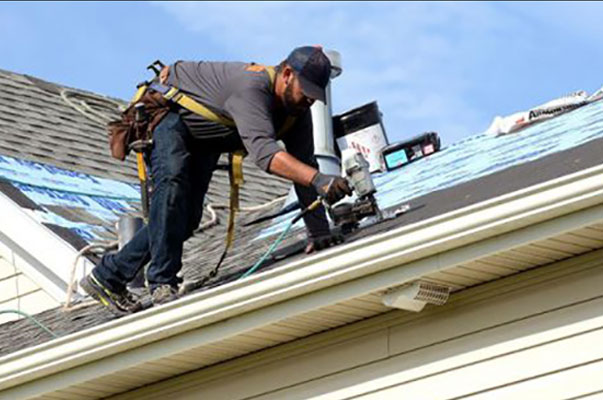
Protecting Your Investment: A Guide to Commercial Roofing in Meridian

Expert Roofing Solutions for Meridian & Treasure Valley Businesses

For any business or commercial property owner, the roof is a critical asset. It’s the first line of defense against the elements, safeguarding your inventory, equipment, employees, and customers. A compromised roof can lead to operational downtime, expensive interior damage, and safety hazards. Investing in a durable, well-maintained commercial roofing system isn’t just a building expense—it’s a vital business decision that protects your property’s value and ensures operational continuity. Here in Meridian and across the Treasure Valley, having a roof that can handle our unique climate is paramount.

Understanding Commercial Roofing Systems for Idaho

Commercial roofs are not one-size-fits-all. The right material depends on your building’s structure, budget, and the specific demands of the Idaho climate. Most commercial properties feature flat or low-slope roofs, which require specialized materials to ensure proper drainage and protection.

TPO (Thermoplastic Olefin)

A popular choice for its energy efficiency and cost-effectiveness, TPO is a single-ply membrane known for its durability and resistance to UV rays. Its reflective white surface helps keep buildings cooler during Idaho’s hot summers, potentially lowering energy bills.

EPDM (Ethylene Propylene Diene Monomer)

Often called a “rubber roof,” EPDM has a long-proven track record for durability and weather resistance. It’s known for its long lifespan, often lasting 25-35 years with proper maintenance, making it a reliable, long-term investment.

Metal Roofing

Valued for its exceptional longevity and strength, metal roofing is highly resistant to fire, wind, and impact. While it can be a higher initial investment, its lifespan can exceed 40-50 years, and its reflective properties offer excellent energy savings.

Key Signs Your Commercial Roof Needs Attention

Proactive maintenance starts with knowing what to look for. Catching minor issues early can prevent them from escalating into major, costly problems. If you notice any of the following signs, it’s time to schedule a professional roof inspection.

  • Interior Water Stains: Stains on ceilings or walls are a clear red flag that moisture has penetrated your roof’s membrane.
  • Ponding Water: Water that remains on a flat roof for more than 48 hours after rain indicates a drainage problem and can accelerate deterioration.
  • Visible Membrane Damage: Look for bubbles, blisters, cracks, or tears on the roof’s surface. These indicate trapped moisture or material aging.
  • Separated Seams or Flashing: The seams and metal flashing around vents and edges are common failure points. Gaps or separation can allow water to seep in.
  • Rising Energy Bills: A sudden, unexplained spike in heating or cooling costs could mean your roof’s insulation is compromised and no longer performing efficiently.

Did You Know?

A reflective “cool roof” can lower roof surface temperatures by up to 50°F, significantly reducing the energy needed to cool your building in the summer. Furthermore, the leading cause of premature roof failure is the lack of regular maintenance. Scheduling bi-annual inspections can extend the life of your commercial roof by years, protecting your investment and preventing disruptive repairs.

Navigating Commercial Roofing Projects & Insurance

Whether you need a targeted roof repair or a full replacement, having a clear process is essential. At Team Construction, we ensure a smooth, transparent experience from start to finish.

Step 1: Thorough Inspection and Assessment

Every project begins with a comprehensive evaluation of your current roofing system. Our experts identify all areas of concern, from obvious damage to subtle weaknesses that could become future problems. We provide a detailed report and a clear, honest estimate.

Step 2: Material Selection and Planning

We work with you to select the best roofing material for your building’s needs and your budget. We consider factors like foot traffic, building use, energy efficiency goals, and long-term performance to recommend the ideal solution.

Step 3: Managing Storm Damage and Insurance Claims

Idaho weather can be unpredictable, and strong storms can cause significant wind and hail damage. If your roof has been impacted by a storm, navigating the insurance process can be daunting. Our team specializes in insurance restoration and can guide you through every step. We document all damage meticulously and work directly with your insurance company to ensure your roof insurance claim is handled correctly and you receive the coverage you’re entitled to.

Step 4: Professional Installation and Lifetime Warranties

Our skilled installation crews adhere to the highest industry standards, ensuring your new roof is installed flawlessly. We stand behind our work with quality materials and lifetime warranties, giving you peace of mind that your investment is protected for decades to come.

The Meridian & Treasure Valley Advantage

As a local contractor, Team Construction understands the specific challenges that commercial roofs face in Meridian, Boise, and the surrounding Treasure Valley. Our climate features hot, dry summers with intense UV exposure, followed by cold winters with snow and ice. This cycle of expansion and contraction puts immense stress on roofing materials. We select and install systems designed to withstand these temperature swings and protect against potential hail and wind damage. When you need Meridian roofing experts who know the local conditions, you can trust our team to deliver a solution built to last.

Protect Your Commercial Property Today

Don’t wait for a small leak to become a major liability. A proactive approach to roof maintenance is the smartest investment you can make in your property. The experts at Team Construction are ready to provide a free, no-obligation inspection of your commercial roof.

Get Your Free Estimate

Frequently Asked Questions

How often should I have my commercial roof inspected?

We recommend a professional inspection at least twice a year—once in the spring and once in the fall—to prepare for and recover from harsh weather seasons. An inspection should also be scheduled immediately following any significant weather event, like a hailstorm.

What are the most energy-efficient roofing options for a business in Idaho?

Light-colored or reflective materials like white TPO and coated metal roofing are excellent choices for energy efficiency in Idaho. They reflect sunlight and reduce heat absorption, which can lower cooling costs during hot summers.

Can my business remain open during a roof replacement?

In most cases, yes. Our team works diligently to minimize disruption to your daily operations. We prioritize safety and create a detailed logistics plan to ensure your business can continue to operate safely while we work.

How does Team Construction assist with insurance claims for storm damage?

We provide comprehensive support by thoroughly documenting all storm-related damage, providing detailed estimates that meet insurance company requirements, and communicating with your adjuster to streamline the claims process. Our goal is to make a stressful situation as smooth as possible for you.

Glossary of Terms

TPO (Thermoplastic Olefin): A single-ply roofing membrane known for its white, reflective surface, which helps improve energy efficiency by reflecting UV rays.

EPDM (Ethylene Propylene Diene Monomer): A durable synthetic rubber roofing membrane commonly used on low-slope buildings, known for its long lifespan and weather resistance.

Flashing: Pieces of sheet metal or other waterproof material used to cover and protect joints on a roof, such as where a vent pipe meets the roof surface, to prevent water seepage.

Ponding Water: Areas of standing water on a roof that do not drain or evaporate within 48 hours. This can add significant weight and stress to a roof structure and accelerate material decay.

A Homeowner’s Guide to Navigating Roof Insurance Claims in Eagle, ID

Don’t Let Storm Damage Overwhelm You. Understand the Process and Protect Your Investment.

Here in Eagle and across the Treasure Valley, we’re no strangers to severe weather. A sudden hailstorm or powerful windstorm can leave a trail of destruction, with your home’s roof often taking the biggest hit. Discovering that your roof is damaged is stressful enough, but the process of filing an insurance claim can feel overwhelming and confusing. Many homeowners aren’t sure where to start, what to say to their insurance company, or how to ensure they receive a fair settlement.

This guide is here to help. At Team Construction, we don’t just repair and replace roofs; we help our neighbors navigate the complexities of the roof insurance claim process from start to finish. We believe an informed homeowner is an empowered one.

First, Identify the Damage (Safely!)

After a storm, your first priority is safety. Never climb onto a potentially damaged roof. Instead, walk around your property and look for these tell-tale signs of wind and hail damage from the ground.

Signs of Hail Damage

  • Dents on gutters, downspouts, and roof vents.
  • Bruises or dark spots on asphalt shingles.
  • Cracked or broken tiles or shingles.
  • An accumulation of shingle granules in your gutters.

Signs of Wind Damage

  • Missing shingles entirely from your roof.
  • Shingles that are curling, lifted, or creased.
  • Loose debris on or around your property.
  • Visible water leaks or stains on your interior ceilings.

The Step-by-Step Roof Insurance Claim Process

Following a structured approach is the key to a stress-free and successful claim. Here are the essential steps every Eagle homeowner should take.

Step 1: Document Everything Thoroughly

Before you make any calls, document the damage. Take clear, well-lit photos and videos of everything you identified during your ground inspection. Capture wide shots of the roof and close-ups of specific problem areas like dented gutters or missing shingles. Good documentation is one of the most critical factors for a successful claim. Note the date and time the storm occurred.

Step 2: Review Your Insurance Policy

Take a moment to review your homeowner’s insurance policy. Understand your coverage for “Acts of God,” such as wind and hail storms. Pay close attention to your deductible—this is the amount you’ll pay out-of-pocket before your coverage begins. Some policies have a separate, higher deductible for wind or hail damage.

Step 3: Get a Professional Roof Inspection

This is a crucial step. Before contacting your insurance company, have a reputable, local roofing contractor perform a full inspection. An experienced roofer can identify damage that is invisible from the ground and provide a detailed report and estimate. This gives you a professional assessment to compare with the insurance adjuster’s findings. Team Construction offers a complimentary roof inspection specifically for storm damage.

Step 4: File Your Claim Promptly

With your documentation and professional estimate in hand, contact your insurance provider to start the claim. You’ll be assigned a claim number and an adjuster. Be prepared to provide your policy number, a description of the damage, and the date of the storm. It’s important to act quickly, as most policies have a time limit for filing.

Step 5: Meet with the Adjuster

The insurance company will send an adjuster to inspect the damage. It is highly recommended to have your trusted roofing contractor present during this meeting. Your roofer can point out all the documented damage, ensuring nothing is overlooked and advocating on your behalf. They speak the same language as the adjuster and can help ensure a fair assessment.

Step 6: Complete Your Roof Repair or Replacement

Once your claim is approved, you will receive a settlement from the insurance company. You can then schedule the necessary roof repairs or replacement. Choose a contractor who uses quality materials and provides a solid warranty for their work.

Why a Local Eagle, ID Roofing Contractor Matters

When dealing with storm damage, it’s tempting to hire the first contractor who knocks on your door. However, choosing a local, established company like Team Construction offers significant advantages. We are deeply familiar with Eagle’s specific weather challenges and local building codes. Our reputation is built right here in the Treasure Valley, so your satisfaction is our top priority. We’re not just a company; we’re your neighbors.

As Eagle roofing contractors with extensive experience in insurance restoration, we understand the entire process. We know how to document damage correctly and communicate effectively with insurance carriers to ensure your claim is handled fairly and efficiently, from the initial inspection to the final repair.

Suspect Storm Damage? Don’t Wait.

Delaying roof repairs can lead to more extensive and costly problems down the road. Protect your home and get the peace of mind you deserve. Contact the experts at Team Construction today for a free, no-obligation roof inspection and insurance claim assistance.

Get a Free Estimate

Frequently Asked Questions

Will filing a claim for storm damage raise my insurance premium?

In most cases, claims for storm damage are considered “Acts of God” and should not result in an individual premium increase. However, widespread storm events in a region can sometimes lead to overall rate adjustments for everyone. It’s always best to check with your insurance provider for specifics.

What if my insurance claim is denied or the settlement is too low?

If your claim is denied or underpaid, you have the right to appeal the decision. This is where having a professional roofing contractor’s detailed report and estimate is invaluable. We can help you provide additional documentation to support a supplemental claim or appeal.

How long do I have to file a claim after a storm in Idaho?

Most insurance policies require that you file a claim within a specific timeframe, often up to one year from the date of the storm. However, it is always best to act as quickly as possible to prevent further damage to your home and to avoid potential claim denials due to delay.

Do I have to use the contractor my insurance company recommends?

No, you have the right to choose your own licensed and insured contractor. It’s your home, and you should be comfortable with the team performing the work. Choosing a local, trusted Boise roofing company ensures you have an advocate working for your best interests, not the insurance company’s.

Glossary of Terms

Adjuster

A professional sent by the insurance company to inspect property damage and determine the value of the loss.

Deductible

The amount of money you must pay out-of-pocket for a covered loss before your insurance policy’s coverage begins.

Depreciation

The decrease in a property’s value over time due to age and wear and tear. Insurance companies often factor this into a claim settlement.

Claim

A formal request made by a policyholder to an insurance company for coverage or compensation for a covered loss or policy event.