A Homeowner’s Guide to Navigating Roof Insurance Claims in Eagle, ID

Don’t Let Storm Damage Overwhelm You. Understand the Process and Protect Your Investment.

Here in Eagle and across the Treasure Valley, we’re no strangers to severe weather. A sudden hailstorm or powerful windstorm can leave a trail of destruction, with your home’s roof often taking the biggest hit. Discovering that your roof is damaged is stressful enough, but the process of filing an insurance claim can feel overwhelming and confusing. Many homeowners aren’t sure where to start, what to say to their insurance company, or how to ensure they receive a fair settlement.

This guide is here to help. At Team Construction, we don’t just repair and replace roofs; we help our neighbors navigate the complexities of the roof insurance claim process from start to finish. We believe an informed homeowner is an empowered one.

First, Identify the Damage (Safely!)

After a storm, your first priority is safety. Never climb onto a potentially damaged roof. Instead, walk around your property and look for these tell-tale signs of wind and hail damage from the ground.

Signs of Hail Damage

  • Dents on gutters, downspouts, and roof vents.
  • Bruises or dark spots on asphalt shingles.
  • Cracked or broken tiles or shingles.
  • An accumulation of shingle granules in your gutters.

Signs of Wind Damage

  • Missing shingles entirely from your roof.
  • Shingles that are curling, lifted, or creased.
  • Loose debris on or around your property.
  • Visible water leaks or stains on your interior ceilings.

The Step-by-Step Roof Insurance Claim Process

Following a structured approach is the key to a stress-free and successful claim. Here are the essential steps every Eagle homeowner should take.

Step 1: Document Everything Thoroughly

Before you make any calls, document the damage. Take clear, well-lit photos and videos of everything you identified during your ground inspection. Capture wide shots of the roof and close-ups of specific problem areas like dented gutters or missing shingles. Good documentation is one of the most critical factors for a successful claim. Note the date and time the storm occurred.

Step 2: Review Your Insurance Policy

Take a moment to review your homeowner’s insurance policy. Understand your coverage for “Acts of God,” such as wind and hail storms. Pay close attention to your deductible—this is the amount you’ll pay out-of-pocket before your coverage begins. Some policies have a separate, higher deductible for wind or hail damage.

Step 3: Get a Professional Roof Inspection

This is a crucial step. Before contacting your insurance company, have a reputable, local roofing contractor perform a full inspection. An experienced roofer can identify damage that is invisible from the ground and provide a detailed report and estimate. This gives you a professional assessment to compare with the insurance adjuster’s findings. Team Construction offers a complimentary roof inspection specifically for storm damage.

Step 4: File Your Claim Promptly

With your documentation and professional estimate in hand, contact your insurance provider to start the claim. You’ll be assigned a claim number and an adjuster. Be prepared to provide your policy number, a description of the damage, and the date of the storm. It’s important to act quickly, as most policies have a time limit for filing.

Step 5: Meet with the Adjuster

The insurance company will send an adjuster to inspect the damage. It is highly recommended to have your trusted roofing contractor present during this meeting. Your roofer can point out all the documented damage, ensuring nothing is overlooked and advocating on your behalf. They speak the same language as the adjuster and can help ensure a fair assessment.

Step 6: Complete Your Roof Repair or Replacement

Once your claim is approved, you will receive a settlement from the insurance company. You can then schedule the necessary roof repairs or replacement. Choose a contractor who uses quality materials and provides a solid warranty for their work.

Why a Local Eagle, ID Roofing Contractor Matters

When dealing with storm damage, it’s tempting to hire the first contractor who knocks on your door. However, choosing a local, established company like Team Construction offers significant advantages. We are deeply familiar with Eagle’s specific weather challenges and local building codes. Our reputation is built right here in the Treasure Valley, so your satisfaction is our top priority. We’re not just a company; we’re your neighbors.

As Eagle roofing contractors with extensive experience in insurance restoration, we understand the entire process. We know how to document damage correctly and communicate effectively with insurance carriers to ensure your claim is handled fairly and efficiently, from the initial inspection to the final repair.

Suspect Storm Damage? Don’t Wait.

Delaying roof repairs can lead to more extensive and costly problems down the road. Protect your home and get the peace of mind you deserve. Contact the experts at Team Construction today for a free, no-obligation roof inspection and insurance claim assistance.

Get a Free Estimate

Frequently Asked Questions

Will filing a claim for storm damage raise my insurance premium?

In most cases, claims for storm damage are considered “Acts of God” and should not result in an individual premium increase. However, widespread storm events in a region can sometimes lead to overall rate adjustments for everyone. It’s always best to check with your insurance provider for specifics.

What if my insurance claim is denied or the settlement is too low?

If your claim is denied or underpaid, you have the right to appeal the decision. This is where having a professional roofing contractor’s detailed report and estimate is invaluable. We can help you provide additional documentation to support a supplemental claim or appeal.

How long do I have to file a claim after a storm in Idaho?

Most insurance policies require that you file a claim within a specific timeframe, often up to one year from the date of the storm. However, it is always best to act as quickly as possible to prevent further damage to your home and to avoid potential claim denials due to delay.

Do I have to use the contractor my insurance company recommends?

No, you have the right to choose your own licensed and insured contractor. It’s your home, and you should be comfortable with the team performing the work. Choosing a local, trusted Boise roofing company ensures you have an advocate working for your best interests, not the insurance company’s.

Glossary of Terms

Adjuster

A professional sent by the insurance company to inspect property damage and determine the value of the loss.

Deductible

The amount of money you must pay out-of-pocket for a covered loss before your insurance policy’s coverage begins.

Depreciation

The decrease in a property’s value over time due to age and wear and tear. Insurance companies often factor this into a claim settlement.

Claim

A formal request made by a policyholder to an insurance company for coverage or compensation for a covered loss or policy event.
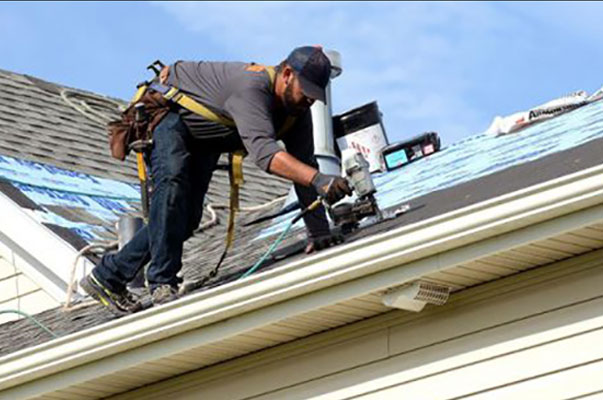
A Homeowner’s Guide to Navigating Roof Insurance Claims in Nampa

Don’t Let Storm Damage Overwhelm You.

When a severe storm rolls through Nampa, the last thing you want to worry about is a damaged roof and a complicated insurance process. High winds and hail can cause significant problems that aren’t always visible from the ground. Understanding how to properly handle a roof insurance claim is the key to a swift, successful restoration. This guide will walk you through the process, ensuring you have the knowledge to protect your property and get the compensation you deserve.

Your Step-by-Step Plan for a Stress-Free Claim

Step 1: Prioritize Safety & Document Everything

Your first priority after a storm is safety. Check for downed power lines, broken glass, and unstable structures before proceeding. Once the area is safe, document the damage thoroughly. Use your smartphone to take clear photos and videos of your roof from different angles, as well as any interior leaks, damaged shingles on the ground, or dented gutters and siding. This initial evidence is invaluable when you file your claim.

Step 2: Get a Professional Roof Inspection

Before you even contact your insurance provider, call a trusted local roofing contractor for a professional roof inspection. An experienced expert can identify all forms of damage, including subtle issues like granule loss, cracked shingles, and compromised flashing that an untrained eye might miss. This professional assessment provides you with a detailed report and an accurate repair estimate, giving you leverage and clarity when you speak with your insurer.

Step 3: Review Your Policy and File the Claim

Locate your homeowner’s insurance policy and review your coverage for storm, wind, and hail damage. Pay close attention to your deductible amount—this is the portion you’ll pay out-of-pocket. With your policy information and your contractor’s damage report in hand, contact your insurance company to officially file the claim. Provide them with the date of the storm and a clear description of the damages you’ve documented.

Step 4: Schedule the Adjuster’s Visit

Your insurance company will assign an adjuster to inspect your property and verify the damage. It is highly recommended to have your roofing contractor present during this visit. Your contractor can act as your advocate, pointing out all identified damage to ensure the adjuster’s assessment is comprehensive and fair. This collaborative approach helps prevent items from being overlooked and leads to a more accurate settlement.

Step 5: Understand the Settlement and Begin Repairs

Once your claim is approved, you will receive a settlement summary from your insurance company. This document will detail the scope of work and the funds being provided. Most policies provide Replacement Cost Value (RCV), but the initial check is often for the Actual Cash Value (ACV), with the remaining amount (depreciation) released after the work is completed. A reliable contractor like Team Construction can help you interpret this paperwork and schedule your roof repair or replacement promptly.

Did You Know?

  • Idaho is among the top states for hail damage claims, with hailstones often causing significant damage to roofs, siding, and windows in the Treasure Valley.

  • Most insurance policies have a time limit for filing a claim after a storm, often within one year. Waiting too long can jeopardize your ability to get coverage.

  • A professional roofer can often spot wind and hail damage that isn’t immediately obvious, such as weakened shingle seals or micro-fractures that can lead to major leaks later on.

Professional Inspection vs. DIY Assessment

Climbing on your roof after a storm can be dangerous and inefficient. Here’s why a professional assessment is always the better choice for your Nampa home.

Feature DIY Assessment Professional Inspection
Safety High risk of falls and injury, especially on a wet or damaged roof. Trained experts use proper safety equipment and protocols.
Accuracy Hidden damage like micro-fractures, granule loss, and lifted seals are easily missed. Comprehensive identification of all storm-related issues for a complete claim.
Documentation Basic photos may lack detail and context for an adjuster. Professional report with detailed photos, measurements, and repair scope.
Insurance Liaison You are on your own when negotiating with the insurance adjuster. Contractor can meet with the adjuster to ensure a fair and accurate assessment.

The Treasure Valley Advantage: Why Local Matters

After a major storm, out-of-state “storm chasers” often flood neighborhoods like Nampa, Meridian, and Eagle. While they promise quick fixes, they often deliver subpar work and disappear once they’re paid, leaving you with no warranty or recourse. Choosing a locally owned and operated contractor like Team Construction means you’re hiring a team that understands Nampa’s specific weather challenges and local building codes. We are your neighbors, committed to protecting our community’s properties with quality materials and expert workmanship. Whether you need a residential roof repair in Nampa or commercial services in a nearby city like Meridian, we’re here for the long haul.

Get Expert Help with Your Roof Insurance Claim

Don’t navigate the complex insurance process alone. The Team Construction experts are here to provide a FREE, no-obligation inspection and guide you from start to finish.

Schedule Your Free Inspection Today

Frequently Asked Questions

Will filing a claim increase my insurance premiums?

Typically, claims filed due to natural disasters or “Acts of God” like hailstorms do not result in a premium increase for an individual homeowner. However, rates may rise for an entire region that has experienced widespread storm damage.

What if my insurance claim is denied?

If your claim is denied, you have the right to appeal the decision. A reputable contractor can help by providing additional documentation, a second opinion on the damages, and evidence to support your case during the appeals process.

Can I choose my own roofing contractor?

Yes. You are never obligated to use a contractor recommended by your insurance company. You have the right to choose a licensed and insured contractor that you trust to perform the repairs on your property.

How long will the roof repair or replacement take?

The timeline depends on the extent of the damage, the size of your roof, and material availability. A typical residential roof replacement can often be completed in 1-3 days. Your contractor will provide a clear timeline before work begins.

Glossary of Insurance Terms

Deductible: The fixed amount you must pay out-of-pocket for a covered loss before your insurance benefits kick in.

Adjuster: An individual employed by an insurance company to investigate a claim and determine the extent of the company’s liability.

Actual Cash Value (ACV): The value of your damaged property minus depreciation due to age and wear. This is often the amount of the first insurance check.

Replacement Cost Value (RCV): The total cost to repair or replace your damaged property with new, similar materials, without deducting for depreciation.

Depreciation: The decrease in an asset’s value over time. In roofing claims, this is the amount held back by the insurer an paid out once repairs are complete and invoiced.

The Homeowner’s Guide to Choosing the Right Roofing Materials in Eagle, ID

Protecting Your Eagle Home: A Deep Dive into Residential Roofing Options

Your roof is your home’s first line of defense against the elements. Here in Eagle, Idaho, that means enduring everything from intense summer sun and high winds to heavy winter snowfall. Choosing the right residential roofing material is more than an aesthetic choice; it’s a critical investment in your property’s safety, longevity, and energy efficiency. A durable, well-installed roof protects your family, enhances curb appeal, and can even save you money on energy bills over time.

Navigating the world of roofing materials can feel overwhelming. With so many options available, how do you know which is best suited for the unique demands of the Treasure Valley climate? This guide will break down the most popular and effective roofing materials for Eagle homes, helping you make an informed decision that provides peace of mind for decades to come.

Decoding Eagle’s Climate: Why Your Roof Material Matters

The four distinct seasons in Eagle, ID, present unique challenges for any roofing system. A material that excels in one climate might falter in another. Here’s what your roof is up against:

  • Heavy Snowfall: Winter brings significant snow accumulation, which adds immense weight to your roof. Materials must be strong enough to handle this load and installed to prevent ice dams—ridges of ice at the roof’s edge that stop melting snow from draining properly.
  • Intense Sun & UV Rays: Our sunny summers expose roofing materials to harsh ultraviolet radiation, which can cause materials like asphalt to degrade, crack, and lose their protective qualities over time.
  • Wind & Hail Events: The Treasure Valley is no stranger to strong winds and seasonal hailstorms. A damaged roof from a storm requires materials with high impact resistance and superior wind uplift ratings to keep shingles in place and prevent water intrusion.

Comparing Top Residential Roofing Materials for Idaho Homes

Asphalt Shingles

Asphalt shingles are the most popular roofing choice in North America, and for good reason. They offer a fantastic balance of affordability, durability, and versatility. Modern architectural shingles are thick, provide a rich, textured appearance, and offer greater resistance to wind and hail than older 3-tab styles. They come in a vast array of colors to match any home aesthetic, making them a reliable and cost-effective solution for most Boise and Eagle area homes.

Metal Roofing

Once reserved for commercial buildings or barns, metal roofing has surged in popularity for residential properties. It is exceptionally durable, with a lifespan of 50 years or more. Metal roofs excel at shedding snow, are fire-resistant, and reflect solar heat, which can help lower your cooling costs during hot Idaho summers. While the initial investment is higher than asphalt, the longevity and low maintenance often make it a wise long-term financial decision.

Tile & Slate Roofing

For homeowners seeking premium aesthetics and unparalleled durability, tile or slate roofing is an excellent choice. These materials are incredibly long-lasting (often over 100 years), impervious to rot and fire, and offer a timeless, elegant look. However, they are significantly heavier and more expensive than other options. Your home’s structure must be professionally evaluated to ensure it can support the additional weight before considering a tile or slate roof installation.

At-a-Glance: Roofing Material Comparison

Material Average Lifespan Cost Key Pros Key Cons
Architectural Asphalt 25-30 Years $$ Affordable, Versatile, Good Durability Susceptible to storm damage, Shorter lifespan
Metal (Steel, Aluminum) 50+ Years $$$ Very Durable, Fire Resistant, Energy Efficient Higher initial cost, Can be noisy in rain
Tile / Slate 100+ Years $$$$ Extreme Longevity, High-End Look, Fireproof Very heavy, High cost, Brittle

Did You Know?

A new roof is one of the best home improvement projects for return on investment. According to remodeling reports, homeowners can often recoup a significant portion of the cost of a new roof at resale. Not only does it protect your home, but it substantially boosts its curb appeal and value in the competitive Eagle, ID, real estate market.

Beyond the Material: Factors for a Successful Roof Installation

Choosing the right material is only half the battle. A successful, long-lasting roof depends heavily on expert installation and a comprehensive system approach.

The Critical Role of Professional Installation

Even the highest-quality materials will fail if not installed correctly. Proper installation ensures that shingles are correctly fastened, flashing is seamlessly integrated, and ventilation is adequate to prevent moisture buildup and ice dams. A trusted Boise construction company like Team Construction has the experience and training to ensure every component of your roofing system works together perfectly.

Understanding Your Warranty

Your new roof should come with two types of warranties: a manufacturer’s warranty covering the materials against defects, and a workmanship warranty from the contractor covering the installation. Be sure you understand the terms, duration, and what is required to keep them valid.

Start with a Thorough Roof Inspection

Before any work begins, a comprehensive roof inspection can identify underlying issues like damaged decking or poor ventilation. This ensures that your new roof is built on a solid foundation and prevents costly surprises down the road.

Ready to Find the Perfect Roof for Your Eagle Home?

Don’t leave the protection of your most valuable asset to chance. The experts at Team Construction are here to help you navigate your options and choose the best roofing solution for your needs and budget. As a locally owned and operated business, we are dedicated to serving our neighbors in Eagle with quality workmanship and unparalleled customer service.

Get Your Free Estimate

Frequently Asked Questions

How long does a new roof last in Idaho?

The lifespan of a roof in Idaho depends heavily on the material. Architectural asphalt shingles typically last 25-30 years, while a professionally installed metal roof can last 50 years or more. Regular maintenance and inspections can help maximize any roof’s lifespan.

How do I know if I need a roof repair or a full replacement?

The decision depends on the age of your roof and the extent of the damage. A few missing shingles or a small leak may only require a simple repair. However, if your roof is over 20 years old, has widespread granule loss, or shows signs of extensive water damage, a full replacement is often the more cost-effective solution in the long run.

Do you help with insurance claims for storm damage?

Absolutely. At Team Construction, we specialize in storm damage restoration and insurance claims. We can document damage, provide detailed estimates, and work directly with your insurance adjuster to ensure your roof insurance claim process is as smooth and stress-free as possible.

What is the best time of year to replace a roof in Eagle?

Late spring, summer, and early fall are generally the ideal times for roof replacement in Eagle, as the weather is typically dry and mild. However, our team is equipped to handle emergency repairs and replacements year-round when necessary.