Signs Your Meridian Roof Needs Repair: A Homeowner’s Guide

Don’t Wait for a Drip: Identifying Early Warnings of Roof Damage

For homeowners in Meridian, Idaho, a sturdy roof is the first line of defense against our region’s distinct seasons. From summer sun and thunderstorms to winter snow and ice, your roof endures a lot. Often, by the time you notice a leak, the underlying damage is already significant and costly. Recognizing the subtle, early signs of trouble can save you from expensive repairs, interior water damage, and immense stress. This guide will walk you through the key indicators that it’s time to call in a professional for a roof inspection and potential repairs, protecting your biggest investment—your home.

Common Signs of Roof Trouble You Can Spot from the Ground

You don’t need to be a roofing expert to spot potential problems. A simple visual inspection from your yard can reveal clues that your roof requires attention. Performing this check twice a year and after any significant weather event is a proactive step in home maintenance.

Visible Shingle Damage

Asphalt shingles are designed to be tough, but they aren’t invincible. Look for shingles that are cracked, curled at the edges, or buckling. These are signs that the shingles are reaching the end of their lifespan or have been damaged by heat and sun exposure. Also, check for any missing shingles, which can leave your roof’s underlayment exposed to the elements. This is a common issue after high winds sweep through the Treasure Valley and requires immediate attention to prevent water infiltration.

Granules in Your Gutters

Those sand-like particles you find in your gutters and downspouts are granules from your asphalt shingles. Their purpose is to protect the shingle from UV rays and add fire resistance. While some granule loss is normal over time, finding large amounts is a red flag. It indicates your shingles are aging and becoming less effective, making them brittle and susceptible to further damage.

Dark Streaks or Moss Growth

Do you see dark, algae-like streaks on your roof? This is often Gloeocapsa magma, an algae that feeds on the limestone filler in shingles. While primarily a cosmetic issue, it can, over time, degrade the shingles. More concerning is the growth of moss. Moss traps moisture against the roof surface, which can lead to rot and deterioration, especially during our wet spring and fall seasons.

Interior Clues: What to Look for Inside Your Home

Sometimes, the most compelling evidence of a roofing problem is found inside your house. These signs often point to a leak that has already breached your roof’s outer defenses.

Water Stains on Ceilings or Walls

Discolored patches—often yellowish or brownish—on your ceiling are a classic sign of a roof leak. These stains can appear far from the actual source of the leak, as water can travel along rafters and decking before finding a spot to drip through. If you see these stains, it’s crucial to schedule a professional roof inspection as soon as possible.

Sagging Roof Deck

From your attic, look up at the roof decking (the plywood layer your shingles are attached to). If you see any sagging or drooping, it’s a serious issue. This is typically caused by trapped moisture that has rotted the wood, compromising the structural integrity of your roof. This is a problem that needs immediate roof repair in the Boise area to prevent a potential collapse.

Daylight Through the Roof Boards

When you’re in your attic during the day, turn off the lights. If you can see slivers of daylight coming through the roof, it’s a clear sign you have holes that will let in rain, snow, and cold air. This is an urgent repair situation.

The Meridian Factor: Local Weather and Your Roof

Living in Meridian means dealing with specific weather patterns that impact your roof’s health. Understanding these local challenges helps you know what to look for.

  • Wind and Hail Damage: The Treasure Valley is no stranger to intense thunderstorms, which can bring high winds and hail. Wind can lift and remove shingles, while hail can create dents and cracks, compromising the shingle’s protective layer. After a storm, it’s wise to get a professional evaluation for wind and hail damage.
  • Snow and Ice Dams: Heavy winter snow can lead to ice dams—ridges of ice that form at the edge of a roof, preventing melting snow from draining. The backed-up water can seep under your shingles and into your home. Proper attic insulation and ventilation are key preventative measures.
  • Sun Exposure: The intense summer sun can bake shingles, causing the protective oils to dry out. This leads to brittleness, cracking, and a shortened lifespan for your roof.

For homeowners in Meridian and surrounding communities like Eagle, staying vigilant about these local factors is key to maintaining a healthy roof.

Protect Your Home with Expert Roof Repair

Don’t let a small issue become a major problem. If you’ve noticed any of these signs, get a professional, no-obligation inspection from Team Construction. We’re your trusted Meridian roofing experts, dedicated to quality workmanship and honest assessments.

Get Your Free Estimate

Frequently Asked Questions

How often should I have my roof inspected?

We recommend a professional roof inspection at least once every two years, and always after a major storm involving high winds or hail. Regular inspections can catch minor issues before they escalate.

Can I just repair a few damaged shingles myself?

While it might seem like a simple fix, DIY roof repairs can be dangerous and often ineffective. It’s easy to damage surrounding shingles or fail to address underlying issues like damaged flashing or underlayment. A professional ensures the repair is done safely and correctly, preserving your roof’s warranty.

My roof isn’t very old, but I see signs of damage. Why?

Premature roof aging can be caused by several factors, including improper installation, poor attic ventilation, or severe weather events. Even newer roofs can suffer from storm damage, which is why a post-storm inspection is so important.

How does the insurance claims process work for roof damage?

After a storm, a professional contractor should first inspect and document the damage. If a repair or replacement is warranted, you would file a claim with your insurer. At Team Construction, we specialize in helping homeowners navigate roof insurance claims, working directly with your insurance company to ensure the process is smooth and stress-free.

Glossary of Roofing Terms

  • Decking: The wooden boards (usually plywood or OSB) that make up the structural foundation of your roof, to which the underlayment and shingles are attached.
  • Flashing: Pieces of metal or other impervious material installed to prevent the passage of water into a structure from a joint or as part of a weather-resistant barrier system. It’s typically found around chimneys, vents, and valleys.
  • Granules: The ceramic-coated particles on the surface of asphalt shingles that protect them from UV rays and provide fire resistance.
  • Ice Dam: A ridge of ice that forms at the edge of a roof and prevents melting snow (water) from draining off the roof.
  • Underlayment: A layer of water-resistant material placed between the roof deck and the shingles to provide an additional layer of protection from moisture.
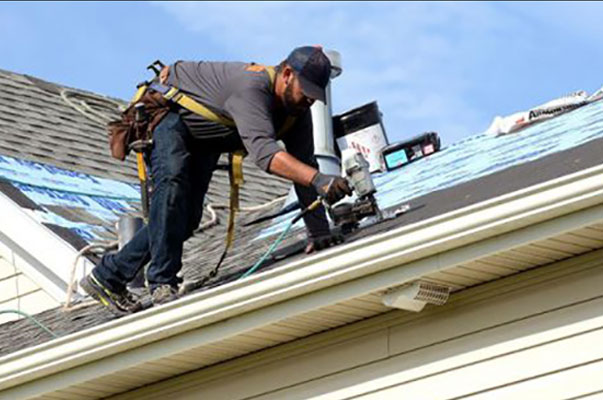
Your Guide to Choosing the Best Boise Roofing Contractor

Finding a Local Expert You Can Trust for Your Home or Business

A sturdy, reliable roof is your property’s first line of defense against the unique weather challenges of the Treasure Valley. From heavy snowfall in the winter to intense summer sun and unexpected hailstorms, your roof endures a lot. When it’s time for a repair or a full replacement, choosing the right Boise roofing contractor is the most important decision you’ll make. The quality of their workmanship can mean the difference between decades of security and years of costly problems. This guide will walk you through the essential factors to consider when hiring a roofing professional in Boise, ensuring you partner with a team that delivers quality, value, and peace of mind.

Key Qualities of a Top-Tier Boise Roofing Company

Licensing, Insurance, and Local Credentials

First and foremost, never hire a contractor who isn’t properly licensed and insured in Idaho. A valid license demonstrates that they meet state requirements for competency and accountability. More importantly, comprehensive insurance—including liability and workers’ compensation—protects you from any financial responsibility in the event of accidents or property damage during the project. A reputable Idaho roofing contractor will happily provide proof of their credentials upon request.

Proven Experience with Local Climate

Boise’s four-season climate presents specific challenges for roofing systems. An experienced local contractor understands how to properly install and repair roofs to withstand heavy snow loads, ice dams, high winds, and hail. They will recommend materials and techniques best suited for our area. Whether you need residential roofing for your home or services for a commercial property, local experience is non-negotiable.

Handling Insurance Restoration Flawlessly

Severe weather is a reality in Idaho. When your property suffers storm damage, navigating the insurance claims process can be overwhelming. A top-tier contractor specializes in insurance restoration. They provide thorough inspections, detailed documentation of damage, and can work directly with your insurance company to ensure your claim is handled correctly and you receive fair compensation for all necessary repairs. This expertise is invaluable after a storm.

Commitment to Quality Materials and Warranties

The longevity of your roof depends just as much on the materials used as the quality of the installation. Ask potential contractors about the brands they use and the warranties they offer. A confident contractor will stand behind their work with robust labor warranties, in addition to the manufacturer’s warranty on materials. This dual protection ensures your investment is secure for years to come.

Protecting Your Boise Property from Wind and Hail Damage

The Treasure Valley is no stranger to sudden, severe storms that can bring high winds and damaging hail. These weather events can cause significant harm to your roof, often in ways that aren’t immediately visible from the ground. Missing shingles, dented flashing, and granule loss on asphalt shingles are common signs of wind and hail damage. If left unaddressed, this damage can lead to leaks, water damage, and structural issues.

After a major storm, it’s crucial to schedule a professional roof inspection. A qualified Boise contractor can safely assess the condition of your roof, identify any problems, and recommend the best course of action. Acting quickly can prevent minor issues from becoming major, expensive repairs.

Checklist: Questions to Ask Your Potential Roofing Contractor

Question Category What to Ask
Business & Credentials Are you licensed to work in Boise/Idaho? Can I see your proof of liability and workers’ compensation insurance?
Experience & Reputation How long has your company been serving the Treasure Valley? Can you provide local references or show me examples of your work?
Project Details Will you provide a detailed, written estimate? Who will be the project manager, and how will we communicate? What is the estimated timeline?
Insurance Claims Do you have experience with roof insurance claims? Can you assist me through the process?
Warranties & Protection What kind of warranty do you offer on your workmanship? What are the manufacturer warranties on the materials you use?

Did You Know?

Proper attic ventilation is just as critical to your roof’s lifespan as the shingles themselves. Good airflow helps regulate temperature and moisture in your attic, preventing ice dams in the winter and reducing cooling costs in the summer. An expert Boise roofing contractor will always assess your ventilation during an inspection.

Ready to Work with Boise’s Trusted Roofing Professionals?

Don’t leave the safety of your property to chance. Team Construction is a locally owned and operated contractor dedicated to providing exceptional service and quality workmanship to the Boise community. From minor repairs to full replacements and complex insurance claims, we’re here to help.

Get Your Free Estimate Today

Frequently Asked Questions

How often should I have my roof inspected in Boise?

It’s a good practice to have your roof professionally inspected at least once every two years. However, you should always schedule an inspection after any major weather event, such as a severe hailstorm or high winds, to check for hidden damage.

What are the signs that my roof needs to be replaced?

Common signs include widespread cracked, curling, or missing shingles; significant granule loss (look for shingle granules in your gutters); sagging areas on the roof deck; and any signs of water leaks or stains on your ceilings. If your roof is over 20 years old, it’s wise to start planning for a replacement.

Can you help with commercial roofing projects in Boise?

Yes. An experienced, full-service contractor should be equipped to handle both residential and commercial roofing projects. Commercial roofs often have different materials and structural requirements, so it’s important to hire a team with specific expertise in that area.

What should I do if I suspect storm damage to my roof?

Your first step should be to call a reputable local roofing contractor for a professional inspection. Avoid climbing on the roof yourself. The contractor will assess the damage and provide the necessary documentation for you to contact your insurance company and begin the claims process.

The Ultimate Guide to Commercial Roofing for Nampa Businesses

Protecting Your Investment: What Every Nampa Property Manager Needs to Know About Commercial Roofs

For any business in Nampa, Idaho, the roof over your head is more than just a shelter—it’s the first line of defense protecting your assets, employees, and operations. A robust, well-maintained commercial roof is a critical component of your building’s structural integrity and financial health. In the Treasure Valley, where we experience hot, sun-drenched summers and cold, snowy winters, the demands placed on a commercial roofing system are significant. Understanding your options and the importance of proactive maintenance can save you from costly disruptions and unexpected repairs down the line. Whether you’re managing a retail space, an industrial warehouse, or an office building, investing in the right roofing solution is crucial for long-term success.

Understanding Commercial Roofing Systems for the Idaho Climate

Choosing the right material is the most important decision for ensuring the longevity and performance of your commercial roof. The best choice depends on your building’s design, budget, and the specific environmental challenges in Nampa. Here are some of the top-performing materials suited for our local climate:

TPO (Thermoplastic Polyolefin)

A top choice for flat or low-slope roofs, TPO is a single-ply membrane known for its energy efficiency and durability. Its white, reflective surface helps reduce heat absorption during intense Idaho summers, leading to lower cooling costs. TPO roofs are also resistant to punctures, UV damage, and chemical exposure, making them a versatile and cost-effective solution for many Nampa businesses.

Metal Roofing

Metal roofing is the gold standard for durability and longevity, often lasting 40-70 years. Ideal for both low and steep-slope designs, metal systems can withstand heavy snow loads, high winds, and fire. Their ability to shed snow easily helps prevent the formation of ice dams, a common issue in Idaho winters. While the initial investment is higher, the long lifespan and minimal maintenance offer excellent long-term value.

EPDM (Rubber Roofing)

EPDM, a type of synthetic rubber, is another excellent option for low-slope commercial roofs. It is highly durable, flexible, and performs well in cold temperatures, resisting cracks and weathering. With a lifespan of 25-30 years, EPDM is a time-tested and cost-effective solution that provides reliable, long-term protection against the elements in the Treasure Valley.

Team Construction offers expert commercial roofing Idaho services and can help you select the perfect material for your property’s specific needs.

Proactive Care: Why Regular Commercial Roof Inspections are Non-Negotiable

The secret to maximizing your roof’s lifespan is not just quality installation—it’s consistent, proactive maintenance. Waiting for a leak to appear is a reactive approach that often leads to more extensive and expensive damage. Regular inspections, especially after major weather events, are crucial for catching minor issues before they escalate. A professional inspection can identify potential vulnerabilities that are invisible from the ground.

Key Areas Covered in a Professional Roof Inspection:

  • Examining flashing around vents, skylights, and HVAC units for cracks or gaps.
  • Checking for blisters, cracks, or punctures in the roof membrane.
  • Ensuring drains and gutters are clear of debris to prevent water pooling.
  • Assessing seams and seals for any signs of separation or deterioration.

After a significant storm, scheduling an inspection for wind and hail damage is vital to protecting your investment and addressing any potential issues covered by your insurance.

Did You Know?

A reflective “cool roof” can lower a commercial building’s surface temperature by up to 50°F, significantly reducing cooling costs during Nampa’s hot summers.

Most commercial roof leaks—over 90%—occur at points of penetration like vents, pipes, and flashing, not in the open field of the roof.

A professionally maintained commercial roof can often outlast its manufacturer’s warranty by several years, providing an even greater return on investment.

Commercial Roofing Materials at a Glance

Material Average Lifespan Best For Key Benefit
TPO 20-30 years Low-Slope/Flat Roofs Energy Efficiency
Metal 40-70 years Low & Steep Slopes Extreme Durability
EPDM 25-30 years Low-Slope/Flat Roofs Flexibility & Weather Resistance
Modified Bitumen 20-30 years High-Traffic Flat Roofs Puncture Resistance

Ready to Secure Your Nampa Business?

Your commercial roof is a significant asset. Ensuring it’s in optimal condition protects your business, enhances property value, and provides peace of mind. Whether you need a thorough inspection, routine maintenance, a critical repair, or a full roof replacement, the experts at Team Construction are here to help. We are a locally owned and operated contractor dedicated to providing Nampa and the Treasure Valley with quality workmanship and reliable service.

Frequently Asked Questions About Commercial Roofing in Nampa

How often should I have my commercial roof inspected?

It’s recommended to have your roof professionally inspected at least twice a year, typically in the spring and fall, to prepare for summer heat and winter snow. Additionally, an inspection is crucial after any severe weather event, like a hailstorm or high winds.

What is the average lifespan of a commercial roof?

The lifespan varies significantly by material. A TPO or EPDM roof might last 20-30 years, while a well-maintained metal roof can last 50 years or longer. Regular maintenance is key to reaching and exceeding these averages.

Can my commercial roof be repaired, or does it need to be replaced?

This depends on the age of the roof and the extent of the damage. Minor issues like small punctures or failing flashing can often be repaired. However, if the damage is widespread or the roof is nearing the end of its service life, a replacement is usually the more cost-effective long-term solution.

Do you help with insurance claims for storm damage?

Yes, we do. At Team Construction, we have extensive experience working with insurance companies. We can guide you through the entire process, from damage assessment to filing the paperwork, to make handling roof insurance claims as smooth as possible.

What areas do you serve besides Nampa?

We proudly serve the entire Treasure Valley, including Boise, Meridian, Eagle, and surrounding communities. As a local business, we understand the unique needs of property owners in our region.

Glossary of Terms

Flashing
Pieces of metal or other material used to prevent water from seeping into a roof system at joints, such as around vents, chimneys, and edges.
TPO (Thermoplastic Polyolefin)
A single-ply reflective roofing membrane made from a blend of polypropylene and ethylene-propylene rubber, known for its energy efficiency.
EPDM (Ethylene Propylene Diene Monomer)
A durable synthetic rubber roofing membrane widely used in low-slope applications.
Low-Slope Roof
A roof with a minimal pitch, often referred to as a “flat roof.” These roofs require specific materials to ensure proper water drainage and prevent pooling.