A Business Owner’s Guide to Commercial Roofing in Meridian

Protecting Your Investment from the Top Down

For any business in Meridian, the roof over your head is more than just a structure; it’s the primary shield protecting your assets, employees, and operations. A durable, well-maintained commercial roof is essential for longevity and preventing costly disruptions. Understanding the nuances of commercial roofing materials, recognizing potential problems, and establishing a proactive maintenance plan are critical for any property manager or business owner. This guide will walk you through the key aspects of commercial roofing to help you make informed decisions and safeguard your investment.

Understanding Commercial Roofing Systems

Unlike residential roofing, commercial systems are often characterized by their large, flat, or low-slope designs. This unique structure requires specific materials and maintenance approaches. The right choice depends on your building’s architecture, budget, and the local Meridian climate. Here are some of the most common types of commercial roofing systems:

TPO (Thermoplastic Polyolefin)

A popular choice for its energy efficiency and durability, TPO is a single-ply membrane known for reflecting UV rays, which helps reduce cooling costs. It’s a cost-effective and flexible material, making it a versatile option for various commercial buildings.

EPDM (Ethylene Propylene Diene Monomer)

Commonly known as rubber roofing, EPDM is a durable synthetic material praised for its long lifespan, often lasting between 25 and 50 years with proper care. It is relatively easy to install and maintain, making it one of the most cost-effective options available.

Metal Roofing

Valued for its exceptional longevity and resistance to extreme weather, metal roofing can last 40 to 70 years. Materials like steel, aluminum, and copper offer superior durability and are highly recyclable, presenting an environmentally friendly choice. If you’re considering a robust solution for your business, exploring commercial roofing options can provide valuable insights.

Common Issues Faced by Commercial Roofs

Due to their design and exposure, commercial roofs are susceptible to specific problems. Early detection through regular inspections is key to preventing minor issues from escalating into major expenses that could disrupt your business.

Roof Leaks and Moisture

Leaks are one of the most frequent and damaging issues for commercial roofs. They can stem from membrane damage, failing flashing around vents and HVAC units, or poor installation. If left unaddressed, even a small leak can lead to significant interior water damage, mold growth, and compromised structural integrity.

Ponding Water

Flat or low-slope roofs can sometimes accumulate standing water, a phenomenon known as ponding. This is often caused by clogged drains, improper slope, or structural sagging. Ponding water adds significant weight to the roof and accelerates the deterioration of roofing materials, eventually leading to leaks.

Membrane Damage

The roof’s membrane can be damaged by various factors, including UV radiation, harsh weather, and foot traffic from maintenance personnel. Punctures, blisters, or cracks in the membrane compromise its protective barrier, creating entry points for water.

Wind and Hail Damage

Meridian’s weather can be unpredictable. Strong winds can lift the edges of roofing material, while hail can cause punctures and significant damage. After a storm, it’s crucial to schedule a professional inspection for wind and hail damage to assess the condition of your roof.

Proactive Maintenance: Your First Line of Defense

A proactive maintenance plan is the most effective way to extend the life of your commercial roof and prevent costly repairs. Regular inspections, ideally twice a year in the spring and fall, can help you catch problems early.

Your Commercial Roof Maintenance Checklist:

  • Clear Debris: Remove leaves, branches, and any other debris from the roof surface, gutters, and drains to ensure proper water flow.
  • Inspect Flashing: Check the seals around vents, pipes, skylights, and HVAC units for any signs of cracking, peeling, or damage.
  • Examine the Surface: Look for any punctures, cracks, blisters, or tears in the roof membrane.
  • Check for Ponding Water: After rainfall, check for areas of standing water and ensure drainage systems are functioning correctly.
  • Secure Rooftop Equipment: Ensure all rooftop machinery, like HVAC units, is securely fastened.

For businesses in Meridian, local expertise matters. A qualified Meridian roofing contractor understands the specific challenges posed by Idaho’s climate and can provide tailored maintenance and repair solutions.

Comparing Commercial Roofing Materials

Material Average Lifespan Key Advantages
TPO 20-30 Years Energy efficient, resistant to punctures, affordable.
EPDM 25-50 Years Highly durable, cost-effective, easy to repair.
PVC 20-30+ Years Resistant to fire, chemicals, and wind; durable seams.
Metal 40-70 Years Very long lifespan, high weather resistance, recyclable.

The Local Angle: Commercial Roofing in Meridian, ID

Businesses in Meridian and the greater Treasure Valley face a unique set of weather challenges, from hot, sunny summers to cold winters with snowfall. This climate variation puts significant stress on roofing materials, causing expansion and contraction that can lead to wear and tear. A local roofing expert like Team Construction understands these specific conditions. We can recommend materials and installation techniques best suited to withstand Idaho’s four distinct seasons, ensuring your commercial property is protected year-round. Whether you need a simple roof repair or a full replacement, local knowledge is invaluable.

Protect Your Business with a Professional Roof Inspection

Don’t wait for a small leak to become a major disaster. A proactive approach to your commercial roofing is the smartest investment you can make in your property. The experts at Team Construction are here to provide comprehensive inspections, reliable repairs, and full roof replacements for businesses across Meridian and the Treasure Valley.

Get Your Free Estimate Today

Frequently Asked Questions (FAQ)

How often should I have my commercial roof inspected?

It is recommended to have your commercial roof professionally inspected at least twice a year, typically in the spring and fall. Additional inspections are wise after severe weather events like hailstorms or high winds.

What are the signs of a commercial roof problem?

Common signs include visible water stains on ceilings or walls, ponding water on the roof, cracked or bubbling areas on the roof surface, and loose flashing around roof penetrations. If you notice any of these, it’s time to call a professional.

Can my commercial roof be repaired, or does it need to be replaced?

The answer depends on the age of the roof and the extent of the damage. Minor issues like small punctures or failing flashing can often be repaired. However, if the damage is widespread or the roof is nearing the end of its lifespan, a replacement might be more cost-effective in the long run. A professional assessment is the best way to determine the right course of action.

Do you help with insurance claims for storm damage?

Yes, we do. At Team Construction, we have extensive experience assisting businesses with roof insurance claims. We can document the damage, meet with your insurance adjuster, and ensure the process is as smooth as possible to get your business back to normal quickly.
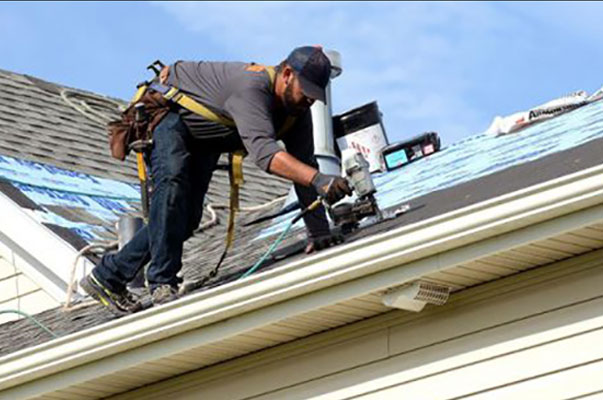
A Property Manager’s Guide to Commercial Roofing in Eagle, ID

Protecting Your Investment from the Top Down

For commercial property managers and business owners in Eagle and the Treasure Valley, the roof over your head is more than just a structure—it’s the primary shield protecting your assets, inventory, and operations. A durable, well-maintained roof is critical for business continuity. Understanding the nuances of different commercial roofing systems, recognizing early signs of failure, and knowing when to call a professional can save you from costly disruptions, extensive property damage, and complex insurance claims. This guide breaks down the essential aspects of commercial roofing to help you make informed decisions for your property.

Key Differences Between Commercial and Residential Roofing

While both types of roofs serve the same fundamental purpose, their design, materials, and maintenance requirements differ significantly. Residential roofs are typically steep-sloped to shed water quickly. In contrast, most commercial buildings feature low-slope or flat roofs. This design maximizes space for HVAC units, vents, and other equipment but requires a different approach to water drainage and weather resistance.

Materials used for commercial systems are engineered for vast surface areas and long-term durability against ponding water, UV radiation, and foot traffic. Unlike the shingles on your home, a commercial roof is a complex system of membranes, insulation, and flashing designed to work together as a single, waterproof barrier. This complexity demands specialized expertise for installation and roof repair.

Common Commercial Roofing Systems in Idaho

Choosing the right roofing system depends on your building’s structure, budget, and local climate. Here are some of the most prevalent options for businesses in our region:

TPO (Thermoplastic Olefin)

A popular choice for its energy efficiency and durability. TPO is a single-ply membrane known for its heat-reflective surface, which helps lower cooling costs during hot Idaho summers. It’s resistant to punctures, tears, and chemical exposure, making it a versatile and cost-effective solution.

EPDM (Ethylene Propylene Diene Monomer)

Often referred to as a “rubber roof,” EPDM is a synthetic rubber membrane highly regarded for its longevity and resilience. It performs exceptionally well in cold weather, resisting hail and temperature fluctuations without becoming brittle. Its dark color can also help melt snow in the winter.

PVC (Polyvinyl Chloride)

PVC roofing is another excellent single-ply membrane, valued for its strength and resistance to fire, chemicals, and grease. The seams are heat-welded to form a monolithic, watertight sheet, making it ideal for restaurants or manufacturing facilities where vents might expel oils or other reactive substances.

Metal Roofing

While often associated with sloped roofs, standing-seam metal systems are also a premium choice for low-slope commercial applications. They offer exceptional longevity (50+ years), superior resistance to wind and hail damage, and a modern aesthetic. Though the initial investment is higher, their lifecycle cost is often lower due to minimal maintenance.

Identifying Potential Problems: A Proactive Approach

Regular inspections are the cornerstone of effective commercial roof management. Proactively identifying minor issues can prevent them from escalating into major liabilities. As a property manager, you should watch for:

  • Ponding Water: Water that remains on the roof for more than 48 hours after rainfall indicates a drainage problem that can accelerate material degradation.
  • Blisters or Bubbles: These formations in the roof membrane are often caused by trapped moisture or air, which can compromise the roof’s integrity.
  • Damaged Flashing: The metal seals around vents, skylights, and HVAC units are common failure points. Look for gaps, rust, or sealant deterioration.
  • Visible Seam Gaps: On membrane roofs, seams are the most vulnerable areas. Any lifting or separation requires immediate attention.
  • Interior Water Stains: The most obvious sign of a leak. By the time you see stains on the ceiling, the damage to insulation and decking could already be significant.

If you spot any of these signs, scheduling a professional roof inspection is critical to assess the extent of the damage and formulate a repair plan.

The Local Factor: Commercial Roofing in Eagle, ID

Businesses in Eagle face Idaho’s distinct four-season climate, from intense summer sun and heat to heavy snowfall and freezing temperatures in winter. This rapid thermal cycling puts immense stress on roofing materials. Furthermore, our region is prone to sudden, severe thunderstorms that bring high winds and hail, posing a direct threat to your property.

Working with a local Eagle roofing contractor who understands these specific challenges is a major advantage. At Team Construction, we have years of experience installing and maintaining commercial roofs across the Treasure Valley. We know which materials perform best against our local weather patterns and are adept at handling storm damage assessments and navigating roof insurance claims to ensure your business is protected and your restoration is seamless.

Protect Your Business with a Professional Roof Inspection

Don’t wait for a small leak to become a major disaster. The experts at Team Construction provide comprehensive commercial roof inspections to identify potential issues before they impact your operations. Let our team give you the peace of mind that your investment is secure.

Request Your Free Estimate

Frequently Asked Questions (FAQ)

How often should I have my commercial roof inspected?

We recommend professional inspections at least twice a year—once in the spring to assess any winter damage and once in the fall to prepare for the coming cold. It’s also crucial to get an inspection immediately after any severe weather event, such as a major hailstorm or high winds.

Can my existing commercial roof be repaired, or does it need to be replaced?

This depends on the age of the roof, the extent of the damage, and the type of roofing system. Minor punctures, seam issues, or localized damage can often be repaired effectively. However, if the damage is widespread, the membrane is past its service life, or there is significant underlying moisture in the insulation, a full replacement is usually the most cost-effective long-term solution.

What is a roofing warranty, and what does it cover?

Commercial roofing warranties typically come in two parts: the manufacturer’s warranty, which covers defects in the roofing material itself, and the contractor’s workmanship warranty, which covers installation errors. It’s vital to understand the terms of both. At Team Construction, we stand behind our quality workmanship and use materials from top manufacturers to provide robust, long-term protection for your investment.

How can a new roof improve my building’s energy efficiency?

Modern roofing materials, particularly “cool roof” systems like white TPO or PVC, are highly reflective. They reflect a significant portion of the sun’s UV rays instead of absorbing them. This reduces the heat transferred into the building, lowering the workload on your HVAC system and leading to tangible energy savings, especially during peak summer months.

Common Roof Problems in Eagle, ID: A Homeowner’s Guide to Repairs

Protecting Your Treasure Valley Home Starts from the Top

For homeowners in Eagle, Idaho, a sturdy and reliable roof isn’t a luxury—it’s a necessity. The Treasure Valley’s distinct four-season climate, from hot, dry summers to cold winters with snow and occasional high winds, puts constant stress on your home’s most critical shield. Ignoring minor issues can quickly lead to major, costly damage. Understanding the common roof problems local homeowners face is the first step in protecting your investment and ensuring your family stays safe and dry. Whether it’s a small leak or significant damage after a storm, knowing when to call for a professional roof repair in the Boise area can save you time, money, and stress.

Identifying Key Signs of Roof Damage

Early detection is crucial for minimizing repair costs and preventing structural issues. Many signs of roof trouble are visible from the ground, while others require a closer look. Here are the most prevalent problems to watch for on your Eagle home.

Leaks and Water Intrusion

The most obvious sign of a problem is a water stain on your ceiling or walls. Leaks can originate from various sources, including damaged shingles, failing flashing around chimneys or vents, or ice dams that form during winter. Even a small leak can lead to mold growth, rotted framing, and damaged insulation, compromising your home’s structural integrity and air quality. If you suspect an issue, getting a prompt roof inspection in Boise is essential.

Damaged or Missing Shingles

Walk around your property and look up at your roof. Do you see shingles that are cracked, curled at the edges, or buckling? Are there any missing altogether, especially after a windstorm? These are clear indicators that your roof’s primary water-shedding layer is compromised. The intense sun in the summer can cause shingles to age and become brittle, while strong winds can lift and tear them away, leaving the underlayment exposed.

Wind and Hail Damage

The Treasure Valley is no stranger to sudden, severe weather. Hail can leave dents or pockmarks on asphalt shingles, dislodging the protective granules that shield them from UV rays. High winds can create a lifting effect on the edges of your roof, breaking the sealant and making it easy for rain to get underneath. After any significant storm, it’s wise to schedule an inspection to assess for potential hail or wind damage. Often, this damage isn’t visible from the ground but can cause slow leaks over time.

Clogged Gutters and Poor Drainage

While not part of the roof itself, your gutters play a vital role in its health. If they become clogged with leaves, pine needles, or other debris, water can back up and overflow. This trapped moisture can seep under the eaves and into the roof decking, causing rot and decay. In winter, clogged gutters contribute to the formation of destructive ice dams.

Did You Know?

  • The granular surface on asphalt shingles does more than add color; it protects the shingle from UV radiation, which can cause it to become brittle and fail prematurely.
  • Proper attic ventilation is crucial for your roof’s longevity. It helps regulate temperature and moisture levels, preventing ice dams in the winter and reducing heat buildup in the summer that can bake shingles from underneath.
  • Many homeowner’s insurance policies cover storm-related damage. A professional contractor can help document the issues and guide you through the roof insurance claims process.

The Eagle, ID Factor: Local Roofing Challenges

Living in Eagle provides a fantastic quality of life, but our local environment presents specific challenges for roofs. The freeze-thaw cycle during late fall and early spring can be particularly harsh. Moisture that gets into small cracks can freeze, expand, and turn minor issues into significant gaps. This makes timely repairs on your Eagle, Idaho roof even more critical.

Furthermore, the strong sun exposure at our elevation can accelerate the aging of roofing materials. This is why choosing quality materials and a contractor with local experience is so important. A professional team understands which materials stand up best to Idaho’s climate and how to install them for maximum durability and performance, whether it’s for a residential home or a commercial property.

Don’t Wait for a Drip to Become a Downpour

Your roof is too important to leave to chance. If you’ve noticed any of the warning signs or simply want peace of mind, contact the trusted local experts at Team Construction for a complimentary, no-obligation roof inspection.

Get Your Free Estimate

Frequently Asked Questions

How often should I have my roof inspected?

It’s a good practice to have your roof professionally inspected at least once every two years, and always after a major storm involving high winds or hail. Regular inspections can catch small problems before they escalate.

Can my roof be repaired, or does it need to be replaced?

This depends on the age of your roof and the extent of the damage. If the damage is localized to one area or if the roof is relatively new, a repair is often sufficient. However, if the roof is nearing the end of its typical lifespan (20-25 years for asphalt shingles) or has widespread damage, a replacement might be more cost-effective in the long run.

Will my insurance cover the cost of a roof repair?

Most homeowner’s insurance policies cover roof damage caused by “acts of God,” such as wind, hail, or falling trees. They typically do not cover damage resulting from normal wear and tear or lack of maintenance. At Team Construction, we specialize in insurance restoration and can help you navigate the claims process.

What happens during a professional roof inspection?

A professional inspector from Team Construction will safely examine all aspects of your roofing system. This includes the condition of the shingles, the integrity of the flashing around chimneys and vents, the state of your gutters, and the condition of the attic ventilation. We document our findings with photos and provide you with a clear, honest assessment and a free estimate for any necessary work.