A Business Owner’s Guide to Commercial Roofing in Meridian, ID

Protecting Your Investment from Idaho’s Dynamic Weather

For any business in Meridian or the greater Treasure Valley, your commercial property is one of your most significant assets. Its roof serves as the primary shield against Idaho’s four distinct seasons, protecting everything from your inventory and equipment to your employees and customers. A well-maintained roof is not just a structural component; it is a critical investment in your business’s continuity and financial health. Ignoring its condition can lead to disruptive leaks, costly structural damage, and operational shutdowns that directly impact your bottom line.

Choosing the Right Roofing System for Your Meridian Business

Selecting the optimal roofing system for your commercial property depends on several key factors, including the building’s design, your budget, and energy efficiency goals. In Meridian, where we experience hot, dry summers and cold, snowy winters, the right material makes all the difference. Here are some of the most effective and popular commercial roofing systems we install and service.

TPO (Thermoplastic Polyolefin) Roofing

TPO is a single-ply membrane and a leading choice for low-slope or flat roofs. Its white, reflective surface is highly effective at deflecting the intense Idaho summer sun, which can significantly lower cooling costs. TPO is also known for its durability, resistance to punctures and chemical exposure, and cost-effectiveness, making it a smart investment for many Meridian businesses.

EPDM (Ethylene Propylene Diene Monomer) Roofing

Often called a “rubber roof,” EPDM is a synthetic rubber membrane celebrated for its exceptional durability and long lifespan, which can exceed 30 years with proper care. EPDM is highly resistant to weathering, hail, and extreme temperature fluctuations, making it a reliable choice for Idaho’s demanding climate. Its flexibility allows it to expand and contract without cracking, a crucial feature during our freeze-thaw cycles.

Metal Roofing

Metal roofing systems, typically made from steel or aluminum, offer unmatched longevity, fire resistance, and superior performance against heavy snow and high winds. While often used on sloped roofs, standing-seam metal is also an excellent option for low-slope commercial applications. Metal roofs are sustainable, highly durable, and provide a modern aesthetic, making them a fantastic long-term investment for businesses aiming for both function and style.

PVC (Polyvinyl Chloride) Roofing

PVC is another robust single-ply membrane known for its strength and longevity, often lasting up to 30 years. It offers excellent resistance to chemicals, grease, and fire, making it an ideal choice for restaurants, manufacturing facilities, or any business where such exposures are a concern. Its welded seams create a watertight, durable surface that holds up well against harsh weather.

Proactive Maintenance: The Key to a Longer Roof Lifespan

The Idaho climate can be tough on any roof. From heavy snow loads in winter to UV radiation in the summer, your commercial roof is under constant stress. A lack of regular maintenance is one of the leading causes of premature roof failure. Implementing a proactive maintenance plan is the most effective way to protect your investment and avoid unexpected, costly repairs.

1. Schedule Regular Inspections

A professional roof inspection, ideally in the spring and fall, is critical. An expert can identify subtle signs of damage like small punctures, degrading sealants around vents, or compromised flashing before they turn into major leaks.

2. Keep it Clean and Clear

Debris like leaves, branches, and dirt can clog drains and gutters. When water cannot drain properly, it leads to “ponding”—standing water that adds stress to the roof structure and accelerates the deterioration of roofing materials.

3. Address Repairs Promptly

Small issues can escalate quickly, especially with our freeze-thaw cycles. A minor crack can trap water, which then freezes, expands, and turns the small crack into a significant problem. Prompt roof repair is essential to prevent this cascade of damage.

Why a Local Meridian Roofing Contractor Matters

Choosing a local Meridian roofing contractor offers significant advantages. A local company like Team Construction has firsthand experience with the specific challenges our climate presents. We understand local building codes and regulations, ensuring your project is fully compliant. When unexpected issues arise, such as storm damage from a sudden hailstorm, having a local team means a faster response time, minimizing damage to your property. We are invested in our community and dedicated to building long-term relationships based on trust and quality workmanship.

Protect Your Meridian Business Today

Don’t wait for a small leak to become a major disaster. A durable, well-maintained roof is essential for your business’s security and success. The experts at Team Construction are here to help you choose the right system, provide meticulous installation, and create a maintenance plan that extends the life of your investment.

Get a Free Estimate

Frequently Asked Questions (FAQ)

How often should I have my commercial roof inspected?

We recommend a professional inspection at least twice a year—once in the spring to assess any damage from winter weather and once in the fall to prepare for the coming snow and ice. It’s also wise to schedule an inspection after any severe weather event, like a major hailstorm or windstorm.

Can my commercial roof be repaired, or does it need to be replaced?

This depends on the age of the roof, the extent of the damage, and the roofing material. Minor issues like small punctures or failing flashing can often be repaired. However, if the damage is widespread, the membrane is past its service life, or repairs would be a short-term fix, a replacement is often the more cost-effective solution in the long run.

How can a new roof improve my building’s energy efficiency?

Modern roofing materials, especially “cool roofs” like white TPO and EPDM, are highly reflective. They reflect solar radiation instead of absorbing it, which keeps the building’s interior cooler during the hot summer months. This reduces the workload on your HVAC system, leading to significant savings on your energy bills.

Do you help with roof insurance claims for storm damage?

Yes, absolutely. Navigating insurance claims can be complex. At Team Construction, we specialize in insurance restoration. We can perform a thorough damage assessment, provide detailed documentation for your insurer, and work with you throughout the claims process to ensure your property is restored correctly and efficiently.
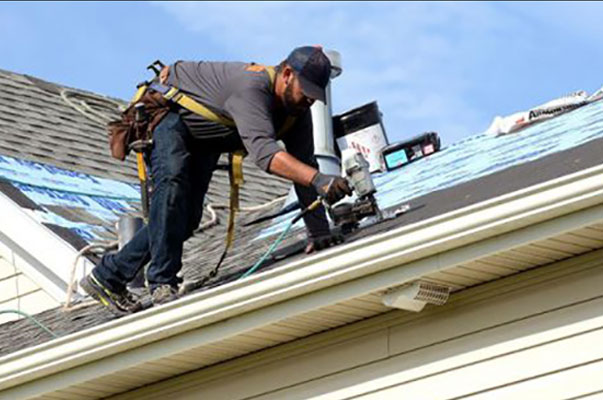
A Homeowner’s Guide to Residential Roofing in Boise

Protecting Your Greatest Asset from the Treasure Valley Elements

Your roof is your home’s first line of defense against Boise’s distinct four seasons, from hot summer sun and high winds to heavy snow and hail. A durable, well-maintained roof is essential for protecting your property’s value and ensuring your family’s safety. But how do you know when it’s time for a repair or a full replacement? This guide provides Treasure Valley homeowners with the essential knowledge needed to make informed decisions about their residential roofing, covering everything from identifying problems to choosing the right materials for our unique Idaho climate.

Key Signs Your Boise Roof Needs Professional Attention

Performing a visual inspection from the ground a few times a year can help you spot potential issues before they become costly problems. Look for these common warning signs that indicate it’s time to call a professional for a closer look.

Curling or Buckling Shingles

Shingles that are curling at the edges or buckling in the middle are often a sign of advanced age or excessive heat exposure. This compromises their ability to shed water and makes your roof vulnerable to leaks.

Missing Shingles or Granule Loss

Boise’s high winds can easily lift and remove aging or improperly installed shingles. You might also notice an accumulation of asphalt granules in your gutters. These granules protect the shingle from UV rays, and their loss indicates the roof is nearing the end of its lifespan.

Ceiling Stains and Water Leaks

The most obvious sign of roof failure is water intrusion. Stains on your ceiling, damp spots in the attic, or active drips are urgent indicators that you need an immediate roof repair. Don’t delay, as prolonged moisture can lead to structural damage and mold growth.

Damaged Flashing

Flashing consists of metal pieces installed around chimneys, vents, and skylights to prevent water from seeping into these vulnerable joints. If it’s cracked, bent, or rusted, its protective seal is compromised.

The Roof’s Age

A typical asphalt shingle roof lasts about 20-25 years. If your roof is approaching this age, even if it looks okay from the ground, it may be time to start planning for a replacement before serious problems arise.

Choosing the Right Roofing Material for Idaho’s Climate

Selecting the right material is a balance of aesthetics, budget, and performance. Here in the Treasure Valley, we need materials that can handle intense sun, high winds, hail, and the weight of snow. Here’s a look at popular choices for Boise roofing projects.

Material Lifespan Pros Cons
Asphalt Shingles 20-30 years Cost-effective, wide variety of colors and styles, easy to install and repair. Shorter lifespan than other materials, susceptible to wind and hail damage over time.
Metal Roofing 40-70 years Extremely durable, excellent resistance to wind and fire, energy-efficient, lightweight. Higher upfront cost, can be dented by severe hail, installation requires specialized expertise.
Architectural Shingles 30-50 years Thicker and more durable than T-lock Shingles, creates a dimensional look, better wind resistance. More expensive than standard asphalt shingles.

Navigating Storm Damage in Boise

Unfortunately, hail and high winds are a reality in Boise, Meridian, and across the Treasure Valley. After a severe storm, it’s crucial to have your roof inspected by a professional. Subtle wind and hail damage, like bruising or cracking, isn’t always visible from the ground but can lead to significant problems later. A qualified local contractor can identify storm-related issues and document the damage properly.

Furthermore, dealing with insurance providers can be a complex process. Working with a restoration expert who understands roof insurance claims can make a significant difference. A seasoned contractor can meet with your insurance adjuster on-site, ensure all damage is accounted for, and help you navigate the paperwork to restore your home correctly and efficiently.

Ready to Secure Your Home with a Reliable Roof?

Whether you have a leak, suspect storm damage, or know it’s time for a replacement, don’t wait. The experienced team at Team Construction is ready to provide a free, no-obligation roof inspection for your Boise home.

Get Your Free Estimate

Frequently Asked Questions

How long does a roof replacement take?

For an average-sized home in Boise, a full residential roof replacement typically takes 1-3 days, depending on the weather, the complexity of the roof, and the materials being used.

Can my roof be repaired, or does it need to be fully replaced?

This depends on the extent and nature of the damage. Small, isolated issues like a few missing shingles can often be repaired. However, if the damage is widespread, the roof is old, or there are multiple layers of existing shingles, a full replacement is usually the most cost-effective long-term solution.

How do I know if my roof has hail damage?

Hail damage on asphalt shingles often looks like dark, random bruising or dents where the granules have been knocked off. You may also see damage to gutters, vents, and siding. The safest way to know for sure is to schedule a professional roof inspection, as hail damage can be difficult to spot from the ground.

What does a ‘lifetime warranty’ for roofing mean?

A lifetime warranty typically refers to the manufacturer’s warranty on the shingles against defects. It’s important to understand the specific terms, including whether it’s prorated and what it covers. Additionally, your contractor should offer a separate workmanship warranty, which covers the quality of the installation itself.

Navigating Roof Insurance Claims in Meridian, ID: A Homeowner’s Guide

Don’t Let Storm Damage Overwhelm You: Understanding Your Policy

After a severe storm rolls through Meridian, the last thing any homeowner wants to discover is roof damage. The process of dealing with repairs and insurance can seem daunting. Filing a roof insurance claim is a multi-step process that requires careful documentation and clear communication. Understanding how to navigate this journey can make the difference between a quick, successful restoration and a long, frustrating ordeal. For residents in Meridian and across the Treasure Valley, knowing the right steps to take after discovering wind or hail damage is crucial for protecting your property and ensuring you get the full coverage you’re entitled to.

The first step, even before you pick up the phone to call your insurance agent, is to ensure your safety and document the damage. This guide will walk you through the essential steps, from the initial inspection to working with a trusted local contractor to finalize your repairs, ensuring your home is protected and your claim is handled efficiently.

The Roof Insurance Claim Process: A Step-by-Step Breakdown

Step 1: Conduct a Safe, Initial Assessment

Your safety is the top priority. After a storm, walk around the exterior of your property to look for obvious signs of damage from the ground. Look for fallen branches, dented gutters, or shingles scattered in your yard. If you have binoculars, use them to get a closer look at the roof itself. Avoid climbing on the roof, as it can be slippery and unstable, especially after a storm. Note any visible damage you see—this initial information will be helpful when you call a professional.

Step 2: Schedule a Professional Roof Inspection

Before contacting your insurance company, it’s wise to have a professional roofing contractor inspect the damage. An experienced roofer, like the team at Team Construction, can provide a detailed assessment of the issues, identifying not just the obvious problems but also subtle signs of wind and hail damage that an untrained eye might miss. This professional evaluation gives you a clear understanding of the scope of repairs needed and provides essential documentation for your claim.

Step 3: Review Your Homeowner’s Insurance Policy

Familiarize yourself with your insurance policy to understand your coverage for roof damage. Pay close attention to your deductible—the amount you’ll have to pay out of pocket before your coverage kicks in. Also, check for any specific clauses related to storm, wind, or hail damage. Knowing these details upfront will help you have a more informed conversation with your insurance provider.

Step 4: File the Claim with Your Insurance Company

With your professional inspection report in hand, it’s time to contact your insurance company to initiate the claim. Be prepared to provide your policy number, the date the damage occurred, and a description of the incident. The insurance company will assign a claim number and an adjuster to your case. Keep detailed notes of every conversation, including the date, time, and the name of the person you spoke with.

Step 5: Meet with the Insurance Adjuster

The insurance adjuster will schedule a time to visit your property and assess the damage themselves. It is highly recommended to have your chosen roofing contractor present during this meeting. Your contractor can point out specific areas of damage the adjuster might overlook and ensure the assessment is thorough and accurate. They act as your advocate, speaking the same technical language as the adjuster to ensure nothing is missed.

Step 6: Receive and Review the Settlement

After the adjuster’s assessment, you will receive a summary of the damages and a settlement offer. Review this document carefully with your contractor. The initial payment may not cover the full cost, as some policies release funds in stages (Actual Cash Value vs. Replacement Cost Value). Your contractor can help you understand the estimate and, if necessary, file a supplement for any additional costs or overlooked damages. Once you and your contractor agree that the settlement is fair, the roof repair work can begin.

Did You Know?

Most homeowner’s insurance policies cover roof damage from “acts of God,” such as hail and windstorms. However, damage resulting from neglect or lack of maintenance is typically not covered. This is why regular inspections, especially for older roofs, are essential for homeowners in areas like Meridian that experience variable weather.

Tips for a Smooth Claims Process

  • Document Everything: Take photos and videos of the damage before any temporary repairs are made. Keep a file with all correspondence from your insurer, receipts for any immediate repairs (like tarping), and the detailed estimate from your contractor.
  • Don’t Delay: Most insurance policies have a time limit for filing a claim after a storm. Report damage as soon as you discover it to avoid any issues with your claim being denied due to late reporting.
  • Understand Your Coverage: Differentiate between “Actual Cash Value” (ACV) and “Replacement Cost Value” (RCV). ACV pays for the depreciated value of your roof, while RCV pays to replace it with a new one. Most homeowners have RCV policies, but the funds are often disbursed in two parts.
  • Choose a Local, Reputable Contractor: Working with a local Meridian roofing contractor like Team Construction is vital. Local experts understand Meridian’s building codes and weather patterns. They have established relationships and a reputation to uphold within the community.

The Team Construction Advantage in Meridian

As a locally owned and operated contractor serving Meridian and the Treasure Valley, Team Construction specializes in storm damage restoration and insurance claims assistance. We understand the stress homeowners face after a storm. Our team is trained to handle the entire process, from providing a free, comprehensive inspection to meeting with your insurance adjuster and ensuring every detail is covered in the claim. We work directly with insurance companies, providing the necessary documentation and professional expertise to streamline the process and advocate for you, the homeowner. Our goal is to restore your peace of mind and your roof with quality workmanship and lifetime warranties.

Frequently Asked Questions

How do I know if I have enough damage to file a claim?

The best way is to get a professional opinion. A qualified roofing contractor can perform a thorough inspection to determine the extent of the damage. They can tell you if it meets the threshold for a claim, as even minor-looking hail or wind damage can compromise your roof’s integrity over time.

Will filing a claim increase my insurance premium?

Generally, claims filed for damage caused by natural disasters or severe weather (acts of God) do not result in a premium increase for the individual policyholder. However, if an entire area is affected, insurance companies may raise rates for that region as a whole.

What if my insurance claim is denied?

If your claim is denied, you have the right to appeal the decision. Your roofing contractor can help by providing additional documentation or evidence of damage. You can also request a second assessment from a different insurance adjuster.

How long do I have to file a roof a claim in Idaho?

The time limit can vary by policy, but most insurance companies require you to report damage within one year of the storm. It is always best to act quickly to avoid any potential disputes over when the damage occurred. Contacting a professional for an inspection right after a major storm is the safest course of action.