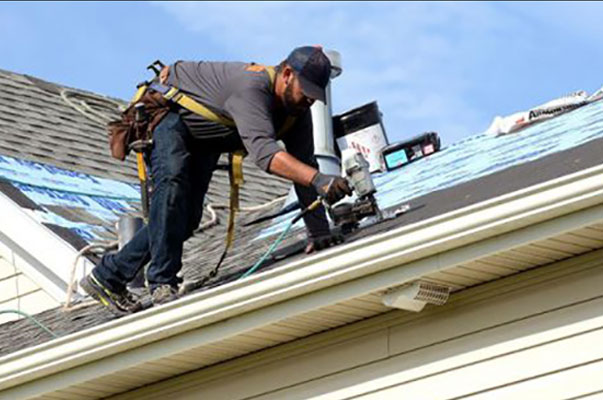
7 Common Signs Your Boise Home Needs a Roof Repair

Don’t Let a Small Leak Become a Major Headache

Your roof is your home’s most critical line of defense against the Treasure Valley’s dynamic weather, from scorching summer sun to heavy winter snow. But even the most resilient roofs experience wear and tear over time. Spotting the early signs of damage is the key to preventing a minor issue from escalating into a costly disaster. For homeowners across Boise, Nampa, and the surrounding areas, being proactive about your roof’s health can save you significant stress and money. Prompt roof repair in Boise not only protects your property’s structure but also ensures the safety and comfort of your family. If you’re seeing signs of wear, it’s time to investigate before the problem worsens.

Key Indicators of Roof Damage to Watch For

You don’t need to be a roofing expert to spot potential problems. Many warning signs are visible from the ground or inside your home. Here are seven common indicators that it’s time to call a professional for an inspection.

1. Damaged or Missing Shingles

This is one of the most obvious signs of roof trouble. Walk around your property and look up. Do you see shingles that are cracked, curling at the edges, or missing entirely? Strong winds, common in our region, can lift and tear shingles, leaving the underlayment exposed. An exposed roof is vulnerable to water intrusion, making this a critical issue to address immediately.

2. Granules in Your Gutters

Asphalt shingles are covered with sand-like granules that protect them from harsh UV rays and weathering. As a roof ages, these granules begin to wear away and are often washed into the gutters. While some loss is normal, finding excessive amounts of granules is a clear signal that your shingles are deteriorating and nearing the end of their effective lifespan.

3. Leaks, Stains, and Interior Water Damage

Sometimes, the first sign of a roof problem appears inside your home. Look for yellow or brown water stains on your ceilings or walls, especially in upper-level rooms or your attic. Peeling paint near the roofline or a persistent musty odor can also point to a hidden leak. A small leak can lead to significant issues like mold growth and structural rot if not addressed. This is a definitive sign you need a professional assessment for your residential roofing.

4. Sagging Roof Deck

A sagging or drooping roof is a serious structural issue that demands immediate attention. It often indicates that the underlying decking has been compromised by moisture and is beginning to rot. From the ground, you might notice a dip or “saddleback” in the roofline. If you see any sagging, contact a professional roofing contractor without delay.

5. Signs of Storm Damage

Hail and high winds can cause significant harm to a roof. After a major storm, it’s wise to perform a visual inspection from the ground. Look for dents on gutters, vents, and flashing, which could indicate similar impact damage on your shingles. Addressing wind and hail damage promptly is crucial, and professional documentation can streamline the process for roof insurance claims.

6. Damaged Flashing

Flashing consists of thin pieces of metal installed around vents, chimneys, and skylights to seal seams and prevent water from seeping in. If this material is cracked, bent, or rusted, it creates a prime entry point for leaks. A thorough inspection will always include checking the condition of the flashing, as it’s a common failure point.

7. Your Roof’s Age

Even without visible damage, age is a critical factor. A typical asphalt shingle roof in Idaho has a lifespan of about 15-25 years. If your roof is approaching or has surpassed the 20-year mark, it’s more susceptible to failure. Knowing the age of your roof can help you decide whether a simple repair is sufficient or if it’s time to start planning for a replacement.

Why You Shouldn’t Postpone a Roof Repair

Ignoring what seems like a minor roofing issue can have serious consequences. A single missing shingle can let in enough water over time to rot the roof deck, ruin insulation, and damage interior drywall. What might have been a straightforward and affordable repair can transform into a complex and expensive restoration project. Prompt action not only saves money but also protects your home’s structural integrity and your peace of mind. Catching issues early is the most effective way to manage your budget and protect your property.

Protecting Your Home in Boise, Nampa, and the Treasure Valley

The unique climate of the Treasure Valley, with its hot summers and cold, snowy winters, puts specific stresses on roofing materials. From Meridian to Eagle, homeowners need a roofing partner who understands these local challenges. A locally owned and operated contractor like Team Construction has the experience to identify problems specific to our area, from roofing in Eagle to serving Meridian’s growing communities. Whether you own a home or a commercial property, regular inspections and timely repairs are essential for extending the life of your roof.

Suspect Roof Damage?

Don’t wait for a small issue to become a major problem. The expert team at Team Construction offers complimentary, no-obligation roof inspections to assess the health of your roof and provide honest recommendations.

Schedule Your Free Inspection

Frequently Asked Questions

How much does a roof repair cost in Boise?

The cost of a roof repair varies widely depending on the extent of the damage, the type of roofing material, and the slope of your roof. A minor repair like replacing a few shingles will be less expensive than repairing significant structural damage. We provide free, detailed estimates so you know the exact cost before any work begins.

Can I repair my own roof?

While some minor fixes may seem simple, roofing work can be dangerous without the proper safety equipment and training. Furthermore, an improper repair can lead to bigger leaks and may even void your roof’s warranty. It’s always safest and most effective to hire a licensed and insured professional.

How long does a typical roof repair take?

Most common roof repairs can be completed in just a few hours. More extensive projects might take a full day. Our team works efficiently to resolve the issue with minimal disruption to your daily life.

Will my homeowner’s insurance cover roof repair?

In many cases, yes. Homeowner’s insurance typically covers damage from unforeseen events like wind, hail, or falling trees. It generally does not cover issues stemming from old age or lack of maintenance. Team Construction specializes in insurance restoration and can help you navigate the claims process from start to finish.

Glossary of Roofing Terms

Flashing: The thin, weatherproof metal strips used to cover seams and joints on a roof, such as around chimneys or in valleys, to prevent water from entering.

Granules: The coarse, sand-like particles on the surface of asphalt shingles that provide protection from UV rays and add color.

Roof Deck (Sheathing): The layer of plywood or oriented strand board (OSB) that is attached to the roof trusses and serves as the foundation for the roofing materials.

Underlayment: A waterproof or water-resistant barrier installed directly on the roof deck before the shingles are applied, providing a secondary layer of protection against moisture.

The Ultimate Guide to Choosing a Residential Roof in Boise

Protecting Your Treasure Valley Home with the Right Materials and Contractor

Your roof is your home’s first line of defense against Boise’s distinct four seasons—from intense summer sun and high winds to heavy winter snow. Choosing a new residential roof is a significant investment in your property’s safety, value, and curb appeal. This guide will walk you through the essential factors to consider, from recognizing when it’s time for a replacement to selecting the best materials for our climate and finding a trustworthy local contractor to do the job right.

When Is It Time for a New Roof? Signs to Watch For

Recognizing the early warning signs of roof failure can save you from costly interior damage and emergency repairs. While some issues can be addressed with a simple roof repair, widespread problems often signal the need for a full replacement. Here’s what to look for:

  • Age of the Roof: Most asphalt shingle roofs in Idaho have a lifespan of 20-25 years. If your roof is approaching this age, it’s time to start planning for a replacement, even if there are no obvious leaks.
  • Curling or Missing Shingles: Shingles that are curling, cracked, or missing are a clear sign of wear and weather damage. This is especially common after the high winds we experience in the Treasure Valley.
  • Granules in Gutters: Finding significant amounts of shingle granules in your gutters means the protective layer of your shingles is wearing away, leaving them vulnerable to UV ray damage.
  • Leaks and Water Stains: Yellow or brown stains on your ceilings, bubbling paint, or damp spots in the attic are definitive signs that water is getting through your roof.
  • Sagging Roof Deck: A sagging or drooping appearance indicates a serious structural issue, often caused by trapped moisture and rotted decking. This requires immediate professional inspection.

Choosing the Right Roofing Material for Idaho’s Climate

Boise’s climate demands durability. Your roof needs to handle hot summers, cold winters, and everything in between. Here’s a look at the most common and effective materials for Treasure Valley homes:

Material Average Lifespan Key Benefits for Boise Homes
Architectural Asphalt Shingles 20-30 years Affordable, versatile, and designed to withstand moderate to heavy weather conditions. Their dimensional look enhances curb appeal.
Metal Roofing 40-70+ years Extremely durable against snow, hail, and wind. Reflects solar heat, improving energy efficiency in the summer. Sheds snow easily in winter.
Composite Shingles 30-50+ years Mimics the look of slate or wood but is lighter and more impact-resistant. An excellent choice for durability and aesthetics.

While other options like tile or wood shakes exist, architectural asphalt and metal roofing are the most popular and practical choices for balancing cost, performance, and style in the Boise area.

Finding a Trusted Boise Roofing Contractor: What to Look For

The best roofing materials are only as good as the team that installs them. Choosing the right contractor is crucial for ensuring a long-lasting, warranty-compliant roof. Here are key qualifications to look for in a Boise roofing professional:

  • Local and Established: A contractor with a permanent office and deep roots in the Boise area is accountable and familiar with local building codes. Check for a history of work in nearby communities like Meridian and Eagle.
  • Properly Licensed and Insured: Ask for proof of both general liability insurance and workers’ compensation. This protects you from any liability for accidents on your property.
  • Experience with Insurance Claims: Storms are a major cause of roof damage here. A contractor experienced in handling roof insurance claims can be an invaluable partner, helping you navigate the process after wind and hail damage.
  • Provides Detailed, Written Estimates: A professional will never give you a quote over the phone. They should provide a detailed contract outlining the scope of work, materials, costs, and project timeline.
  • Offers Strong Warranties: Look for a contractor who offers warranties covering both the materials and their workmanship. This demonstrates confidence in their quality of work.

Ready to Protect Your Boise Home?

Don’t wait for a small issue to become a major problem. The expert team at Team Construction is here to provide a complimentary, no-obligation roof inspection. We offer quality materials, lifetime warranties, and direct insurance claim assistance.

Get Your Free Estimate

Frequently Asked Questions

How long does a typical roof replacement take?

For an average-sized home in Boise, a full roof replacement can usually be completed in 1-3 days, depending on the weather, the complexity of the roof, and the materials being used.

Will my homeowners insurance cover a new roof?

Homeowners insurance typically covers roof replacement if the damage is caused by an acute event like a hail storm, wind, or a fallen tree. It usually does not cover replacement due to old age or lack of maintenance. We specialize in storm damage and can help you through the entire insurance claim process.

What is the average cost of a roof replacement in Boise?

The cost varies widely based on the size of your roof, the materials you choose, and the slope’s complexity. On average, Boise homeowners can expect to pay anywhere from $8,000 to $15,000 for a standard replacement. The best way to get an accurate figure is with a free, on-site estimate.

Should I repair or replace my roof?

This depends on the age of your roof and the extent of the damage. If your roof is relatively new and the damage is isolated to a small area, a repair is often sufficient. However, if the roof is over 20 years old and has widespread issues like granule loss or multiple leaks, a replacement is the more cost-effective long-term solution.

A Complete Guide to Commercial Roofing for Boise Businesses

Protecting Your Investment with the Right Roofing System

For any commercial property owner or manager in Boise, the roof is your building’s first line of defense. It safeguards your assets, inventory, employees, and customers from the Treasure Valley’s distinct four-season climate. A durable, well-installed roof is not just a structural necessity; it’s a crucial investment in your business’s continuity and financial health. Understanding the various commercial roofing options available can save you from unexpected disruptions and costly emergency repairs down the road. Selecting the right system ensures your property is prepared for everything from hot summer sun to heavy winter snow.

Understanding Common Commercial Roofing Systems

Choosing the best roofing material for your business involves weighing durability, cost, and energy efficiency. Each system offers unique benefits tailored to different building types and climates.

TPO (Thermoplastic Polyolefin)

TPO is a single-ply roofing membrane that has become one of the most popular choices for commercial properties. Its white, reflective surface is highly effective at deflecting UV rays, which helps keep buildings cooler during Boise’s hot summers and can significantly lower air conditioning costs. TPO is also resistant to punctures, tears, and mold growth, making it a durable and cost-effective option.

EPDM (Ethylene Propylene Diene Monomer)

Commonly known as rubber roofing, EPDM is a synthetic membrane praised for its exceptional durability and flexibility, especially in colder climates. It can withstand extreme temperature changes without cracking and has a long, proven lifespan that can exceed 30 years with proper maintenance. While traditionally black, which helps melt snow, it is also available in lighter colors for better heat reflection.

Metal Roofing

Metal roofing systems, typically made from steel, aluminum, or copper, offer superior longevity and resilience. They are highly resistant to fire, wind, and impact. Metal roofs are also energy-efficient, reflecting solar heat in the summer and insulating during the winter. Though the initial investment is higher, a metal roof can last for 40 years or more, making it an excellent long-term value.

PVC (Polyvinyl Chloride)

PVC is another single-ply membrane known for its strength and long-term performance. It is particularly resistant to chemicals, oils, and grease, making it an ideal choice for restaurants, manufacturing plants, and other facilities where rooftop vents may expel contaminants. PVC seams are heat-welded to create a monolithic, waterproof barrier.

Commercial Roofing Systems: A Quick Comparison

Roofing System Average Lifespan Key Benefits Best For
TPO 20-30 years Energy-efficient (reflective), cost-effective, puncture-resistant. Retail spaces, data centers, warehouses.
EPDM 25-30 years Very durable, flexible in cold, long track record. Warehouses, industrial facilities, office buildings.
Metal 30-40+ years Exceptional longevity, highly durable, fire/wind resistant. Office buildings, retail developments, institutional buildings.
PVC 20-30 years Resistant to chemicals/grease, durable seams. Restaurants, healthcare facilities, manufacturing plants.

Key Factors for Boise Businesses to Consider

Choosing the right roof isn’t a one-size-fits-all decision. For properties in Boise, Meridian, and Eagle, several local factors come into play.

  • Boise’s Climate: Our region experiences significant temperature swings, from hot, sunny days to freezing nights with snow accumulation. Your roofing material must be able to expand and contract without failing. Materials like EPDM excel in cold weather, while reflective TPO is ideal for managing summer heat.
  • Building Type and Usage: The function of your building influences your choice. A restaurant might benefit from a grease-resistant PVC roof, while a large warehouse may prioritize the cost-effectiveness and reflective properties of TPO.
  • Budget and Long-Term Value: While initial cost is a factor, consider the total cost of ownership. A more expensive material like metal may offer a better return on investment over decades due to its longer lifespan and lower maintenance needs.
  • Maintenance and Inspection: Proactive maintenance is key to extending the life of any commercial roof. Regular inspections can identify minor issues before they become major problems, especially after severe weather events. After a storm, it’s wise to check for wind and hail damage to prevent hidden leaks.

Why Local Expertise Matters for Your Treasure Valley Property

Working with a local, experienced Boise roofing contractor provides invaluable benefits. A local company like Team Construction understands the specific challenges posed by Idaho’s climate. We know the local building codes and have established relationships with suppliers, ensuring your project is completed efficiently and correctly. Whether your property is in Boise, Meridian, or Eagle, our team is nearby and ready to respond quickly for inspections, maintenance, and emergency repairs. We pride ourselves on quality workmanship and helping our clients protect their commercial investments for the long haul.

Protect Your Business with a Professional Roof Inspection

Don’t wait for a leak to compromise your property. The experts at Team Construction are here to provide a comprehensive assessment of your commercial roof and recommend the best solutions for your needs and budget.

GET A FREE ESTIMATE

Frequently Asked Questions

How often should a commercial roof in Boise be inspected?

It is recommended to have your commercial roof professionally inspected at least twice a year—once in the spring and once in the fall. This helps prepare the roof for the extreme heat of summer and the potential snow loads of winter. You should also schedule an inspection after any major storm.

What is the average lifespan of a commercial roof?

The lifespan depends heavily on the material and maintenance. EPDM and TPO roofs typically last 20-30 years, while a properly maintained metal roof can last 40 years or more. Regular maintenance is the single most important factor in maximizing a roof’s service life.

Does commercial property insurance cover roof replacement?

Most commercial property insurance policies cover roof damage from specific events like storms, hail, wind, or fire. However, they typically do not cover replacement due to old age or lack of maintenance. At Team Construction, we specialize in navigating roof insurance claims to ensure you get the coverage you deserve for qualifying damage.