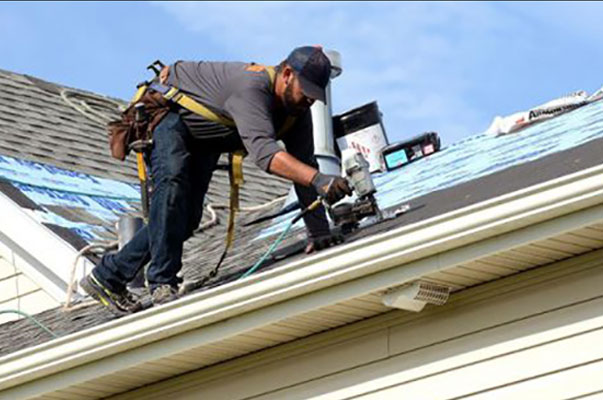
Navigating Roof Insurance Claims in Boise: A Homeowner’s Guide

Don’t Face Storm Damage Alone

After a severe storm rolls through Boise, the last thing you want to worry about is a complex and stressful insurance claim process. High winds and hail can leave behind significant roof damage, often hidden to the untrained eye. Filing a roof insurance claim is the first step toward restoration, but it can feel overwhelming. This guide simplifies the process, empowering you to navigate your claim with confidence and ensure you get the fair coverage you deserve for your property.

Understanding the steps involved, from initial inspection to final repair, is crucial. Partnering with an experienced local contractor who specializes in insurance restoration can make all the difference, transforming a complicated ordeal into a streamlined, manageable project.

The Roof Insurance Claim Process: A Step-by-Step Breakdown

Step 1: Emergency Mitigation and Professional Inspection

Your immediate priority after a storm is safety. If you see active leaking or significant structural damage, take steps to prevent further harm to your home’s interior, such as placing buckets to catch water. However, do not attempt to climb on the roof yourself. It can be extremely dangerous. Instead, your first call should be to a trusted local roofing contractor. A professional roof inspection is critical. Experts can identify subtle signs of wind and hail damage that an insurance adjuster might miss, providing a comprehensive assessment of the situation.

Step 2: Review Your Insurance Policy

Before filing, take a moment to understand your homeowner’s insurance policy. Look for details about your deductible, what types of damage are covered (e.g., wind, hail), and any specific requirements for filing a claim. Knowing your coverage helps you set realistic expectations and communicate more effectively with your insurance provider. If the language is confusing, your contractor can often help interpret the sections related to roofing and exteriors.

Step 3: Filing the Claim and Documenting Everything

Contact your insurance company promptly to initiate the claim. They will assign you a claim number and an adjuster. From this point forward, documentation is key. Keep a detailed record of every conversation, including the date, time, and the name of the person you spoke with. Take clear, well-lit photos of all damaged areas, both close-up and from a distance, to create a thorough visual record. Your contractor’s initial damage report will also be a vital piece of evidence.

Step 4: The Adjuster’s Visit

The insurance adjuster will schedule a visit to assess the damage. It is highly recommended to have your chosen roofing contractor present during this inspection. Your contractor can point out specific damages, discuss local building codes, and ensure the adjuster’s assessment is comprehensive and accurate. They act as your advocate, speaking the same technical language as the adjuster to ensure nothing is overlooked. This collaborative approach often leads to a more accurate and fair insurance restoration scope.

Step 5: Understanding Your Claim Settlement

After the assessment, you’ll receive a settlement offer from your insurance company. This document will detail the scope of work they have approved and the funds they are providing. It often includes terms like RCV (Replacement Cost Value) and ACV (Actual Cash Value). Your contractor can help you review this paperwork to ensure the scope is complete and the estimate aligns with the real-world cost of materials and labor for a quality roof repair or replacement.

Step 6: Completing the Repairs

Once you and your contractor have an agreed-upon scope of work with the insurance company, the restoration can begin. A professional team will handle all aspects of the project, from acquiring permits to the final cleanup, ensuring your residential roofing or commercial property is restored to its pre-storm condition, or even better.

Did You Know?

Insurance policies often have a time limit for filing a claim after a storm event. This “statute of limitations” can be as short as one year. That’s why it’s critical to have your roof inspected for potential wind or hail damage as soon as possible, even if the damage isn’t obvious from the ground.

Weathering the Storm in Boise and the Treasure Valley

Boise, Meridian, and Eagle are no strangers to unpredictable weather. Summer thunderstorms can bring high winds and hail, posing a significant threat to roofing systems. Hailstones, even small ones, can bruise and crack asphalt shingles, compromising their ability to shed water. High winds can lift and tear shingles off, leaving your roof’s underlayment exposed to the elements. These scenarios are precisely what homeowner’s insurance is designed for. Having a local Idaho roofing contractor who understands these specific regional challenges is a major advantage when dealing with insurance claims. They know what to look for and can provide credible, location-specific insights to your insurance company.

Common Pitfalls to Avoid in Your Roof Claim

  • Waiting Too Long: Delaying an inspection or claim can lead to further damage, like leaks and mold, which may not be covered. Act quickly after a storm.

  • Accepting the First Offer Blindly: The initial settlement may not cover everything. Always have your contractor review the insurance adjuster’s report to check for discrepancies or omissions.

  • Not Using a Reputable Contractor: Choosing an inexperienced or out-of-town “storm chaser” can lead to poor workmanship and issues with your claim. Work with a licensed, insured, and locally-owned company like Team Construction. Whether for commercial roofing or a residential project, local expertise matters.

Simplify Your Roof Insurance Claim with Expert Help

You don’t have to navigate the complexities of a roof damage claim by yourself. Team Construction is here to help homeowners and property managers throughout Boise and the Treasure Valley. We offer complimentary roof inspections and expert guidance through the entire insurance process, from start to finish.

Get Your Free Inspection Today

Frequently Asked Questions

How do I know if I have enough damage to file a claim?

You don’t need to make that determination yourself. The best course of action is to schedule a free, no-obligation roof inspection with a qualified professional. They can accurately assess the extent of the damage from wind or hail and advise you on whether filing a claim is justified.

Will filing a claim make my insurance premium go up?

Generally, claims filed due to natural disasters or “Acts of God,” such as hail or windstorms, do not result in a premium increase for an individual homeowner. Insurance companies typically raise rates for an entire geographic area that has experienced widespread storm damage, regardless of whether you personally filed a claim.

What is the difference between Replacement Cost Value (RCV) and Actual Cash Value (ACV)?

Replacement Cost Value (RCV) is the cost to replace your damaged roof with a new one of similar quality at current prices. Actual Cash Value (ACV) is the RCV minus depreciation for the age and condition of your old roof. Most policies are RCV, meaning you’ll typically get an initial check for the ACV, and a second check for the depreciation amount after the work is complete and you’ve submitted the final invoice.

Can a contractor cover my deductible?

No. It is illegal for a contractor to waive or cover your insurance deductible, as it is considered insurance fraud. Your deductible is the portion of the repair cost that you are responsible for paying. Be cautious of any contractor who offers to do this.

Glossary of Terms

Adjuster: An individual employed by an insurance company to evaluate a loss and determine the extent of the company’s liability.

Deductible: The amount of money you are required to pay out-of-pocket for a covered loss before your insurance policy begins to pay.

Depreciation: The decrease in the value of your property over time due to age, wear and tear, and other factors.

Endorsement: An amendment or addition to an insurance policy that changes its terms or scope of coverage.

Scope of Loss: A detailed description prepared by an insurance adjuster or contractor that lists the necessary repairs and their associated costs.

Top 5 Residential Roofing Problems in Meridian and How to Spot Them

Protecting Your Greatest Asset: Your Meridian Home

Your home’s roof is its first line of defense against the elements, from the hot summer sun to Meridian’s winter storms. Yet, many homeowners overlook subtle signs of roof damage until a small issue becomes a major, costly problem. Understanding common residential roofing vulnerabilities can help you protect your investment and ensure your family’s safety. Knowing what to look for allows you to address potential damage early, preventing leaks, structural issues, and expensive emergency repairs down the line. This guide will walk you through the most prevalent roofing problems faced by homeowners in our local area.

Identifying Common Roofing Issues Before They Escalate

Regularly inspecting your roof, especially after significant weather events, is crucial. Here are the top five problems to keep an eye on for your residential property.

1. Damaged or Missing Shingles

The shingles are the outermost layer of protection for your roof. Over time, exposure to sun, wind, and hail can cause them to curl, crack, or even blow off entirely. Missing shingles leave the underlayment and roof deck exposed to moisture, which can lead to rot and leaks. When you inspect a roof, look for shingles that are lifting at the edges, have cracked surfaces, or dark patches where the protective granules have worn away. If you find shingle pieces in your yard after a storm, it’s a clear sign you need a professional roof inspection.

2. Leaks and Water Damage

Roof leaks are one of the most serious issues for any homeowner. Signs of a leak aren’t always obvious. Look for water stains on your ceilings or walls, damp spots around fireplaces, and moisture in your attic. Leaks often occur around flashing (the metal strips sealing roof joints), skylights, vents, and chimneys. Even a small leak can lead to significant problems, including mold growth, rotted framing, and damaged insulation. If you suspect a leak, it’s critical to contact a roof repair professional immediately to locate the source and prevent further damage.

3. Clogged Gutters and Downspouts

While not part of the roof itself, your gutters play a vital role in its health. Gutters are designed to direct water away from your home’s foundation and siding. When they become clogged with leaves, branches, and other debris, water can back up and pool along the edge of your roof. This standing water can seep under the shingles, leading to rot in the roof decking and fascia boards. In winter, clogged gutters can cause ice dams to form, which can force water under the roof covering and into your home.

4. Poor Attic Ventilation

Proper attic ventilation is essential for regulating temperature and moisture levels, which directly impacts the lifespan of your roof. In the summer, a poorly ventilated attic can trap super-heated air, essentially cooking your shingles from the inside out and causing them to deteriorate prematurely. In the winter, warm, moist air from your living space can rise into the attic and condense on the cold underside of the roof deck, leading to mold, mildew, and wood rot. Signs of poor ventilation include a stuffy attic, frost on the inside of the roof deck in winter, and warped or curling shingles.

5. Flashing and Sealant Failure

Flashing is the thin metal material installed at points where your roof meets a vertical surface, like a wall or chimney. It creates a water-resistant barrier. Over time, flashing can corrode, come loose, or the sealant around it can dry out and crack. This compromises the watertight seal and creates an easy entry point for water. During your roof check, pay close attention to these vulnerable areas. Damaged flashing is a common cause of leaks and should be addressed by experienced Meridian roofing experts.

Did You Know? Quick Roofing Facts

  • The black streaks you sometimes see on roofs, especially on the north side, are actually a type of algae called Gloeocapsa magma. While mostly a cosmetic issue, it can shorten a shingle’s lifespan over time.
  • Asphalt shingles, the most common material for residential roofing in Idaho, typically have a lifespan of 20-30 years, depending on the quality and local weather conditions.
  • A roof inspection can often uncover damage that isn’t visible from the ground, especially after a hail or wind storm. Professional contractors are trained to spot subtle signs of wind and hail damage that could lead to future problems.

The Local Angle: Roofing Challenges in Meridian, Idaho

Meridian and the greater Treasure Valley area experience a full range of seasons, each presenting unique challenges for your roof. Our hot, dry summers with intense UV radiation can accelerate the aging process of asphalt shingles, making them brittle. Sudden, powerful thunderstorms can bring high winds and hail, posing a significant threat of impact damage and lifted shingles. During the winter, the freeze-thaw cycle can cause shingles to expand and contract, leading to cracks and weaknesses over time. This is why working with a local contractor who understands the specific environmental pressures on roofs in our area is so important. They can recommend the right materials and installation techniques to ensure your roof stands up to Idaho’s weather year after year.

Concerned About Your Roof’s Condition?

Don’t wait for a small issue to become a major headache. The experienced team at Team Construction offers comprehensive roof inspections to identify potential problems before they escalate.

Get Your Free Estimate

Frequently Asked Questions

How often should I have my roof inspected?

We recommend having your roof professionally inspected at least once every two years. However, you should always schedule an inspection after any major weather event, such as a severe hailstorm or high winds, to check for new damage.

What are the warning signs that I might need a new roof?

Besides obvious leaks, key signs include a roof that is over 20 years old, widespread curling or cracked shingles, significant loss of granules (you’ll see them in your gutters), and sagging areas on the roof deck. If you notice any of these, it’s time for a professional assessment.

Can my roof be repaired, or does it need to be fully replaced?

This depends on the age of your roof and the extent of the damage. Minor issues or damage confined to a small area can often be repaired. However, if the damage is widespread or the roof is nearing the end of its projected lifespan, a full replacement is often the more cost-effective and safer option in the long run.

Will my insurance cover roof damage?

Most homeowner’s insurance policies cover roof damage caused by sudden events like wind, hail, or fire. They typically do not cover damage from normal wear and tear or lack of maintenance. We specialize in roof insurance claims and can help you navigate the process from inspection to filing.

Glossary of Roofing Terms

Flashing: Pieces of metal or other material used to prevent water from seeping into joints, such as where a chimney meets the roof.

Underlayment: A layer of water-resistant material placed between the roof deck and the shingles as a secondary barrier against moisture.

Roof Deck (or Sheathing): The layer of wood panels, typically plywood or OSB, that makes up the main structure of the roof and to which the shingles are attached.

Fascia: The long, straight board that runs along the lower edge of the roof, where it overhangs the building’s walls. Gutters are often attached to the fascia.

Ice Dam: A ridge of ice that forms at the edge of a roof and prevents melting snow (water) from draining off. The water that backs up behind the dam can leak into a home and cause damage to walls, ceilings, and insulation.

Signs Your Meridian Roof Needs Repair: A Homeowner’s Guide

Don’t Wait for a Drip: Identifying Early Warnings of Roof Damage

For homeowners in Meridian, Idaho, a sturdy roof is the first line of defense against our region’s distinct seasons. From summer sun and thunderstorms to winter snow and ice, your roof endures a lot. Often, by the time you notice a leak, the underlying damage is already significant and costly. Recognizing the subtle, early signs of trouble can save you from expensive repairs, interior water damage, and immense stress. This guide will walk you through the key indicators that it’s time to call in a professional for a roof inspection and potential repairs, protecting your biggest investment—your home.

Common Signs of Roof Trouble You Can Spot from the Ground

You don’t need to be a roofing expert to spot potential problems. A simple visual inspection from your yard can reveal clues that your roof requires attention. Performing this check twice a year and after any significant weather event is a proactive step in home maintenance.

Visible Shingle Damage

Asphalt shingles are designed to be tough, but they aren’t invincible. Look for shingles that are cracked, curled at the edges, or buckling. These are signs that the shingles are reaching the end of their lifespan or have been damaged by heat and sun exposure. Also, check for any missing shingles, which can leave your roof’s underlayment exposed to the elements. This is a common issue after high winds sweep through the Treasure Valley and requires immediate attention to prevent water infiltration.

Granules in Your Gutters

Those sand-like particles you find in your gutters and downspouts are granules from your asphalt shingles. Their purpose is to protect the shingle from UV rays and add fire resistance. While some granule loss is normal over time, finding large amounts is a red flag. It indicates your shingles are aging and becoming less effective, making them brittle and susceptible to further damage.

Dark Streaks or Moss Growth

Do you see dark, algae-like streaks on your roof? This is often Gloeocapsa magma, an algae that feeds on the limestone filler in shingles. While primarily a cosmetic issue, it can, over time, degrade the shingles. More concerning is the growth of moss. Moss traps moisture against the roof surface, which can lead to rot and deterioration, especially during our wet spring and fall seasons.

Interior Clues: What to Look for Inside Your Home

Sometimes, the most compelling evidence of a roofing problem is found inside your house. These signs often point to a leak that has already breached your roof’s outer defenses.

Water Stains on Ceilings or Walls

Discolored patches—often yellowish or brownish—on your ceiling are a classic sign of a roof leak. These stains can appear far from the actual source of the leak, as water can travel along rafters and decking before finding a spot to drip through. If you see these stains, it’s crucial to schedule a professional roof inspection as soon as possible.

Sagging Roof Deck

From your attic, look up at the roof decking (the plywood layer your shingles are attached to). If you see any sagging or drooping, it’s a serious issue. This is typically caused by trapped moisture that has rotted the wood, compromising the structural integrity of your roof. This is a problem that needs immediate roof repair in the Boise area to prevent a potential collapse.

Daylight Through the Roof Boards

When you’re in your attic during the day, turn off the lights. If you can see slivers of daylight coming through the roof, it’s a clear sign you have holes that will let in rain, snow, and cold air. This is an urgent repair situation.

The Meridian Factor: Local Weather and Your Roof

Living in Meridian means dealing with specific weather patterns that impact your roof’s health. Understanding these local challenges helps you know what to look for.

  • Wind and Hail Damage: The Treasure Valley is no stranger to intense thunderstorms, which can bring high winds and hail. Wind can lift and remove shingles, while hail can create dents and cracks, compromising the shingle’s protective layer. After a storm, it’s wise to get a professional evaluation for wind and hail damage.
  • Snow and Ice Dams: Heavy winter snow can lead to ice dams—ridges of ice that form at the edge of a roof, preventing melting snow from draining. The backed-up water can seep under your shingles and into your home. Proper attic insulation and ventilation are key preventative measures.
  • Sun Exposure: The intense summer sun can bake shingles, causing the protective oils to dry out. This leads to brittleness, cracking, and a shortened lifespan for your roof.

For homeowners in Meridian and surrounding communities like Eagle, staying vigilant about these local factors is key to maintaining a healthy roof.

Protect Your Home with Expert Roof Repair

Don’t let a small issue become a major problem. If you’ve noticed any of these signs, get a professional, no-obligation inspection from Team Construction. We’re your trusted Meridian roofing experts, dedicated to quality workmanship and honest assessments.

Get Your Free Estimate

Frequently Asked Questions

How often should I have my roof inspected?

We recommend a professional roof inspection at least once every two years, and always after a major storm involving high winds or hail. Regular inspections can catch minor issues before they escalate.

Can I just repair a few damaged shingles myself?

While it might seem like a simple fix, DIY roof repairs can be dangerous and often ineffective. It’s easy to damage surrounding shingles or fail to address underlying issues like damaged flashing or underlayment. A professional ensures the repair is done safely and correctly, preserving your roof’s warranty.

My roof isn’t very old, but I see signs of damage. Why?

Premature roof aging can be caused by several factors, including improper installation, poor attic ventilation, or severe weather events. Even newer roofs can suffer from storm damage, which is why a post-storm inspection is so important.

How does the insurance claims process work for roof damage?

After a storm, a professional contractor should first inspect and document the damage. If a repair or replacement is warranted, you would file a claim with your insurer. At Team Construction, we specialize in helping homeowners navigate roof insurance claims, working directly with your insurance company to ensure the process is smooth and stress-free.

Glossary of Roofing Terms

  • Decking: The wooden boards (usually plywood or OSB) that make up the structural foundation of your roof, to which the underlayment and shingles are attached.
  • Flashing: Pieces of metal or other impervious material installed to prevent the passage of water into a structure from a joint or as part of a weather-resistant barrier system. It’s typically found around chimneys, vents, and valleys.
  • Granules: The ceramic-coated particles on the surface of asphalt shingles that protect them from UV rays and provide fire resistance.
  • Ice Dam: A ridge of ice that forms at the edge of a roof and prevents melting snow (water) from draining off the roof.
  • Underlayment: A layer of water-resistant material placed between the roof deck and the shingles to provide an additional layer of protection from moisture.