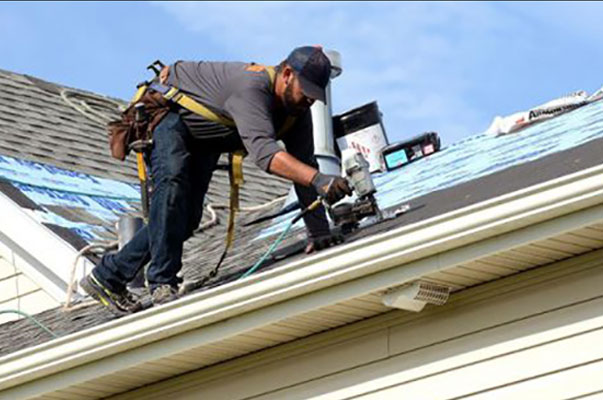
Your Essential Guide to Residential Roofing in Eagle, Idaho

Protecting Your Treasure Valley Home Starts at the Top

Your roof is your home’s first line of defense against the diverse and sometimes harsh weather we experience in Eagle, Idaho. From hot, sunny summers to cold, snowy winters, a durable and well-maintained roof is crucial for protecting your family and your investment. Choosing the right materials, knowing when to schedule a repair, and understanding the replacement process are key responsibilities for any homeowner. This guide provides the expert insights you need to make informed decisions about your residential roofing, ensuring your home remains safe and secure for years to come.

Whether you’ve noticed a potential issue after a storm or are planning a proactive upgrade, understanding your options is the first step toward a successful roofing project. For residents in Eagle and across the Treasure Valley, having a reliable roof is not just about shelter—it’s about peace of mind.

Choosing the Best Roofing Materials for Idaho’s Climate

The right roofing material must withstand intense UV exposure, heavy snowfall, and potential hail. Here are some of the most popular and effective options for homeowners in Eagle:

Architectural Asphalt Shingles

A top choice for most American homes, and for good reason. Modern architectural shingles are thicker and more durable than traditional 3-tab shingles, offering a dimensional look that boosts curb appeal. They provide excellent protection, come in a wide variety of colors, and offer a great balance of cost, longevity, and performance, making them ideal for Idaho’s four-season climate.

Metal Roofing

Increasingly popular in the Treasure Valley, metal roofing is known for its exceptional durability and longevity. It can last 50 years or more with minimal maintenance. Metal roofs are fire-resistant, shed snow easily to prevent ice dams, and are highly effective at reflecting solar heat, which can help lower energy bills during our hot summers. While the initial investment is higher, the long-term value is significant.

Composite Shingles

Composite shingles are engineered to mimic the look of natural materials like slate or wood shake without the associated high cost and maintenance. They are incredibly durable, resistant to impact, and can withstand severe weather conditions, including high winds and hail. This makes them a smart investment for homeowners looking for both beauty and resilience.

Material Comparison for Eagle Homeowners

Material Average Lifespan Key Advantages Best For
Architectural Shingles 20-30 Years Cost-effective, versatile aesthetics, proven performance. Homeowners seeking a balance of style, durability, and value.
Metal Roofing 50+ Years Extreme durability, energy efficiency, low maintenance, snow shedding. Those prioritizing longevity and long-term performance.
Composite Shingles 40-50 Years High impact resistance, premium look, excellent weather protection. Homeowners wanting the look of natural materials with superior durability.

Recognizing the Signs: When Does Your Roof Need Attention?

Proactive maintenance and early detection of problems can save you from costly interior damage. Don’t wait for a leak to appear in your ceiling. Watch for these common warning signs that indicate it’s time for a professional roof inspection:

  • Curling or Buckling Shingles: Shingles that are curling at the edges or buckling in the middle are past their life expectancy and are vulnerable to wind and water penetration.
  • Missing Shingles: Obvious bald spots on your roof are a clear sign of failure. This often happens after a significant windstorm and exposes the underlayment to the elements.
  • Granules in Gutters: Asphalt shingles have a top layer of granules for UV protection. When these wear off and accumulate in your gutters, it means the shingles are aging and becoming brittle.
  • Visible Water Stains or Leaks: Any sign of water inside your home, a damp attic, or stains on ceilings is an urgent signal that your roof’s integrity has been compromised. Timely roof repair is critical.
  • Damaged Flashing: The metal strips around chimneys, vents, and skylights are crucial for preventing leaks. If flashing is cracked, bent, or rusted, it needs immediate attention.

If you’ve experienced a recent storm, it’s wise to check for damage even if it isn’t immediately obvious. Dealing with potential roof insurance claims can be complex, and a professional assessment provides the documentation you need.

Did You Know?

Proper attic ventilation is just as important as the roofing material itself. Good ventilation helps regulate temperatures in the attic, preventing ice dams in the winter and reducing cooling costs in the summer. It also extends the life of your shingles by preventing them from overheating and deteriorating prematurely.

Why Hiring a Local Eagle, ID Roofing Contractor Matters

When it comes to something as vital as your roof, choosing the right contractor is paramount. While a national chain might seem appealing, a local contractor offers distinct advantages that can make all the difference for your Eagle home.

Knowledge of Local Climate and Codes

A local company like Team Construction understands the specific challenges of roofing in the Treasure Valley. We know which materials perform best against our summer heat and winter snow. Furthermore, we are experts in Eagle’s local building codes and permitting requirements, ensuring your new roof installation is done right and fully compliant from the start.

Community Reputation and Accountability

As a locally owned and operated business, our reputation in the community is everything. We live and work here, serving our neighbors in Eagle, Meridian, and Boise. This means we are fully accountable for our work and are committed to delivering quality craftsmanship on every project. You can trust that we’ll be here to stand by our lifetime warranties long after the job is done.

Faster Response Times

When you have a roofing emergency, like damage after a major hailstorm, you need help fast. Being local means we can provide a prompt assessment and emergency repairs to prevent further damage to your property. We are just a phone call away.

Ready to Protect Your Eagle Home?

Don’t wait for a small issue to become a major problem. Whether you need a comprehensive inspection, a minor repair, or a complete roof replacement, our team is ready to help. At Team Construction, we combine high-quality materials with expert workmanship to give you a roof you can depend on.

Get Your Free Estimate Today

Frequently Asked Questions

How long does a typical residential roof replacement take?

For an average-sized home in Eagle, a complete roof replacement typically takes 1-3 days, depending on the complexity of the roof, the materials being used, and the weather conditions.

Will my homeowner’s insurance cover roof damage?

Most homeowner’s insurance policies cover roof damage caused by sudden events like wind, hail, or falling trees. However, they typically do not cover damage due to age or lack of maintenance. We specialize in insurance restoration and can help you navigate the claims process.

How often should I have my roof inspected?

It’s a good practice to have your roof professionally inspected at least once every two years and always after a major storm. Regular inspections can catch minor issues before they escalate into expensive repairs.

What are ice dams and how can I prevent them?

Ice dams are ridges of ice that form at the edge of a roof, preventing melting snow from draining properly. They can cause water to back up under the shingles and leak into your home. Proper insulation and attic ventilation are the most effective ways to prevent ice dams from forming.

How to Choose the Best Roofing Contractor in Eagle, ID

A Homeowner’s Guide to Finding a Trusted Local Roofer

Your roof is your home’s first line of defense against the elements. Here in Eagle, Idaho, that means protection from intense summer sun, heavy snowfall, and unexpected wind and hail storms. Choosing the right roofing contractor isn’t just a matter of completing a project—it’s about safeguarding your investment and ensuring your family’s safety. With numerous options available, finding a reliable, skilled, and honest professional can feel overwhelming. This guide will walk you through the essential steps to select a roofing contractor in Eagle, ID, who will get the job done right the first time.

Key Qualities of a Top-Tier Roofing Contractor

Local Expertise & Reputation

A local contractor understands the specific challenges of the Treasure Valley climate. They know which materials perform best against our region’s weather patterns and are familiar with local building codes and permit requirements. A long-standing presence in the community, like in Eagle or Boise, is a strong indicator of reliability and quality work. Check their history, look at their completed projects, and ask for local references. A company proud of its work will be happy to provide them.

Proper Licensing & Insurance

This is non-negotiable. A professional contractor must carry both liability insurance and worker’s compensation. Liability insurance protects your property from accidental damage, while worker’s compensation covers their crew in case of injury on your property. Always ask for proof of these documents before signing any contract. Without them, you could be held financially responsible for accidents or damages.

Quality Materials & Strong Warranties

The best contractors use high-quality materials from reputable manufacturers and offer robust warranties covering both the materials and their workmanship. Ask about the brands they use and the types of warranties available. A lifetime warranty on workmanship demonstrates a contractor’s confidence in their installation and provides you with long-term peace of mind for your residential roofing project.

Experience with Insurance Claims

After a storm, dealing with insurance providers can be a complex process. An experienced contractor can be your most valuable advocate. They know how to properly document wind and hail damage, provide detailed assessments, and communicate effectively with adjusters. This expertise can make the difference in getting your roof insurance claim approved without unnecessary delays or denials.

Did You Know?

Minor hail damage, often invisible from the ground, can crush the protective granules on your asphalt shingles. Over time, UV rays break down the exposed asphalt, leading to leaks and premature aging of your roof. A professional post-storm inspection is crucial to catch this type of hidden damage early.

Your 4-Step Vetting Process

Step 1: Gather Local Recommendations

Start by asking neighbors, friends, or colleagues in the Eagle area for recommendations. Personal referrals are often the most reliable. Look for companies with a visible presence in your community—yard signs and branded trucks are a good sign of a busy, reputable roofer.

Step 2: Do Your Online Research

Check online reviews on Google and other platforms. While a single negative review isn’t a deal-breaker, pay attention to the overall trend and how the company responds to feedback. Visit their website to learn more about their services, experience, and certifications. A professional website often reflects a professional company.

Step 3: Get Multiple, Detailed Estimates

Don’t settle for the first quote. Aim for at least three written estimates. A thorough estimate should be a detailed document, not just a number on a business card. It should clearly outline the scope of work, materials to be used, labor costs, and project timeline. Be wary of any quote that is significantly lower than the others, as it may indicate subpar materials or inexperienced labor.

Step 4: Ask the Right Questions

When you meet with a potential contractor, have a list of questions ready. These might include:

  • Are you licensed to work in Eagle, Idaho?
  • Can I see proof of your general liability and worker’s compensation insurance?
  • Who will be the project manager for my job?
  • What steps do you take to protect my property (landscaping, siding, etc.) during the project?
  • How do you handle unexpected issues, like rotted decking found after tearing off the old roof?
  • What is your policy for cleanup after the project is complete?

Understanding Your Roofing Estimate

Component What to Verify
Scope of Work Ensure it specifies tear-off of old roofing, underlayment replacement, flashing work, and installation of new materials.
Material List The type, brand, and color of shingles, underlayment, and other components should be clearly listed.
Labor & Permits Confirm that all labor costs, permit fees, and disposal/cleanup fees are included to avoid surprise charges.
Warranty Information The estimate should detail both the manufacturer’s warranty on materials and the contractor’s warranty on workmanship.

Ready for a Stress-Free Roofing Experience?

At Team Construction, we are a locally owned and operated Boise roofing contractor dedicated to serving our neighbors in Eagle and across the Treasure Valley. We combine quality workmanship, lifetime warranties, and direct insurance assistance to provide a seamless experience from start to finish. Let us show you the difference a dedicated team makes.

Get Your Free Inspection

Frequently Asked Questions

How do I know if I need a roof repair or a full replacement?

The decision depends on the age of your roof and the extent of the damage. A few missing shingles or a minor leak can often be addressed with a targeted roof repair. However, if your roof is over 15-20 years old, has widespread damage, or shows signs of chronic issues like curling shingles and granule loss, a full replacement is usually the more cost-effective long-term solution.

How much does a new roof cost in Eagle, ID?

The cost of a new roof varies significantly based on factors like the size and slope of your roof, the materials you choose (e.g., architectural asphalt shingles vs. metal), and the complexity of the job. The best way to get an accurate figure is to schedule a free, no-obligation inspection and estimate.

Will you help me with my insurance claim?

Absolutely. We specialize in insurance restoration and storm damage repair. Our team can perform a thorough inspection, document all damage with photos and detailed notes, and work directly with your insurance company to ensure the process is as smooth and efficient as possible for you.

What happens if you find damaged decking under my old shingles?

This is a common occurrence, especially with older roofs. A professional contractor will include a contingency plan in their contract outlining the cost per sheet to replace any rotted or damaged wood decking. We will always inform you and get your approval before proceeding with any additional work not covered in the original estimate.

Navigating Roof Insurance Claims in Eagle, ID: A Homeowner’s Guide

Protecting Your Property After a Treasure Valley Storm

The aftermath of a severe storm in Eagle, Idaho can be overwhelming. High winds, hail, and heavy rain can inflict significant damage on your home’s most critical defense: the roof. While your immediate concern is safety, the next step—dealing with your insurance company—can feel just as daunting. Filing a roof insurance claim is a detailed process that, if not handled correctly, can lead to delays, denials, or insufficient funds for proper repairs. This guide provides a clear roadmap for Eagle homeowners to successfully manage their claims and restore their peace of mind.

Understanding the steps involved, knowing what to document, and partnering with the right local contractor are key to ensuring you get the full compensation you are entitled to. A well-managed claim protects your property’s value and ensures your home remains safe for years to come.

The Step-by-Step Roof Insurance Claim Process

Following a structured approach is the best way to ensure your claim process goes smoothly. Here’s a breakdown of the essential steps every Eagle homeowner should take after discovering potential storm damage.

Step 1: Prioritize Safety & Document Everything

Your first priority is safety. If you see major damage, like fallen trees or sagging, avoid the area. Once it’s safe, thoroughly document the damage before making any temporary repairs. Use your smartphone to take dozens of photos and videos from different angles, both close-up and from a distance. Capture images of fallen branches, hail dents on gutters or siding, and any visible roof damage. This evidence is invaluable for your claim.

Step 2: Get a Professional Roof Inspection

Before you even call your insurance agent, contact a trusted, local roofing contractor for a comprehensive roof inspection. A professional can identify damage that isn’t visible from the ground, such as creased shingles, granule loss, or compromised seals. This expert assessment gives you a clear understanding of the repair scope and provides a benchmark to compare against the insurance adjuster’s findings. Team Construction offers complimentary inspections to help you start the process with confidence.

Step 3: Review Your Policy & File the Claim

Locate your homeowner’s insurance policy and review your coverage for wind and hail damage. Take note of your deductible amount and any specific filing deadlines. With your documentation and professional inspection report in hand, contact your insurance company’s claims department to formally initiate the claim. Be prepared to provide your policy number, the date of the storm, and a general description of the damage.

Step 4: Meet with the Insurance Adjuster

Your insurance company will assign an adjuster to inspect the damage. It is highly recommended to have your chosen roofing contractor present during this visit. Your contractor can act as your advocate, pointing out specific damages the adjuster might overlook and ensuring the assessment is thorough and fair. This collaboration can significantly impact the outcome of your claim.

Step 5: Understand the Settlement and Begin Repairs

After the adjuster’s visit, you will receive a settlement summary. This document will detail the approved repairs and the funds allocated. Most policies for residential roofing pay in two installments: the first is the Actual Cash Value (ACV), and the second (Recoverable Depreciation) is paid after the work is completed. Once you approve the scope of work, a reputable contractor like Team Construction can begin the roof restoration, restoring your home and providing all necessary documentation for your insurer.

Did You Know?

  • Idaho is ranked in the top 10 states for hail damage claims, with storms in the Treasure Valley being particularly frequent.
  • Most insurance policies have a time limit for filing a storm damage claim, often within one year of the incident.
  • Filing a weather-related “Act of God” claim on your homeowner’s policy typically does not cause your individual premium rates to increase.

Common Pitfalls to Avoid During Your Claim

Navigating an insurance claim can be tricky. Homeowners often make simple mistakes that can jeopardize their settlement. Being aware of these common errors can save you time, money, and stress.

  • Delaying the Inspection: Waiting weeks or months allows damage to worsen, potentially leading to leaks or structural issues that might not be covered.
  • Accepting the First Offer Blindly: The initial settlement offer from an insurer is just that—an offer. If it seems too low, you have the right to question it and provide your contractor’s estimate as a counterpoint.
  • Hiring “Storm Chasers”: After a major storm, out-of-state companies often flood the area. They may offer low prices but often use substandard materials and are gone once the job is done, leaving you with no warranty or recourse. Always choose a licensed, insured, local contractor.

The Importance of a Local Eagle, ID Roofing Expert

Choosing a contractor with deep roots in the Treasure Valley is a significant advantage. A local company like Team Construction understands the specific weather challenges we face in Eagle, Boise, and Meridian. We have established relationships with local suppliers and are familiar with regional building codes and insurance practices.

More importantly, a local roofer is accountable. Our reputation is built on serving our neighbors with integrity. We’re here for the long haul, ready to stand by our work and honor our lifetime warranties. When you need a new roof or roof repair in Eagle, choosing a local expert ensures you get quality craftsmanship and a partner you can trust for years to come.

Need Help with Your Roof Damage Claim?

Don’t navigate the complex insurance process alone. The experts at Team Construction are here to help, from initial inspection to final repair.

Get a Free Inspection

Frequently Asked Questions (FAQ)

How long do I have to file a roof damage claim in Idaho?

Most insurance policies require you to file a claim within one year of the date of the storm. However, it’s always best to act immediately to prevent further damage and to ensure you don’t miss any deadlines stipulated in your specific policy.

Will my insurance premiums go up if I file a claim for storm damage?

Generally, claims resulting from weather (often called “Acts of God”) do not cause an individual policyholder’s rates to increase. However, if an area experiences a high volume of claims, the insurer may raise rates for the entire region.

What if my insurance claim is denied?

If your claim is denied, you have the right to appeal the decision. The first step is to ask for a written explanation for the denial. Then, with the help of your trusted roofing contractor, you can provide additional evidence, such as a more detailed damage report or a second opinion, to support your appeal.

Can I choose my own roofing contractor?

Yes. You are never obligated to use a contractor recommended by your insurance company. You have the right to choose any licensed and insured contractor you trust. It’s wise to select a reputable local company with experience in insurance restoration.

Glossary of Insurance Terms

Deductible

The fixed amount you must pay out of pocket for a claim before your insurance coverage begins to pay. This amount is chosen when you purchase your policy.

Actual Cash Value (ACV)

The value of your damaged roof at the time of the loss. It is calculated by taking the replacement cost and subtracting depreciation due to age, wear, and tear.

Replacement Cost Value (RCV)

The total cost to repair or replace your damaged roof with new materials of similar kind and quality, without any deduction for depreciation. Most modern policies are RCV policies.

Depreciation

The decrease in an asset’s value over time due to age and use. In an RCV policy, the insurer typically pays the ACV first, then pays the recoverable depreciation once repairs are completed and invoices are submitted.