How to Choose the Right Roofing Contractor in Eagle, ID: A Homeowner’s Guide

Finding a Trusted Partner for Your Home’s Most Important Asset

Your roof is your home’s first line of defense against the elements. In a place like Eagle, Idaho, where we experience everything from hot, sunny summers to cold winters with snow, your roof works hard year-round. When it’s time for a repair or a full replacement, choosing the right roofing contractor is one of the most critical decisions you’ll make as a homeowner. It’s not just about shingles and nails; it’s about ensuring the safety, value, and integrity of your property for years to come. This guide will help you navigate the process of selecting a reliable, professional, and local Eagle, ID roofing contractor.

A quality roofing job starts with a quality contractor. The right partner will not only provide excellent workmanship but also offer peace of mind through clear communication, transparent pricing, and robust warranties. They understand local building codes and the unique challenges of our Treasure Valley climate. Let’s explore the essential factors to consider to ensure you hire the best team for the job.

Key Qualities of a Top-Tier Roofing Contractor

When you start your search, you’ll find many options. To narrow down the field, focus on contractors who can readily prove their qualifications and dedication to quality service. Here are the must-haves:

1. Proper Licensing and Insurance

This is non-negotiable. A reputable contractor must have the appropriate licenses to operate in Eagle and the state of Idaho. Ask for proof of both general liability insurance and worker’s compensation. Liability insurance protects your property from damage, while worker’s comp covers any injuries that might occur on-site, preventing you from being held financially responsible. Don’t just take their word for it; ask to see the insurance certificates.

2. Local Presence and Reputation

Hiring a local company like Team Construction offers significant advantages. A contractor with a physical office and a long-standing history in the Treasure Valley is invested in the community and its reputation. They understand local weather patterns, building codes, and material performance in our climate. Furthermore, a local company will be there to honor its warranties should any issues arise down the line. Check online reviews and ask for local references you can contact.

3. Detailed, Written Estimates

Avoid contractors who give you a price on a handshake. A professional contractor will provide a detailed, written estimate that breaks down the costs of materials, labor, permits, and other expenses. This document should clearly outline the scope of work, the specific materials to be used, and the projected timeline. It protects both you and the contractor and prevents misunderstandings or surprise costs later on.

4. Strong Warranties

There are two types of warranties: one from the material manufacturer and one from the contractor covering their workmanship. A reliable contractor will offer a solid workmanship warranty, which is crucial because most roofing failures are due to installation errors, not material defects. At Team Construction, we offer lifetime warranties, giving you confidence in the longevity of your investment.

Red Flags to Watch Out For

Just as important as knowing what to look for is knowing what to avoid. Be cautious of contractors who exhibit the following behaviors:

  • Storm Chasers: These are out-of-town contractors who flock to areas hit by storms. They often perform subpar work and disappear once they’re paid, leaving homeowners with no recourse for repairs or warranty claims. Always choose an established, local company.
  • High-Pressure Sales Tactics: A contractor who pressures you to sign a contract on the spot is a major red flag. A professional will give you the time and space to review estimates and make an informed decision.
  • Vague Contracts or Estimates: If the contract is missing key details or has blank spaces, do not sign it. Ensure everything is documented, from materials to payment schedules.
  • Requesting Large Upfront Payments: While a small deposit is standard, be wary of anyone demanding a large percentage of the total cost (or the full amount) before work begins. This could be a sign of a scam.
  • Offering to Cover Your Deductible: A contractor who offers to waive or cover your insurance deductible may be engaging in insurance fraud, which can have serious legal consequences for both parties.

Team Construction specializes in honest roof insurance claims assistance, guiding you through the process ethically and professionally.

Did You Know? Facts About Roofing in Idaho

Material Matters: The best roofing materials for Idaho’s climate can withstand heavy snow, high winds, and intense sun. Metal roofing and high-quality architectural asphalt shingles are excellent choices for their durability and performance in our four-season climate.

Energy Efficiency: A new roof can significantly improve your home’s energy efficiency. Modern roofing systems with proper ventilation can help lower your heating and cooling costs year-round.

Insurance Claims: After a storm, it’s wise to get a professional wind and hail damage inspection before filing an insurance claim. An expert can document damage accurately, which is essential for a smooth claims process.

Protect Your Eagle Home with a Trusted Local Contractor

Your home is one of your biggest investments. Don’t leave its protection to chance. Team Construction has been a trusted, locally owned roofing contractor in the Treasure Valley since 2007. We offer expert residential and commercial roofing, siding, remodels, and storm damage restoration.

Get Your Free Estimate Today

Frequently Asked Questions

How do I know if I need a roof repair or a full replacement?

The answer depends on the age of your roof and the extent of the damage. A few missing shingles might only require a simple roof repair. However, widespread damage, an old roof (20+ years for asphalt), or persistent leaks often indicate a replacement is necessary. The best way to know for sure is to schedule a professional roof inspection.

How long does a roof replacement take?

For an average-sized residential home, a full roof replacement can typically be completed in one to three days, weather permitting. Larger or more complex projects, like those for commercial properties, may take longer.

What should I ask a roofing contractor before hiring them?

Beyond the basics of licensing and insurance, you should ask about their experience with projects like yours, if they use subcontractors, what their project timeline is, and how they handle cleanup. Also, ask for details on their warranties and request local references.

Do you serve areas outside of Eagle?

Yes! Team Construction proudly serves the entire Treasure Valley, including Boise, Meridian, and surrounding communities. We are a full-service contractor for all your roofing and exterior needs.
Choosing the Right Boise Roofing Contractor: A Comprehensive Guide

Protecting Your Treasure Valley Home Starts at the Top

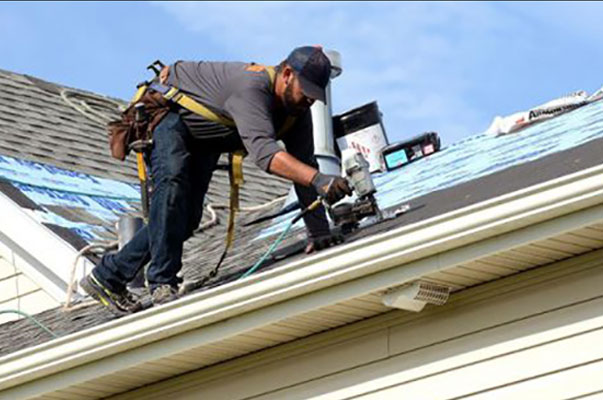
Your roof is your home’s first line of defense against the harsh and unpredictable weather we experience here in Boise and the Treasure Valley. From intense summer sun and surprise hailstorms to heavy winter snow, your roof endures a lot. When it’s time for a repair or a full replacement, selecting the right roofing contractor is the most critical decision you’ll make. The quality of their workmanship not only protects your investment but also ensures the safety and comfort of your family. This guide will walk you through the essential steps to find a trustworthy, professional, and reliable Boise roofing contractor who gets the job done right the first time.

Why Hiring a Local Boise Contractor Matters

Choosing a local company like Team Construction for your roofing needs provides distinct advantages over out-of-state or national chains. A local contractor has a vested interest in the Boise community because they live and work here too. Their reputation is built on the satisfaction of their neighbors, leading to greater accountability and personalized service.

Local roofers possess an in-depth understanding of Boise’s specific climate challenges and building codes. They know which materials and techniques stand up best to Idaho’s hot summers and freezing winters. Furthermore, in the aftermath of a storm, a local team can provide a much faster response for emergency repairs, minimizing potential damage to your home. When you hire a local business, you’re also supporting the local economy and ensuring they’ll be around to honor their warranties for years to come.

Key Steps to Selecting Your Roofing Contractor

1. Verify Licensing and Insurance

This is non-negotiable. Any reputable roofing contractor in Idaho must be licensed and insured. Licensing confirms that the contractor has met state requirements, demonstrating their knowledge of building codes and safety protocols. Insurance, including general liability and workers’ compensation, protects you from any financial liability in the unfortunate event of an accident or property damage during the project. Don’t hesitate to ask for proof; a professional company will readily provide it.

2. Check for Experience and Local Reputation

Experience is a strong indicator of quality. A contractor who has been serving the Boise area for years, like Team Construction, will have a portfolio of completed projects and a deep understanding of local needs. Look for online reviews, testimonials, and ask for references from recent jobs. Driving by past projects can also give you a firsthand look at the quality of their work.

3. Get a Detailed, Written Estimate

A professional estimate should be more than just a number. It should be a detailed, written document outlining the full scope of work, including the specific materials to be used, labor costs, and a projected timeline. This transparency prevents misunderstandings and surprise costs down the line. Be wary of any contractor who is hesitant to put everything in writing.

4. Understand the Warranty

A solid warranty is a sign of a contractor’s confidence in their work and the materials they use. There are typically two types of warranties: one from the material manufacturer and one from the contractor covering their workmanship. Clarify the details of both. What is covered? How long is the warranty period? Knowing these details provides crucial long-term protection for your investment.

Navigating Storm Damage and Insurance Claims in Boise

The Treasure Valley is no stranger to severe weather, with wind and hail damage being a common concern for homeowners. After a storm, it’s vital to inspect your roof for signs of trouble, such as missing or cracked shingles, dents in gutters, or granule loss on asphalt shingles. However, some damage isn’t visible from the ground.

This is where an experienced contractor becomes invaluable. A professional can conduct a thorough roof inspection to identify all damage, even subtle issues that could lead to major leaks later. Furthermore, a contractor specializing in insurance restoration can streamline the claims process. They know how to document damage properly and communicate effectively with insurance companies, ensuring you get the full coverage you’re entitled to for your storm damage repairs.

Team Construction: Your Trusted Partner in Boise

When you need a reliable contractor for residential or commercial roofing, Team Construction is dedicated to providing quality workmanship and exceptional service across Boise, Meridian, and Eagle. As a full-service contractor, we also handle siding, windows, and full-scale remodels. We believe in doing the job right the first time, using high-quality materials and treating every client like family.

Your property is a significant investment. Don’t leave its protection to chance. By choosing a qualified, local, and reputable roofing contractor, you ensure the longevity of your roof and the safety of your home for years to come.

Ready to Start Your roofing Project?

Whether you need a routine inspection, storm damage repair, or a complete roof replacement, the experts at Team Construction are here to help. We offer free estimates and assistance with insurance claims to make the process as smooth as possible.

Get Your Free Estimate Today

Frequently Asked Questions

How do I know if my roof has storm damage?

Look for missing, cracked, or curled shingles; dents on gutters and flashing; and an accumulation of shingle granules in your downspouts. Since some damage can be hard to spot, a professional inspection is the best way to be sure.

How long does a typical roof replacement take?

The timeline for a roof replacement can vary depending on the size and complexity of the roof, the materials being used, and the weather. A professional contractor will provide a clear timeline in their written estimate. Most residential roof replacements can be completed in a few days.

What should I ask a roofing contractor before hiring them?

Key questions include asking for their license and insurance details, requesting local references, inquiring about the warranties they offer, and asking for a detailed written contract. You should also ask how they will protect your property during the project.

Will my homeowner’s insurance cover a roof replacement?

Most standard homeowner’s insurance policies cover roof damage from unforeseeable events like storms, hail, or fire. However, they typically do not cover damage due to age or lack of maintenance. An experienced contractor can help you navigate the insurance restoration process.

Choosing the Right Commercial Roofing System for Your Nampa, ID Property

A Guide for Business Owners and Property Managers

Your commercial roof is more than just a cover; it’s a critical asset that protects your business, inventory, and employees from the unpredictable Idaho weather. For property managers and business owners in Nampa, selecting the right commercial roofing system is a significant decision that impacts your building’s structural integrity, energy efficiency, and long-term operational costs. The right choice can lead to decades of reliable performance, while an unsuitable system can result in costly repairs and disruptions. This guide breaks down the essential factors to consider, from material selection to understanding local weather challenges, ensuring you make an informed investment in your property’s future.

Understanding Your Commercial Roofing Options

The world of commercial roofing offers a variety of materials, each with unique benefits suited for different building types and climates. Understanding these options is the first step toward selecting a roof that will stand strong for years to come. Here are some of the most common and effective commercial roofing systems available for Nampa businesses.

TPO (Thermoplastic Olefin) Roofing

TPO is a single-ply roofing membrane that has become incredibly popular for commercial, flat, or low-slope roofs. Known for its energy efficiency, a TPO roof’s white, reflective surface helps keep buildings cooler by deflecting the sun’s UV rays, which is a significant advantage during Idaho’s hot summers. This material is also highly resistant to punctures, tears, and mold growth, making it a durable and low-maintenance choice. Its flexibility allows it to handle the temperature fluctuations common in our region.

EPDM (Ethylene Propylene Diene Monomer) Roofing

Often referred to as rubber roofing, EPDM is a synthetic rubber membrane known for its exceptional durability and longevity. It’s highly resistant to severe weather conditions, from intense sun to freezing temperatures, making it a reliable performer in varied climates like Nampa’s. While traditionally black, which helps absorb heat in colder months, EPDM is also available in lighter colors. It’s a cost-effective and proven material that has been a mainstay in commercial roofing for decades.

Metal Roofing

Metal roofing is an excellent choice for businesses seeking longevity, style, and superior durability. Materials like steel, aluminum, and copper offer exceptional resistance to fire, wind, and impact. In a place like Nampa, where we can experience heavy snowfall, a metal roof’s smooth surface allows snow and ice to slide off easily, preventing dangerous accumulation and the formation of ice dams. Though the initial investment can be higher, a metal roof can last for 50 years or more with minimal maintenance.

The Impact of Nampa’s Climate on Your Roof

Idaho’s four-season climate presents unique challenges for commercial roofs. Property owners in Nampa and the wider Treasure Valley must account for intense sun, heavy snowfall, hailstorms, and significant temperature swings. A roof that isn’t suited for this environment will degrade quickly, leading to leaks, energy loss, and potential structural damage.

Sun and Heat: Prolonged exposure to UV rays can cause roofing materials to break down, become brittle, and crack. The summer heat also causes materials to expand and contract, which can weaken seams and flashing over time.

Snow and Ice: Heavy snowfall can put immense weight and stress on a roof’s structure. The freeze-thaw cycle is particularly damaging; as water melts and refreezes, it can create ice dams that block drainage and force water underneath the roofing membrane, leading to leaks and interior damage.

Wind and Hail: Strong winds can lift roofing materials, especially around the edges and corners. Hailstorms, which are not uncommon in our area, can cause punctures, dents, and granule loss on shingles, compromising the roof’s protective layer. After a significant weather event, scheduling a professional roof inspection is crucial to identify and address damage before it escalates.

Proactive Maintenance: The Key to Longevity

Regardless of the material you choose, proactive maintenance is the most effective way to extend the life of your commercial roof and prevent costly emergency repairs. A regular maintenance plan allows you to catch minor issues before they become major problems.

Essential Commercial Roof Maintenance Checklist

  • Regular Inspections: Have your roof professionally inspected at least twice a year, typically in the spring and fall, and after any major storm.
  • Debris Removal: Keep the roof surface, gutters, and drains clear of leaves, branches, and other debris to ensure proper water drainage. Clogged drains can lead to ponding water, a primary cause of roof deterioration.
  • Check for Surface Damage: Look for signs of wear and tear, such as cracks, blisters, open seams, or punctures in the membrane.
  • Inspect Flashing: The flashing around vents, skylights, and HVAC units is a common failure point. Ensure it is secure and properly sealed to prevent leaks.
  • Address Ponding Water: Any water that remains on the roof for more than 48 hours after rain indicates a drainage problem that needs to be resolved promptly.

A well-maintained roof not only protects your investment but also ensures business continuity. Should you suspect any issues, a prompt call for roof repair can save you from significant headaches down the road.

Navigating Nampa Building Codes and Insurance

Any commercial roofing project in Nampa must comply with local building regulations. The City of Nampa has adopted versions of the International Building Code (IBC) and International Residential Code (IRC) that specify requirements for things like roof load capacity, materials, and installation methods. For example, Nampa specifies a ground snow load of 20 PSF, with a design roof load of at least 25 psf. Additionally, commercial re-roofing projects typically require a permit.

Working with a contractor who is knowledgeable about these local codes is essential to ensure your project is compliant and passes inspection. Furthermore, a professional contractor can be an invaluable asset when dealing with roof insurance claims. After storm damage, an experienced team can document the issues, meet with adjusters, and ensure the restoration work meets both code and your insurer’s requirements.

Protect Your Nampa Commercial Property with Team Construction

Choosing, installing, and maintaining a commercial roof is a major responsibility. At Team Construction, we have been serving businesses in Nampa, Boise, and across the Treasure Valley for years. As a locally owned and operated contractor, we understand the challenges of the Idaho climate and are dedicated to providing superior workmanship and reliable service. Whether you need a new roof, repairs, or an expert to guide you through an insurance claim, our team is here to help.

Get Your Free Estimate Today

Frequently Asked Questions (FAQ)

How often should I have my commercial roof inspected in Nampa?

It’s best practice to have your commercial roof professionally inspected twice a year—once in the spring to check for winter damage and once in the fall to prepare for the coming cold. You should also schedule an inspection after any severe weather event, like a hailstorm or high winds.

What are the signs of a failing commercial roof?

Common warning signs include visible blistering, cracking, or tears in the roofing material; ponding water that doesn’t drain after 48 hours; loose flashing around roof penetrations; and signs of water leaks or stains on the interior ceilings or walls. If you notice any of these, it’s time to call a professional.

Can my commercial roof be repaired, or does it need to be replaced?

This depends on the age of the roof, the extent of the damage, and the type of roofing system. Minor issues like small punctures or open seams can often be repaired. However, if the damage is widespread, the membrane is past its service life, or there are significant underlying issues, a full replacement may be more cost-effective in the long run. An honest contractor will provide a thorough assessment and recommend the best course of action.

How does Team Construction help with commercial roof insurance claims?

Our team specializes in insurance restoration. We start with a comprehensive inspection to document all storm-related damage. We then work directly with your insurance company, providing detailed estimates and evidence to ensure your claim is processed fairly and efficiently, from start to finish.