A Homeowner’s Guide to Residential Roofing in Boise

Protecting Your Greatest Asset from the Treasure Valley Elements

Your roof is your home’s first line of defense against Boise’s distinct four seasons, from hot summer sun and high winds to heavy snow and hail. A durable, well-maintained roof is essential for protecting your property’s value and ensuring your family’s safety. But how do you know when it’s time for a repair or a full replacement? This guide provides Treasure Valley homeowners with the essential knowledge needed to make informed decisions about their residential roofing, covering everything from identifying problems to choosing the right materials for our unique Idaho climate.

Key Signs Your Boise Roof Needs Professional Attention

Performing a visual inspection from the ground a few times a year can help you spot potential issues before they become costly problems. Look for these common warning signs that indicate it’s time to call a professional for a closer look.

Curling or Buckling Shingles

Shingles that are curling at the edges or buckling in the middle are often a sign of advanced age or excessive heat exposure. This compromises their ability to shed water and makes your roof vulnerable to leaks.

Missing Shingles or Granule Loss

Boise’s high winds can easily lift and remove aging or improperly installed shingles. You might also notice an accumulation of asphalt granules in your gutters. These granules protect the shingle from UV rays, and their loss indicates the roof is nearing the end of its lifespan.

Ceiling Stains and Water Leaks

The most obvious sign of roof failure is water intrusion. Stains on your ceiling, damp spots in the attic, or active drips are urgent indicators that you need an immediate roof repair. Don’t delay, as prolonged moisture can lead to structural damage and mold growth.

Damaged Flashing

Flashing consists of metal pieces installed around chimneys, vents, and skylights to prevent water from seeping into these vulnerable joints. If it’s cracked, bent, or rusted, its protective seal is compromised.

The Roof’s Age

A typical asphalt shingle roof lasts about 20-25 years. If your roof is approaching this age, even if it looks okay from the ground, it may be time to start planning for a replacement before serious problems arise.

Choosing the Right Roofing Material for Idaho’s Climate

Selecting the right material is a balance of aesthetics, budget, and performance. Here in the Treasure Valley, we need materials that can handle intense sun, high winds, hail, and the weight of snow. Here’s a look at popular choices for Boise roofing projects.

Material Lifespan Pros Cons
Asphalt Shingles 20-30 years Cost-effective, wide variety of colors and styles, easy to install and repair. Shorter lifespan than other materials, susceptible to wind and hail damage over time.
Metal Roofing 40-70 years Extremely durable, excellent resistance to wind and fire, energy-efficient, lightweight. Higher upfront cost, can be dented by severe hail, installation requires specialized expertise.
Architectural Shingles 30-50 years Thicker and more durable than T-lock Shingles, creates a dimensional look, better wind resistance. More expensive than standard asphalt shingles.

Navigating Storm Damage in Boise

Unfortunately, hail and high winds are a reality in Boise, Meridian, and across the Treasure Valley. After a severe storm, it’s crucial to have your roof inspected by a professional. Subtle wind and hail damage, like bruising or cracking, isn’t always visible from the ground but can lead to significant problems later. A qualified local contractor can identify storm-related issues and document the damage properly.

Furthermore, dealing with insurance providers can be a complex process. Working with a restoration expert who understands roof insurance claims can make a significant difference. A seasoned contractor can meet with your insurance adjuster on-site, ensure all damage is accounted for, and help you navigate the paperwork to restore your home correctly and efficiently.

Ready to Secure Your Home with a Reliable Roof?

Whether you have a leak, suspect storm damage, or know it’s time for a replacement, don’t wait. The experienced team at Team Construction is ready to provide a free, no-obligation roof inspection for your Boise home.

Get Your Free Estimate

Frequently Asked Questions

How long does a roof replacement take?

For an average-sized home in Boise, a full residential roof replacement typically takes 1-3 days, depending on the weather, the complexity of the roof, and the materials being used.

Can my roof be repaired, or does it need to be fully replaced?

This depends on the extent and nature of the damage. Small, isolated issues like a few missing shingles can often be repaired. However, if the damage is widespread, the roof is old, or there are multiple layers of existing shingles, a full replacement is usually the most cost-effective long-term solution.

How do I know if my roof has hail damage?

Hail damage on asphalt shingles often looks like dark, random bruising or dents where the granules have been knocked off. You may also see damage to gutters, vents, and siding. The safest way to know for sure is to schedule a professional roof inspection, as hail damage can be difficult to spot from the ground.

What does a ‘lifetime warranty’ for roofing mean?

A lifetime warranty typically refers to the manufacturer’s warranty on the shingles against defects. It’s important to understand the specific terms, including whether it’s prorated and what it covers. Additionally, your contractor should offer a separate workmanship warranty, which covers the quality of the installation itself.
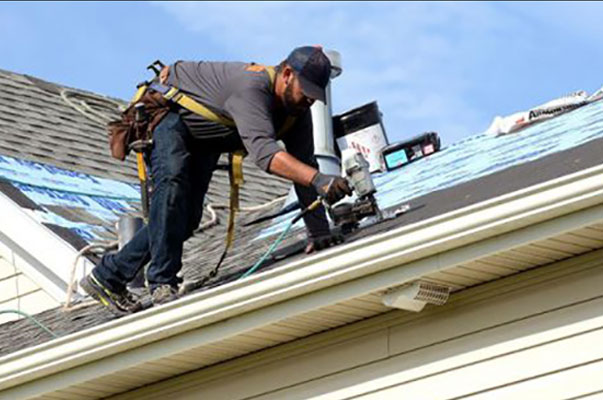
7 Common Signs Your Boise Home Needs a Roof Repair

Don’t Let a Small Leak Become a Major Headache

Your roof is your home’s most critical line of defense against the Treasure Valley’s dynamic weather, from scorching summer sun to heavy winter snow. But even the most resilient roofs experience wear and tear over time. Spotting the early signs of damage is the key to preventing a minor issue from escalating into a costly disaster. For homeowners across Boise, Nampa, and the surrounding areas, being proactive about your roof’s health can save you significant stress and money. Prompt roof repair in Boise not only protects your property’s structure but also ensures the safety and comfort of your family. If you’re seeing signs of wear, it’s time to investigate before the problem worsens.

Key Indicators of Roof Damage to Watch For

You don’t need to be a roofing expert to spot potential problems. Many warning signs are visible from the ground or inside your home. Here are seven common indicators that it’s time to call a professional for an inspection.

1. Damaged or Missing Shingles

This is one of the most obvious signs of roof trouble. Walk around your property and look up. Do you see shingles that are cracked, curling at the edges, or missing entirely? Strong winds, common in our region, can lift and tear shingles, leaving the underlayment exposed. An exposed roof is vulnerable to water intrusion, making this a critical issue to address immediately.

2. Granules in Your Gutters

Asphalt shingles are covered with sand-like granules that protect them from harsh UV rays and weathering. As a roof ages, these granules begin to wear away and are often washed into the gutters. While some loss is normal, finding excessive amounts of granules is a clear signal that your shingles are deteriorating and nearing the end of their effective lifespan.

3. Leaks, Stains, and Interior Water Damage

Sometimes, the first sign of a roof problem appears inside your home. Look for yellow or brown water stains on your ceilings or walls, especially in upper-level rooms or your attic. Peeling paint near the roofline or a persistent musty odor can also point to a hidden leak. A small leak can lead to significant issues like mold growth and structural rot if not addressed. This is a definitive sign you need a professional assessment for your residential roofing.

4. Sagging Roof Deck

A sagging or drooping roof is a serious structural issue that demands immediate attention. It often indicates that the underlying decking has been compromised by moisture and is beginning to rot. From the ground, you might notice a dip or “saddleback” in the roofline. If you see any sagging, contact a professional roofing contractor without delay.

5. Signs of Storm Damage

Hail and high winds can cause significant harm to a roof. After a major storm, it’s wise to perform a visual inspection from the ground. Look for dents on gutters, vents, and flashing, which could indicate similar impact damage on your shingles. Addressing wind and hail damage promptly is crucial, and professional documentation can streamline the process for roof insurance claims.

6. Damaged Flashing

Flashing consists of thin pieces of metal installed around vents, chimneys, and skylights to seal seams and prevent water from seeping in. If this material is cracked, bent, or rusted, it creates a prime entry point for leaks. A thorough inspection will always include checking the condition of the flashing, as it’s a common failure point.

7. Your Roof’s Age

Even without visible damage, age is a critical factor. A typical asphalt shingle roof in Idaho has a lifespan of about 15-25 years. If your roof is approaching or has surpassed the 20-year mark, it’s more susceptible to failure. Knowing the age of your roof can help you decide whether a simple repair is sufficient or if it’s time to start planning for a replacement.

Why You Shouldn’t Postpone a Roof Repair

Ignoring what seems like a minor roofing issue can have serious consequences. A single missing shingle can let in enough water over time to rot the roof deck, ruin insulation, and damage interior drywall. What might have been a straightforward and affordable repair can transform into a complex and expensive restoration project. Prompt action not only saves money but also protects your home’s structural integrity and your peace of mind. Catching issues early is the most effective way to manage your budget and protect your property.

Protecting Your Home in Boise, Nampa, and the Treasure Valley

The unique climate of the Treasure Valley, with its hot summers and cold, snowy winters, puts specific stresses on roofing materials. From Meridian to Eagle, homeowners need a roofing partner who understands these local challenges. A locally owned and operated contractor like Team Construction has the experience to identify problems specific to our area, from roofing in Eagle to serving Meridian’s growing communities. Whether you own a home or a commercial property, regular inspections and timely repairs are essential for extending the life of your roof.

Suspect Roof Damage?

Don’t wait for a small issue to become a major problem. The expert team at Team Construction offers complimentary, no-obligation roof inspections to assess the health of your roof and provide honest recommendations.

Schedule Your Free Inspection

Frequently Asked Questions

How much does a roof repair cost in Boise?

The cost of a roof repair varies widely depending on the extent of the damage, the type of roofing material, and the slope of your roof. A minor repair like replacing a few shingles will be less expensive than repairing significant structural damage. We provide free, detailed estimates so you know the exact cost before any work begins.

Can I repair my own roof?

While some minor fixes may seem simple, roofing work can be dangerous without the proper safety equipment and training. Furthermore, an improper repair can lead to bigger leaks and may even void your roof’s warranty. It’s always safest and most effective to hire a licensed and insured professional.

How long does a typical roof repair take?

Most common roof repairs can be completed in just a few hours. More extensive projects might take a full day. Our team works efficiently to resolve the issue with minimal disruption to your daily life.

Will my homeowner’s insurance cover roof repair?

In many cases, yes. Homeowner’s insurance typically covers damage from unforeseen events like wind, hail, or falling trees. It generally does not cover issues stemming from old age or lack of maintenance. Team Construction specializes in insurance restoration and can help you navigate the claims process from start to finish.

Glossary of Roofing Terms

Flashing: The thin, weatherproof metal strips used to cover seams and joints on a roof, such as around chimneys or in valleys, to prevent water from entering.

Granules: The coarse, sand-like particles on the surface of asphalt shingles that provide protection from UV rays and add color.

Roof Deck (Sheathing): The layer of plywood or oriented strand board (OSB) that is attached to the roof trusses and serves as the foundation for the roofing materials.

Underlayment: A waterproof or water-resistant barrier installed directly on the roof deck before the shingles are applied, providing a secondary layer of protection against moisture.

7 Telltale Signs Your Boise Home Needs Roof Repair

Protecting Your Treasure Valley Investment Starts at the Top

Your roof is your home’s first line of defense against the diverse Idaho weather, from intense summer sun to heavy winter snow. But even the most durable roofs can develop problems over time. Ignoring small signs of wear and tear can lead to costly and extensive damage down the road. For homeowners in Boise, recognizing the early warnings is key to maintaining your property’s safety and value.

This guide outlines seven critical signs that indicate it’s time to seek professional roof repair in Boise. Knowing what to look for can help you address issues promptly and prevent minor headaches from becoming major catastrophes.

Key Indicators of Roof Damage

1. Water Stains on Ceilings or Walls

One of the most obvious signs of a roof leak is water damage inside your home. Discolored patches, peeling paint, or damp spots on your ceilings or running down your walls are definitive red flags. These stains indicate that water has breached your roof and is seeping into your home’s structure. This moisture can lead to wood rot, mold growth, and compromised insulation, making it crucial to act fast.

2. Damaged, Curling, or Missing Shingles

Take a look at your roof from the ground. Do you see shingles that are cracked, curling at the edges, or missing entirely? Boise’s high winds and seasonal storms can easily lift and break shingles, leaving the underlying roof deck exposed. Even a few damaged shingles can create an entry point for water. If you notice significant “bald spots” on your roof, it’s a clear sign you need a professional inspection for wind or hail damage.

3. Excessive Granules in Gutters

Asphalt shingles are coated with small, sand-like granules that protect them from harsh UV rays and weathering. As a roof ages, it will naturally shed some of these granules. However, if you start finding large accumulations of them in your gutters or downspouts, it’s a sign that your shingles are nearing the end of their lifespan. Without this protective layer, they become brittle and less effective.

4. A Sagging Roof Deck

A sagging or drooping roof is a serious structural issue that requires immediate attention. It often indicates trapped moisture has rotted the underlying decking or, in worst-case scenarios, a problem with the foundational supports in your attic. If you notice any sagging, contact a professional roofing contractor immediately to assess the severity of the problem.

5. Unusually High Energy Bills

Your roof plays a vital role in your home’s insulation and energy efficiency. If there are breaches in the roof system, hot or cold air can escape, forcing your HVAC system to work overtime to maintain a comfortable temperature. A sudden, unexplained spike in your heating or cooling costs could be linked to poor attic ventilation or a compromised roof structure.

6. Light Beams in Your Attic

On a sunny day, safely go into your attic and turn off the lights. Look up at the underside of the roof. If you see streaks or pinpricks of light coming through, it means you have holes directly through your roof. While small, these openings are direct pathways for rain, snowmelt, and pests to enter your home.

7. Moss, Mold, or Algae Growth

Dark streaks or patches of green on your roof, especially in shaded areas, can signal the growth of moss, algae, or fungi. These organisms thrive in moist environments and can trap water against the roof surface. Over time, this constant moisture can degrade shingles and lead to rot, making it more than just a cosmetic issue.

Why Timely Roof Repair is Critical for Boise Homeowners

In the Treasure Valley, we experience a full range of weather conditions that put our roofs to the test. Delaying repairs can escalate problems quickly. A small leak can lead to significant structural damage, while a few missing shingles can result in widespread water intrusion during a single storm. Addressing issues as soon as they arise is the most cost-effective way to protect your property. Investing in professional Boise roofing services ensures your home remains safe, secure, and energy-efficient for years to come, preserving its value and giving you peace of mind.

Action Short-Term Outcome Long-Term Consequence
Repair Now Lower, predictable repair cost. Problem contained. Prevents structural damage, extends roof life, maintains property value.
Wait and See Avoids immediate cost, but the problem worsens. Leads to costly structural repairs, mold remediation, and potentially a full roof replacement.

Don’t Wait for a Drip to Become a Disaster

If you’ve noticed any of these signs, it’s time to call the experts. The team at Team Construction offers comprehensive roof inspections to identify issues and provide effective solutions for your residential roofing needs across the Treasure Valley.

Schedule Your Free Roof Inspection Today

Frequently Asked Questions

How often should I have my roof inspected in Boise?

It’s a good practice to have your roof professionally inspected at least once every one to two years. We also strongly recommend an inspection after any major weather event, such as a severe hailstorm or windstorm, to check for acute damage.

Can I perform roof repairs myself?

While minor tasks like cleaning gutters can be a DIY project, most roof repairs should be left to trained and insured professionals. Working on a roof is dangerous without the proper safety equipment and training. Additionally, improper repairs can void your roof’s warranty and often lead to bigger problems.

How long does a typical roof repair take?

The timeline for a roof repair can vary greatly depending on the extent of the damage. Minor repairs, like replacing a few shingles, can often be completed in a few hours. More extensive work may take several days. We provide a clear timeline after our initial inspection.

Will my homeowners insurance cover roof repair costs?

Most standard homeowners insurance policies cover roof damage caused by sudden, accidental events like wind, hail, or falling trees. They typically do not cover damage resulting from lack of maintenance or normal wear and tear. At Team Construction, we specialize in assisting with roof insurance claims and can help you navigate the process from start to finish.

Glossary of Roofing Terms

Roof Deck (or Decking): The layer of material, usually plywood or OSB board, that serves as the foundation for your roofing materials. It is attached to the structural trusses of your home.

Flashing: Pieces of metal or other impervious material installed to prevent the passage of water into a structure from a joint or as part of a weather-resistant barrier system. It’s typically found around chimneys, vents, and skylights.

Granules: The ceramic-coated mineral fragments that are applied to the surface of asphalt shingles to protect them from UV rays and add color.