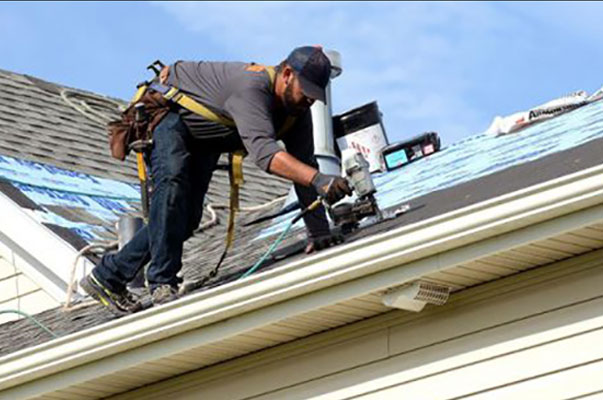
The Ultimate Guide to Commercial Roofing for Your Meridian Business

Protecting Your Meridian Commercial Property Starts at the Top

For business owners and property managers in Meridian, Idaho, a roof is more than just shelter. It’s a critical asset that protects your inventory, employees, and operations from the Treasure Valley’s demanding climate. A failing commercial roof can lead to expensive disruptions, water damage, and even structural failure. With hot summers, cold winters with significant snowfall, and the potential for damaging hail, selecting the right roofing system isn’t just a choice—it’s a crucial business decision that impacts your property’s value, energy costs, and long-term stability.

Understanding the best options for Meridian roofing ensures your investment is secure for decades. This guide explores the most effective materials and key considerations for choosing a robust, long-lasting commercial roof.

Understanding Your Commercial Roofing Options

Most commercial buildings feature flat or low-slope roofs, which require specialized materials to handle drainage and weather exposure. Here are some of the most popular and effective solutions for businesses in Idaho.

TPO (Thermoplastic Olefin) Roofing

TPO has become a leading choice for commercial flat roofs due to its balance of durability, cost-effectiveness, and energy efficiency. This single-ply membrane’s characteristically white surface is highly reflective, bouncing UV rays away from your building during intense Idaho summers. This reduces heat absorption, which can significantly lower air conditioning costs. TPO is also highly resistant to punctures, tears, and chemical exposure, making it a versatile option for various commercial properties.

EPDM (Ethylene Propylene Diene Monomer) Roofing

Often referred to as a “rubber roof,” EPDM is a synthetic rubber membrane known for its exceptional durability and flexibility. It performs very well in cold climates, as it can expand and contract with temperature fluctuations without cracking. This makes it an excellent choice for navigating Meridian’s freeze-thaw cycles. With a proven lifespan that can extend from 22 to 35 years or more, EPDM is a reliable and time-tested option for long-term protection.

Metal Roofing

For unmatched longevity and resilience, metal roofing is a premier choice. Ideal for both low-slope and steeper commercial roofs, metal systems offer superior protection against high winds, heavy snow, and hail. Modern metal roofs are available with reflective coatings that improve energy efficiency, and their durability means they can last 40 to 60 years or longer with proper maintenance. While the initial investment is higher, the long-term value and low maintenance needs make it a wise financial decision.

Did You Know?

A reflective or “cool roof,” like white TPO, can lower a roof’s surface temperature by as much as 50°F. This drastically reduces the amount of heat transferred into the building, leading to lower energy bills and a more comfortable indoor environment. Furthermore, proactive maintenance can extend the life of a commercial roofing system by up to 50%, preventing the need for a costly premature replacement.

Comparing Commercial Roofing Materials

Choosing the right material involves balancing cost, durability, and maintenance needs. This table provides a quick comparison of the top options for Meridian businesses.

Material Average Lifespan Key Advantages Best For
TPO 20-30 years High energy efficiency, UV resistance, cost-effective. Retail centers, office buildings, warehouses.
EPDM 25-35 years Excellent flexibility in cold, durable, weather-resistant. Properties in climates with freeze-thaw cycles.
Metal 40-60+ years Exceptional longevity, superior durability against hail/snow, low maintenance. Businesses seeking a long-term, high-performance investment.

The Importance of Professional Installation and Maintenance

Even the best materials will fail if not installed correctly. Proper installation of a commercial roofing system is crucial for ensuring watertight seals, correct flashing around HVAC units and vents, and adequate drainage to prevent ponding water. A qualified local contractor understands Meridian’s specific building codes and climatic demands.

Regular maintenance is equally important. Bi-annual inspections, typically in the spring and fall, can identify potential issues like clogged drains, minor punctures, or damage from storms before they escalate into major problems requiring expensive roof repairs. This proactive approach not only extends your roof’s lifespan but also protects your business from unexpected disruptions from issues like wind and hail damage.

Protect Your Meridian Business with an Expert Roof Inspection

Don’t wait for a small leak to become a major liability. The experts at Team Construction provide comprehensive commercial roof inspections and high-quality installation services tailored to the unique needs of Treasure Valley businesses. We can also assist with your roof insurance claims to streamline the process.

Get Your Free Estimate Today

Frequently Asked Questions (FAQ)

How often should a commercial roof be inspected?

It’s recommended to have your commercial roof professionally inspected at least twice a year, ideally in the spring and fall. This helps prepare the roof for the upcoming extreme weather of summer and winter and addresses any damage from the previous season. An inspection is also critical after any major weather event, like a hailstorm.

What are signs my commercial roof needs attention?

Key warning signs include visible ponding water (water that stays for more than 48 hours after rain), bubbles or blisters in the roof membrane, cracked or peeling sealant around flashing, and visible signs of water damage or leaks inside the building.

Can my commercial roof be repaired, or does it need a full replacement?

This depends on the age of the roof and the extent of the damage. Minor issues like small punctures or localized seam problems can often be repaired. However, if the damage is widespread, the membrane is past its service life, or there are underlying issues with the insulation, a full replacement is often the more cost-effective long-term solution.

How long does a commercial roof installation take?

The timeline depends on the size and complexity of the roof, the materials being used, and weather conditions. A smaller commercial project might take a few days, while a large industrial roof could take several weeks. A professional contractor will provide a detailed timeline before work begins.

Glossary of Terms

Flashing

Pieces of metal or other material used to prevent water from seeping into the seams of a roof, particularly around penetrations like vents, chimneys, or walls.

Membrane

The primary waterproofing layer of a roof, often used to describe single-ply systems like TPO and EPDM. These materials are rolled out in large sheets to cover the roof surface.

Ponding Water

Water that stands on a flat or low-slope roof for more than 48 hours after rainfall. It’s a sign of poor drainage and can accelerate the deterioration of roofing materials.

Single-Ply Roofing

A type of roofing system consisting of one layer of material. TPO, EPDM, and PVC are the most common types of single-ply membranes used in commercial roofing.

Choosing the Right Commercial Roofing System for Your Nampa, ID Property

A Guide for Business Owners and Property Managers

Your commercial roof is more than just a cover; it’s a critical asset that protects your business, inventory, and employees from the unpredictable Idaho weather. For property managers and business owners in Nampa, selecting the right commercial roofing system is a significant decision that impacts your building’s structural integrity, energy efficiency, and long-term operational costs. The right choice can lead to decades of reliable performance, while an unsuitable system can result in costly repairs and disruptions. This guide breaks down the essential factors to consider, from material selection to understanding local weather challenges, ensuring you make an informed investment in your property’s future.

Understanding Your Commercial Roofing Options

The world of commercial roofing offers a variety of materials, each with unique benefits suited for different building types and climates. Understanding these options is the first step toward selecting a roof that will stand strong for years to come. Here are some of the most common and effective commercial roofing systems available for Nampa businesses.

TPO (Thermoplastic Olefin) Roofing

TPO is a single-ply roofing membrane that has become incredibly popular for commercial, flat, or low-slope roofs. Known for its energy efficiency, a TPO roof’s white, reflective surface helps keep buildings cooler by deflecting the sun’s UV rays, which is a significant advantage during Idaho’s hot summers. This material is also highly resistant to punctures, tears, and mold growth, making it a durable and low-maintenance choice. Its flexibility allows it to handle the temperature fluctuations common in our region.

EPDM (Ethylene Propylene Diene Monomer) Roofing

Often referred to as rubber roofing, EPDM is a synthetic rubber membrane known for its exceptional durability and longevity. It’s highly resistant to severe weather conditions, from intense sun to freezing temperatures, making it a reliable performer in varied climates like Nampa’s. While traditionally black, which helps absorb heat in colder months, EPDM is also available in lighter colors. It’s a cost-effective and proven material that has been a mainstay in commercial roofing for decades.

Metal Roofing

Metal roofing is an excellent choice for businesses seeking longevity, style, and superior durability. Materials like steel, aluminum, and copper offer exceptional resistance to fire, wind, and impact. In a place like Nampa, where we can experience heavy snowfall, a metal roof’s smooth surface allows snow and ice to slide off easily, preventing dangerous accumulation and the formation of ice dams. Though the initial investment can be higher, a metal roof can last for 50 years or more with minimal maintenance.

The Impact of Nampa’s Climate on Your Roof

Idaho’s four-season climate presents unique challenges for commercial roofs. Property owners in Nampa and the wider Treasure Valley must account for intense sun, heavy snowfall, hailstorms, and significant temperature swings. A roof that isn’t suited for this environment will degrade quickly, leading to leaks, energy loss, and potential structural damage.

Sun and Heat: Prolonged exposure to UV rays can cause roofing materials to break down, become brittle, and crack. The summer heat also causes materials to expand and contract, which can weaken seams and flashing over time.

Snow and Ice: Heavy snowfall can put immense weight and stress on a roof’s structure. The freeze-thaw cycle is particularly damaging; as water melts and refreezes, it can create ice dams that block drainage and force water underneath the roofing membrane, leading to leaks and interior damage.

Wind and Hail: Strong winds can lift roofing materials, especially around the edges and corners. Hailstorms, which are not uncommon in our area, can cause punctures, dents, and granule loss on shingles, compromising the roof’s protective layer. After a significant weather event, scheduling a professional roof inspection is crucial to identify and address damage before it escalates.

Proactive Maintenance: The Key to Longevity

Regardless of the material you choose, proactive maintenance is the most effective way to extend the life of your commercial roof and prevent costly emergency repairs. A regular maintenance plan allows you to catch minor issues before they become major problems.

Essential Commercial Roof Maintenance Checklist

  • Regular Inspections: Have your roof professionally inspected at least twice a year, typically in the spring and fall, and after any major storm.
  • Debris Removal: Keep the roof surface, gutters, and drains clear of leaves, branches, and other debris to ensure proper water drainage. Clogged drains can lead to ponding water, a primary cause of roof deterioration.
  • Check for Surface Damage: Look for signs of wear and tear, such as cracks, blisters, open seams, or punctures in the membrane.
  • Inspect Flashing: The flashing around vents, skylights, and HVAC units is a common failure point. Ensure it is secure and properly sealed to prevent leaks.
  • Address Ponding Water: Any water that remains on the roof for more than 48 hours after rain indicates a drainage problem that needs to be resolved promptly.

A well-maintained roof not only protects your investment but also ensures business continuity. Should you suspect any issues, a prompt call for roof repair can save you from significant headaches down the road.

Navigating Nampa Building Codes and Insurance

Any commercial roofing project in Nampa must comply with local building regulations. The City of Nampa has adopted versions of the International Building Code (IBC) and International Residential Code (IRC) that specify requirements for things like roof load capacity, materials, and installation methods. For example, Nampa specifies a ground snow load of 20 PSF, with a design roof load of at least 25 psf. Additionally, commercial re-roofing projects typically require a permit.

Working with a contractor who is knowledgeable about these local codes is essential to ensure your project is compliant and passes inspection. Furthermore, a professional contractor can be an invaluable asset when dealing with roof insurance claims. After storm damage, an experienced team can document the issues, meet with adjusters, and ensure the restoration work meets both code and your insurer’s requirements.

Protect Your Nampa Commercial Property with Team Construction

Choosing, installing, and maintaining a commercial roof is a major responsibility. At Team Construction, we have been serving businesses in Nampa, Boise, and across the Treasure Valley for years. As a locally owned and operated contractor, we understand the challenges of the Idaho climate and are dedicated to providing superior workmanship and reliable service. Whether you need a new roof, repairs, or an expert to guide you through an insurance claim, our team is here to help.

Get Your Free Estimate Today

Frequently Asked Questions (FAQ)

How often should I have my commercial roof inspected in Nampa?

It’s best practice to have your commercial roof professionally inspected twice a year—once in the spring to check for winter damage and once in the fall to prepare for the coming cold. You should also schedule an inspection after any severe weather event, like a hailstorm or high winds.

What are the signs of a failing commercial roof?

Common warning signs include visible blistering, cracking, or tears in the roofing material; ponding water that doesn’t drain after 48 hours; loose flashing around roof penetrations; and signs of water leaks or stains on the interior ceilings or walls. If you notice any of these, it’s time to call a professional.

Can my commercial roof be repaired, or does it need to be replaced?

This depends on the age of the roof, the extent of the damage, and the type of roofing system. Minor issues like small punctures or open seams can often be repaired. However, if the damage is widespread, the membrane is past its service life, or there are significant underlying issues, a full replacement may be more cost-effective in the long run. An honest contractor will provide a thorough assessment and recommend the best course of action.

How does Team Construction help with commercial roof insurance claims?

Our team specializes in insurance restoration. We start with a comprehensive inspection to document all storm-related damage. We then work directly with your insurance company, providing detailed estimates and evidence to ensure your claim is processed fairly and efficiently, from start to finish.

A Business Owner’s Guide to Commercial Roofing in Idaho

Protecting Your Investment from the Top Down

For any business in Boise or the Treasure Valley, your commercial property is one of your most significant assets. Its roof, the primary shield against Idaho’s dynamic weather, plays a crucial role in protecting that asset, your inventory, and daily operations. A-roof is more than just a cover; it’s a complex system that requires professional expertise to install, maintain, and repair. Neglecting your commercial roof can lead to disruptive leaks, structural damage, and costly emergency repairs that impact your bottom line. Understanding the essentials of commercial roofing is the first step toward long-term security and peace of mind.

Whether you manage an office building in downtown Boise, a retail space in Meridian, or a warehouse in Eagle, this guide will walk you through the key aspects of commercial roofing, from material selection to proactive maintenance and handling insurance claims after a storm.

Choosing the Right Roofing System for Your Business

The type of roofing system best suited for your commercial property depends on several factors, including the building’s structure, slope, budget, and energy efficiency goals. Here are some of the most common types of commercial roofing systems we see in the Treasure Valley.

TPO (Thermoplastic Olefin) Roofing

TPO is a single-ply membrane known for its durability, energy efficiency, and resistance to UV rays, punctures, and chemical exposure. Its white, reflective surface helps keep buildings cooler during hot Idaho summers, reducing HVAC costs. It’s a popular choice for low-slope or flat roofs on office buildings and retail centers.

EPDM (Ethylene Propylene Diene Monomer) Roofing

Often referred to as a “rubber roof,” EPDM is a synthetic rubber membrane that offers exceptional durability and a long lifespan, often exceeding 30 years with proper maintenance. It’s highly resistant to weathering, hail, and temperature fluctuations, making it a reliable option for Idaho’s climate. While traditionally black, it is also available in white to offer similar reflective properties to TPO.

Metal Roofing

Metal roofs, typically made of steel or aluminum, are known for their exceptional longevity, fire resistance, and superior performance against wind and snow. While often associated with sloped roofs, standing-seam metal systems are also excellent for low-slope commercial applications. They offer a modern aesthetic and are highly sustainable, making them a great long-term investment.

Asphalt Shingles (For Sloped Roofs)

For commercial properties with sloped roof designs, such as apartment complexes, churches, or professional offices, architectural asphalt shingles are a cost-effective and reliable choice. They offer a wide variety of styles and colors to match your building’s aesthetic. If your business has a sloped roof, our residential roofing expertise directly applies to ensure a quality installation.

Quick Facts: Commercial Roofing

Fact 1: A reflective “cool roof” (like white TPO or EPDM) can lower roof surface temperatures by up to 50°F, significantly reducing air conditioning costs.

Fact 2: Proactive roof maintenance can extend a commercial roof’s lifespan by up to 50%, preventing costly premature replacement.

Fact 3: Most commercial roof leaks occur at points of penetration—vents, HVAC units, and flashing. Regular inspections are key to catching these issues early. Need a professional look? Schedule a free roof inspection today.

Proactive Maintenance: Preventing Problems Before They Start

The most effective way to manage roofing costs and avoid disruption is through a proactive maintenance plan. Waiting for a leak to appear means damage has already occurred. Here are essential steps for property managers in Boise.

Step 1: Conduct Bi-Annual Inspections

Your roof should be professionally inspected at least twice a year, typically in the spring and fall. These inspections prepare your roof for the summer heat and winter snow, identifying any damage from the previous season. An Idaho roofing contractor can spot subtle signs of weakness that an untrained eye might miss.

Step 2: Keep Drains and Gutters Clear

Clogged drains are a primary cause of ponding water on flat roofs. This standing water accelerates the deterioration of roofing materials and can lead to major leaks. Ensure all drains, scuppers, and gutters are free of leaves, dirt, and other debris.

Step 3: Document and Address Minor Repairs Immediately

Small issues like a cracked sealant, a loose piece of flashing, or a minor puncture can quickly escalate. Promptly addressing these small fixes prevents water intrusion and saves thousands in potential damages. Don’t hesitate to call for a roof repair, no matter how small it seems.

The Eagle, Idaho Advantage: Local Expertise Matters

As a business owner in Eagle, Idaho, you face unique environmental challenges. From intense summer sun and hailstorms to heavy winter snow loads, your roof must be built to withstand it all. Working with a local, full-service contractor like Team Construction provides a distinct advantage. We don’t just work here; we live here. We understand the specific weather patterns and building codes that affect Eagle, Meridian, and the entire Treasure Valley.

Our experience extends beyond just roofing. Storms that damage a roof can also compromise siding and windows. We offer comprehensive insurance restoration services, assessing your entire building exterior. If your property requires new siding or window replacement alongside a roof repair, our team can manage the entire project seamlessly. This integrated approach, including expert help with roof insurance claims, simplifies the process for you, ensuring your business is protected from top to bottom.

Is Your Commercial Roof Ready for the Next Season?

Don’t wait for a small issue to become a major expense. The expert team at Team Construction offers complimentary commercial roof inspections to identify potential problems and provide you with a clear, honest assessment. Protect your business and your investment.

Request Your Free Inspection Today

Frequently Asked Questions

How long does a commercial roof typically last?

The lifespan varies greatly by material. EPDM and TPO roofs can last 20-30 years, while a well-maintained metal roof can last 50 years or more. Regular maintenance is the key to maximizing any roof’s lifespan.

Can my commercial roof be repaired, or does it need to be replaced?

This depends on the age of the roof and the extent of the damage. Localized damage can often be repaired effectively. However, if the roofing system is nearing the end of its lifespan or has widespread issues, a full replacement is often the more cost-effective long-term solution. Our team provides honest assessments to help you decide.

What is “ponding water” and why is it bad?

Ponding water is standing water that remains on a flat roof for more than 48 hours after rainfall. It’s a sign of a drainage problem. The weight of the water adds stress to the structure, and it accelerates the breakdown of roofing materials, leading to leaks.

Do you work with insurance companies on commercial claims?

Yes. Team Construction has extensive experience with commercial roof insurance claims. We document damage thoroughly, meet with adjusters, and ensure the process is as smooth as possible for you, whether it’s from hail, wind, or other storm damage.

Glossary of Terms

Flashing: Pieces of metal or other waterproof material used to cover and protect joints on a roof, such as where a vent pipe meets the roof deck. This is a common failure point if not installed correctly.

Low-Slope Roof: A roof with a very slight pitch, often referred to as a “flat roof.” These roofs require watertight membrane systems like TPO or EPDM rather than shingles.

Membrane: The primary layer of waterproofing material on a low-slope roof. TPO and EPDM are types of roofing membranes.

Penetration: Anything that comes through the roof deck, such as pipes, vents, skylights, or HVAC units. Each penetration must be properly sealed to prevent leaks.

Single-Ply: A roofing system consisting of one layer of material, like TPO or EPDM membranes.