A Property Manager’s Guide to Commercial Roofing in Eagle, ID

Protecting Your Investment from the Top Down

For commercial property managers and business owners in Eagle and the Treasure Valley, the roof over your head is more than just a structure—it’s the primary shield protecting your assets, inventory, and operations. A durable, well-maintained roof is critical for business continuity. Understanding the nuances of different commercial roofing systems, recognizing early signs of failure, and knowing when to call a professional can save you from costly disruptions, extensive property damage, and complex insurance claims. This guide breaks down the essential aspects of commercial roofing to help you make informed decisions for your property.

Key Differences Between Commercial and Residential Roofing

While both types of roofs serve the same fundamental purpose, their design, materials, and maintenance requirements differ significantly. Residential roofs are typically steep-sloped to shed water quickly. In contrast, most commercial buildings feature low-slope or flat roofs. This design maximizes space for HVAC units, vents, and other equipment but requires a different approach to water drainage and weather resistance.

Materials used for commercial systems are engineered for vast surface areas and long-term durability against ponding water, UV radiation, and foot traffic. Unlike the shingles on your home, a commercial roof is a complex system of membranes, insulation, and flashing designed to work together as a single, waterproof barrier. This complexity demands specialized expertise for installation and roof repair.

Common Commercial Roofing Systems in Idaho

Choosing the right roofing system depends on your building’s structure, budget, and local climate. Here are some of the most prevalent options for businesses in our region:

TPO (Thermoplastic Olefin)

A popular choice for its energy efficiency and durability. TPO is a single-ply membrane known for its heat-reflective surface, which helps lower cooling costs during hot Idaho summers. It’s resistant to punctures, tears, and chemical exposure, making it a versatile and cost-effective solution.

EPDM (Ethylene Propylene Diene Monomer)

Often referred to as a “rubber roof,” EPDM is a synthetic rubber membrane highly regarded for its longevity and resilience. It performs exceptionally well in cold weather, resisting hail and temperature fluctuations without becoming brittle. Its dark color can also help melt snow in the winter.

PVC (Polyvinyl Chloride)

PVC roofing is another excellent single-ply membrane, valued for its strength and resistance to fire, chemicals, and grease. The seams are heat-welded to form a monolithic, watertight sheet, making it ideal for restaurants or manufacturing facilities where vents might expel oils or other reactive substances.

Metal Roofing

While often associated with sloped roofs, standing-seam metal systems are also a premium choice for low-slope commercial applications. They offer exceptional longevity (50+ years), superior resistance to wind and hail damage, and a modern aesthetic. Though the initial investment is higher, their lifecycle cost is often lower due to minimal maintenance.

Identifying Potential Problems: A Proactive Approach

Regular inspections are the cornerstone of effective commercial roof management. Proactively identifying minor issues can prevent them from escalating into major liabilities. As a property manager, you should watch for:

  • Ponding Water: Water that remains on the roof for more than 48 hours after rainfall indicates a drainage problem that can accelerate material degradation.
  • Blisters or Bubbles: These formations in the roof membrane are often caused by trapped moisture or air, which can compromise the roof’s integrity.
  • Damaged Flashing: The metal seals around vents, skylights, and HVAC units are common failure points. Look for gaps, rust, or sealant deterioration.
  • Visible Seam Gaps: On membrane roofs, seams are the most vulnerable areas. Any lifting or separation requires immediate attention.
  • Interior Water Stains: The most obvious sign of a leak. By the time you see stains on the ceiling, the damage to insulation and decking could already be significant.

If you spot any of these signs, scheduling a professional roof inspection is critical to assess the extent of the damage and formulate a repair plan.

The Local Factor: Commercial Roofing in Eagle, ID

Businesses in Eagle face Idaho’s distinct four-season climate, from intense summer sun and heat to heavy snowfall and freezing temperatures in winter. This rapid thermal cycling puts immense stress on roofing materials. Furthermore, our region is prone to sudden, severe thunderstorms that bring high winds and hail, posing a direct threat to your property.

Working with a local Eagle roofing contractor who understands these specific challenges is a major advantage. At Team Construction, we have years of experience installing and maintaining commercial roofs across the Treasure Valley. We know which materials perform best against our local weather patterns and are adept at handling storm damage assessments and navigating roof insurance claims to ensure your business is protected and your restoration is seamless.

Protect Your Business with a Professional Roof Inspection

Don’t wait for a small leak to become a major disaster. The experts at Team Construction provide comprehensive commercial roof inspections to identify potential issues before they impact your operations. Let our team give you the peace of mind that your investment is secure.

Request Your Free Estimate

Frequently Asked Questions (FAQ)

How often should I have my commercial roof inspected?

We recommend professional inspections at least twice a year—once in the spring to assess any winter damage and once in the fall to prepare for the coming cold. It’s also crucial to get an inspection immediately after any severe weather event, such as a major hailstorm or high winds.

Can my existing commercial roof be repaired, or does it need to be replaced?

This depends on the age of the roof, the extent of the damage, and the type of roofing system. Minor punctures, seam issues, or localized damage can often be repaired effectively. However, if the damage is widespread, the membrane is past its service life, or there is significant underlying moisture in the insulation, a full replacement is usually the most cost-effective long-term solution.

What is a roofing warranty, and what does it cover?

Commercial roofing warranties typically come in two parts: the manufacturer’s warranty, which covers defects in the roofing material itself, and the contractor’s workmanship warranty, which covers installation errors. It’s vital to understand the terms of both. At Team Construction, we stand behind our quality workmanship and use materials from top manufacturers to provide robust, long-term protection for your investment.

How can a new roof improve my building’s energy efficiency?

Modern roofing materials, particularly “cool roof” systems like white TPO or PVC, are highly reflective. They reflect a significant portion of the sun’s UV rays instead of absorbing them. This reduces the heat transferred into the building, lowering the workload on your HVAC system and leading to tangible energy savings, especially during peak summer months.
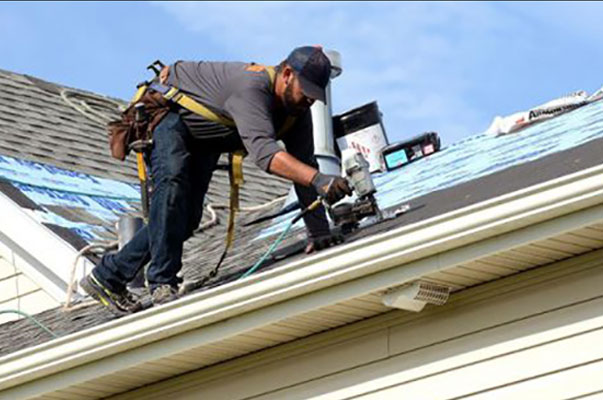
Choosing the Right Roofing Contractor in Eagle, ID: A Complete Guide

Protecting Your Eagle Home Starts from the Top

Your roof is your home’s first line of defense against the diverse Idaho weather, from heavy winter snowfalls to intense summer sun. For homeowners in Eagle, ID, selecting a qualified and reliable roofing contractor is one of the most critical decisions you can make for your property’s longevity and safety. The right roofer not only installs or repairs your roof but also provides peace of mind. But with so many options, how do you identify a truly professional and trustworthy team? This guide will walk you through the essential factors to consider when hiring a roofing contractor in Eagle, ID, ensuring you invest in quality, durability, and craftsmanship that lasts.

The Core Qualities of a Top-Tier Roofing Contractor

1. Proper Licensing and Comprehensive Insurance

This is the absolute baseline for any contractor you consider. A reputable roofer must be licensed by the state of Idaho and carry both general liability insurance and worker’s compensation. Liability insurance protects your property from accidental damage during the project, while worker’s compensation covers their crew in case of injury. Don’t hesitate to ask for proof of these documents. A professional contractor will provide them without hesitation.

2. Proven Local Experience and a Strong Reputation

A contractor with deep roots in the Treasure Valley understands the specific challenges our climate presents. They know which materials perform best against summer heat and winter ice, and they are familiar with local building codes in Eagle. Look for a company with a long history of serving the community, positive online reviews, and a portfolio of completed local projects. This local presence often translates to greater accountability and faster service.

3. Quality Materials and Strong Warranties

The best contractors use high-quality materials from trusted manufacturers and stand behind their work with robust warranties. Ask about the types of shingles or materials they recommend and why. A dependable roofer will offer both a manufacturer’s warranty on the materials and a separate workmanship warranty to cover the installation itself. A lifetime warranty is a powerful indicator of a company’s confidence in its services.

4. Clear Communication and Detailed Estimates

From the initial inspection to the final walkthrough, communication should be clear, consistent, and professional. A detailed written estimate is crucial. It should outline the full scope of work, material costs, labor costs, payment schedule, and an estimated timeline. Vague quotes or pressure to sign a contract immediately are significant red flags.

Why Idaho’s Climate Demands Expert Roofing

Eagle’s four-season climate puts immense stress on a roofing system. The intense summer sun can bake and crack shingles, while heavy snow and ice dams in winter can force moisture under the roof deck, leading to leaks and structural damage. Sudden thunderstorms can bring high winds and hail, causing significant and often hidden problems. An experienced Idaho roofing contractor knows how to properly ventilate an attic to fight heat buildup and install robust underlayment and flashing to prevent ice and water intrusion. This expertise is vital for preventing costly wind and hail damage and ensuring your roof can handle everything the Treasure Valley weather throws at it.

DIY Assessment vs. Professional Roof Inspection

Aspect DIY Assessment (From Ground) Professional Inspection
Safety Safe; avoids climbing on the roof. Technicians use proper safety gear for on-roof access.
Detection Can spot obvious issues like missing shingles or large dents. Identifies subtle issues like granule loss, cracked flashing, and soft spots indicating moisture.
Accuracy Limited view may lead to missing critical problems. Provides a comprehensive report on the roof’s health, lifespan, and needed repairs.
Insurance Not sufficient for an insurance claim. Professional documentation is essential for an effective roof insurance claim.

Beyond the Shingles: Comprehensive Exterior Services

Your home’s protection system is more than just the roof. A truly full-service contractor can address the entire exterior envelope of your property. This ensures all components work together seamlessly. At Team Construction, we offer a range of services to protect and enhance your Eagle home, including:

  • Residential and Commercial Roofing: From minor roof repairs to full replacements, we handle projects of all sizes for homes and businesses.
  • Siding Installation: Upgrading your siding improves curb appeal and adds a vital layer of insulation and weather protection. Learn more about our siding installation services.
  • Window Replacement: Modern, energy-efficient windows can lower utility bills and improve comfort. We provide expert window installation and replacement.
  • Insurance Restoration: We specialize in navigating the complexities of insurance claims after a storm, ensuring your home is restored correctly and efficiently.

Did you know?

Even minor hail can compromise your shingles by creating small bruises that dislodge the protective granules. Over time, UV exposure breaks down these spots, leading to premature aging and leaks. A professional inspection is the only way to be sure your roof is secure after a storm.

Your Local Partner for Eagle, Meridian, and Boise Roofing

As a locally owned and operated contractor, Team Construction is proud to serve our neighbors in Eagle, Meridian, Boise, and across the Treasure Valley. We aren’t a storm-chasing company that disappears after the work is done. We are part of this community, and our reputation is built on delivering quality workmanship and outstanding customer service on every project, whether it’s a small repair or a large-scale commercial installation.

Ready to Protect Your Investment?

Don’t wait for a small leak to become a major problem. Get a free, no-obligation inspection and estimate from the trusted roofing experts at Team Construction.

Get Your Free Estimate Today

Frequently Asked Questions

How often should I have my roof inspected in Eagle, ID?

We recommend a professional inspection every 1-2 years, and always after a significant storm involving hail or high winds. Regular inspections catch minor issues before they escalate, saving you money in the long run.

What are common signs that I might need a new roof?

Look for shingles that are curling, cracking, or buckling; significant granule loss in your gutters; water stains on your ceiling; or a roof that is over 20-25 years old. If you see any of these signs, it’s time to call for a professional assessment.

Do you assist with insurance claims for storm damage?

Absolutely. We are experts in insurance restoration. We can help document damage, meet with your insurance adjuster, and ensure the claim covers all necessary repairs to restore your property to pre-storm condition.

How long does a typical roof replacement take?

For an average-sized residential home, a full roof replacement can typically be completed in 1 to 3 days, depending on the weather, roof complexity, and materials used. We always work to minimize disruption to your daily life.

How to Choose the Best Roofing Contractor in Eagle, ID

A Homeowner’s Guide to Finding a Trusted Local Roofer

Your roof is your home’s first line of defense against the elements. Here in Eagle, Idaho, that means protection from intense summer sun, heavy snowfall, and unexpected wind and hail storms. Choosing the right roofing contractor isn’t just a matter of completing a project—it’s about safeguarding your investment and ensuring your family’s safety. With numerous options available, finding a reliable, skilled, and honest professional can feel overwhelming. This guide will walk you through the essential steps to select a roofing contractor in Eagle, ID, who will get the job done right the first time.

Key Qualities of a Top-Tier Roofing Contractor

Local Expertise & Reputation

A local contractor understands the specific challenges of the Treasure Valley climate. They know which materials perform best against our region’s weather patterns and are familiar with local building codes and permit requirements. A long-standing presence in the community, like in Eagle or Boise, is a strong indicator of reliability and quality work. Check their history, look at their completed projects, and ask for local references. A company proud of its work will be happy to provide them.

Proper Licensing & Insurance

This is non-negotiable. A professional contractor must carry both liability insurance and worker’s compensation. Liability insurance protects your property from accidental damage, while worker’s compensation covers their crew in case of injury on your property. Always ask for proof of these documents before signing any contract. Without them, you could be held financially responsible for accidents or damages.

Quality Materials & Strong Warranties

The best contractors use high-quality materials from reputable manufacturers and offer robust warranties covering both the materials and their workmanship. Ask about the brands they use and the types of warranties available. A lifetime warranty on workmanship demonstrates a contractor’s confidence in their installation and provides you with long-term peace of mind for your residential roofing project.

Experience with Insurance Claims

After a storm, dealing with insurance providers can be a complex process. An experienced contractor can be your most valuable advocate. They know how to properly document wind and hail damage, provide detailed assessments, and communicate effectively with adjusters. This expertise can make the difference in getting your roof insurance claim approved without unnecessary delays or denials.

Did You Know?

Minor hail damage, often invisible from the ground, can crush the protective granules on your asphalt shingles. Over time, UV rays break down the exposed asphalt, leading to leaks and premature aging of your roof. A professional post-storm inspection is crucial to catch this type of hidden damage early.

Your 4-Step Vetting Process

Step 1: Gather Local Recommendations

Start by asking neighbors, friends, or colleagues in the Eagle area for recommendations. Personal referrals are often the most reliable. Look for companies with a visible presence in your community—yard signs and branded trucks are a good sign of a busy, reputable roofer.

Step 2: Do Your Online Research

Check online reviews on Google and other platforms. While a single negative review isn’t a deal-breaker, pay attention to the overall trend and how the company responds to feedback. Visit their website to learn more about their services, experience, and certifications. A professional website often reflects a professional company.

Step 3: Get Multiple, Detailed Estimates

Don’t settle for the first quote. Aim for at least three written estimates. A thorough estimate should be a detailed document, not just a number on a business card. It should clearly outline the scope of work, materials to be used, labor costs, and project timeline. Be wary of any quote that is significantly lower than the others, as it may indicate subpar materials or inexperienced labor.

Step 4: Ask the Right Questions

When you meet with a potential contractor, have a list of questions ready. These might include:

  • Are you licensed to work in Eagle, Idaho?
  • Can I see proof of your general liability and worker’s compensation insurance?
  • Who will be the project manager for my job?
  • What steps do you take to protect my property (landscaping, siding, etc.) during the project?
  • How do you handle unexpected issues, like rotted decking found after tearing off the old roof?
  • What is your policy for cleanup after the project is complete?

Understanding Your Roofing Estimate

Component What to Verify
Scope of Work Ensure it specifies tear-off of old roofing, underlayment replacement, flashing work, and installation of new materials.
Material List The type, brand, and color of shingles, underlayment, and other components should be clearly listed.
Labor & Permits Confirm that all labor costs, permit fees, and disposal/cleanup fees are included to avoid surprise charges.
Warranty Information The estimate should detail both the manufacturer’s warranty on materials and the contractor’s warranty on workmanship.

Ready for a Stress-Free Roofing Experience?

At Team Construction, we are a locally owned and operated Boise roofing contractor dedicated to serving our neighbors in Eagle and across the Treasure Valley. We combine quality workmanship, lifetime warranties, and direct insurance assistance to provide a seamless experience from start to finish. Let us show you the difference a dedicated team makes.

Get Your Free Inspection

Frequently Asked Questions

How do I know if I need a roof repair or a full replacement?

The decision depends on the age of your roof and the extent of the damage. A few missing shingles or a minor leak can often be addressed with a targeted roof repair. However, if your roof is over 15-20 years old, has widespread damage, or shows signs of chronic issues like curling shingles and granule loss, a full replacement is usually the more cost-effective long-term solution.

How much does a new roof cost in Eagle, ID?

The cost of a new roof varies significantly based on factors like the size and slope of your roof, the materials you choose (e.g., architectural asphalt shingles vs. metal), and the complexity of the job. The best way to get an accurate figure is to schedule a free, no-obligation inspection and estimate.

Will you help me with my insurance claim?

Absolutely. We specialize in insurance restoration and storm damage repair. Our team can perform a thorough inspection, document all damage with photos and detailed notes, and work directly with your insurance company to ensure the process is as smooth and efficient as possible for you.

What happens if you find damaged decking under my old shingles?

This is a common occurrence, especially with older roofs. A professional contractor will include a contingency plan in their contract outlining the cost per sheet to replace any rotted or damaged wood decking. We will always inform you and get your approval before proceeding with any additional work not covered in the original estimate.