Navigating Roof Insurance Claims in Eagle, ID: A Homeowner’s Guide

Don’t Let Storm Damage Stress You Out. Understand Your Insurance Claim.

Here in Eagle and across the Treasure Valley, we’re no strangers to severe weather. A sudden hailstorm or a powerful windstorm can leave a trail of destruction, with your home’s roof often taking the biggest hit. Discovering that your roof is damaged is stressful enough, but the process of filing an insurance claim can feel overwhelming and confusing. Many homeowners aren’t sure where to start, what to say to their insurance company, or how to ensure they receive a fair settlement for the necessary repairs.

This guide is here to help. At Team Construction, we don’t just repair and replace roofs; we help our neighbors in Eagle navigate the complexities of the roof insurance claim process from start to finish. We believe an informed homeowner is an empowered one. Understanding the journey ahead can make all the difference, ensuring your property is restored correctly and your stress is kept to a minimum.

The 5-Step Roof Insurance Claim Process

Following a structured approach is the key to a successful claim. Here are the essential steps every Eagle homeowner should take after a storm.

Step 1: Prioritize Safety & Document Damage

After a major storm, your first priority is safety. Never climb onto a potentially damaged roof yourself; it can be incredibly dangerous. A slippery or structurally compromised roof is a serious hazard. From the ground, safely take photos and videos of any visible damage to your home’s exterior, including gutters, siding, and windows. Make a note of the date and time of the storm. This initial documentation is crucial.

Step 2: Get a Professional Roof Inspection

Before you even call your insurance agent, contact a trusted, local roofing contractor. A professional inspection provides an unbiased, detailed assessment of all damage—not just the obvious spots. At Team Construction, we offer complimentary inspections to assess for wind and hail damage. A professional report serves as a critical piece of evidence for your claim, ensuring nothing is overlooked.

Step 3: File Your Insurance Claim

With your professional inspection report in hand, it’s time to contact your insurance company to initiate the claim. Provide them with your policy number, the date of the loss, and a general description of the damage. Your contractor’s detailed report will be your most valuable tool during this conversation, helping you state the facts clearly and confidently.

Step 4: Meet the Insurance Adjuster

Your insurance company will send their own adjuster to inspect the property and assess the damage. It is highly recommended to have your roofing contractor present during this meeting. Your contractor can point out specific damages the adjuster might otherwise miss and ensure the assessment is thorough and fair. They speak the same technical language, ensuring that the scope of work accurately reflects what’s needed for a proper roof restoration.

Step 5: Understand the Settlement & Begin Repairs

Once your claim is approved, you’ll receive a settlement summary. This document will detail the scope of the approved repairs and break down the costs. You’ll likely see terms like “RCV,” “ACV,” and “Deductible.” It’s vital to understand these terms (see our glossary below) to know how your payout works. Once you have this clarity and provide your contractor with the first check, work can begin to restore your roof.

ACV vs. RCV: Understanding Your Payout

The type of coverage your policy has—Actual Cash Value (ACV) or Replacement Cost Value (RCV)—significantly impacts your out-of-pocket expenses. It’s one of the most important, and often misunderstood, aspects of a claim.

Feature Actual Cash Value (ACV) Replacement Cost Value (RCV)
Payout Basis Pays for the depreciated value of your damaged roof. It subtracts value for age and wear. Pays the full cost to replace your damaged roof with new materials of similar quality, without deducting for depreciation.
Out-of-Pocket Cost You are responsible for your deductible PLUS the amount of depreciation. This often leads to higher costs for you. You are typically only responsible for your deductible.
Example If a new roof costs $15,000 and your old roof has depreciated by $5,000, an ACV policy pays $10,000 (minus your deductible). If a new roof costs $15,000, an RCV policy covers the full $15,000 (minus your deductible).

Local Knowledge Matters: Storms in Eagle, ID

Working with a contractor who understands the specific weather challenges in Eagle and the Treasure Valley is essential. Our region sees its share of high winds and damaging hail, which can cause unique problems not always visible from the ground. A local expert from Eagle roofing contractors like Team Construction knows exactly what to look for and how to document it for Idaho-based insurance adjusters. We’re your neighbors, committed to protecting our community with quality residential and commercial roofing services.

Did You Know?

  • In Idaho, homeowners generally have five years from the date of the loss to file a lawsuit for a breach of contract if a claim is improperly handled, a generous period compared to other states.
  • Even small, quarter-sized hail can cause significant granule loss on asphalt shingles, which accelerates the roof’s aging process and can lead to future leaks.
  • The Idaho Department of Insurance warns consumers against contractors who offer to waive or absorb your insurance deductible, as this is a red flag for insurance fraud.

Need Help With Your Roof Insurance Claim in Eagle?

The insurance process can be tough, but you don’t have to go through it alone. Let the experienced team at Team Construction be your advocate. We provide complimentary, no-obligation inspections and will guide you every step of the way.

Schedule Your Free Inspection

Frequently Asked Questions (FAQ)

How long do I have to file a roof claim in Idaho?

While the statute of limitations for legal action is five years, insurance policies themselves often have much shorter deadlines for filing a claim, sometimes as little as one year from the date of the storm. It’s critical to act quickly and not delay the inspection and filing process.

Will my insurance premiums go up if I file a claim for storm damage?

It’s possible, but not guaranteed. Insurance companies view claims from natural disasters (or “acts of God”) differently than other claims. Factors like your personal claims history and whether you live in an area prone to severe weather can influence a rate increase. However, the cost of repairing significant roof damage out-of-pocket almost always outweighs any potential premium increase.

Do I need to get multiple estimates for my insurance company?

Generally, no. Your insurance company will create its own estimate via its adjuster. Your primary goal is to have one highly detailed, accurate estimate from a roofer you trust. This contractor will then work with the insurance adjuster to agree on the scope and cost of repairs, ensuring all damage is covered.

Can my roofing contractor waive my deductible?

No. Offering to waive, absorb, or cover a homeowner’s deductible is a form of insurance fraud and is illegal. Reputable contractors will never make this offer. Be wary of any company that does, as it often points to cutting corners on materials or labor to make up the cost, which can compromise the quality of your roof.

Glossary of Terms

Deductible: The fixed amount you must pay out of pocket on a claim before your insurance coverage begins. This amount is set in your policy.

Depreciation: The reduction in your roof’s value due to age, wear, and tear. This is a key factor in ACV policies.

Actual Cash Value (ACV): The value of your roof at the time of the loss. It is calculated as the replacement cost minus depreciation. An ACV payout will be lower than an RCV payout.

Replacement Cost Value (RCV): The total cost to repair or replace your damaged roof with new, comparable materials without subtracting for depreciation. This is generally the more comprehensive coverage option.

Insurance Adjuster: The professional sent by your insurance company to inspect the damage and determine the settlement amount for your claim.
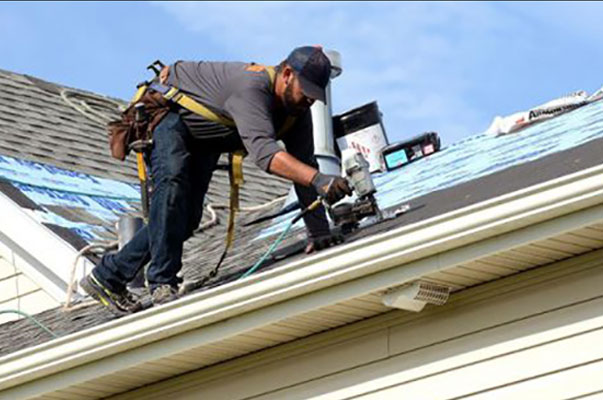
The Boise Homeowner’s Guide to a Lasting Residential Roof

Protecting Your Treasure Valley Home: An Introduction to Residential Roofing

Your home is your most significant investment, and its first line of defense against the elements is the roof. In Boise, where we experience four distinct seasons—from hot, sunny summers to winters with significant snowfall—the integrity of your residential roofing is paramount. A durable, well-maintained roof not only protects your property and family but also enhances curb appeal and contributes to your home’s energy efficiency. Understanding the unique challenges our local climate presents and knowing how to care for your roof are key to ensuring it lasts for decades. This guide provides Boise, Meridian, and Eagle homeowners with the essential knowledge for maintaining a strong, reliable roof over their heads.

Understanding Your Roof’s Enemies in Idaho

The Treasure Valley’s climate can be tough on roofing materials. Being aware of the primary culprits of roof degradation can help you spot issues early and take preventative action.

Sun & Heat Damage

Boise’s hot, dry summers and intense UV exposure can cause roofing materials, especially asphalt shingles, to dry out, crack, and lose their protective granules. This thermal cycling of expansion and contraction day after day can accelerate wear and tear.

Wind, Rain & Hail

Sudden storms are a common occurrence, bringing high winds that can lift and tear shingles, and hail that can cause dents, cracks, and significant granule loss. This type of wind and hail damage can create immediate vulnerabilities for water intrusion.

Snow & Ice Damage

Winter brings heavy snow loads that can stress your roof’s structure. Worse yet are ice dams—ridges of ice that form at the roof’s edge, preventing melting snow from draining properly. This trapped water can seep under shingles, causing leaks and damaging your attic, insulation, and ceilings.

Choosing the Right Roofing Materials for Your Boise Home

Selecting the right material is a critical decision that balances cost, longevity, and aesthetic appeal. Given Idaho’s climate, durability is key.

Asphalt Shingles

The most popular choice in the U.S. for a reason, asphalt shingles offer a great balance of affordability, style variety, and reliable performance. Modern architectural shingles are designed to withstand high winds and resist algae growth, making them a solid choice for Boise-area homes.

Metal Roofing

Known for exceptional durability and longevity, metal roofs are an excellent investment. They are highly resistant to fire, wind, and impact. They also shed snow easily, reducing the risk of heavy snow loads and ice dams, and can improve energy efficiency by reflecting summer heat.

Composite and Tile Roofing

Composite shingles offer enhanced durability and can mimic the look of slate or wood shake. Clay and concrete tiles provide superior longevity and fire resistance but are heavier and require a reinforced roof structure. Both are premium options that can significantly elevate your home’s appearance.

Roofing Material Comparison
Material Typical Lifespan Pros Cons
Asphalt Shingles 20-30 years Affordable, versatile styles, easy to install/repair. Vulnerable to hail and high winds, shorter lifespan.
Metal Roofing 40-70+ years Durable, energy-efficient, great in snow, fire resistant. Higher initial cost, can be noisy without insulation.
Composite Shingles 30-50 years Highly durable, impact resistant, mimics premium looks. More expensive than standard asphalt.

A Homeowner’s Checklist for Spotting Roof Damage

Regularly checking for signs of wear and tear can save you from costly repairs down the line. While a professional inspection is always best, here’s what you can look for from the safety of the ground. Remember, never get on a potentially damaged roof yourself.

1. A View from the Ground

Walk around your property and look for cracked, curled, or missing shingles. Pay close attention after a major storm. Also, check for dents on gutters, downspouts, and roof vents, as this can be a sign of hail damage.

2. Check Your Gutters

An excessive amount of shingle granules (they look like coarse black sand) in your gutters is a sign that your shingles are aging and losing their protective layer. This exposes them to UV ray damage and accelerates deterioration.

3. Look for Leaks Inside

Inside your home, check the attic and ceilings for water stains, discoloration, or musty smells. These are clear indicators that water is getting through. A professional roof repair in Boise is needed immediately to prevent further interior damage.

Did You Know?

Most roofing warranties require periodic professional inspections to remain valid. Neglecting maintenance could void your coverage when you need it most. Scheduling a complimentary inspection with a trusted contractor like Team Construction not only extends your roof’s life but also protects your investment.

The Importance of a Local, Professional Team

From Boise to Meridian and Eagle, local expertise matters. A contractor familiar with Treasure Valley weather patterns and building codes is better equipped to recommend the right materials and provide a quality installation. At Team Construction, we not only perform expert roofing installations and repairs but also specialize in navigating the complexities of roof insurance claims. After a storm, we can provide a thorough inspection and documentation to help ensure your claim process is as smooth as possible.

Ready to Secure Your Home’s Roof?

Whether you’ve noticed signs of damage or it’s simply time for an inspection, don’t wait for a small problem to become a major headache. The experienced team at Team Construction is here to help.

Get Your Free Estimate Today

Frequently Asked Questions (FAQ)

How often should I have my roof inspected in Boise?

It’s recommended to have a professional inspection at least once every one to two years, and always after a major storm involving high winds or hail. This helps catch minor issues before they become costly problems.

Can you help with my roof insurance claim?

Absolutely. Team Construction specializes in insurance restoration. We provide detailed inspections and documentation to support your claim and can work with your insurance adjuster to ensure all damage is properly assessed and covered.

What are the warning signs that I need a new roof?

Key signs include widespread granule loss, numerous cracked or curling shingles, recurring leaks in multiple spots, and the roof’s age (most asphalt shingle roofs last 20-25 years). If you see these signs, it’s time for a professional assessment.

How long does a typical roof replacement take?

For an average-sized home, a full roof replacement by a professional crew typically takes 1 to 3 days, depending on the weather and the complexity of the roof.

Glossary of Roofing Terms

Flashing

Thin pieces of metal installed at joints and angles (like around chimneys or vents) to prevent water from seeping in. Damaged flashing is a common source of leaks.

Underlayment

A layer of water-resistant material installed on the roof deck before the shingles. It acts as a secondary barrier against moisture.

Granules

The ceramic-coated mineral pellets on the surface of asphalt shingles. They protect the shingle from UV rays and add color. Significant loss indicates the shingle is nearing the end of its life.

Ice Dam

A ridge of ice that forms along the edge of a roof, preventing melting snow from draining. This can force water under the roofing material and cause significant damage to ceilings, walls, and insulation.

How to Choose the Best Roofing Contractor in Boise and the Treasure Valley

Your Guide to Finding a Trusted, Local, and Professional Roofer

Your roof is your property’s first line of defense against the unpredictable Idaho weather. From blistering summer sun to heavy winter snow and sudden hailstorms, a strong, well-maintained roof is essential for protecting your home or business. But when it’s time for a repair or replacement, finding a reliable Boise roofing contractor can feel overwhelming. This guide provides the essential steps to help you select a skilled and trustworthy professional in Boise, Nampa, and across the Treasure Valley, ensuring your investment is secure for years to come.

Key Qualities of a Top-Tier Roofing Contractor

1. Proper Licensing and Full Insurance Coverage

This is the most critical checkpoint. A reputable contractor must be licensed to operate in Idaho and carry both general liability insurance and worker’s compensation. Liability insurance protects your property from accidental damage during the project, while worker’s compensation covers their crew in case of injury. Never hire a contractor without verifying these credentials; otherwise, you could be held liable for accidents or damages.

2. Deep Local Experience and a Physical Presence

A contractor based in the Treasure Valley understands the specific challenges our climate presents. They know how to fortify a roof against high winds, heavy snow loads, and the potential for hail. Local contractors, like those serving Meridian and Eagle, have a vested interest in maintaining a strong reputation within the community. A physical office address is a good sign they are established and not a “storm chaser” who will disappear after the job is done.

3. Proven Expertise with Insurance Claims

Navigating insurance paperwork can be complex and frustrating, especially after a storm. An experienced contractor is a valuable ally. They can accurately document damage, meet with the insurance adjuster, and ensure your claim covers all necessary repairs. If you’ve experienced wind and hail damage, partnering with a team that specializes in insurance restoration can make the process seamless and stress-free.

4. Transparency and Detailed Written Estimates

A professional estimate is more than just a number on a piece of paper. It should be a detailed document outlining the full scope of the project, including the types of materials to be used, labor costs, a projected timeline, and payment terms. Avoid vague quotes or pressure to sign a contract on the spot. A trustworthy contractor encourages you to ask questions and will explain every line item clearly.

Signs It’s Time for a Professional Roof Inspection

Unsure if you need a roof repair or a full replacement? Some warning signs are obvious, while others are more subtle. If you notice any of these issues, it’s wise to schedule a complimentary inspection with a professional.

Warning Sign What It Looks Like What It Could Mean
Curling or Buckling Shingles Edges of shingles are turned up or sections appear warped. Shingles are past their lifespan and failing to keep water out.
Missing Shingles Obvious bare patches on the roof, often after a windstorm. Your roof is vulnerable to water intrusion and further damage.
Granules in Gutters Looks like coarse, black sand collecting in your downspouts. The protective top layer of your shingles is wearing away.
Water Stains on Ceilings Brown or yellow discoloration on interior ceilings or walls. An active leak that needs immediate attention to prevent mold and structural damage.

The Team Construction Advantage in Nampa and the Treasure Valley

As a locally owned and operated contractor, we are dedicated to serving our neighbors in Nampa, Boise, and across the Treasure Valley. Our commitment goes beyond just construction; it’s about building trust and ensuring the long-term safety of your property. Whether you manage a large commercial building or own a family home, you can count on our team for quality workmanship, premium materials, and unparalleled customer service. We understand the local environment and build roofs designed to last.

Did You Know?

Properly installed, high-quality roofing can increase a home’s resale value by an average of over 60% of its cost, according to remodeling ROI reports. It’s not just a repair; it’s a significant investment in your property’s future.

Ready to Protect Your Investment?

Don’t wait for a small leak to become a major problem. Whether you need a routine inspection, storm damage repair, or a full roof replacement, our team is here to help. At Team Construction, we provide honest assessments and quality solutions you can count on.

Get Your Free Estimate Today

Frequently Asked Questions (FAQ)

What are the signs that my roof needs to be replaced instead of repaired?

Generally, if damage is widespread (over 30% of the roof), if the roof is past its 20-25 year lifespan, or if you have multiple, recurring leaks, a full replacement is often more cost-effective. A professional inspection is the best way to determine the right course of action.

How does the insurance claim process work for roof damage?

After you contact us for an inspection, we document all storm-related damage. We can then meet with your insurance adjuster on-site to ensure they see the full extent of the damage. We help you through the paperwork to make sure your insurance restoration claim is handled correctly and efficiently.

Do you serve areas outside of Boise, like Nampa?

Yes. We are a full-service contractor for the entire Treasure Valley, including Boise, Meridian, Eagle, Nampa, Caldwell, and the surrounding communities. We bring our expertise and quality service to every job, no matter the location.

What kind of warranties do you offer?

We offer both manufacturer warranties on the high-quality materials we use and a workmanship warranty that covers our installation. We stand by our work and want to ensure you have complete peace of mind.

Glossary of Common Roofing Terms

Flashing: Sheets of metal or other waterproof material used to cover joints on a roof (like around chimneys or in valleys) to prevent water from seeping in.

Underlayment: A layer of water-resistant material placed between the wooden roof deck and the shingles to provide a secondary barrier against moisture.

Roof Deck (or Sheathing): The layer of plywood or oriented strand board (OSB) that makes up the primary surface of the roof, to which the underlayment and shingles are attached.

Workmanship Warranty: A guarantee provided by the roofing contractor that covers any defects or errors related to the installation process itself.

Shingles: The outermost layer of a sloped roof, designed to shed water and protect the structure underneath. Common materials include asphalt, wood, and metal.