Your Complete Guide to Residential Roofing in Nampa, Idaho

Protecting Your Nampa Home Starts at the Top

Your roof is your home’s first line of defense against the elements. Here in Nampa and across the Treasure Valley, our roofs endure hot, dry summers and cold, snowy winters. Understanding when and how to care for your roof is crucial for protecting your investment, ensuring your family’s comfort, and maintaining your home’s value. This guide walks you through the essentials of residential roofing, from spotting trouble signs to choosing the right materials for our unique Idaho climate.

When Does Your Roof Need Attention? Key Warning Signs

Most homeowners don’t think about their roof until a leak appears. Proactive inspection, however, can save you from costly emergency repairs and extensive interior damage. If you notice any of the following signs, it’s time to schedule a professional inspection.

  • Curling or Buckling Shingles: Shingles that are curling at the edges or buckling in the middle are often past their lifespan and are no longer providing adequate protection.
  • Missing Shingles: Strong Treasure Valley winds can lift and remove shingles, leaving your roof’s underlayment exposed to moisture and UV damage.
  • Granules in Gutters: Asphalt shingles have a top layer of granules for protection. Finding excessive amounts of these granules in your gutters is a clear sign that your roof is aging and deteriorating.
  • Water Stains or Drips: The most obvious sign of a problem is evidence of water infiltration. Check your attic and ceilings for dark spots, stains, or active drips, especially after rain or snowmelt. A timely roof repair can prevent minor issues from becoming major ones.
  • Daylight Through Roof Boards: If you can see daylight coming through the roof boards when you’re in your attic, you have an immediate problem that needs professional attention.

Ignoring these warning signs can lead to more significant issues over time. After a major storm with high winds or hail, it’s always wise to get a professional wind and hail damage inspection, even if you don’t see any immediate problems from the ground.

Choosing the Right Roofing Material for Your Nampa Home

The right material enhances curb appeal and provides lasting protection. The best choice depends on your budget, style preferences, and desired longevity. Here’s a look at popular options for homes in our area:

Material Pros Cons Ideal For Nampa Climate
Asphalt Shingles Cost-effective, versatile styles, easy to repair. Shorter lifespan (15-30 years), can be damaged by hail. A very popular and economical choice. Architectural shingles offer better durability against wind and sun.
Metal Roofing Extremely durable (50+ years), fire resistant, energy-efficient. Higher initial cost, can be noisy during rain if not properly insulated. Excellent for snow shedding in winter and reflecting heat in summer. Highly resistant to wind.
Composite Shingles Mimics look of slate/wood, durable, impact-resistant. More expensive than asphalt, quality varies by brand. Great all-around performance, offering superior resistance to hail and UV degradation.

The Roof Replacement Process: What to Expect

A full roof replacement is a significant project. Knowing the steps involved can help you prepare. As your local Nampa and Meridian roofing contractor, we follow a meticulous process:

  1. Comprehensive Inspection & Estimate: We start with a thorough assessment of your existing roof to determine the scope of work and provide a detailed, transparent estimate.
  2. Material Selection: We help you choose the best materials for your home’s aesthetic and your budget.
  3. Preparation: Your property is protected with tarps to catch debris and safeguard landscaping before any work begins.
  4. Tear-Off: The old roofing material is completely removed to expose the roof deck for inspection and necessary repairs.
  5. Installation: We install the new roofing system, including underlayment, flashing, and your chosen shingles or panels, according to manufacturer specifications.
  6. Cleanup & Final Inspection: The job site is thoroughly cleaned, and we conduct a final walkthrough to ensure your complete satisfaction.

Did You Know?

Proper attic ventilation is just as important as the roofing material itself. Without good airflow, heat and moisture can build up, drastically shortening your roof’s lifespan and increasing your energy bills. A professional roofing contractor will always assess your ventilation as part of a roof inspection.

Navigating Insurance Claims in Nampa

Storm damage is a reality in Idaho. Hail and high winds can wreak havoc on a roof. Navigating the aftermath and dealing with insurance can be overwhelming. A reputable contractor can be your greatest ally. At Team Construction, we specialize in roof insurance claims. We document damage, meet with adjusters, and ensure all necessary repairs are covered, simplifying the restoration process for you. From Nampa to Eagle, we help homeowners restore their properties efficiently.

Ready to Protect Your Home?

Don’t wait for a small issue to become a major headache. Get a free, no-obligation roof inspection from the trusted local experts at Team Construction.

Get Your Free Estimate Today

Frequently Asked Questions

How long should a residential roof last in Idaho?

The lifespan depends heavily on the material. Standard asphalt shingle roofs typically last 15-25 years in the Treasure Valley climate. Architectural shingles can last 25-30 years, while a properly installed metal roof can last 50 years or more.

Can my roof be repaired, or does it need to be replaced?

This depends on the age of your roof and the extent of the damage. A few missing shingles on a relatively new roof can often be repaired. However, if the roof is over 15-20 years old and has widespread issues like curling shingles or extensive granule loss, a full replacement is usually the more cost-effective solution in the long run. We provide honest assessments to help you decide on services like Boise roof repair or replacement.

How much does a new roof cost in Nampa?

The cost varies based on the size and slope of your roof, the materials you choose, and the complexity of the job. The best way to get an accurate figure is to schedule a free, on-site estimate. We provide detailed quotes with no hidden fees.

Do you work on commercial properties as well?

Yes, we do. While this guide focuses on residential roofing, Team Construction is a full-service contractor with extensive experience in commercial roofing for businesses throughout the Treasure Valley.

Roofing Terms You Should Know

Deck/Sheathing

The plywood or OSB board that makes up the framing of the roof, to which the underlayment and shingles are attached.

Flashing

Pieces of metal used to prevent water from seeping into critical areas of the roof, such as valleys or around chimneys, vents, and skylights.

Underlayment

A layer of water-resistant material placed between the roof deck and the shingles to serve as a secondary barrier against moisture.

Architectural Shingles

Also known as dimensional or laminate shingles, these are asphalt shingles that are thicker and heavier than traditional 3-tab shingles, providing a more textured, high-definition look and greater durability.
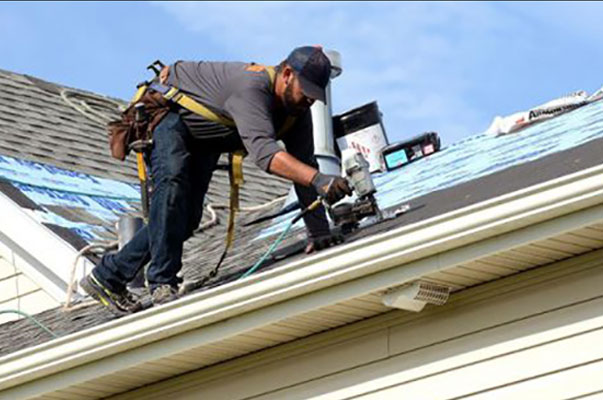
Choosing the Right Roofing Contractor in Eagle, Idaho: A Homeowner’s Guide

Protecting Your Home Starts at the Top

Your roof is your home’s first line of defense against the elements. From scorching summer sun to Treasure Valley winter storms, it works tirelessly to keep your family safe and comfortable. Finding a trustworthy and skilled Eagle, Idaho roofing contractor is one of the most important decisions you’ll make as a homeowner. This guide will walk you through the essential steps to ensure you partner with a professional team that delivers quality workmanship and peace of mind.

Recognizing the Signs: When Do You Need a Roofing Professional?

Before you can hire a contractor, you need to know when to call one. Some signs of roof distress are obvious, while others are more subtle. Performing a safe, ground-level inspection of your roof seasonally and after major weather events can help you spot trouble early. If you notice any of the following issues, it’s time to schedule a professional roof inspection.

Interior Warning Signs

  • ✓ Water stains on ceilings or walls
  • ✓ Peeling paint near the roofline
  • ✓ Unexplained drafts or spikes in energy bills
  • ✓ Sagging roof deck visible from the attic

Exterior Warning Signs

  • ✓ Missing, cracked, or curling shingles
  • ✓ Excessive granules from shingles in your gutters
  • ✓ Damaged or rusted flashing around vents and chimneys
  • ✓ Moss, algae, or mold growth

Even if you don’t see obvious issues, an aging roof (typically 20+ years old) warrants a professional evaluation. An expert can identify underlying problems before they escalate into costly repairs. If you suspect any wind and hail damage, it’s crucial to call for a complimentary inspection promptly.

How to Select a Top-Tier Roofing Contractor in Eagle

Choosing the right contractor involves more than just picking the lowest bidder. Your goal is to find a reliable partner who will protect your investment. Here are key steps to guide your decision-making process.

1. Prioritize Local Expertise

A local contractor, like one based in the Treasure Valley, understands the specific challenges our climate presents. They are familiar with local building codes, permit requirements, and have established relationships with local suppliers. A company with a physical office and a long history in areas like Boise and Meridian is accountable and accessible.

2. Verify Licensing and Insurance

This is non-negotiable. A reputable contractor must have both liability insurance and workers’ compensation coverage. Liability insurance protects your property from damage, while workers’ comp covers their crew in case of injury on your property. Ask for proof of both and verify that they are current. This protects you from significant financial risk.

3. Look for Experience and Specialization

Experience matters. A contractor who has been in business for many years has a proven track record. Check if they specialize in both residential roofing and commercial projects, as this indicates a broad range of skills. If you’re dealing with storm damage, find a contractor experienced with roof insurance claims to help streamline the process.

4. Ask About Warranties

Trustworthy contractors stand behind their work. There are two types of warranties: one from the material manufacturer and one from the contractor covering the workmanship. A strong workmanship warranty is a sign of a confident and skilled team. Lifetime warranties offer the greatest long-term protection for your investment.

5. Get Everything in Writing

Never proceed with a verbal agreement. A professional contractor will provide a detailed, written estimate or contract that outlines the scope of work, materials to be used, project timeline, payment schedule, and total cost. This document protects both you and the contractor and prevents misunderstandings.

Did You Know? Quick Roofing Facts

Ventilation is Key: Proper attic ventilation can extend the life of your roof by preventing heat and moisture buildup, which can warp decking and damage shingles.

Color Matters: Lighter-colored shingles can reflect more sunlight, potentially reducing your cooling costs during Eagle’s hot summers. This is often referred to as a “cool roof.”

Insurance Discounts: Installing an impact-resistant roof might qualify you for a discount on your homeowner’s insurance premium. Ask your insurance agent for details.

The Eagle, Idaho Advantage: Why Local Matters

Working with a local Eagle or Treasure Valley contractor like Team Construction provides distinct advantages. We aren’t just a faceless company; we are your neighbors. Our reputation is built on serving communities from Meridian to Eagle with integrity. We understand the specific weather patterns, from windstorms to heavy snowfall, and recommend roofing systems proven to perform well here. Being local means we’re here to honor our warranties and provide follow-up service long after the job is done. When you need a roof repair in an emergency, a local team can respond quickly to protect your property from further damage.

Ready to Protect Your Investment?

Don’t wait for a small leak to become a major problem. Whether you need a routine inspection, a minor repair, or a full roof replacement, Team Construction is ready to help. Our experienced team provides quality workmanship with premium materials, ensuring your home is protected for years to come.

Get Your Free Estimate Today

Frequently Asked Questions (FAQ)

How long does a roof replacement take?

The timeline for a roof replacement varies depending on the size and complexity of your roof, as well as the weather. However, an average-sized residential roof can often be replaced in 1 to 3 days by an efficient, professional crew.

Can my roof be repaired, or do I need a full replacement?

This depends on the age of the roof and the extent of the damage. Small, isolated issues on a relatively new roof can often be repaired. Widespread damage, multiple leaks, or an old roof near the end of its lifespan typically requires a full replacement for long-term reliability. A professional roofing service can provide an honest assessment.

Will you help me with my insurance claim?

Absolutely. A full-service contractor should assist you with the insurance claim process. At Team Construction, we have extensive experience working with insurance companies for storm damage claims. We can help document the damage and streamline communication to ensure your claim is handled properly and you receive the coverage you’re entitled to.

What kind of roofing materials do you offer?

We offer a wide variety of high-quality roofing materials to suit different styles and budgets, including architectural asphalt shingles, which are popular for their durability and aesthetic appeal. We can discuss the best options for your specific home and needs during your free consultation.

Glossary of Roofing Terms

Decking (or Sheathing): The wooden boards that make up the framing of the roof, to which the shingles and other materials are attached.

Drip Edge: A piece of metal flashing installed at the edges of the roof to help control the flow of water away from the fascia.

Flashing: Pieces of metal or other material used to prevent water from seeping into junctions, such as where a chimney meets the roof.

Granules: The ceramic-coated particles on the top surface of asphalt shingles that protect them from UV rays and add color.

Underlayment: A layer of water-resistant material placed between the roof decking and the shingles as an added layer of protection.

Valley: The internal angle formed by the intersection of two sloping roof planes, where water concentrates.

Navigating Roof Insurance Claims in Boise: A Homeowner’s Guide

Don’t Face Storm Damage Alone

A powerful storm rolling through the Treasure Valley can be unsettling. The high winds and hail that often accompany Idaho weather can leave significant damage in their wake, particularly to your roof. Discovering that your home has been damaged is stressful enough, but the complex process of filing a roof insurance claim can feel overwhelming. Understanding the steps, the terminology, and your rights is crucial for a successful outcome.

As a local Treasure Valley contractor, we’ve helped countless homeowners in Boise, Meridian, and Eagle navigate this exact process. This guide provides a clear roadmap to help you manage your claim effectively and ensure your property is restored correctly, without the headache.

Step 1: Prioritize Safety and Get a Professional Inspection

After a severe storm, your first instinct might be to see the damage for yourself. However, it is crucial to prioritize safety. Walking on a potentially compromised roof is extremely dangerous. Shingles can be loose, the underlying structure could be weak, and slick spots pose a serious fall risk.

Instead of assessing it yourself, your first call should be to a trusted, local roofing professional. At Team Construction, we offer complimentary, no-obligation roof inspections. Our experts can safely identify all forms of wind and hail damage, from subtle bruising and granule loss on shingles to more obvious punctures and tears. A professional report documents the extent of the damage, which is essential evidence for your insurance provider.

Step 2: Document Everything and Review Your Policy

Thorough documentation is your best asset in an insurance claim. Before any work begins, take photos and videos of the damage from the ground, if possible. Capture images of downed tree limbs, visible shingle damage, and any interior leaks that may have occurred. Note the date and time of the storm.

Next, locate your homeowner’s insurance policy. Review the section on roofing and storm damage. Pay close attention to your deductible (the amount you pay out of pocket) and whether your policy covers Replacement Cost Value (RCV) or Actual Cash Value (ACV). Understanding these terms will help you set realistic expectations when speaking with your insurance company.

Step 3: Contact Your Insurance Company to File a Claim

With your professional inspection report and personal documentation in hand, it’s time to contact your insurance provider to initiate the claim. Be prepared to provide your policy number, the date of the storm, and a general description of the damage. They will assign you a claim number and an insurance adjuster.

It’s beneficial to have your chosen contractor, like Team Construction, present when the insurance adjuster visits your property. We can act as your advocate, pointing out specific areas of damage the adjuster might overlook and ensuring their assessment aligns with the true scope of work required for a proper Boise roofing restoration. This collaboration helps streamline the process and prevents disagreements over repair costs later.

Step 4: Understanding the Adjuster’s Report and Estimate

After their inspection, the adjuster will provide a report, often called a “loss statement,” detailing the covered damages and the estimated cost of repair or replacement. Critically review this document. Compare it with the estimate provided by your contractor.

Discrepancies are common. An adjuster may miss certain code requirements, necessary components like flashing or underlayment, or specific local labor costs. If the estimates differ significantly, we can help you file a “supplement” to the claim, providing the necessary evidence to justify the additional funds needed to complete the roof repair correctly and to code.

Step 5: Scheduling the Work and Final Payment

Once the scope of work and cost are approved, your insurance company will typically issue an initial check (often the ACV amount, minus your deductible). This allows your contractor to order materials and schedule the work, whether it’s for residential roofing or a commercial property. After the job is finished, your contractor will send a final invoice to the insurance company. They will then release the remaining funds (the “recoverable depreciation”) for you to make the final payment.

Your Local Partner in Boise and the Treasure Valley

From the unique challenges of hailstorms in Boise to wind gusts affecting homes in Meridian and Eagle, Team Construction understands the local landscape. We are not just a construction company; we are your neighbors. We specialize in complete insurance restoration and are committed to making the process as smooth as possible for you. Our expertise extends from residential homes to large commercial roofing projects, ensuring every client receives the highest quality workmanship and support.

Get Expert Help with Your Roof Claim

Dealing with roof damage is stressful. Let Team Construction handle the inspection, documentation, and insurance communication for you. We’re here to restore your peace of mind.

Request a Free Inspection

Frequently Asked Questions

What if my insurance claim is denied?

A denial is not the final word. You have the right to appeal the decision. Often, a claim is denied due to insufficient evidence of damage. A detailed report from a reputable contractor like Team Construction can be crucial in a successful appeal. We can help you provide the necessary documentation to have your claim re-evaluated.

How long do I have to file a roof damage claim in Idaho?

Timelines can vary by policy, but most insurance companies require you to file a claim within one year of the date of loss (the date the storm occurred). However, it is always best to act immediately to prevent further damage to your home and to ensure a smoother claims process.

Will filing a claim increase my insurance premium?

Unlike at-fault auto accidents, homeowner’s claims for storm damage (considered an “Act of God”) typically do not cause an individual’s premium to increase. Insurance companies base rates on risk pools for an entire geographic area. If your region experiences frequent storms, rates may rise for everyone, regardless of whether you personally filed a claim.

Glossary of Terms

Actual Cash Value (ACV): The value of your roof in its current state, accounting for depreciation due to age and wear. An ACV policy will only pay for this depreciated value, not the full cost of a new roof.

Replacement Cost Value (RCV): The full cost to replace your damaged roof with new materials of similar kind and quality, without deducting for depreciation. This is the more comprehensive type of coverage.

Deductible: The fixed amount you are responsible for paying out-of-pocket on an insurance claim before your insurer’s coverage begins.

Adjuster: A professional hired by the insurance company to investigate a claim and determine the extent of the insurer’s liability.

Depreciation: The decrease in an asset’s value over time due to age, wear and tear, and obsolescence. In an RCV policy, the depreciated amount is often paid after the repair work is completed.