A Homeowner’s Guide to Residential Roofing in Nampa, ID

Protecting Your Treasure Valley Home Starts at the Top

For homeowners in Nampa, a sturdy, well-maintained roof is more than just a part of your house—it’s the first line of defense against Idaho’s diverse climate. From sweltering summer sun and surprise hail storms to the heavy snow of winter, your roof endures a constant barrage of elements. Investing in high-quality residential roofing isn’t just about preventing leaks; it’s about safeguarding your family, enhancing your home’s value, and ensuring long-term peace of mind. This guide will walk you through the key signs of roof wear, the best materials for our area, and what to expect during a roof replacement.

Key Signs Your Nampa Roof Needs a Professional Inspection

Catching roof issues early can save you from the stress and expense of major interior water damage or structural problems. While a professional inspection is always best, you can spot several warning signs from the ground. Be sure to perform a visual check a few times a year, especially after a significant storm.

Shingle & Flashing Damage

  • Curling or Cracked Shingles: Shingles that are buckling, curling at the edges, or cracking have reached the end of their functional life.
  • Missing Shingles: Obvious bare patches are a clear sign your roof is vulnerable, often occurring after high winds.
  • Granules in Gutters: Finding significant amounts of shingle granules (like coarse black sand) in your downspouts means the protective top layer is wearing away.
  • Damaged Flashing: Inspect the metal strips around chimneys, vents, and skylights. If they’re bent, loose, or rusted, they can create a direct path for water.

Leaks and Moisture Intrusion

  • Ceiling Stains: Yellow or brown water spots on your ceilings or walls are a classic sign of a slow leak.
  • Attic Problems: Check your attic for damp insulation, a musty odor, or any visible light shining through the roof deck.
  • Sagging Roof Deck: From the outside, look for any areas that appear to be drooping or sagging, which indicates a serious structural issue.
  • Vegetation Growth: Moss, mold, or algae on your roof can trap moisture against the shingles, accelerating their decay.

If you notice any of these signs, it’s time to call for a professional roof repair or inspection to assess the extent of the damage.

Choosing the Right Roofing Materials for the Treasure Valley Climate

Nampa’s four-season climate demands durable materials that can handle intense sun, heavy snow, wind, and hail. Selecting the right material is a balance of performance, aesthetics, and budget.

Material Lifespan (Approx.) Key Benefits for Idaho
Architectural Asphalt Shingles 20-30 years Excellent balance of cost, durability, and style. Modern versions offer great resistance to wind and hail damage.
Metal Roofing 50+ years Superior durability and longevity. Sheds snow easily, reducing ice dam risk, and reflects solar heat to keep homes cooler.
Composite/Synthetic Shingles 40-50 years Mimics the look of slate or wood shake with enhanced impact resistance, making it ideal for hail-prone areas.

As an Owens Corning Preferred Contractor, Team Construction specializes in installing high-quality materials designed to last. We can help you choose the perfect option for your Boise area home.

The Roof Replacement Process: A Step-by-Step Overview

Understanding the roof replacement process can help you feel more prepared and confident. While every project is unique, a typical installation follows these steps:

  1. Site Preparation: Our crew protects your landscaping, siding, and windows with tarps and protective barriers to prevent damage.
  2. Tear-Off: The old roofing material is carefully removed down to the wooden roof deck. This allows for a thorough inspection.
  3. Deck Inspection & Repair: We inspect the underlying wood for any signs of rot, water damage, or weakness and make necessary repairs to ensure a solid foundation.
  4. Underlayment Installation: A new layer of weather-proofing material (like roofing felt or a synthetic barrier) is installed to provide a crucial layer of moisture protection.
  5. New Roofing Material Installation: Your chosen shingles or metal panels are expertly installed, along with flashing, vents, and ridge caps.
  6. Thorough Cleanup: After the installation is complete, we clean the entire work area, using magnetic rollers to pick up stray nails and ensure your property is left spotless.

Did You Know? Quick Roofing Facts

  • A new roof can significantly boost your home’s resale value, with homeowners often recouping a large portion of the cost upon sale.
  • Proper attic ventilation is just as critical as your shingles. It helps prevent heat buildup in summer and moisture accumulation in winter, extending your roof’s life.
  • Storms carrying wind and hail damage are common in the Treasure Valley, making impact-resistant materials a smart investment for local homeowners.

Your Local Partner for Nampa & Treasure Valley Roofing

When it comes to your roof, choosing a local contractor is just as important as selecting the right materials. A company with deep roots in the community, like Team Construction, understands the specific challenges our local weather presents. We know Nampa’s building codes, have established relationships with suppliers, and are here to provide a swift response when you need it most. Our reputation in Nampa, Meridian, and Eagle is built on years of trust and quality workmanship. We also specialize in navigating complex roof insurance claims, working directly with your provider to make the process seamless and stress-free after a storm.

Ready to Protect Your Nampa Home?

Don’t wait for a small issue to become a major problem. Contact Team Construction for a complimentary, no-obligation roof inspection and estimate.

Get Your Free Estimate

Frequently Asked Questions

How long does a new residential roof last in Idaho?

The lifespan depends on the material. A typical asphalt shingle roof lasts 20-30 years in the Treasure Valley. A quality metal roof can last 50 years or more, offering incredible long-term value.

How long does a roof replacement take?

For an average-sized home in Nampa, a standard asphalt shingle roof replacement can often be completed in 1 to 3 days, depending on factors like weather and the complexity of your roof.

How much does a new roof cost in the Nampa area?

The cost varies widely based on your roof’s size, the materials chosen, and the complexity of the job. In Idaho, average costs can range anywhere from $6,000 to over $20,000. Team Construction provides detailed, transparent estimates tailored to your specific home.

Do you help with insurance claims for storm damage?

Yes, absolutely. We specialize in storm damage restoration and work directly with insurance companies. We can guide you through the entire claims process, from inspection and documentation to completing the final repairs, ensuring a smooth and fair process.
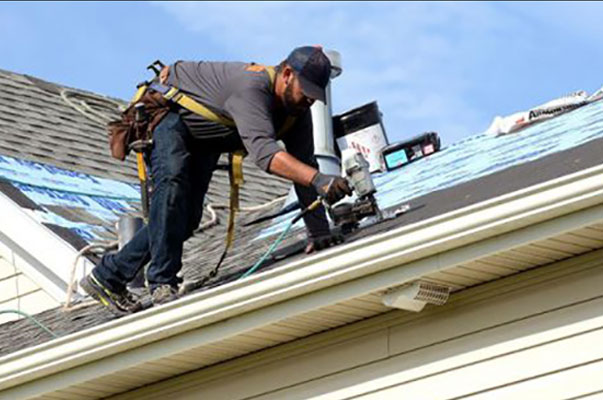
7 Telltale Signs You Need Roof Repair in Boise (And What to Do About It)

Protecting Your Treasure Valley Home Starts at the Top

Your roof is your home’s first line of defense against the diverse and sometimes harsh weather of Boise and the Treasure Valley. From intense summer sun and powerful windstorms to heavy winter snow, your roof endures a lot. Minor issues, if left ignored, can quickly escalate into major, costly problems like water damage, mold growth, and structural rot. Knowing the warning signs of roof damage is crucial for every homeowner. Identifying these issues early allows you to seek professional roof repair in Boise before a small problem becomes a catastrophe.

This guide will walk you through the seven most common indicators that your roof needs attention, helping you protect your investment and maintain a safe, secure home for your family.

Key Signs of Roof Trouble

Keep an eye out for these clear indicators. While some are obvious from the ground, others may require a closer look.

1. Visible Shingle Damage

This is often the easiest problem to spot. Walk around your property and look up at your roof. Do you see shingles that are curling, cracking, buckling, or missing altogether? High winds, common in Idaho, can lift and tear shingles away, leaving your roof’s underlayment exposed and vulnerable to moisture. Cracked or curled shingles are often a sign of age or heat damage.

2. Water Stains on Ceilings or Walls

Interior signs of a leak are a major red flag. If you notice brown or yellow stains, peeling paint, or bubbling drywall on your ceilings or upper walls, water is getting in somewhere. These stains mean the leak has already penetrated your roof, decking, and insulation, and immediate action is needed to prevent further damage.

3. Granules in Your Gutters

Asphalt shingles are covered in small, sand-like granules that protect them from the sun’s harsh UV rays. As a roof ages or is damaged by hail, these granules come loose. If you find a significant accumulation of these granules in your gutters or downspouts, it’s a sign that your shingles are deteriorating and losing their protective layer.

4. Leaks or Moisture in the Attic

After a heavy rain or snowmelt, it’s wise to check your attic. Look for signs of moisture like damp insulation, wet wood on the rafters or decking, or a musty smell. Sunlight visible through the roof boards is a clear sign you have a hole that needs immediate repair. Catching a leak in the attic can help you address the problem before it causes visible damage to your living spaces.

5. Sagging Roof Deck

A sagging, drooping, or uneven roofline is a serious structural issue. It often indicates that the underlying decking has been weakened by trapped moisture and is beginning to rot. This is a critical problem that requires immediate professional assessment from an experienced Boise roofing contractor to prevent potential collapse.

6. Damaged or Deteriorated Flashing

Flashing consists of thin metal strips installed around chimneys, vents, skylights, and in roof valleys to create a watertight seal. If this flashing is cracked, rusted, or pulled away from the structure, it creates a direct path for water to enter your home. Damaged flashing is one of the most common causes of roof leaks.

7. Moss, Mold, or Algae Growth

While some moss or algae might seem like a cosmetic issue, it can signal an underlying moisture problem. These organisms thrive in damp environments, and their presence on your roof can mean that water is not draining properly or is being retained by the shingles. Over time, moss can lift shingles and allow water to seep underneath.

Why Prompt Roof Repair is Crucial

Ignoring what seems like a “small” roof leak is a gamble. Water is relentless, and a minor drip can quickly lead to saturated insulation, rotted wood framing, and dangerous mold growth inside your walls and attic. What might have been a straightforward repair can escalate into a major insurance restoration project. Addressing roof repairs promptly saves you money, protects your home’s structural integrity, and ensures your family’s health and safety.

The Dangers of DIY Roof Repair

While the idea of saving money with a DIY repair is tempting, roofing work is complex and dangerous without the proper training and safety equipment. Homeowners risk serious falls and may inadvertently cause more damage, potentially voiding material warranties. A professional crew has the expertise to not only fix the obvious problem but also identify hidden issues that an untrained eye might miss.

Our Comprehensive Roof Repair Process

Whether you’re in Boise, Meridian, or Eagle, our process at Team Construction ensures your peace of mind from start to finish.

  1. Thorough Inspection: We start with a complimentary, detailed roof inspection to accurately assess the extent of the damage.
  2. Clear Estimate: We provide a transparent, no-obligation estimate outlining the necessary repairs and costs.
  3. Expert Repair: Our skilled team uses high-quality materials to perform lasting repairs, from replacing shingles to securing flashing and sealing leaks.
  4. Insurance Claim Assistance: If the damage is from a storm, we help you navigate the complexities of filing an insurance claim, ensuring the process is as smooth as possible.

Did You Know?

Proper attic ventilation is crucial for your roof’s lifespan in Idaho. It helps regulate temperatures in the summer, preventing shingles from baking, and reduces moisture buildup in the winter, which can lead to ice dams and rot. A professional inspection can determine if your home’s ventilation is adequate.

Protecting Your Nampa Roof from Idaho’s Weather

Homeowners in Nampa and across the Treasure Valley face unique challenges. Sudden, intense hailstorms and strong wind gusts can cause significant damage in a short amount of time. After any severe weather event, it’s essential to perform a visual inspection of your roof from the ground. Look for missing shingles or visible damage. Addressing wind and hail damage quickly can prevent small issues from becoming major leaks. Scheduling a professional inspection is the safest way to get a clear picture of your roof’s condition post-storm.

Don’t Wait for a Drip to Become a Downpour

If you’ve noticed any of these warning signs, your roof is trying to tell you something. Protect your Boise home by scheduling a free, no-obligation roof inspection with Team Construction today.

Get Your Free Estimate

Frequently Asked Questions

How much does roof repair cost in Boise?

The cost varies greatly depending on the extent of the damage, the type of roofing material, and the complexity of the job. A minor repair like replacing a few shingles might cost a few hundred dollars, while more extensive damage could be significantly more. The best way to know is to get a professional, detailed estimate.

Can I repair my own roof?

While it might seem cost-effective, DIY roof repair is not recommended. It poses significant safety risks and can lead to improper repairs that cause more extensive damage in the long run. Professionals have the right safety gear, tools, and expertise to do the job safely and correctly.

How long does a typical roof repair take?

Most minor to moderate roof repairs can be completed within a single day. The exact timeline depends on the weather and the scope of the work. We always aim to complete repairs efficiently to minimize any disruption to your routine.

Will my homeowner’s insurance cover my roof repair?

Most homeowner’s insurance policies cover roof damage caused by sudden events like wind, hail, or falling trees. However, they typically do not cover damage resulting from age or lack of maintenance. We can help you understand your policy and assist with the claims process for covered events.

Navigating Roof Insurance Claims in Eagle, ID: A Homeowner’s Guide

Protecting Your Property After a Treasure Valley Storm

The aftermath of a severe storm in Eagle, Idaho can be overwhelming. High winds, hail, and heavy rain can inflict significant damage on your home’s most critical defense: the roof. While your immediate concern is safety, the next step—dealing with your insurance company—can feel just as daunting. Filing a roof insurance claim is a detailed process that, if not handled correctly, can lead to delays, denials, or insufficient funds for proper repairs. This guide provides a clear roadmap for Eagle homeowners to successfully manage their claims and restore their peace of mind.

Understanding the steps involved, knowing what to document, and partnering with the right local contractor are key to ensuring you get the full compensation you are entitled to. A well-managed claim protects your property’s value and ensures your home remains safe for years to come.

The Step-by-Step Roof Insurance Claim Process

Following a structured approach is the best way to ensure your claim process goes smoothly. Here’s a breakdown of the essential steps every Eagle homeowner should take after discovering potential storm damage.

Step 1: Prioritize Safety & Document Everything

Your first priority is safety. If you see major damage, like fallen trees or sagging, avoid the area. Once it’s safe, thoroughly document the damage before making any temporary repairs. Use your smartphone to take dozens of photos and videos from different angles, both close-up and from a distance. Capture images of fallen branches, hail dents on gutters or siding, and any visible roof damage. This evidence is invaluable for your claim.

Step 2: Get a Professional Roof Inspection

Before you even call your insurance agent, contact a trusted, local roofing contractor for a comprehensive roof inspection. A professional can identify damage that isn’t visible from the ground, such as creased shingles, granule loss, or compromised seals. This expert assessment gives you a clear understanding of the repair scope and provides a benchmark to compare against the insurance adjuster’s findings. Team Construction offers complimentary inspections to help you start the process with confidence.

Step 3: Review Your Policy & File the Claim

Locate your homeowner’s insurance policy and review your coverage for wind and hail damage. Take note of your deductible amount and any specific filing deadlines. With your documentation and professional inspection report in hand, contact your insurance company’s claims department to formally initiate the claim. Be prepared to provide your policy number, the date of the storm, and a general description of the damage.

Step 4: Meet with the Insurance Adjuster

Your insurance company will assign an adjuster to inspect the damage. It is highly recommended to have your chosen roofing contractor present during this visit. Your contractor can act as your advocate, pointing out specific damages the adjuster might overlook and ensuring the assessment is thorough and fair. This collaboration can significantly impact the outcome of your claim.

Step 5: Understand the Settlement and Begin Repairs

After the adjuster’s visit, you will receive a settlement summary. This document will detail the approved repairs and the funds allocated. Most policies for residential roofing pay in two installments: the first is the Actual Cash Value (ACV), and the second (Recoverable Depreciation) is paid after the work is completed. Once you approve the scope of work, a reputable contractor like Team Construction can begin the roof restoration, restoring your home and providing all necessary documentation for your insurer.

Did You Know?

  • Idaho is ranked in the top 10 states for hail damage claims, with storms in the Treasure Valley being particularly frequent.
  • Most insurance policies have a time limit for filing a storm damage claim, often within one year of the incident.
  • Filing a weather-related “Act of God” claim on your homeowner’s policy typically does not cause your individual premium rates to increase.

Common Pitfalls to Avoid During Your Claim

Navigating an insurance claim can be tricky. Homeowners often make simple mistakes that can jeopardize their settlement. Being aware of these common errors can save you time, money, and stress.

  • Delaying the Inspection: Waiting weeks or months allows damage to worsen, potentially leading to leaks or structural issues that might not be covered.
  • Accepting the First Offer Blindly: The initial settlement offer from an insurer is just that—an offer. If it seems too low, you have the right to question it and provide your contractor’s estimate as a counterpoint.
  • Hiring “Storm Chasers”: After a major storm, out-of-state companies often flood the area. They may offer low prices but often use substandard materials and are gone once the job is done, leaving you with no warranty or recourse. Always choose a licensed, insured, local contractor.

The Importance of a Local Eagle, ID Roofing Expert

Choosing a contractor with deep roots in the Treasure Valley is a significant advantage. A local company like Team Construction understands the specific weather challenges we face in Eagle, Boise, and Meridian. We have established relationships with local suppliers and are familiar with regional building codes and insurance practices.

More importantly, a local roofer is accountable. Our reputation is built on serving our neighbors with integrity. We’re here for the long haul, ready to stand by our work and honor our lifetime warranties. When you need a new roof or roof repair in Eagle, choosing a local expert ensures you get quality craftsmanship and a partner you can trust for years to come.

Need Help with Your Roof Damage Claim?

Don’t navigate the complex insurance process alone. The experts at Team Construction are here to help, from initial inspection to final repair.

Get a Free Inspection

Frequently Asked Questions (FAQ)

How long do I have to file a roof damage claim in Idaho?

Most insurance policies require you to file a claim within one year of the date of the storm. However, it’s always best to act immediately to prevent further damage and to ensure you don’t miss any deadlines stipulated in your specific policy.

Will my insurance premiums go up if I file a claim for storm damage?

Generally, claims resulting from weather (often called “Acts of God”) do not cause an individual policyholder’s rates to increase. However, if an area experiences a high volume of claims, the insurer may raise rates for the entire region.

What if my insurance claim is denied?

If your claim is denied, you have the right to appeal the decision. The first step is to ask for a written explanation for the denial. Then, with the help of your trusted roofing contractor, you can provide additional evidence, such as a more detailed damage report or a second opinion, to support your appeal.

Can I choose my own roofing contractor?

Yes. You are never obligated to use a contractor recommended by your insurance company. You have the right to choose any licensed and insured contractor you trust. It’s wise to select a reputable local company with experience in insurance restoration.

Glossary of Insurance Terms

Deductible

The fixed amount you must pay out of pocket for a claim before your insurance coverage begins to pay. This amount is chosen when you purchase your policy.

Actual Cash Value (ACV)

The value of your damaged roof at the time of the loss. It is calculated by taking the replacement cost and subtracting depreciation due to age, wear, and tear.

Replacement Cost Value (RCV)

The total cost to repair or replace your damaged roof with new materials of similar kind and quality, without any deduction for depreciation. Most modern policies are RCV policies.

Depreciation

The decrease in an asset’s value over time due to age and use. In an RCV policy, the insurer typically pays the ACV first, then pays the recoverable depreciation once repairs are completed and invoices are submitted.