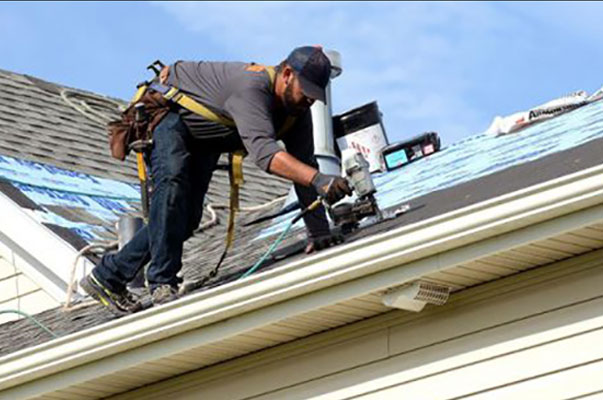
A practical, homeowner-friendly guide to roof repairs in the Treasure Valley
Your roof rarely fails “all at once.” In Meridian, the most expensive roof problems usually start small: a wind-lifted shingle after a blustery spring day, a tiny flashing gap near a vent, or hail bruising that doesn’t show up until the next rain. Catching issues early can mean the difference between a straightforward repair and a larger restoration project that disrupts your home and budget.
Below is a clear checklist of what to look for, when to schedule an inspection, and how to handle documentation if you suspect storm damage—especially if an insurance claim might be involved.
Common roof repair triggers in Meridian (and what they look like)
Meridian’s weather patterns create a predictable set of roofing issues. Spring is typically the windier stretch of the year, which can stress shingles, ridge caps, and roof edges over time. (weatherspark.com)
The best rule of thumb: if you notice changes on the outside (shingles, gutters, siding) and any sign of moisture inside (stains, bubbling paint, musty odor), it’s time to schedule a roof inspection.
Why “small” roof damage turns into big repairs
Roof systems work like layers: shingles (or membrane), underlayment, flashing, ventilation, and decking all play a role. If wind lifts a shingle just enough to break its seal, water can start entering at the next storm—sometimes without an obvious drip right away. That moisture can travel along decking or rafters before it finally shows up as a ceiling stain.
Another common “silent problem” in the Treasure Valley is clogged gutters and downspouts. Standing water at roof edges increases the chance of intrusion—especially during winter melt/refreeze cycles. Keeping drainage paths clear is one of the simplest ways to reduce avoidable roof leak issues. (doi.idaho.gov)
Step-by-step: What to do when you suspect you need roof repair
1) Document what you can—safely
From the ground, take clear photos of missing shingles, bent flashing, dented gutters, downspouts, and any debris impact. Inside, photograph ceiling stains, wet drywall, peeling paint, and attic moisture if accessible. Idaho’s Department of Insurance recommends documenting damage with photos/video and keeping receipts for any mitigation steps you take. (doi.idaho.gov)
2) Prevent additional damage (temporary mitigation)
If active leaking is present, short-term protection (like tarping or targeted temporary sealing) can help reduce interior damage. Many policies require homeowners to mitigate further damage, and your receipts may be relevant for reimbursement depending on your coverage. (doi.idaho.gov)
3) Schedule a professional roof inspection (before problems spread)
A good inspection looks beyond the obvious: shingle creases, nail pops, flashing continuity, penetrations, ventilation, and soft decking clues. If you’re in Meridian and suspect storm damage, Team Construction can coordinate a clear scope of repairs and help you understand next steps for insurance documentation if needed.
4) If insurance may apply, file a claim and keep communication organized
If you’ve never filed a property claim, the process can feel confusing. Idaho’s Department of Insurance outlines practical steps: file the claim with your insurer, provide documentation, ask questions, and keep records as the claim is investigated. (doi.idaho.gov)
5) Watch for red flags (protect your claim and your home)
After storms, homeowners can get pressured by unsolicited “insurance experts” or contractors promising “free upgrades” or to waive deductibles. The Idaho Department of Insurance lists these as warning signs and encourages homeowners to use caution. (doi.idaho.gov)
Repair vs. replacement: a quick comparison
| Situation | Often a Repair Makes Sense | Often Replacement/Restoration Is Considered |
|---|---|---|
| Localized wind damage | A few shingles lifted or missing; flashing intact | Widespread creasing, multiple slopes affected, recurring leaks |
| Hail impact | Cosmetic dings on accessories, limited areas of concern | Functional shingle bruising, granule loss, compromised waterproofing |
| Roof age + repeated issues | Single, identifiable source of leaking | Multiple repair zones, ventilation/underlayment concerns, decking problems |
If you’re not sure which direction is right, a professional inspection with clear photos and a written scope is the best next step—especially when insurance documentation matters.
Did you know? Quick roof facts that save money
Insurance often expects mitigation
If your roof is actively leaking, taking reasonable steps to prevent additional damage (and saving receipts) can matter during a claim. (doi.idaho.gov)
“Matching” isn’t always guaranteed
Some policies may not pay to match undamaged materials (like shingles or siding). It’s worth asking your adjuster what your policy says. (doi.idaho.gov)
High-pressure storm chasers are a known issue
If someone shows up uninvited promising a “free roof” or deductible waivers, treat it as a serious red flag. (doi.idaho.gov)
Local angle: What Meridian homeowners should prioritize
Because the windier portion of the year in Meridian typically runs from early February into late June, many homeowners schedule inspections after major spring wind events—or anytime they notice shingle tabs lifting or debris on the roof. (weatherspark.com)
A simple seasonal routine that works well in the Treasure Valley:
• Early spring: ground-level roof and gutter check after windier weather begins.
• After hail/wind storms: photos, then schedule an inspection to confirm functional damage.
• Before winter: clean gutters/downspouts and verify flashing/penetrations are tight.
Schedule a roof inspection or repair estimate in Meridian
If you suspect wind, hail, or leak-related damage, Team Construction can provide a clear inspection, explain repair options, and (when appropriate) support you through the insurance claim process with documentation and communication that stays organized.
Request a Free Estimate
Serving Meridian, Boise, Eagle, and the Treasure Valley.
FAQ: Roof repair in Meridian, Idaho
Glossary (helpful roofing terms)
Flashing
Metal (or specialty) material installed at joints and penetrations (chimneys, vents, walls) to direct water away from vulnerable areas.
Shingle seal strip
A factory-applied adhesive line that bonds shingles together. Wind can break the seal, increasing blow-off risk.
Decking
The wood layer (often OSB or plywood) beneath roofing materials. Soft spots or sagging can indicate moisture damage.
Mitigation
Reasonable temporary steps taken to prevent additional damage after a loss (e.g., tarping, temporary sealing). Keep receipts for insurance documentation. (doi.idaho.gov)