A Homeowner’s Guide to Residential Roofing in Nampa, ID

Protecting Your Treasure Valley Home Starts at the Top

For homeowners in Nampa, a sturdy, well-maintained roof is more than just a part of your house—it’s the first line of defense against Idaho’s diverse climate. From sweltering summer sun and surprise hail storms to the heavy snow of winter, your roof endures a constant barrage of elements. Investing in high-quality residential roofing isn’t just about preventing leaks; it’s about safeguarding your family, enhancing your home’s value, and ensuring long-term peace of mind. This guide will walk you through the key signs of roof wear, the best materials for our area, and what to expect during a roof replacement.

Key Signs Your Nampa Roof Needs a Professional Inspection

Catching roof issues early can save you from the stress and expense of major interior water damage or structural problems. While a professional inspection is always best, you can spot several warning signs from the ground. Be sure to perform a visual check a few times a year, especially after a significant storm.

Shingle & Flashing Damage

  • Curling or Cracked Shingles: Shingles that are buckling, curling at the edges, or cracking have reached the end of their functional life.
  • Missing Shingles: Obvious bare patches are a clear sign your roof is vulnerable, often occurring after high winds.
  • Granules in Gutters: Finding significant amounts of shingle granules (like coarse black sand) in your downspouts means the protective top layer is wearing away.
  • Damaged Flashing: Inspect the metal strips around chimneys, vents, and skylights. If they’re bent, loose, or rusted, they can create a direct path for water.

Leaks and Moisture Intrusion

  • Ceiling Stains: Yellow or brown water spots on your ceilings or walls are a classic sign of a slow leak.
  • Attic Problems: Check your attic for damp insulation, a musty odor, or any visible light shining through the roof deck.
  • Sagging Roof Deck: From the outside, look for any areas that appear to be drooping or sagging, which indicates a serious structural issue.
  • Vegetation Growth: Moss, mold, or algae on your roof can trap moisture against the shingles, accelerating their decay.

If you notice any of these signs, it’s time to call for a professional roof repair or inspection to assess the extent of the damage.

Choosing the Right Roofing Materials for the Treasure Valley Climate

Nampa’s four-season climate demands durable materials that can handle intense sun, heavy snow, wind, and hail. Selecting the right material is a balance of performance, aesthetics, and budget.

Material Lifespan (Approx.) Key Benefits for Idaho
Architectural Asphalt Shingles 20-30 years Excellent balance of cost, durability, and style. Modern versions offer great resistance to wind and hail damage.
Metal Roofing 50+ years Superior durability and longevity. Sheds snow easily, reducing ice dam risk, and reflects solar heat to keep homes cooler.
Composite/Synthetic Shingles 40-50 years Mimics the look of slate or wood shake with enhanced impact resistance, making it ideal for hail-prone areas.

As an Owens Corning Preferred Contractor, Team Construction specializes in installing high-quality materials designed to last. We can help you choose the perfect option for your Boise area home.

The Roof Replacement Process: A Step-by-Step Overview

Understanding the roof replacement process can help you feel more prepared and confident. While every project is unique, a typical installation follows these steps:

  1. Site Preparation: Our crew protects your landscaping, siding, and windows with tarps and protective barriers to prevent damage.
  2. Tear-Off: The old roofing material is carefully removed down to the wooden roof deck. This allows for a thorough inspection.
  3. Deck Inspection & Repair: We inspect the underlying wood for any signs of rot, water damage, or weakness and make necessary repairs to ensure a solid foundation.
  4. Underlayment Installation: A new layer of weather-proofing material (like roofing felt or a synthetic barrier) is installed to provide a crucial layer of moisture protection.
  5. New Roofing Material Installation: Your chosen shingles or metal panels are expertly installed, along with flashing, vents, and ridge caps.
  6. Thorough Cleanup: After the installation is complete, we clean the entire work area, using magnetic rollers to pick up stray nails and ensure your property is left spotless.

Did You Know? Quick Roofing Facts

  • A new roof can significantly boost your home’s resale value, with homeowners often recouping a large portion of the cost upon sale.
  • Proper attic ventilation is just as critical as your shingles. It helps prevent heat buildup in summer and moisture accumulation in winter, extending your roof’s life.
  • Storms carrying wind and hail damage are common in the Treasure Valley, making impact-resistant materials a smart investment for local homeowners.

Your Local Partner for Nampa & Treasure Valley Roofing

When it comes to your roof, choosing a local contractor is just as important as selecting the right materials. A company with deep roots in the community, like Team Construction, understands the specific challenges our local weather presents. We know Nampa’s building codes, have established relationships with suppliers, and are here to provide a swift response when you need it most. Our reputation in Nampa, Meridian, and Eagle is built on years of trust and quality workmanship. We also specialize in navigating complex roof insurance claims, working directly with your provider to make the process seamless and stress-free after a storm.

Ready to Protect Your Nampa Home?

Don’t wait for a small issue to become a major problem. Contact Team Construction for a complimentary, no-obligation roof inspection and estimate.

Get Your Free Estimate

Frequently Asked Questions

How long does a new residential roof last in Idaho?

The lifespan depends on the material. A typical asphalt shingle roof lasts 20-30 years in the Treasure Valley. A quality metal roof can last 50 years or more, offering incredible long-term value.

How long does a roof replacement take?

For an average-sized home in Nampa, a standard asphalt shingle roof replacement can often be completed in 1 to 3 days, depending on factors like weather and the complexity of your roof.

How much does a new roof cost in the Nampa area?

The cost varies widely based on your roof’s size, the materials chosen, and the complexity of the job. In Idaho, average costs can range anywhere from $6,000 to over $20,000. Team Construction provides detailed, transparent estimates tailored to your specific home.

Do you help with insurance claims for storm damage?

Yes, absolutely. We specialize in storm damage restoration and work directly with insurance companies. We can guide you through the entire claims process, from inspection and documentation to completing the final repairs, ensuring a smooth and fair process.
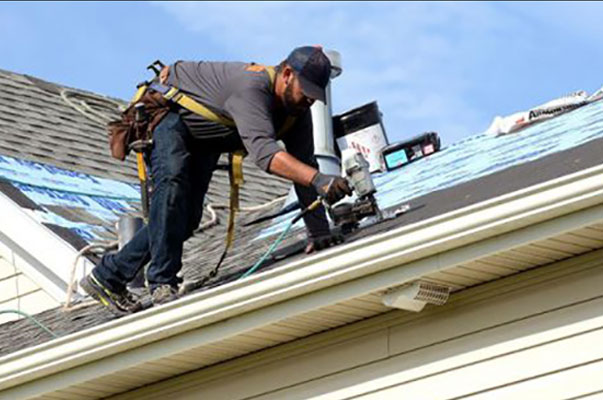
Choosing the Best Roofing Contractor in Nampa: A Guide for Treasure Valley Homeowners

Your home’s roof is its first line of defense. Ensure it’s in the hands of a trusted professional.

In Nampa and across the Treasure Valley, a roof has to endure a lot—from the intense summer sun and powerful windstorms to heavy winter snow. Choosing the right contractor to install or repair this critical asset isn’t just a matter of finding a good price; it’s about securing your home’s safety, value, and comfort for years to come. With so many options available, how do you sort through the noise and find a reliable, professional, and local Boise roofing contractor you can trust? This guide breaks down the essential steps for Nampa homeowners.

Key Factors When Hiring a Nampa Roofing Contractor

Making an informed decision starts with knowing what to look for. Here are the most important criteria to evaluate.

Verify Idaho Registration and Insurance

While Idaho does not issue a state-level license for roofing contractors, all legitimate professionals must be registered with the Idaho Contractors Board. This registration is non-negotiable and confirms they are a recognized business. More importantly, ask for proof of both general liability insurance and workers’ compensation. Liability insurance protects your property from accidental damage, while workers’ comp covers their crew in case of injury, ensuring you are not held financially responsible.

Prioritize Local Treasure Valley Experience

A local contractor understands the unique challenges of our region’s climate. They know which materials stand up best to Nampa’s weather, are familiar with local building codes, and have established relationships with nearby suppliers. Hiring a company with deep roots in communities like Meridian and Eagle means they have a local reputation to uphold. They are more accountable, accessible for future needs, and invested in the community—because they’re your neighbors.

Evaluate Materials and Warranties

A great contractor uses high-quality materials from reputable manufacturers. Discuss the pros and cons of different options, such as durable architectural shingles or long-lasting metal roofing, for your specific home. Furthermore, inquire about warranties. A solid roofing project comes with two: a manufacturer’s warranty on the materials and a workmanship warranty from the contractor. At Team Construction, we are an Owens Corning Preferred Contractor, allowing us to offer some of the best warranties in the business for both residential and commercial projects.

Insist on a Detailed, Written Estimate

Never proceed with a verbal agreement. A professional contractor will provide a comprehensive, written estimate that details the full scope of the project. This document should include the specific materials to be used, a breakdown of labor costs, the project timeline, payment terms, and clear procedures for handling unexpected issues or changes. This protects both you and the contractor.

Red Flags to Watch Out For

Being cautious is key to avoiding scams and poor workmanship. Watch for these warning signs when vetting potential contractors:

  • High-Pressure Sales Tactics: A reputable contractor will give you time to consider their estimate without pressure. Be wary of “today-only” deals.
  • “Storm Chasers”: After a major hailstorm, out-of-state companies often flood the area. They may lack knowledge of local codes and disappear once the work is done, leaving you without a valid warranty or recourse for issues. Always prioritize established, local businesses that specialize in wind and hail damage repair.
  • Demands for Large Upfront Payments: While a deposit for materials is standard, a contractor demanding the full cost (or a large percentage) in cash before work begins is a major red flag.
  • Vague Contracts: If the estimate is unclear, lacks detail, or the contractor is hesitant to put promises in writing, walk away.

Did You Know?

The Treasure Valley’s frequent freeze-thaw cycles during winter are a leading cause of ice dams. These ridges of ice at the edge of a roof prevent melting snow from draining, forcing water under shingles and causing significant leaks and interior damage. A knowledgeable local roofer can ensure your roof has proper ventilation and protection against this common issue.

Questions to Ask a Potential Roofer

Before signing a contract, arm yourself with the right questions to ensure you’re hiring a true professional.

  1. Can you provide your Idaho contractor registration number and proof of insurance?
  2. How long has your company been serving the Nampa/Boise area?
  3. Can you provide a list of local references I can contact?
  4. What is your process for handling roof insurance claims for storm damage?
  5. Who will be the project manager, and how will we communicate throughout the project?
  6. How will you protect my home’s siding, windows, and landscaping during the roofing process?
  7. What are the details of your workmanship warranty?

Protect Your Nampa Home with a Contractor You Can Count On

Your roof is too important to leave to chance. By doing your homework and selecting a qualified, local, and reputable contractor, you invest in your home’s long-term health and your own peace of mind. Team Construction is proud to be a trusted, locally owned and operated contractor serving Nampa and the entire Treasure Valley with integrity and quality workmanship.

Get Your Free Inspection & Estimate

Frequently Asked Questions

How much does a new roof cost in Nampa, ID?

The cost of a roof replacement varies significantly based on factors like the size and slope of your roof, the materials you choose (e.g., architectural shingles vs. metal), and the complexity of the job. The best way to get an accurate number is to schedule a free, no-obligation estimate where we can assess your specific needs.

How long does a typical roof replacement take?

For an average-sized residential home, a full roof replacement can usually be completed in 1 to 3 days. However, factors like weather, roof complexity, and any underlying structural repairs can affect the timeline.

My roof was damaged in a hailstorm. Can you help with the insurance claim?

Absolutely. We specialize in storm damage and insurance restoration. Our team can perform a thorough inspection, document all damage, and help you navigate the entire insurance claims process from start to finish to ensure your property is restored correctly.

How do I know if I need a roof repair or a full replacement?

The decision depends on the age of your roof and the extent of the damage. If the issue is isolated to a small area (a few missing shingles) and the rest of the roof is in good condition, a professional repair may be sufficient. However, if your roof is over 20 years old, has widespread damage, or is experiencing recurring leaks, a replacement is often the most cost-effective long-term solution.

Spotting Roof Damage in Nampa: When to Repair vs. Replace

Protecting Your Treasure Valley Home

For homeowners in Nampa and across the Treasure Valley, a sturdy roof is the first line of defense against our region’s distinct weather patterns. From hot, dry summers to winters that can bring snow and ice, your roof endures a lot. Storms carrying wind and hail are also not uncommon, and the damage they leave behind isn’t always obvious from the ground. Recognizing the subtle signs of wear and tear can be the difference between a minor roof repair and a costly, premature replacement.

Understanding whether a simple fix will suffice or if a full replacement is necessary is crucial for protecting your investment. This guide will walk you through identifying common roof problems Nampa residents face, helping you make an informed decision to keep your home safe and secure.

Common Signs of Roof Damage in Nampa

After a significant weather event, or even just due to age, your roof will show signs of distress. Knowing what to look for can save you from more extensive and expensive issues down the road, like interior water damage or structural problems.

Evidence of Wind and Hail Damage

Wind is a frequent culprit of roof damage in Idaho. Strong gusts can lift, curl, or even tear shingles completely off, leaving the underlying roof deck exposed. Hail is another significant threat, causing dents in shingles, gutters, and flashing. This can compromise the shingle’s protective outer layer.

  • Missing or Lifted Shingles: Check for shingles that are flapping, curled at the edges, or completely missing.
  • Granule Loss: Look for an accumulation of shingle granules (they look like coarse black sand) in your gutters and downspouts. This indicates that the protective layer of your shingles is wearing away.
  • Dents and Dings: Inspect metal components like vents, flashing, and gutters for dents left by hail. If these are damaged, your shingles likely are too.

If you suspect wind and hail damage, a professional roof inspection is your best course of action to assess the full extent.

Leaks and Water Intrusion

Water damage is one of the most serious consequences of a compromised roof. Leaks are not always dramatic drips; they can be slow and subtle, causing significant harm over time.

  • Ceiling Stains: Yellow or brown spots on your ceilings or walls are a classic sign of a roof leak.
  • Attic Issues: Check your attic for damp rafters, insulation, or visible light coming through the roof deck. A musty odor is also a red flag for moisture.
  • Damaged Flashing: The metal strips around chimneys, vents, and skylights can peel away or rust, creating an easy entry point for water.

Issues like these often require professional roof repair in Boise and the surrounding areas to prevent long-term structural problems.

Repair or Replace? A Tough Decision Made Simple

Deciding between repairing a few spots and investing in a full roof replacement can be challenging. Several key factors can help guide your decision, ensuring you make the most cost-effective choice for your home’s long-term health.

When to Opt for Roof Repair

Repairs are often a viable solution if the damage is isolated and your roof is relatively new. Generally, if your roof is less than 10-15 years old and the rest of it is in good shape, a professional repair can extend its life significantly.

  • The damage is limited to a small, specific area.
  • You have a few missing or cracked shingles from a recent storm.
  • Your roof is otherwise young and in good structural condition.
  • A leak is caused by damaged flashing around a chimney or vent.

When to Consider Replacement

A full replacement is a larger investment, but it’s often more prudent when the damage is widespread or the roof is nearing the end of its lifespan. Constantly paying for repairs on an old roof can become more expensive than a replacement over time.

  • Your roof is over 20 years old (for typical asphalt shingles).
  • Damage is widespread across more than 30% of the roof surface.
  • You are experiencing recurring leaks in multiple locations.
  • Shingles are extensively curled, cracked, or losing granules.

Whether it’s for your home or business, choosing the right contractor for commercial roofing or residential roofing services is paramount.

Quick Facts: Did You Know?

  • Nampa experiences an average of 210 sunny days per year, but also gets about 11.6 inches of rain and 19 inches of snow annually, putting constant stress on roofing materials.
  • A new roof can significantly increase your home’s energy efficiency and curb appeal, offering a strong return on investment.
  • Insurance policies often have deadlines for filing a storm damage claim, sometimes as short as one year. Acting quickly after a storm is crucial, and a professional can help you navigate the roof insurance claims process.

The Nampa Advantage: Hiring a Local Contractor

When you need roof work in Nampa, Meridian, Eagle, or anywhere in the Treasure Valley, hiring a local contractor like Team Construction offers significant benefits. Local experts understand the specific challenges our climate presents.

  • Local Knowledge: We know the Nampa weather and build roofs designed to withstand it. We’re familiar with local building codes and regulations, ensuring your project is compliant.
  • Quick Response: Being local means we can respond quickly to emergencies, minimizing damage to your property. Whether you’re in Meridian or Eagle, we’re just a short drive away.
  • Community Accountability: Our reputation in the community is everything. We live here too and are committed to delivering quality workmanship and standing behind our warranties.
  • Insurance Expertise: We specialize in insurance restoration and can work directly with your provider to ensure a smooth and fair claims process.

Don’t Wait for a Drip to Become a Disaster

If you suspect your Nampa roof has been damaged, a professional inspection is the first step toward peace of mind. The Team Construction experts will provide an honest assessment and a free, no-obligation estimate.

Get Your Free Estimate

Frequently Asked Questions

How long does a typical asphalt shingle roof last in Idaho?

An asphalt shingle roof typically lasts 20-30 years in Idaho, but this can be affected by factors like installation quality, ventilation, and the severity of local weather conditions. Regular inspections can help maximize its lifespan.

Will my insurance cover roof replacement for storm damage?

Most homeowner’s insurance policies cover roof damage from “acts of God” like wind and hail. However, coverage depends on your specific policy and the extent of the damage. A reputable contractor can document the damage properly and assist you with your insurance claim.

Can I repair my own roof?

While minor fixes may seem simple, roofing work can be dangerous and complex. Improper repairs can lead to bigger leaks and may void your roof’s warranty. It’s always safest and more effective to hire a licensed and insured Idaho roofing contractor.

What’s the first thing I should do after a major storm?

First, perform a safe visual inspection from the ground. Look for obvious signs of damage like missing shingles. Then, call a professional roofing company for a thorough inspection before calling your insurance company. An expert assessment will give you a clear picture of the damage and strengthen your insurance claim.

Glossary of Roofing Terms

  • Decking (or Sheathing): The wooden boards (usually plywood or OSB) that make up the foundational layer of your roof.
  • Drip Edge: A metal flashing installed at the edges of the roof to help direct water into the gutters.
  • Eaves: The edges of the roof which overhang the face of a wall.
  • Fascia: The board that runs along the lower edge of the roof, where gutters are often attached.
  • Flashing: Pieces of metal or other material used to prevent water from seeping into joints, like around chimneys, vents, or valleys.
  • Granules: The crushed rock and ceramic particles embedded in the surface of asphalt shingles to protect them from UV rays and add color.
  • Ridge: The highest point of a roof, where two sloped roof areas meet.
  • Soffit: The underside of the eaves. It often has vents to help with attic ventilation.
  • Underlayment: A layer of waterproof or water-resistant material installed on top of the roof decking and beneath the shingles as a secondary barrier against moisture.