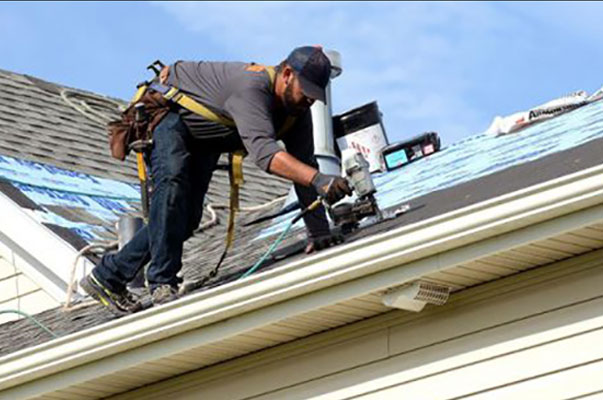
Protecting Your Nampa Home Starts at the Top
Your roof is your home’s first line of defense against the elements. Here in Nampa and across the Treasure Valley, our roofs endure hot, dry summers and cold, snowy winters. Understanding when and how to care for your roof is crucial for protecting your investment, ensuring your family’s comfort, and maintaining your home’s value. This guide walks you through the essentials of residential roofing, from spotting trouble signs to choosing the right materials for our unique Idaho climate.
When Does Your Roof Need Attention? Key Warning Signs
Most homeowners don’t think about their roof until a leak appears. Proactive inspection, however, can save you from costly emergency repairs and extensive interior damage. If you notice any of the following signs, it’s time to schedule a professional inspection.
- Curling or Buckling Shingles: Shingles that are curling at the edges or buckling in the middle are often past their lifespan and are no longer providing adequate protection.
- Missing Shingles: Strong Treasure Valley winds can lift and remove shingles, leaving your roof’s underlayment exposed to moisture and UV damage.
- Granules in Gutters: Asphalt shingles have a top layer of granules for protection. Finding excessive amounts of these granules in your gutters is a clear sign that your roof is aging and deteriorating.
- Water Stains or Drips: The most obvious sign of a problem is evidence of water infiltration. Check your attic and ceilings for dark spots, stains, or active drips, especially after rain or snowmelt. A timely roof repair can prevent minor issues from becoming major ones.
- Daylight Through Roof Boards: If you can see daylight coming through the roof boards when you’re in your attic, you have an immediate problem that needs professional attention.
Ignoring these warning signs can lead to more significant issues over time. After a major storm with high winds or hail, it’s always wise to get a professional wind and hail damage inspection, even if you don’t see any immediate problems from the ground.
Choosing the Right Roofing Material for Your Nampa Home
The right material enhances curb appeal and provides lasting protection. The best choice depends on your budget, style preferences, and desired longevity. Here’s a look at popular options for homes in our area:
| Material | Pros | Cons | Ideal For Nampa Climate |
|---|---|---|---|
| Asphalt Shingles | Cost-effective, versatile styles, easy to repair. | Shorter lifespan (15-30 years), can be damaged by hail. | A very popular and economical choice. Architectural shingles offer better durability against wind and sun. |
| Metal Roofing | Extremely durable (50+ years), fire resistant, energy-efficient. | Higher initial cost, can be noisy during rain if not properly insulated. | Excellent for snow shedding in winter and reflecting heat in summer. Highly resistant to wind. |
| Composite Shingles | Mimics look of slate/wood, durable, impact-resistant. | More expensive than asphalt, quality varies by brand. | Great all-around performance, offering superior resistance to hail and UV degradation. |
The Roof Replacement Process: What to Expect
A full roof replacement is a significant project. Knowing the steps involved can help you prepare. As your local Nampa and Meridian roofing contractor, we follow a meticulous process:
- Comprehensive Inspection & Estimate: We start with a thorough assessment of your existing roof to determine the scope of work and provide a detailed, transparent estimate.
- Material Selection: We help you choose the best materials for your home’s aesthetic and your budget.
- Preparation: Your property is protected with tarps to catch debris and safeguard landscaping before any work begins.
- Tear-Off: The old roofing material is completely removed to expose the roof deck for inspection and necessary repairs.
- Installation: We install the new roofing system, including underlayment, flashing, and your chosen shingles or panels, according to manufacturer specifications.
- Cleanup & Final Inspection: The job site is thoroughly cleaned, and we conduct a final walkthrough to ensure your complete satisfaction.
Did You Know?
Proper attic ventilation is just as important as the roofing material itself. Without good airflow, heat and moisture can build up, drastically shortening your roof’s lifespan and increasing your energy bills. A professional roofing contractor will always assess your ventilation as part of a roof inspection.
Navigating Insurance Claims in Nampa
Storm damage is a reality in Idaho. Hail and high winds can wreak havoc on a roof. Navigating the aftermath and dealing with insurance can be overwhelming. A reputable contractor can be your greatest ally. At Team Construction, we specialize in roof insurance claims. We document damage, meet with adjusters, and ensure all necessary repairs are covered, simplifying the restoration process for you. From Nampa to Eagle, we help homeowners restore their properties efficiently.
Ready to Protect Your Home?
Don’t wait for a small issue to become a major headache. Get a free, no-obligation roof inspection from the trusted local experts at Team Construction.
Frequently Asked Questions
How long should a residential roof last in Idaho?
The lifespan depends heavily on the material. Standard asphalt shingle roofs typically last 15-25 years in the Treasure Valley climate. Architectural shingles can last 25-30 years, while a properly installed metal roof can last 50 years or more.
Can my roof be repaired, or does it need to be replaced?
This depends on the age of your roof and the extent of the damage. A few missing shingles on a relatively new roof can often be repaired. However, if the roof is over 15-20 years old and has widespread issues like curling shingles or extensive granule loss, a full replacement is usually the more cost-effective solution in the long run. We provide honest assessments to help you decide on services like Boise roof repair or replacement.
How much does a new roof cost in Nampa?
The cost varies based on the size and slope of your roof, the materials you choose, and the complexity of the job. The best way to get an accurate figure is to schedule a free, on-site estimate. We provide detailed quotes with no hidden fees.
Do you work on commercial properties as well?
Yes, we do. While this guide focuses on residential roofing, Team Construction is a full-service contractor with extensive experience in commercial roofing for businesses throughout the Treasure Valley.
Roofing Terms You Should Know
Deck/Sheathing
The plywood or OSB board that makes up the framing of the roof, to which the underlayment and shingles are attached.
Flashing
Pieces of metal used to prevent water from seeping into critical areas of the roof, such as valleys or around chimneys, vents, and skylights.
Underlayment
A layer of water-resistant material placed between the roof deck and the shingles to serve as a secondary barrier against moisture.
Architectural Shingles
Also known as dimensional or laminate shingles, these are asphalt shingles that are thicker and heavier than traditional 3-tab shingles, providing a more textured, high-definition look and greater durability.