A Business Owner’s Guide to Commercial Roofing in Nampa, ID

Protecting Your Nampa Business Starts from the Top

For any business owner or property manager in Nampa, Idaho, the roof over your head is more than just a structure—it’s the primary line of defense for your assets, inventory, employees, and customers. A compromised commercial roof can lead to costly operational disruptions, structural damage, and safety hazards. Understanding your roofing options and the importance of proper maintenance is critical to protecting your investment and ensuring business continuity in the Treasure Valley.

Choosing the Right Commercial Roofing System for Your Nampa Property

The best roofing material for your Nampa business depends on several factors, including your building’s structure, your budget, and your long-term performance goals. Idaho’s distinct seasons, from hot, dry summers to cold, snowy winters, demand a roofing system that can handle thermal shock and variable weather. Here’s a breakdown of the most common and effective commercial roofing systems we install.

Material Key Benefits Ideal For
TPO (Thermoplastic Olefin) Highly energy-efficient (white TPO reflects UV rays), durable against punctures, and features heat-welded seams for superior leak protection. Most flat or low-slope roofs, especially for businesses concerned with cooling costs during Nampa’s hot summers.
EPDM (Ethylene Propylene Diene) Extremely durable with a long lifespan (often 25+ years), flexible in cold temperatures, and resistant to hail damage. Large, flat-roofed buildings such as warehouses and distribution centers that need a reliable, long-term solution.
Metal Roofing Exceptional longevity (40-70+ years), superior resistance to fire and wind, and available in various aesthetic styles and colors. Buildings with sloped roofs or businesses looking for a blend of performance and modern architectural appeal.
Modified Bitumen A multi-layered system offering excellent waterproofing and tear resistance, making it great for roofs with high foot traffic. Roofs with heavy equipment, frequent maintenance access, or complex structural elements.

Did You Know?

  • A reflective “cool roof,” like a white TPO system, can reduce a building’s surface temperature by up to 50°F, potentially lowering peak cooling energy demand by 10-15%.
  • Most commercial roof warranties require documented proof of regular professional inspections and maintenance to remain valid. Skipping maintenance can void your coverage.
  • The majority of roof failures occur at seams, flashing, and penetration points (like around vents or HVAC units), making a professional roof inspection essential for prevention.

Your Seasonal Maintenance Checklist for Nampa Businesses

Proactive maintenance is the key to maximizing your roof’s lifespan and preventing costly emergencies. In Nampa, seasonal checks are crucial for addressing issues caused by weather extremes. Here is a simple checklist to follow.

Spring Checklist (Post-Winter Thaw)

After a long winter, your roof needs a thorough check. Clear away any accumulated debris from the roof surface, drains, and gutters. Carefully inspect for damage caused by snow and ice, paying close attention to seams, flashing, and seals. This is the ideal time to schedule a professional roof repair for any issues found.

Summer Checklist (Peak Sun Exposure)

The intense summer sun in the Treasure Valley can cause materials to crack, blister, or degrade. Look for any signs of UV damage. Also, ensure HVAC units are not leaking condensation, as standing water (ponding) can accelerate roof deterioration and void warranties.

Fall Checklist (Pre-Winter Preparation)

Before the first snowfall, it’s vital to prepare your roof. Remove fallen leaves and other debris that can clog drainage systems. Clogged drains are a leading cause of ice dams, which can force water under the roofing material and cause severe leaks and structural damage during winter.

Navigating Nampa’s Unique Climate Challenges

As a local Nampa-area contractor, Team Construction understands the specific challenges our climate presents. From sudden hailstorms that can cause impact damage to high winds that test the integrity of seams and flashing, your roof needs to be ready for anything. We help businesses select materials and perform installations that are specifically designed to withstand the Treasure Valley’s weather. Should a storm hit, we are experts in assessing wind and hail damage and provide comprehensive insurance restoration services to get you back to business quickly.

Ready to Secure Your Nampa Commercial Property?

Don’t wait for a small issue to become a major expense. The expert team at Team Construction provides complimentary, no-obligation roof inspections and detailed estimates for businesses throughout Nampa and the Treasure Valley.

Get Your Free Estimate Today

Frequently Asked Questions

How often should I have my commercial roof inspected in Nampa?

We recommend a professional inspection at least twice a year—once in the spring and once in the fall. Additionally, it’s wise to have an inspection after any major weather event, such as a severe hailstorm or high winds.

What is the average lifespan of a commercial roof?

Lifespan varies significantly by material and maintenance. Generally, you can expect: TPO to last 15-25 years, EPDM 20-30 years, and a properly maintained Metal roof can last 40-70 years or more.

Can Team Construction help with insurance claims for storm damage?

Yes, absolutely. We specialize in insurance restoration and have extensive experience working with insurance companies. We can help document damage and guide you through the entire roof insurance claims process to ensure a smooth and fair outcome.

Does a small leak require immediate attention?

Yes. A “small” leak is a sign of a larger problem and can quickly lead to widespread water damage, saturated insulation (reducing R-value), structural decay, and mold growth. Addressing it immediately is critical to prevent compounding issues and costs.
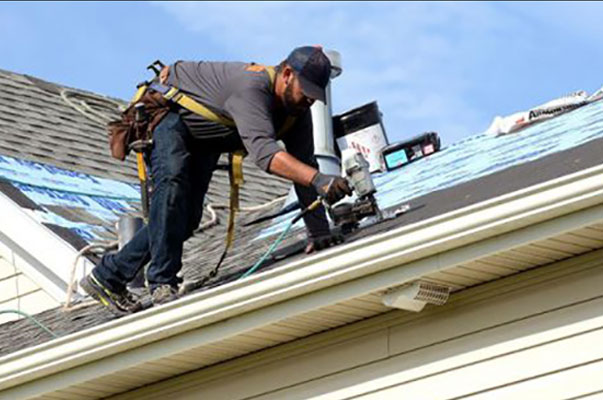
A Business Owner’s Guide to Commercial Roofing in Boise

Protecting Your Investment from the Top Down

For any business in Boise or the Treasure Valley, your commercial property is one of your most significant assets. Its roof, the primary shield against Idaho’s dynamic weather, plays a crucial role in protecting that asset, your inventory, and daily operations. A roof is more than just a cover; it’s a complex system that requires professional expertise to install, maintain, and repair. Neglecting your commercial roofing can lead to disruptive leaks, structural damage, and costly emergency repairs that impact your bottom line.

Understanding the essentials of commercial roofing is the first step toward long-term security and peace of mind. Whether you manage an office building in downtown Boise, a retail space in Meridian, or a warehouse in Eagle, this guide will walk you through the key aspects of commercial roofing, from material selection to proactive maintenance.

Choosing the Right Roofing System for Your Business

The type of roofing system best suited for your commercial property depends on several factors, including the building’s structure, slope, budget, and energy efficiency goals. Here are some of the most common types of commercial roofing systems we see in the Treasure Valley:

TPO (Thermoplastic Polyolefin) Roofing

TPO is a single-ply membrane known for its durability, energy efficiency, and resistance to UV rays, punctures, and chemical exposure. Its white, reflective surface helps keep buildings cooler during hot Idaho summers, reducing HVAC costs. It’s a popular choice for low-slope or flat roofs on office buildings and retail centers. While TPO is a cost-effective and energy-efficient option, its formulation has evolved over the years, and early versions sometimes faced issues with longevity.

EPDM (Ethylene Propylene Diene Monomer) Roofing

Often referred to as a “rubber roof,” EPDM is a synthetic rubber membrane that offers exceptional durability and a long lifespan, often exceeding 30 years with proper maintenance. It’s highly resistant to weathering, hail, and temperature fluctuations, making it a reliable option for Idaho’s varied climate. The standard black color absorbs heat, which can be a drawback in summer but beneficial in winter. However, its seams are often its weakest point and require proper installation to prevent leaks.

PVC (Polyvinyl Chloride) Roofing

PVC is a premium single-ply membrane renowned for its strength, durability, and resistance to fire, chemicals, and grease. Its heat-welded seams create a monolithic, watertight surface, making it an excellent choice for restaurants or industrial facilities. While PVC is typically the most expensive of the three main single-ply options, its longevity and low maintenance needs can provide a great return on investment.

Metal Roofing

Metal roofing is prized for its longevity, often lasting 50 years or more. It is extremely durable, resistant to fire, and can be designed in various styles and colors. Metal roofs are also energy-efficient, reflecting solar heat and potentially lowering cooling costs. The primary drawback is the higher upfront installation cost compared to other systems.

Did You Know? Quick Facts on Commercial Roofing

  • A reflective “cool roof” (like white TPO or PVC) can lower roof surface temperatures by up to 50°F, significantly reducing air conditioning costs.
  • Proactive roof maintenance can extend a commercial roof’s lifespan by up to 50%, preventing costly premature replacement.
  • Most commercial roof leaks occur at points of penetration—vents, HVAC units, and flashing. Regular inspections are key to catching these issues early.

Navigating Boise’s Climate: Common Roofing Challenges

Boise’s semi-arid climate, with its hot summers, cold winters, and occasional high winds, presents unique challenges for commercial roofs. Property owners must be vigilant about issues like:

  • UV Damage: Intense summer sun can cause roofing membranes to degrade, crack, and become brittle over time.
  • Snow and Ice Dams: Heavy snowfall can strain the roof’s structure, while melting and refreezing cycles create ice dams that prevent proper drainage, leading to water infiltration. This is a major concern that often requires professional roof repair.
  • Wind and Hail Damage: Strong winds can lift edges of roofing material, while hailstorms can create punctures or dents, compromising the roof’s integrity. After a storm, it’s crucial to check for wind and hail damage.
  • Ponding Water: On flat roofs, improper drainage can lead to ponding water, which adds significant weight and accelerates material deterioration.

The Importance of Proactive Roof Maintenance

The most effective way to protect your investment is through a consistent maintenance plan. Waiting for a leak to appear is a reactive approach that almost always leads to more extensive and expensive damage. A proactive strategy includes:

Step 1: Conduct Bi-Annual Inspections

Your roof should be professionally inspected at least twice a year, typically in the spring and fall. These inspections prepare your roof for the summer heat and winter snow, identifying any damage from the previous season.

Step 2: Keep Drains and Gutters Clear

Clogged drains are a primary cause of ponding water on flat roofs. Regularly clearing debris like leaves, branches, and trash ensures that water can flow off the roof as intended.

Step 3: Document and Address Minor Repairs Immediately

Small issues like a cracked sealant, a loose piece of flashing, or a minor puncture can quickly escalate. Addressing these problems promptly prevents them from turning into major leaks. If storm damage occurs, working with a contractor who understands roof insurance claims is essential for a smooth restoration process.

Why a Local Boise Contractor Matters

When it comes to your commercial property, hiring a local, full-service contractor like Team Construction provides a distinct advantage. Local experts understand the specific weather patterns, building codes, and material requirements for the Treasure Valley. We’re not just a company that works here; we’re part of the community. This local knowledge ensures your roof is built to last against everything Idaho’s climate can throw at it.

Protect Your Boise Business with an Expert Roof Inspection

Don’t wait for a small problem to become a major business disruption. A proactive approach to your commercial roofing is the smartest investment you can make in your property. The experienced team at Team Construction is here to provide a comprehensive inspection and a clear, honest assessment of your roof’s condition.

GET A FREE ESTIMATE

Frequently Asked Questions

How often should I have my commercial roof inspected?

It is highly recommended to have your commercial roof professionally inspected at least twice a year, ideally in the spring and fall. Additional inspections are wise after any severe weather event, such as a major hailstorm or high winds.

What is “ponding water” and why is it bad?

Ponding water is standing water that remains on a flat roof for more than 48 hours after rainfall. It’s a sign of a drainage problem. The weight of the water adds stress to the structure, and it accelerates the breakdown of roofing materials, leading to leaks.

Can my commercial roof be repaired, or does it need to be replaced?

This depends on the age of the roof, the extent of the damage, and the type of roofing system. Minor issues like small punctures or failing sealant can often be repaired. However, if the damage is widespread, the membrane is past its service life, or there are underlying issues with insulation, a full replacement may be more cost-effective in the long run. A professional inspection is the only way to be sure.

How can a new roof help with my energy bills?

Modern commercial roofing materials, especially “cool roofs” with reflective surfaces like white TPO or PVC, can dramatically reduce heat absorption. This keeps the building cooler in the summer, lessening the load on your HVAC system and leading to significant savings on energy costs.

Protecting Your Investment: A Guide to Commercial Roofing in Meridian

Expert Roofing Solutions for Meridian & Treasure Valley Businesses

For any business or commercial property owner, the roof is a critical asset. It’s the first line of defense against the elements, safeguarding your inventory, equipment, employees, and customers. A compromised roof can lead to operational downtime, expensive interior damage, and safety hazards. Investing in a durable, well-maintained commercial roofing system isn’t just a building expense—it’s a vital business decision that protects your property’s value and ensures operational continuity. Here in Meridian and across the Treasure Valley, having a roof that can handle our unique climate is paramount.

Understanding Commercial Roofing Systems for Idaho

Commercial roofs are not one-size-fits-all. The right material depends on your building’s structure, budget, and the specific demands of the Idaho climate. Most commercial properties feature flat or low-slope roofs, which require specialized materials to ensure proper drainage and protection.

TPO (Thermoplastic Olefin)

A popular choice for its energy efficiency and cost-effectiveness, TPO is a single-ply membrane known for its durability and resistance to UV rays. Its reflective white surface helps keep buildings cooler during Idaho’s hot summers, potentially lowering energy bills.

EPDM (Ethylene Propylene Diene Monomer)

Often called a “rubber roof,” EPDM has a long-proven track record for durability and weather resistance. It’s known for its long lifespan, often lasting 25-35 years with proper maintenance, making it a reliable, long-term investment.

Metal Roofing

Valued for its exceptional longevity and strength, metal roofing is highly resistant to fire, wind, and impact. While it can be a higher initial investment, its lifespan can exceed 40-50 years, and its reflective properties offer excellent energy savings.

Key Signs Your Commercial Roof Needs Attention

Proactive maintenance starts with knowing what to look for. Catching minor issues early can prevent them from escalating into major, costly problems. If you notice any of the following signs, it’s time to schedule a professional roof inspection.

  • Interior Water Stains: Stains on ceilings or walls are a clear red flag that moisture has penetrated your roof’s membrane.
  • Ponding Water: Water that remains on a flat roof for more than 48 hours after rain indicates a drainage problem and can accelerate deterioration.
  • Visible Membrane Damage: Look for bubbles, blisters, cracks, or tears on the roof’s surface. These indicate trapped moisture or material aging.
  • Separated Seams or Flashing: The seams and metal flashing around vents and edges are common failure points. Gaps or separation can allow water to seep in.
  • Rising Energy Bills: A sudden, unexplained spike in heating or cooling costs could mean your roof’s insulation is compromised and no longer performing efficiently.

Did You Know?

A reflective “cool roof” can lower roof surface temperatures by up to 50°F, significantly reducing the energy needed to cool your building in the summer. Furthermore, the leading cause of premature roof failure is the lack of regular maintenance. Scheduling bi-annual inspections can extend the life of your commercial roof by years, protecting your investment and preventing disruptive repairs.

Navigating Commercial Roofing Projects & Insurance

Whether you need a targeted roof repair or a full replacement, having a clear process is essential. At Team Construction, we ensure a smooth, transparent experience from start to finish.

Step 1: Thorough Inspection and Assessment

Every project begins with a comprehensive evaluation of your current roofing system. Our experts identify all areas of concern, from obvious damage to subtle weaknesses that could become future problems. We provide a detailed report and a clear, honest estimate.

Step 2: Material Selection and Planning

We work with you to select the best roofing material for your building’s needs and your budget. We consider factors like foot traffic, building use, energy efficiency goals, and long-term performance to recommend the ideal solution.

Step 3: Managing Storm Damage and Insurance Claims

Idaho weather can be unpredictable, and strong storms can cause significant wind and hail damage. If your roof has been impacted by a storm, navigating the insurance process can be daunting. Our team specializes in insurance restoration and can guide you through every step. We document all damage meticulously and work directly with your insurance company to ensure your roof insurance claim is handled correctly and you receive the coverage you’re entitled to.

Step 4: Professional Installation and Lifetime Warranties

Our skilled installation crews adhere to the highest industry standards, ensuring your new roof is installed flawlessly. We stand behind our work with quality materials and lifetime warranties, giving you peace of mind that your investment is protected for decades to come.

The Meridian & Treasure Valley Advantage

As a local contractor, Team Construction understands the specific challenges that commercial roofs face in Meridian, Boise, and the surrounding Treasure Valley. Our climate features hot, dry summers with intense UV exposure, followed by cold winters with snow and ice. This cycle of expansion and contraction puts immense stress on roofing materials. We select and install systems designed to withstand these temperature swings and protect against potential hail and wind damage. When you need Meridian roofing experts who know the local conditions, you can trust our team to deliver a solution built to last.

Protect Your Commercial Property Today

Don’t wait for a small leak to become a major liability. A proactive approach to roof maintenance is the smartest investment you can make in your property. The experts at Team Construction are ready to provide a free, no-obligation inspection of your commercial roof.

Get Your Free Estimate

Frequently Asked Questions

How often should I have my commercial roof inspected?

We recommend a professional inspection at least twice a year—once in the spring and once in the fall—to prepare for and recover from harsh weather seasons. An inspection should also be scheduled immediately following any significant weather event, like a hailstorm.

What are the most energy-efficient roofing options for a business in Idaho?

Light-colored or reflective materials like white TPO and coated metal roofing are excellent choices for energy efficiency in Idaho. They reflect sunlight and reduce heat absorption, which can lower cooling costs during hot summers.

Can my business remain open during a roof replacement?

In most cases, yes. Our team works diligently to minimize disruption to your daily operations. We prioritize safety and create a detailed logistics plan to ensure your business can continue to operate safely while we work.

How does Team Construction assist with insurance claims for storm damage?

We provide comprehensive support by thoroughly documenting all storm-related damage, providing detailed estimates that meet insurance company requirements, and communicating with your adjuster to streamline the claims process. Our goal is to make a stressful situation as smooth as possible for you.

Glossary of Terms

TPO (Thermoplastic Olefin): A single-ply roofing membrane known for its white, reflective surface, which helps improve energy efficiency by reflecting UV rays.

EPDM (Ethylene Propylene Diene Monomer): A durable synthetic rubber roofing membrane commonly used on low-slope buildings, known for its long lifespan and weather resistance.

Flashing: Pieces of sheet metal or other waterproof material used to cover and protect joints on a roof, such as where a vent pipe meets the roof surface, to prevent water seepage.

Ponding Water: Areas of standing water on a roof that do not drain or evaporate within 48 hours. This can add significant weight and stress to a roof structure and accelerate material decay.