Choosing the Right Boise Roofing Contractor: A Comprehensive Guide

Protecting Your Treasure Valley Home Starts at the Top

Your roof is your home’s first line of defense against the harsh and unpredictable weather we experience here in Boise and the Treasure Valley. From intense summer sun and surprise hailstorms to heavy winter snow, your roof endures a lot. When it’s time for a repair or a full replacement, selecting the right roofing contractor is the most critical decision you’ll make. The quality of their workmanship not only protects your investment but also ensures the safety and comfort of your family. This guide will walk you through the essential steps to find a trustworthy, professional, and reliable Boise roofing contractor who gets the job done right the first time.

Why Hiring a Local Boise Contractor Matters

Choosing a local company like Team Construction for your roofing needs provides distinct advantages over out-of-state or national chains. A local contractor has a vested interest in the Boise community because they live and work here too. Their reputation is built on the satisfaction of their neighbors, leading to greater accountability and personalized service.

Local roofers possess an in-depth understanding of Boise’s specific climate challenges and building codes. They know which materials and techniques stand up best to Idaho’s hot summers and freezing winters. Furthermore, in the aftermath of a storm, a local team can provide a much faster response for emergency repairs, minimizing potential damage to your home. When you hire a local business, you’re also supporting the local economy and ensuring they’ll be around to honor their warranties for years to come.

Key Steps to Selecting Your Roofing Contractor

1. Verify Licensing and Insurance

This is non-negotiable. Any reputable roofing contractor in Idaho must be licensed and insured. Licensing confirms that the contractor has met state requirements, demonstrating their knowledge of building codes and safety protocols. Insurance, including general liability and workers’ compensation, protects you from any financial liability in the unfortunate event of an accident or property damage during the project. Don’t hesitate to ask for proof; a professional company will readily provide it.

2. Check for Experience and Local Reputation

Experience is a strong indicator of quality. A contractor who has been serving the Boise area for years, like Team Construction, will have a portfolio of completed projects and a deep understanding of local needs. Look for online reviews, testimonials, and ask for references from recent jobs. Driving by past projects can also give you a firsthand look at the quality of their work.

3. Get a Detailed, Written Estimate

A professional estimate should be more than just a number. It should be a detailed, written document outlining the full scope of work, including the specific materials to be used, labor costs, and a projected timeline. This transparency prevents misunderstandings and surprise costs down the line. Be wary of any contractor who is hesitant to put everything in writing.

4. Understand the Warranty

A solid warranty is a sign of a contractor’s confidence in their work and the materials they use. There are typically two types of warranties: one from the material manufacturer and one from the contractor covering their workmanship. Clarify the details of both. What is covered? How long is the warranty period? Knowing these details provides crucial long-term protection for your investment.

Navigating Storm Damage and Insurance Claims in Boise

The Treasure Valley is no stranger to severe weather, with wind and hail damage being a common concern for homeowners. After a storm, it’s vital to inspect your roof for signs of trouble, such as missing or cracked shingles, dents in gutters, or granule loss on asphalt shingles. However, some damage isn’t visible from the ground.

This is where an experienced contractor becomes invaluable. A professional can conduct a thorough roof inspection to identify all damage, even subtle issues that could lead to major leaks later. Furthermore, a contractor specializing in insurance restoration can streamline the claims process. They know how to document damage properly and communicate effectively with insurance companies, ensuring you get the full coverage you’re entitled to for your storm damage repairs.

Team Construction: Your Trusted Partner in Boise

When you need a reliable contractor for residential or commercial roofing, Team Construction is dedicated to providing quality workmanship and exceptional service across Boise, Meridian, and Eagle. As a full-service contractor, we also handle siding, windows, and full-scale remodels. We believe in doing the job right the first time, using high-quality materials and treating every client like family.

Your property is a significant investment. Don’t leave its protection to chance. By choosing a qualified, local, and reputable roofing contractor, you ensure the longevity of your roof and the safety of your home for years to come.

Ready to Start Your roofing Project?

Whether you need a routine inspection, storm damage repair, or a complete roof replacement, the experts at Team Construction are here to help. We offer free estimates and assistance with insurance claims to make the process as smooth as possible.

Get Your Free Estimate Today

Frequently Asked Questions

How do I know if my roof has storm damage?

Look for missing, cracked, or curled shingles; dents on gutters and flashing; and an accumulation of shingle granules in your downspouts. Since some damage can be hard to spot, a professional inspection is the best way to be sure.

How long does a typical roof replacement take?

The timeline for a roof replacement can vary depending on the size and complexity of the roof, the materials being used, and the weather. A professional contractor will provide a clear timeline in their written estimate. Most residential roof replacements can be completed in a few days.

What should I ask a roofing contractor before hiring them?

Key questions include asking for their license and insurance details, requesting local references, inquiring about the warranties they offer, and asking for a detailed written contract. You should also ask how they will protect your property during the project.

Will my homeowner’s insurance cover a roof replacement?

Most standard homeowner’s insurance policies cover roof damage from unforeseeable events like storms, hail, or fire. However, they typically do not cover damage due to age or lack of maintenance. An experienced contractor can help you navigate the insurance restoration process.
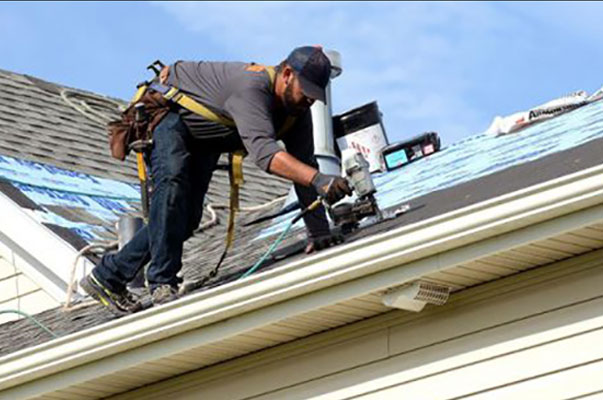
How to Hire the Right Roofing Contractor in Nampa: A Homeowner’s Guide

Protecting Your Treasure Valley Home Starts at the Top

Your roof is your home’s first line of defense against the diverse and sometimes harsh weather of the Treasure Valley. From hot summer sun to winter snow and unexpected hail storms, your roof bears the brunt of it all. When it’s time for a repair or replacement, choosing the right local roofing contractor is the most critical decision you’ll make. A qualified, trustworthy Nampa roofer not only ensures the job is done correctly but also provides long-term peace of mind. This guide will walk you through the essential steps and questions to ensure you hire the best team for your home’s needs.

The Importance of a Local, Licensed, and Insured Contractor

When searching for a roofing contractor, prioritizing local companies is key. A contractor based in the Boise or Nampa area, like Team Construction, understands the specific challenges our local climate presents. They have a vested interest in maintaining a strong reputation within the community they also call home.

Before any work begins, it’s vital to verify a contractor’s credentials. In Idaho, roofing contractors must be registered with the Idaho Contractors Board. While the state doesn’t have a specific roofing license, this registration shows they have met the state’s requirements, including proving business information and carrying the necessary insurance. Always ask for proof of general liability insurance and worker’s compensation. This protects you, the homeowner, from any liability should an accident occur on your property during the project.

Did You Know?

The most popular roofing materials in Idaho are asphalt shingles and metal roofs because of their durability and ability to handle extreme temperatures and moisture. Materials like architectural shingles are also gaining popularity for their enhanced resistance to impact and challenging weather conditions.

Key Questions to Ask Before You Hire

Arming yourself with the right questions can help you differentiate between reputable professionals and those who might cut corners. Here’s what you should ask every potential contractor:

  • “Are you registered in Idaho and can you provide proof of insurance?” As mentioned, this is non-negotiable. A professional contractor will readily provide documentation.
  • “How long have you been in business in the Treasure Valley?” A long-standing local business likely has a track record of quality work and satisfied customers.
  • “Can you provide local references?” Speaking to past clients in Nampa, Meridian, or Eagle can give you real-world insight into their workmanship and customer service.
  • “Who will be performing the work? Do you use subcontractors?” It’s important to know who will be on your property. If they use subcontractors, ensure they are also insured.
  • “What warranties do you offer on your workmanship and the materials?” A new roof should come with two warranties: one from the manufacturer for the materials and another from the contractor for the installation. A workmanship warranty of at least one year is standard.
  • “Will you provide a detailed, written estimate?” The estimate should clearly outline the scope of work, materials to be used, and total cost. This prevents surprises down the line.

Recognizing Storm Damage and Handling Insurance Claims

The Treasure Valley is no stranger to wind and hail damage. After a storm, it’s crucial to inspect your property safely from the ground. Look for tell-tale signs like:

  • Dents on gutters, downspouts, and vents.
  • Missing, cracked, or bruised-looking asphalt shingles.
  • An accumulation of shingle granules in your gutters.

If you suspect damage, your first step should be to document it with photos and then call a trusted roofing contractor for a professional roof inspection. A reputable contractor can verify the damage and provide an estimate, which is crucial for your insurance claim. Many experienced contractors, including Team Construction, can guide you through the claims process, meeting with the adjuster to ensure all damage is properly assessed and covered.

The Nampa Advantage: Why Local Matters

Choosing a contractor based in or near Nampa means you’re hiring a team that is not only familiar with local building codes but is also committed to the community. Local contractors are more accessible for follow-up questions, warranty servicing, and future needs, from residential roofing to larger commercial projects. They build their business on word-of-mouth and a solid local reputation, ensuring they treat every project with the care it deserves.

Ready to Protect Your Investment?

Don’t wait for a small leak to become a major problem. Whether you’re dealing with storm damage, an aging roof, or planning an exterior upgrade, having the right team on your side is crucial. Team Construction is your local, trusted expert for all roofing, siding, and remodeling needs in Nampa and the Treasure Valley.

Get Your Free Estimate Today

Frequently Asked Questions

How often should I have my roof inspected in Idaho?

It’s recommended to have your roof professionally inspected at least once a year, and also after any major weather events like a severe hailstorm or windstorm. Regular inspections can catch small issues before they become costly repairs.

What are the best roofing materials for the Nampa climate?

Asphalt shingles and metal roofing are excellent choices for Idaho’s climate due to their resilience to temperature swings, snow, and moisture. Impact-resistant shingles are also a great option to protect against hail damage.

What should I do if my insurance claim for roof damage is denied?

If your claim is denied, you can request a second inspection from a different insurance adjuster. It’s also beneficial to have your roofing contractor present during the inspection to advocate on your behalf and point out all the damage that warrants a repair or replacement. You can also appeal the decision with additional documentation from your contractor.

How long does a typical roof replacement take?

The timeline depends on the size and complexity of the roof, as well as the weather. However, an average-sized residential roof replacement can often be completed in a few days. Your contractor should provide a projected timeframe before starting the project.

Mastering Roof Insurance Claims in Eagle, ID: A Homeowner’s Guide

Don’t Let Storm Damage Overwhelm You. Navigate Your Claim with Confidence.

After a severe storm rolls through Eagle, the last thing any homeowner wants to deal with is a damaged roof and the confusing process of filing an insurance claim. The paperwork, the unfamiliar terminology, and the back-and-forth with adjusters can be stressful. But you don’t have to go through it alone. Understanding the process is the first step toward a successful claim and a fully restored roof. This guide will walk you through the essential steps, helping you secure the coverage you deserve and get your home back in top condition with minimal hassle.

The Critical First Step: A Professional Roof Inspection

Before you even pick up the phone to call your insurance agent, your first action should be to schedule a professional roof inspection. It’s tempting to file a claim immediately after seeing shingles on the lawn, but an expert assessment provides crucial leverage. A trained contractor can identify all points of damage—some of which are invisible from the ground—including subtle hail impacts, cracked seals, and lifted shingles.

This detailed inspection report, complete with photos and professional notes, becomes the foundation of your claim. It serves as unbiased proof of the extent of the wind and hail damage, preventing your insurance provider from potentially underestimating the repair costs. Without it, you risk having your claim undervalued or even denied for lack of sufficient evidence.

A professional assessment ensures that every detail is documented, from major shingle loss to granule displacement, giving you the best possible start to your roof insurance claim and setting the stage for a fair settlement.

How to File Your Roof Damage Claim: A Step-by-Step Guide

Step 1: Document Everything Thoroughly

Safely take photos and videos of the damage to your roof and property. Capture close-ups of damaged shingles, dents in gutters, and any interior leaks. Note the date and time of the storm as a reference point. The more evidence you gather, the stronger your claim will be.

Step 2: Contact a Trusted Local Roofing Contractor

This is where local experts like Team Construction come in. A reputable Idaho roofing contractor can provide a comprehensive damage assessment. We understand local building codes in Eagle and can provide an accurate estimate for repairs, which is vital for your insurance paperwork.

Step 3: Review Your Policy & Notify Your Insurer

Find your homeowner’s insurance policy documents and review your coverage for roofing. Understand your deductible—the amount you pay out-of-pocket. Then, contact your insurance company to officially start the claims process. They will assign you a claim number and an adjuster.

Step 4: Meet with the Insurance Adjuster

It is highly recommended to have your contractor present during the adjuster’s visit. Your contractor can act as your advocate, pointing out damage the adjuster might overlook and ensuring their assessment aligns with the professional inspection. This prevents discrepancies and helps streamline the process of getting the necessary insurance restoration work approved.

Step 5: Review the Adjuster’s Report & Settle

Once the adjuster submits their report, you will receive a summary of damages and a settlement offer. Carefully review this document with your contractor to ensure it covers all necessary repairs outlined in their initial estimate. If there are discrepancies, your contractor can help you negotiate with the insurance company.

Step 6: Schedule Your Roof Repair

After you’ve accepted the settlement, you can schedule the roof repair or replacement. The insurance company will typically release the funds in two installments: one to start the work and the final payment once the job is complete and an invoice is provided.

Did You Know? Quick Facts About Roof Damage

  • Not All Damage is Obvious: Hail can cause micro-fractures in shingles that aren’t visible from the ground but can lead to serious leaks over time.
  • Time is Limited: Most insurance policies have a statute of limitations (often 6-12 months) for filing a claim after a storm event. Don’t wait to get your roof inspected.
  • Your Contractor is Your Advocate: A knowledgeable contractor can communicate directly with your insurance adjuster, using industry-standard language and pricing to validate the need for repairs. This is crucial for both residential roofing and commercial projects.

The Eagle Advantage: Why Local Expertise Matters

The weather in the Treasure Valley can be unpredictable, with high winds and hailstorms posing a significant threat to homes in Eagle. A local contractor understands these unique challenges. We know what kind of damage to look for and are familiar with local building codes and material requirements. Choosing a local Eagle roofing expert means you are partnering with a team that has a vested interest in the community and a reputation to uphold. We’re not just contractors; we’re your neighbors.

Furthermore, local companies have established relationships with insurance adjusters in the area, which can lead to a smoother, faster claims process. We are committed to ensuring your home is protected with quality materials and workmanship that will stand up to Idaho’s next storm season.

Stress-Free Storm Damage Repair Starts Here

Dealing with a damaged roof is stressful enough. Let Team Construction handle the complexities of your insurance claim. We offer free, no-obligation inspections in Eagle and across the Treasure Valley.

Get Your Free Inspection Today

Frequently Asked Questions (FAQ)

Will my insurance premiums go up if I file a roof claim?

Generally, filing a claim for storm damage (often considered an “Act of God”) should not result in a premium increase for an individual policyholder. However, if an entire area is hit by a major storm, rates may rise for everyone in that region, regardless of whether you filed a claim.

What if my insurance claim is denied?

If your claim is denied, don’t give up. You have the right to appeal the decision. Your first step should be to ask your contractor to review the denial letter and the adjuster’s report. They can often identify errors or provide additional evidence to support a successful appeal.

How long does the roof insurance claim process take?

The timeline can vary significantly depending on your insurance company, the complexity of the damage, and the contractor’s efficiency. It can take anywhere from a few weeks to several months. Working with an experienced contractor who specializes in insurance claims can help expedite the process.

What’s the difference between wind and hail damage?

Wind damage typically involves lifted, creased, or missing shingles. Hail damage is characterized by circular impact marks (bruises) that can compromise the shingle’s integrity and void its warranty, even if it doesn’t create an immediate leak.

Glossary of Insurance Terms

Adjuster: An individual employed by an insurance company to investigate a claim and determine the extent of the company’s liability.

Deductible: The amount of money you must pay out-of-pocket for a covered loss before your insurance company’s payment kicks in.

Actual Cash Value (ACV): The value of your damaged property, minus depreciation for age and wear. An ACV payment may not be enough to cover a full replacement.

Replacement Cost Value (RCV): The cost to replace the damaged property with materials of similar kind and quality, without deducting for depreciation. Policies with RCV coverage typically pay in two parts: first the ACV, then the recoverable depreciation after repairs are completed.

Depreciation: The reduction in the value of an asset over time due to use, age, and wear and tear.