A Homeowner’s Guide to Storm Damage Roof Repair in Meridian, ID

Identifying and Addressing Weather-Related Roof Issues in the Treasure Valley

Idaho’s Treasure Valley is no stranger to dramatic weather. From intense summer thunderstorms with high winds and hail to heavy winter snow, your roof is the first line of defense protecting your home. When a severe storm passes through Meridian, it’s crucial for homeowners and property managers to know how to spot potential roof damage. Acting quickly can prevent minor issues from becoming major, costly problems. This guide will walk you through identifying storm damage and navigating the roof repair process to safeguard your investment.

Common Types of Storm Damage to Your Roof

Storms can inflict a variety of injuries on your roofing system, some obvious and some hidden. Understanding what to look for after the weather clears is the first step toward effective restoration. Here are the primary culprits of roof damage we see in the Meridian and Boise area.

Wind Damage

High winds can be incredibly destructive to roofing materials. They can lift and curl shingles, leaving the underlayment exposed to moisture. In more severe cases, entire sections of shingles can be torn off. Look for missing or misaligned shingles on the ground around your property. Even if a shingle is still in place, creasing or cracking from being bent back by wind indicates a compromised seal that requires professional attention. For more information, explore our services for wind and hail damage roof repair.

Hail Damage

Hail can cause significant, though often subtle, damage. It can create dents or pockmarks on asphalt shingles, displacing the protective granules. This exposes the underlying material to UV rays and moisture, drastically shortening the lifespan of your roof. Look for dark, bruised spots on your shingles or an accumulation of shingle granules in your gutters and downspouts. Metal components like vents, flashing, and chimney caps may also show visible denting.

Debris and Water Damage

Strong storms often carry flying debris like tree branches, which can puncture or scrape roofing materials, creating immediate leak points. The most insidious threat, however, is water infiltration. Damaged or missing shingles create pathways for water to seep into your attic and home structure, leading to wood rot, mold growth, and compromised insulation. Water stains on your interior ceilings or walls are a late-stage warning sign that requires immediate roof repair.

The Importance of a Professional Roof Inspection

While a ground-level check is a good starting point, it’s not a substitute for a thorough, professional evaluation. Many types of damage, like hairline cracks or compromised seals, are nearly impossible to see from the ground. Climbing onto a potentially damaged roof is dangerous and not recommended for homeowners. A qualified roofing contractor has the training and safety equipment to perform a comprehensive inspection.

Feature DIY Assessment Professional Inspection
Safety High risk of falls and injury without proper equipment. Trained and insured professionals use safety harnesses and proper techniques.
Thoroughness Limited to visible signs from the ground or attic. Misses subtle damage. Comprehensive check of shingles, flashing, seals, decking, and attic.
Documentation Basic photos may not capture evidence needed for insurance. Detailed report with photos and expert analysis for insurance claims.
Expertise May misinterpret signs or confuse normal wear with storm damage. Accurately identifies damage and recommends appropriate repairs or replacement.

A professional assessment not only ensures your safety but also provides the necessary documentation to support your roof insurance claim. At Team Construction, we offer a complimentary roof inspection to give you a clear picture of your roof’s condition.

Navigating the Roof Repair Process in Meridian

Once damage is confirmed, the path to restoration begins. As a leading Meridian roofing contractor, Team Construction simplifies this process for you. We understand that dealing with storm damage is stressful, which is why we guide you from start to finish.

  1. Initial Inspection & Assessment: We conduct a free, no-obligation inspection to assess the full extent of the damage.
  2. Insurance Claim Assistance: We work directly with your insurance company, providing them with the detailed reports and evidence they need to process your claim efficiently. Our experience helps ensure you get the full coverage you’re entitled to.
  3. Material Selection: We help you choose high-quality materials that match your home’s aesthetic and provide long-lasting protection, whether it’s for a targeted repair or a full replacement.
  4. Professional Repair or Replacement: Our skilled crews perform the work with precision and care, respecting your property and adhering to the highest industry standards for both residential and commercial roofing.
  5. Final Walkthrough & Warranty: We conclude with a final inspection to guarantee your complete satisfaction and provide information on our lifetime warranties for peace of mind.

Whether you live in Meridian, Eagle, or Boise, prompt and professional service is key to protecting your property’s value and integrity after a storm.

Don’t Wait for a Drip to Become a Disaster

Hidden roof damage can lead to serious structural issues down the line. If you suspect your Meridian home has sustained damage from a recent storm, contact the local experts at Team Construction for a complimentary, comprehensive inspection.

Schedule Your Free Inspection Today

Frequently Asked Questions

How long do I have to file an insurance claim after a storm?

Most insurance policies have a time limit for filing a claim, often between six months to two years after the storm. However, it’s always best to act immediately. Waiting too long can make it harder to prove the damage was caused by a specific weather event. Contacting us for a prompt inspection helps start the process on the right foot.

Will my insurance premiums go up if I file a claim for storm damage?

Generally, filing a claim for storm damage, which is considered an “Act of God,” should not cause your individual premium to increase. Insurance companies typically raise rates for an entire region that has experienced widespread storm damage, not on an individual basis for weather-related claims.

Should I get a full roof replacement or just a repair?

The decision depends on the age of your roof and the extent of the damage. If the damage is localized and your roof is relatively new, a professional repair might be sufficient. If the damage is widespread or your roof is nearing the end of its lifespan, a full replacement is often a more cost-effective long-term solution. Our inspection will provide a clear recommendation.

How can I tell the difference between normal wear and storm damage?

This can be difficult for an untrained eye. Normal wear often appears as uniform granule loss or gentle aging across the entire roof. Storm damage is typically more random and acute, such as missing shingles, distinct impact marks from hail, or creased shingles from wind. A professional roofing contractor can easily distinguish between the two.
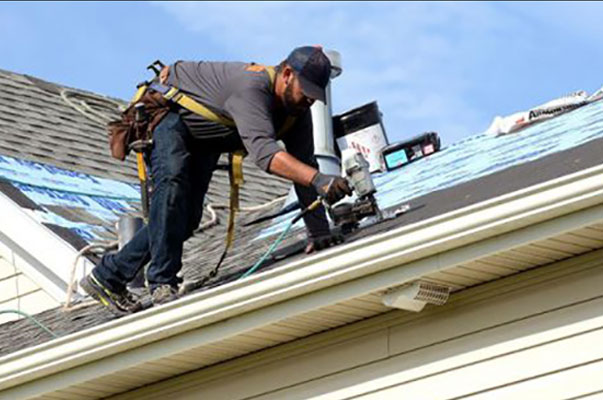
A Homeowner’s Guide to Roof Repair in Boise & Eagle, ID

Protecting Your Treasure Valley Home Starts from the Top

Your roof is your home’s first line of defense against the elements. Here in Idaho, that means enduring everything from intense summer sun to heavy winter snow, high winds, and the occasional hailstorm. Over time, this exposure can lead to wear and tear that compromises your home’s safety and integrity. Recognizing the early signs of roof damage and seeking prompt, professional roof repair in Boise can save you from costly, large-scale problems down the road. This guide will walk you through identifying common roof issues, understanding the repair process, and knowing when to call in the experts.

Common Signs Your Roof Needs Attention

Many roofing problems are not obvious from the ground. However, being vigilant and knowing what to look for can help you catch issues before they escalate. A regular visual inspection from a safe vantage point can reveal a lot about your roof’s condition.

Exterior Warning Signs:

  • Missing, Cracked, or Curling Shingles: Shingles are designed to lie flat. If you see shingles that are buckled, cracked, or have lost their granular coating, they are no longer providing adequate protection.
  • Damaged Flashing: Flashing consists of thin pieces of metal installed around vents, skylights, and chimneys. Tears or warping in these areas can create easy entry points for water.
  • Clogged or Damaged Gutters: An accumulation of shingle granules in your gutters is a major red flag that your roof is aging and deteriorating. Clogged gutters can also cause water to back up under the eaves.
  • Visible Wear Around Vents and Pipes: Check the seals around any objects that penetrate your roof. Deterioration here is a common source of leaks.

Interior Warning Signs:

  • Water Stains on Ceilings or Walls: This is one of the most obvious signs of a leak. The stain might appear far from the actual source of the leak, as water can travel along rafters.
  • Sagging Roof Deck: From your attic, look up at the roof decking. If it appears to be sagging or drooping between the rafters, it could be a sign of trapped moisture and potential rot.
  • Exterior Light in the Attic: If you can see daylight through the roof boards during the day, you certainly have a problem that needs immediate attention.

If you spot any of these issues, it’s time to schedule a professional roof inspection. A trained eye can accurately diagnose the problem and determine the best course of action.

Did You Know?

A small, unnoticed leak can cause significant damage over time. A leak of just one drop per second can add up to over 3,000 gallons of water in a single year. This moisture can lead to mold growth, rotted framing, damaged insulation, and compromised structural integrity—all of which are far more expensive to fix than a simple shingle repair.

The Impact of Idaho’s Weather on Your Roof

From Boise to Meridian and Eagle, Idaho, roofs are subjected to unique weather patterns that can accelerate their aging process. Understanding these local challenges is key to effective roof maintenance and repair.

Wind & Hail Damage

The Treasure Valley is no stranger to high winds and hailstorms. Wind can lift and bend shingles, breaking the seal that bonds them together and making them vulnerable to being torn off completely. Hail can cause dents or “bruises” on asphalt shingles, cracking their surface and dislodging the protective granules. This type of a damaged roof often requires a professional assessment to determine the extent of the impact, which might not be visible to an untrained eye.

Snow & Ice Dams

Heavy snowfall is a yearly reality. As snow melts and refreezes at the edge of your roof, it can form an ice dam. This blocks proper drainage, causing water to pool and seep back up under the shingles, leading to leaks and water damage inside your home. Proper attic insulation and ventilation are crucial for preventing ice dams, but repairs may be needed if damage has already occurred.

Sun Exposure

The intense summer sun and UV radiation can also take a toll, causing roofing materials to dry out, become brittle, and crack over time. This is especially true for older roofs.

Because of these harsh conditions, working with a local Idaho roofing contractor who understands the regional climate is essential for long-lasting repairs.

Why Local Expertise Matters in Eagle & Boise

Choosing a contractor who is familiar with Eagle, Boise, and the wider Treasure Valley provides a distinct advantage. Local roofers at Team Construction understand the specific building codes and weather challenges of our area. We know which materials perform best against local conditions, from hailstorms in Meridian to the winds that can sweep through Eagle.

Furthermore, a local company has a reputation to uphold within the community. We are your neighbors, dedicated to providing quality workmanship and reliable service. Whether you need a simple fix or assistance with complex roof insurance claims after a storm, a local expert can provide the timely and trustworthy service you deserve for both your residential and commercial roofing needs.

Don’t Wait for a Drip to Become a Deluge

If you suspect your roof has been damaged or is simply showing its age, contact the experts at Team Construction today. We offer a free, no-obligation inspection to assess your roof’s condition and provide an honest recommendation.

Get Your Free Estimate

Frequently Asked Questions

How can I tell if my roof needs repair or a full replacement?

The decision often depends on the age of your roof and the extent of the damage. If damage is isolated to a small area and your roof is relatively new (e.g., under 15 years old), a repair is often sufficient. However, if the roof is nearing the end of its lifespan, if damage is widespread, or if there are multiple leaks, a full replacement is usually the more cost-effective solution in the long run. A professional inspection will give you a clear answer.

How long does a typical roof repair take?

Minor repairs, such as replacing a few missing shingles or sealing flashing, can often be completed in a few hours. More extensive repairs might take a full day. The timeline depends entirely on the scope of the work. At Team Construction, we provide a clear timeline before any work begins.

Will my homeowner’s insurance cover roof repair?

Most standard homeowner’s insurance policies cover roof damage caused by sudden, accidental events like wind, hail, or a fallen tree. They typically do not cover damage resulting from normal wear and tear or lack of maintenance. We specialize in insurance restoration and can help you navigate the claims process from start to finish.

Can I do my own roof repairs?

While it may be tempting to DIY a small repair, roofing work is inherently dangerous and complex. Without the proper safety equipment and training, you risk serious injury. Additionally, improper repairs can often make the problem worse or even void your roof’s warranty. It’s almost always safer and more effective to hire a professional.

Glossary of Roofing Terms

Decking (or Sheathing): The wooden boards that make up the framing of the roof, to which the shingles and other materials are attached.

Flashing: Pieces of sheet metal or other material used to cover and protect joints on a roof, such as where a chimney meets the roofline, to prevent water seepage.

Granules: The ceramic-coated mineral particles embedded in the surface of asphalt shingles. They protect the shingle from sunlight and UV rays and give it color.

Ice Dam: A ridge of ice that forms at the edge of a roof and prevents melting snow from draining off. The water that backs up behind the dam can leak into a home and cause damage.

Underlayment: A layer of water-resistant material placed on the roof deck before the shingles are installed. It provides a secondary barrier against leaks.

Navigating Roof Insurance Claims in Meridian: A Homeowner’s Guide

Don’t Let Storm Damage Stress You Out. Understand Your Insurance Claim.

The weather in Meridian and the Treasure Valley can be unpredictable, with wind and hail storms capable of causing significant damage to your property’s most important protector: your roof. When disaster strikes, the confusion of navigating a roof insurance claim can be just as stressful as the damage itself. The process can feel intimidating, but property owners don’t have to go through it alone. With the right knowledge and a trusted local partner, you can manage your claim efficiently and ensure your home gets the quality repairs it deserves. This guide breaks down the process step-by-step, empowering you to handle your claim with confidence.

The Claims Process Demystified: From Damage to Repair

Filing an insurance claim involves several critical stages, each requiring careful attention. Knowing what to expect can significantly smooth the path to restoring your roof.

Step 1: Immediate Actions After a Storm

Safety should always be your first priority. After a severe storm, resist the urge to climb on your roof yourself; a damaged roof can be unstable and dangerous. Instead, perform a visual inspection from the ground. Look for obvious signs of trouble like missing shingles, dented gutters, or debris in your yard. Document the date and time of the storm and take clear photos of any visible damage. Your next call should be to a professional Boise roofing contractor for a thorough, no-obligation inspection. A detailed professional assessment is crucial evidence for your claim.

Step 2: Understanding Your Policy and Coverage

Before you contact your insurer, take a moment to review your homeowner’s policy. Familiarize yourself with key terms like your deductible (the amount you pay out-of-pocket), and whether your coverage is for “Actual Cash Value” (ACV) or “Replacement Cost Value” (RCV). Knowing these details will help you understand the settlement your insurer offers and prevent surprises down the road.

Step 3: Filing the Claim and Working with Your Contractor

Once you have a professional damage assessment, it’s time to file the claim. Contact your insurance company promptly, as many policies have time limits for reporting damage. Provide them with the date of the storm and the details from your contractor’s report. An experienced contractor, like Team Construction, can be an invaluable ally here. We understand the roof insurance claims process inside and out and can help ensure all necessary documentation is submitted correctly.

Step 4: The Adjuster’s Visit

Your insurance company will send an adjuster to inspect the damage. It is highly recommended to have your contractor present during this visit. The adjuster works for the insurance company, while your contractor works for you. Having an expert on your side ensures that all damage is properly identified and accounted for in the adjuster’s report, leading to a more accurate and fair assessment.

Step 5: Reviewing the Settlement and Beginning Work

After the inspection, you will receive a settlement offer, often called a “scope of loss.” This document details the approved repairs and the funds allocated. Your contractor can help you review this to ensure it accurately covers the full scope of work. Once the claim is approved, you can schedule the roof repair or replacement. A reputable company will use high-quality materials and skilled workmanship to restore your home’s protection.

Partnering with an Expert vs. Handling a Claim Alone

Task Handling It Alone With Team Construction
Damage Assessment Potentially incomplete; relies on ground-level views or what the adjuster finds. Comprehensive, professional inspection identifying all damage backed by detailed documentation.
Meeting the Adjuster You negotiate with a trained professional on your own. An expert advocate is present to ensure all damage is noted and fairly evaluated.
Interpreting the Settlement Complex insurance jargon can be confusing, potentially leading to a lower payout. We help you understand the scope of work and ensure the settlement covers all necessary repairs.
Peace of Mind stressful and time-consuming process with an uncertain outcome. A streamlined, guided process from start to finish, ensuring your property is restored correctly.

Did You Know?

  • In Idaho, insurance companies must act in good faith and handle claims reasonably and promptly.
  • Most homeowner policies require you to file a claim within a specific timeframe after the damage occurs, often within one year.
  • Hiring a local, registered, and insured contractor is not just a good idea—it’s essential for protecting yourself from fraud and ensuring quality work. The Idaho Department of Insurance warns consumers about out-of-town “storm chasers.”

Why Meridian Homeowners Need a Local Restoration Expert

When it comes to storm damage, local knowledge is a powerful tool. A contractor based in the Treasure Valley understands the specific weather challenges our roofs face. At Team Construction, we have years of experience working with homeowners in Meridian, Eagle, and across the Boise area. We have established relationships with insurance providers and know how to navigate the local requirements to ensure your claim is handled efficiently. Choosing a local expert means choosing a partner invested in our community’s well-being and dedicated to providing high-quality residential and commercial roofing services.

Facing Roof Damage in Meridian? Let’s Handle the Insurance Hassle Together.

Don’t navigate the complex world of insurance claims alone. The experts at Team Construction are here to help, from the initial inspection to the final repair. We’ll work with your insurance company to ensure you get the coverage you deserve.

Get Your Free Inspection & Claim Assistance

Frequently Asked Questions (FAQ)

What should I do immediately after a storm damages my roof?

First, ensure your family’s safety. Then, from the ground, document any visible damage with photos and call a trusted, local roofing contractor like Team Construction for a professional inspection to prevent further damage. Do not climb on the roof yourself.

Will filing a claim increase my insurance premium?

Filing a single claim, especially for storm damage (which is considered an “act of God”), does not typically cause your individual premium to increase. Insurers tend to raise rates for an entire area after a catastrophic event rather than penalizing individual homeowners for weather-related claims.

How long does the roof insurance claim process take?

The timeline can vary but often takes several weeks. It depends on the complexity of the damage, your insurance company’s responsiveness, and how quickly documentation is provided. Working with an experienced contractor can help expedite the process.

What if my insurance claim is denied?

A denial is not always the final word. Claims can be denied for various reasons, such as insufficient evidence. If your claim is denied, you can appeal the decision. A professional contractor can provide a more detailed damage assessment to support your appeal.

Can I choose my own roofing contractor?

Yes. You have the right to choose any licensed and insured contractor you trust to perform the repairs. You are not required to use a roofer preferred by your insurance company. It’s wise to choose a reputable local company with experience in insurance restoration.

Glossary of Terms

Deductible: The fixed amount you must pay out of pocket for a claim before your insurance coverage begins to pay.

Actual Cash Value (ACV): The value of your damaged property minus depreciation due to age and wear. An ACV policy pays what your roof was worth at the time of the loss.

Replacement Cost Value (RCV): The cost to repair or replace your damaged property with new materials of similar kind and quality, without a deduction for depreciation.

Insurance Adjuster: A professional sent by the insurance company to assess the extent of the damage and determine the company’s liability.

Scope of Loss: A detailed document provided by the insurer that lists the covered damages and the estimated costs for repair or replacement.