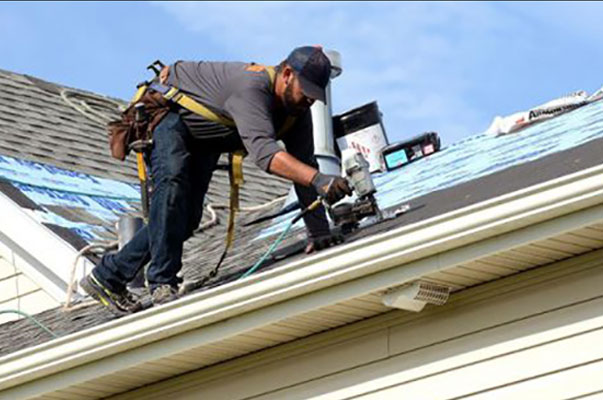
A clear, homeowner-friendly guide for Treasure Valley roofs after wind & hail
Eagle weather can turn fast—wind gusts, hail bursts, and heavy rain can all shorten the life of a roof, even when damage isn’t obvious from the driveway. The goal isn’t to panic after every storm; it’s to know what “real” damage looks like, what to document, and when to bring in a professional inspection. This guide breaks down the early warning signs, common roof trouble spots, and practical next steps for protecting your home and your budget.
Why early detection matters for residential roofing
Most costly roof problems in Eagle start small: a lifted shingle tab, a tiny puncture near a vent, or hail bruising that knocks away protective granules. Those weak points can quietly let water in during the next storm cycle and create bigger repairs later (interior staining, damp insulation, wood rot, and mold risk). Industry guidance also recommends avoiding DIY rooftop repairs after severe weather—both for safety and to prevent accidental damage. (nrca.net)
What storm damage looks like (even when your roof “seems fine”)
Wind and hail don’t always leave dramatic, easy-to-spot damage. On asphalt shingles (the most common residential roofing material), hail damage often shows up as granule loss and a bruise beneath the surface—sometimes visible as darkened spots or areas that look “scuffed.” Qualified inspectors look for patterns consistent with hail impacts and separate them from normal wear. (haagglobal.com)
Common storm-related roof issues homeowners miss:
- Lifted or creased shingles (wind can break the seal strip and let tabs flutter)
- Exposed nail heads or fasteners backing out along ridges and edges
- Dented metal components (vents, flashing, gutters)—often an early clue to hail intensity (nrcia.org)
- Granules collecting in downspouts or at the end of valleys
- Damaged pipe boots (rubber collar cracking or splitting)
- Ceiling discoloration or new attic dampness after rain (a leak can show up weeks later) (nrcia.org)
Fast homeowner checklist: what you can check safely from the ground
You can gather useful information without climbing onto the roof. A ground-level review helps you decide whether to schedule a professional inspection and also gives you documentation for your records.
Safety note: Industry guidance recommends staying off the roof when possible and using caution even during basic inspections. (nrca.net)
Step-by-step: what to do after a wind or hail event
1) Put safety first
If severe weather is ongoing, shelter properly and avoid windows. Once the storm passes, watch for downed lines, falling debris, and slick walkways. (weather.gov)
2) Document what you can (without climbing)
Take wide shots of each side of the home and close-ups of visible damage (gutters, vents, flashing edges, siding impacts, broken window screens). If there’s interior staining, photograph it right away and note what room it’s in. Back up photos to cloud storage.
3) Prevent “secondary damage”
If water is actively entering, use buckets and towels indoors and consider a professional tarp/temporary cover if needed. FEMA and emergency-management partners often emphasize temporary roof covering as a short-term protection step until permanent repairs can be made. (usace.army.mil)
4) Schedule a professional inspection and keep your paperwork organized
A detailed inspection report (photos, measurements, identified problem areas) can make claim conversations clearer and reduce back-and-forth. Many insurance policies also have reporting time limits, so it’s smart to act promptly once damage is discovered. (nrcia.org)
If you’re in the Eagle area and want a straightforward assessment, Team Construction offers complimentary inspections and can help document storm damage and guide you through the insurance process when appropriate. For service options, visit roof repair and restoration or wind and hail damage inspections.
Did you know? Quick facts that can save a roof
Hail clues show up on metal first. Dents on vents, flashing, and gutters can be easier to see than shingle bruising—and can be a strong indicator you should schedule a roof inspection. (nrcia.org)
Granules aren’t just cosmetic. They help protect asphalt shingles from UV exposure and weathering; concentrated granule loss after a storm can signal reduced service life, especially when paired with bruising. (haagglobal.com)
Professional inspections are also a safety choice. Industry groups warn against DIY storm repairs and emphasize using qualified roofing contractors—steep slopes and damaged surfaces are a fall risk. (nrca.net)
Local angle: what Eagle, Idaho homeowners should keep in mind
Eagle homes see a mix of weather stressors: seasonal wind events, thunderstorms that can produce hail, hot summer sun that ages shingles, and winter conditions that reveal weak flashing and ventilation issues. That combination makes two habits especially valuable:
- Do seasonal “edge checks”: From the ground, look at eaves, rakes, and ridge lines—wind damage often starts at edges.
- Don’t ignore small leaks: One stain can mean moisture is traveling along decking or rafters before it shows up inside.
If you manage multiple properties (or you’re a landlord), consider building a simple inspection record: storm date, photos, and a brief note on what was observed. If a claim ever becomes necessary, organized documentation tends to help. (weathershieldroofers.com)
Explore local roofing service options here: residential roofing and roof installation & repair.
Schedule a complimentary roof inspection in Eagle
If you suspect wind or hail damage—or you just want peace of mind—Team Construction can inspect your roof, explain what’s happening in plain language, and help you understand repair vs. replacement options. If an insurance claim is appropriate, their team can assist with documentation and the process.
Request a Free Estimate
Prefer to learn more first? Visit roof insurance claim help or browse all services.
FAQ: Residential roofing & storm damage in Eagle, ID
How soon should I document roof damage after a storm?
As soon as it’s safe. Early photos can capture conditions that may change quickly (debris blows away, rain washes granules, wind causes additional lifting). If you suspect damage, document from the ground and schedule an inspection promptly. (weathershieldroofers.com)
Can I tell hail damage just by looking from the yard?
Sometimes you can spot clues (dented vents/gutters, granule buildup), but shingle bruising is often subtle and requires trained eyes to confirm and document properly. (nrcia.org)
Should I climb on the roof to check it myself?
It’s not recommended. Storm conditions can make roofs slick, brittle, or unstable, and you can also cause accidental damage. Industry guidance emphasizes using qualified professionals for assessment and repairs. (nrca.net)
What if my roof isn’t leaking—do I still need an inspection?
Possibly. Some storm damage reduces lifespan without creating an immediate leak, especially hail scuffing or bruising. Catching it early can prevent future moisture intrusion and bigger repairs. (nrcia.org)
Can Team Construction help with roof insurance claims?
Yes—Team Construction assists homeowners with storm-damage documentation and claim support. Learn more here: Roof Insurance Claims.
Glossary (helpful roofing terms)
Flashing
Metal material installed at roof transitions (chimneys, walls, valleys) to keep water from entering.
Granules
The “sand-like” protective coating on asphalt shingles that helps resist UV and weathering. Concentrated loss can signal storm impact or advanced wear. (haagglobal.com)
Hail bruise (asphalt shingle)
An impact area where hail displaces granules and compresses the shingle mat underneath—often subtle but important for service life. (nrcia.org)
Temporary roof covering (tarping)
A short-term protective cover used to reduce water intrusion until permanent repairs can be completed. (usace.army.mil)