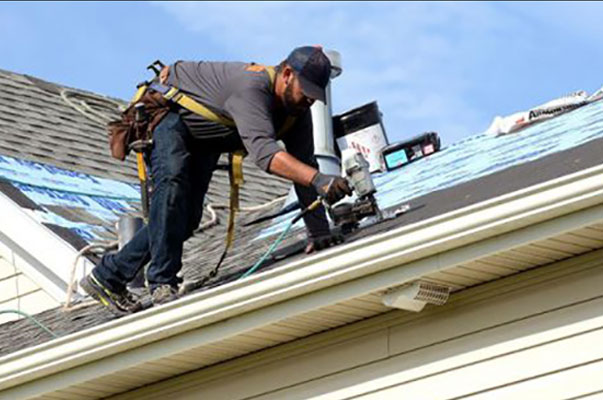
Your Expert Guide to a Stress-Free Restoration Process
Severe weather in Boise can strike unexpectedly, leaving homeowners to deal with the aftermath of wind or hail damage. Discovering your roof is damaged is stressful enough, but navigating the complexities of a roof insurance claim can feel overwhelming. This guide provides Boise and Treasure Valley homeowners with a clear, step-by-step process to manage their claims effectively, ensuring you get the full compensation you deserve to restore your home’s integrity.
Immediate Steps to Take After a Storm in Boise
The moments after a severe storm are critical. Taking the right actions immediately can protect your home from further damage and strengthen your insurance claim. Here’s what to do:
1. Prioritize Safety
First and foremost, ensure your family is safe. Check for immediate hazards like downed power lines, broken gas lines, or structural instability before inspecting your property. Avoid climbing on a potentially unstable or wet roof.
2. Document Everything
Before any cleanup or repairs begin, thoroughly document all damage. Use your smartphone to take clear photos and videos of the affected areas from various angles. Capture images of downed tree limbs, hail dents on siding or gutters, and any visible damage to your roof. This evidence is invaluable for your claim.
3. Make Temporary Repairs
Your insurance policy requires you to mitigate further damage. This could involve placing a tarp over a leaking section of the roof or boarding up a broken window. Keep all receipts for materials you purchase for these temporary fixes, as they are often reimbursable.
4. Schedule a Professional Inspection
Before you even call your insurance company, it’s wise to get a professional evaluation. A trusted local contractor can provide a detailed assessment of all wind and hail damage, including issues not visible to the untrained eye. This gives you a clear understanding of the repair scope and cost before the insurance adjuster arrives.
The Roof Insurance Claim Process: A Step-by-Step Breakdown
Filing a claim involves several key stages. Understanding each one helps you stay in control and advocate for your home’s needs.
Step 1: File Your Claim Promptly
Contact your insurance provider to initiate the claim. Have your policy number handy and be prepared to provide a general description of the damage. You will be assigned a claim number—keep this for your records.
Step 2: Meet the Insurance Adjuster
Your insurer will send an adjuster to assess the damage. It is highly recommended to have your chosen contractor present during this meeting. Your contractor can point out damage the adjuster might overlook and ensure the assessment is thorough and fair, advocating on your behalf for a complete roof repair.
Step 3: Review the Adjuster’s Report & Estimate
You’ll receive a report detailing the scope of covered damages and an initial payment. Carefully review this document with your contractor. If there are discrepancies or missed items, your contractor can help you submit a supplement to the insurance company to cover the additional costs.
Step 4: Hire a Reputable Contractor & Complete Repairs
Once you agree on the scope of work, you can sign a contract with your chosen Boise roofing contractor. They will complete the repairs according to the approved estimate. Team Construction handles both residential and commercial roofing projects, ensuring quality workmanship from start to finish.
Step 5: Final Payment & Warranty
After the work is finished, your contractor will send a final invoice to the insurance company. The insurer will then release the remaining funds (depreciation). Ensure you receive all warranty documentation for the materials and labor.
Why Partner with an Insurance Restoration Specialist?
Working with a contractor experienced in insurance restoration like Team Construction offers significant advantages. We speak the same language as insurance adjusters and use the same estimating software, which helps prevent disagreements and expedite your claim. Our expertise ensures that all damage is correctly identified and that your settlement is sufficient to restore your property to its pre-storm condition using quality materials and craftsmanship.
Did You Know?
In Idaho, a “cosmetic damage exclusion” in your policy may mean your insurance won’t cover damage that only affects appearance, like minor dents on metal. However, hail impacts that compromise the integrity or lifespan of a shingle are typically covered. A professional inspection is key to telling the difference.
Don’t Navigate Your Claim Alone
Storm damage is stressful, but the recovery process doesn’t have to be. The experts at Team Construction are here to guide you through every step of your roof insurance claim. We offer complimentary inspections and direct assistance with insurance companies for homeowners throughout Boise, Meridian, Eagle, and the Treasure Valley.
Frequently Asked Questions
Will filing a claim for storm damage increase my insurance premium?
Generally, claims related to natural disasters or “Acts of God” (like hail and wind) do not result in a rate increase for an individual homeowner. However, if an entire area is affected, the insurer might raise rates for the whole region in the future, regardless of whether you filed a claim.
How long do I have to file a roofing claim in Idaho?
Most insurance policies require you to report damage “promptly.” The specific timeframe can vary, but it’s typically within one year of the date of loss. It’s always best to act quickly to avoid any potential issues with your claim.
What is the difference between Actual Cash Value (ACV) and Replacement Cost Value (RCV)?
ACV is the value of your roof today, with depreciation (age, wear and tear) factored in. RCV is the full cost to replace your roof with new, comparable materials. Most policies are RCV, meaning you first receive an ACV check, and then a second check for the depreciated amount after the work is completed and paid for.
What if my claim is denied or the settlement is too low?
If you believe your claim was unfairly denied or undervalued, you have options. An experienced contractor can help you provide additional documentation and evidence to your insurer. If necessary, you can request a different adjuster or even hire a public adjuster for a second opinion.
Glossary of Common Insurance Terms
Adjuster: An individual employed by an insurance company to evaluate losses and settle policyholder claims.
Deductible: The amount the policyholder must pay out-of-pocket for a covered loss before the insurance company’s payment begins.
Depreciation: The decrease in an asset’s value due to age, wear and tear, or obsolescence. In RCV policies, this is typically paid out after repairs are complete.
Supplement: An additional payment requested from the insurance company to cover costs that were not included in the original estimate, often for damage discovered after work has begun.