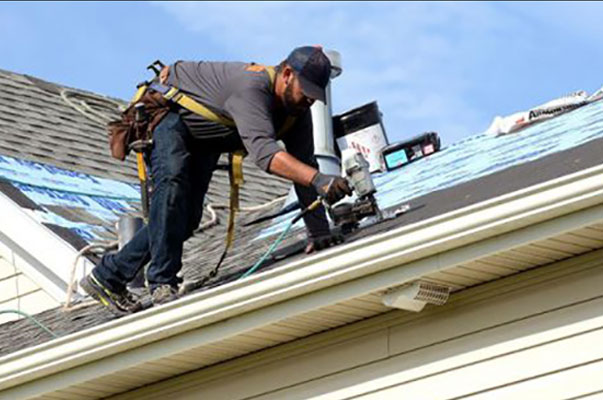
Your Step-by-Step Plan After a Storm
The weather in Eagle, Idaho can be unpredictable, with wind and hail storms capable of causing significant damage to your property’s most vital shield: your roof. Discovering that your home has been damaged is stressful enough, but navigating the complexities of a roof insurance claim can feel overwhelming. This guide provides a clear path forward, helping you manage the process with confidence and ensuring you get the compensation you deserve to protect your investment.
The First Steps to Take Immediately After a Storm
Once the storm has passed and it’s safe to go outside, your priority is to assess the situation. However, safety must come first. Never climb on a wet or potentially unstable roof. Start by performing a thorough inspection from the ground. Walk around your property and look for obvious signs of damage.
- Look for Missing or Damaged Shingles: Check for shingles that are cracked, curled, lifted, or completely missing.
- Check Gutters and Downspouts: Look for dents from hail or an accumulation of shingle granules, which indicates significant wear and impact.
- Inspect Flashing and Vents: Examine the seals around chimneys, vents, and skylights for any signs of damage or lifting.
- Look for Interior Signs: Don’t forget to check your attic and ceilings for water stains, discoloration, or active leaks.
Thoroughly document any damage you find with photos and videos. Take pictures from multiple angles and both up-close and wider shots to provide clear context. This evidence is crucial for your insurance claim.
Your Step-by-Step Guide to a Successful Roof Claim
Filing a claim involves a series of specific steps. Following this process helps ensure that nothing is missed and strengthens your position for a fair settlement.
Step 1: Schedule a Professional Roof Inspection
Before contacting your insurance company, it’s wise to have a professional contractor assess the damage. An experienced roofer, like the experts at Team Construction, can identify issues an untrained eye might miss. They provide a detailed, professional report that can validate your claim and help prevent your insurer from underestimating the damage. To understand the full extent of any wind and hail damage, a professional assessment is invaluable.
Step 2: Review Your Insurance Policy & File the Claim
Take a moment to review your homeowner’s insurance policy to understand your coverage, deductible, and any specific requirements for filing a claim related to wind or hail. Most policies have a strict timeframe for filing claims, so don’t delay. When you call your insurer, provide them with the date of the storm and a general description of the damage you’ve documented.
Step 3: Meet the Insurance Adjuster
Your insurance company will send an adjuster to inspect your property. It is highly recommended to have your trusted roofing contractor present during this meeting. Your contractor can point out specific damages the adjuster might overlook and can advocate on your behalf, ensuring the scope of work is accurately assessed.
Step 4: Review the Settlement and Hire Your Contractor
After the adjuster’s report, you will receive a settlement offer. Review it carefully with your contractor to ensure it covers all necessary repairs with quality materials. Once you accept the claim, you can schedule the roof repair or replacement work. Choosing a reliable, local company ensures the job is done right and that they’ll be around to honor any warranties.
Did you know?
According to the Insurance Information Institute, claims related to wind and hail are one of the most common types of homeowners insurance claims filed in the United States. Having a local expert who understands Idaho’s weather patterns and building codes is a major advantage during the claims process.
Tips for Avoiding Common Claim Pitfalls
- Don’t Wait: Failing to file a claim in a timely manner is a common reason for denial. Act quickly after a storm.
- Document Everything: Inadequate documentation can significantly weaken your claim. More evidence is always better.
- Beware of Storm Chasers: After a major storm in Eagle, out-of-town “storm chasers” often appear. They may offer low prices but often deliver poor workmanship and disappear once the job is done, leaving you with no warranty or recourse. Always choose a licensed, insured, and reputable local contractor.
- Don’t Accept the First Low Offer: If the initial settlement from your insurer seems too low to cover the full cost of a quality repair, you don’t have to accept it. Your contractor can help you challenge the estimate by providing detailed evidence and quotes.
The Local Advantage for Eagle, Idaho Homeowners
Working with a contractor who is deeply familiar with Eagle and the greater Treasure Valley is crucial. Local companies like Team Construction understand the specific weather challenges our roofs face, from intense summer hailstorms to strong wind gusts. We have established relationships with local suppliers and are familiar with Eagle’s building codes and permitting processes. When you need an Eagle roofing contractor who can manage your project and your insurance claim from start to finish, choosing local ensures a smoother process and reliable results.
Experience a Stress-Free Insurance Claim Process
Storm damage is disruptive enough. Let Team Construction handle the details. We offer free inspections and work directly with your insurance company to ensure your residential or commercial roofing claim is handled correctly and you receive the full compensation you’re entitled to.
Frequently Asked Questions
▶ What should I do if my insurance claim is denied?
▶ What does ACV vs. RCV mean on my policy?
▶ Will filing a claim increase my insurance premium?
▶ How long does the insurance claim process usually take?
Glossary of Terms
Actual Cash Value (ACV): The value of your damaged roof at the time of the loss. It’s calculated as the replacement cost minus depreciation for age, wear, and tear.
Adjuster: A person employed by an insurance company to investigate a claim and determine the extent of the insurer’s liability.
Deductible: The amount of money you are responsible for paying out-of-pocket for a covered loss before your insurance policy begins to pay.
Depreciation: The decrease in the value of your roof over time due to age, wear, and tear. This is a key factor in ACV settlements.
Replacement Cost Value (RCV): The cost to replace the damaged roof with one of similar kind and quality, without any deduction for depreciation.