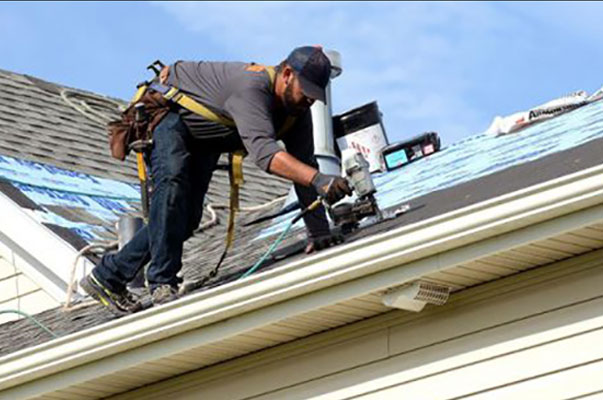
Protect your home, document the damage, and avoid costly claim mistakes
Wind and hail can cause roof damage that isn’t always obvious from the ground—lifted shingles, bruised granules, punctures, flashing failures, and small leaks that become big problems weeks later. If you live in Eagle or the Treasure Valley, understanding how roof insurance claims work helps you move faster, reduce stress, and keep your home protected. This guide breaks down what to do first, what to document, how to work with your adjuster, and how a local contractor like Team Construction can support the process from inspection through final repairs.
Why roof insurance claims go sideways (and how to keep yours on track)
Most claim frustrations come down to a few preventable issues: not documenting damage early, delaying mitigation, misunderstanding deductibles and coverage, or signing the wrong paperwork at the wrong time. The Idaho Department of Insurance recommends keeping receipts for mitigation and being careful about any contract you sign during the claims process. (doi.idaho.gov)
The good news: a roof claim can be straightforward when you treat it like a project—document, communicate, and keep everything in writing.
Step 1: Make the roof safe (without risking injury)
After a storm, your priority is safety and preventing additional damage. If water is entering the home, temporary mitigation (like tarping) may be necessary. FEMA advises taking photos of damage before cleanup/repairs and saving all receipts for what you do to prevent further loss. (fema.gov)
Quick safety reminders
Step 2: Document the damage like an adjuster would
Strong documentation reduces back-and-forth and helps your adjuster understand what happened and when. The NAIC recommends taking photos/videos and creating a list of damaged property. (content.naic.org)
What to capture (a practical checklist)
Step 3: Start the claim and keep your file organized
Call your insurer (or your agent) to report the claim and ask for your claim number immediately. The Idaho Department of Insurance encourages consumers to file a claim through the insurer’s claim line or tools, keep receipts for mitigation, and ask questions throughout the process. (doi.idaho.gov)
A simple “claim folder” setup that works
Step 4: Schedule a professional roof inspection (before small issues become leaks)
Many wind/hail issues aren’t visible from the driveway. A professional inspection can identify:
If you’re in the Eagle area and suspect storm damage, Team Construction offers complimentary inspections and can help you understand repair options and claim next steps. Visit the wind and hail damage roof inspection page or the roof insurance claims support page for more details.
Step 5: Meet the adjuster prepared (and keep expectations realistic)
An adjuster’s job is to evaluate coverage and estimate the scope of repair under your policy. Your job is to provide clear documentation, answer questions, and make sure the adjuster sees the full extent of storm impacts (roof, gutters, flashing, siding, windows, and interior if applicable).
Questions to ask your adjuster (and write down the answers)
If you disagree with the insurer’s initial determination, the Idaho Department of Insurance notes you can provide documentation from your expert to support a different professional opinion on cause and/or value. (doi.idaho.gov)
Common claim pitfalls to avoid in Eagle (and across the Treasure Valley)
Local angle: What Eagle, Idaho property owners should plan for
Eagle homes often see a mix of high summer heat, winter freeze-thaw cycles, and spring/early-summer wind events. After a wind or hail storm, it’s smart to schedule an inspection quickly—even if you don’t see obvious missing shingles. Small wind lifts and hail bruises can shorten the life of a roof and show up later as leaks.
If you’re comparing options in the area, Team Construction provides service across Eagle and the Treasure Valley. If your property is in Eagle specifically, see roofing services in Eagle, ID. If you’re closer to Meridian, see Meridian roofing.
Need help with a roof insurance claim in Eagle?
Team Construction is a locally owned, full-service contractor serving Eagle, Boise, and the Treasure Valley with roof inspections, storm damage repair, and insurance claim support. If you suspect wind or hail damage, start with a complimentary inspection and a clear plan for next steps.
FAQ: Roof insurance claims in Eagle, Idaho
Should I call insurance first, or get a roof inspection first?
If you have active leaking or major visible damage, start mitigation and then contact your insurer quickly. A professional inspection early on helps you document the condition and communicate clearly with your adjuster. Idaho DOI encourages consumers to ask questions and keep documentation, and FEMA emphasizes documenting damage with photos before cleanup/repairs. (doi.idaho.gov)
What if the adjuster says the roof can be repaired, but my contractor recommends replacement?
Ask for the policy basis and the line-item estimate in writing. If you disagree, Idaho DOI notes you can provide documentation from your expert supporting their professional opinion on cause and/or value for the adjuster to review. (doi.idaho.gov)
Do I need to save receipts for temporary repairs and cleanup?
Yes. FEMA and the Idaho Department of Insurance both emphasize saving receipts for mitigation/repairs, as they may be needed for reimbursement and claim support. (fema.gov)
Will insurance pay to match shingles, siding, or other materials?
Not always. Idaho DOI notes that matching (roof shingles, carpet, cabinets, siding, etc.) is often addressed in policy provisions, and you should review your policy or ask your adjuster to point you to the matching language. (doi.idaho.gov)