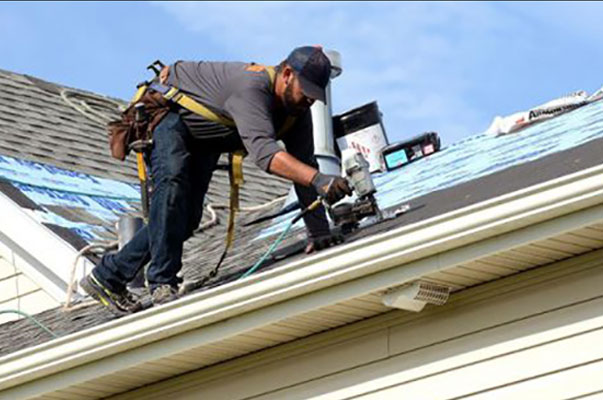
Know what to check after wind or hail—before a small issue becomes a full replacement
In Meridian and across the Treasure Valley, storms don’t always leave obvious damage. A roof can look “fine” from the driveway while shingles are bruised, seal strips are lifted, flashing is loosened, or vents are compromised. This guide walks you through what to look for, what to document, when to call a roofing contractor, and how to avoid common insurance-claim mistakes—so you can protect your home and keep repairs predictable.
1) First steps after a storm (safety + documentation)
Start with safety. Avoid climbing on steep or wet roofs, and stay clear of downed lines. If you suspect active leaking, use buckets and towels inside and consider temporary tarping by a professional to prevent further damage.
- Wide photos of each roof slope (front/back/left/right) from the ground
- Close-ups of dents on gutters, downspouts, and soft metals (these can support hail impact timing)
- Photos of interior staining, bubbling paint, or wet insulation (if visible)
- A simple timeline: storm date/time, when you noticed issues, and any temporary fixes
Idaho’s Department of Insurance recommends taking photos/video, not discarding damaged items until the adjuster advises, and mitigating further damage while keeping receipts. (doi.idaho.gov)
2) Storm damage signs homeowners miss (and what they usually mean)
- Lifted or “flapping” shingles: seal strip may be broken; risk of blow-offs and leaks
- Exposed nails: can back out after repeated wind events; water entry point
- Curling at edges: often indicates wind-lift history or aging shingles
- Missing ridge cap shingles: common leak source near the roof peak
- Granule loss in concentrated “hits”: can shorten shingle life and expose asphalt to UV
- Soft-metal dents: gutters, vent caps, and flashing dings help corroborate hail events
- Roof vents damaged: cracked plastic caps or dented metal can allow moisture intrusion
- “Bruising”: not always visible from the ground; professional inspection matters
3) Repair vs. replacement: how a roofer typically evaluates the scope
A good storm-damage assessment isn’t just “counting missing shingles.” It’s verifying whether the roof system can still shed water reliably and whether repairs can be made without creating mismatched sections, compromised seals, or repeating leaks.
| Condition | Often a Good Candidate for Repair | Often Points Toward Replacement |
|---|---|---|
| Wind-lifted shingles | Small, isolated areas; seal can be restored correctly | Widespread lifting, repeated blow-offs, brittle shingles |
| Hail impacts | Limited hits on a single slope, minimal granule loss | Multiple slopes impacted; consistent bruising/granule loss |
| Leaks | Flashing/penetration issue that’s clearly isolated | Multiple leak points, saturated decking, recurring problems |
| Roof age/condition | Roof still pliable; repairs blend well | Brittle shingles, widespread granule loss, poor ventilation history |
If you suspect storm damage, Team Construction provides complimentary inspections and can help confirm whether you’re looking at a targeted repair or a full roof restoration. For service details, see our roof repair and restoration page or our wind and hail damage inspection page.
4) Insurance claims: a clean process from storm to settlement
A smoother claim usually comes down to three things: quick documentation, proper mitigation, and consistent scope notes that match what’s actually damaged. Idaho’s Department of Insurance emphasizes documenting damage, mitigating further loss, and keeping receipts. (doi.idaho.gov)
- Schedule a professional roof inspection (documentation matters, especially for hail bruising or lifted seals).
- File the claim and keep your claim number handy.
- Meet the adjuster prepared with photos, the inspection findings, and notes on interior damage.
- Mitigate responsibly (temporary tarp, emergency repairs) and save receipts for potential reimbursement. (doi.idaho.gov)
- Confirm scope and materials before work begins (vents, flashing, underlayment, code-related items where applicable).
Team Construction can assist with claim coordination and documentation. Learn more on our roof insurance claims page or our insurance restoration page.
5) Did you know? Quick facts that help you make better roofing decisions
Impact-rated shingles are tested using UL 2218. Products that pass can receive a Class 1–4 rating, with Class 4 being the highest (a 2-inch steel ball dropped from 20 feet under controlled conditions). (gaf.com)
Window efficiency labels are standardized. The U.S. Department of Energy notes that NFRC testing and labeling helps you compare window energy performance (U-factor and solar heat gain coefficient are key). (energy.gov)
6) Meridian-specific angle: why “exterior systems” should be inspected together
In Meridian, a wind/hail event often affects more than shingles. Gutters, roof vents, flashing, siding corners, and even window seals can take hits. Checking everything together helps you avoid the “whack-a-mole” cycle—fixing one area only to discover a related failure later.
Smart pairing after a storm:
- Roof inspection + siding walkaround: look for cracked panels, loosened trim, and moisture paths
- Roof ventilation check: damaged vents can mimic “mystery leaks” weeks later
- Window assessment: if you feel drafts or notice condensation, it may be time for repair or replacement
ENERGY STAR notes that certified windows can improve comfort by keeping interior glass warmer in winter and reducing unwanted heat gain in summer. (energystar.gov)
If your storm damage includes more than the roof, explore our siding installation and repair and window installation and replacement services.
Schedule a complimentary roof inspection in Meridian
Team Construction is a locally owned, full-service contractor serving Meridian and the Treasure Valley with roofing, storm damage repair, and insurance restoration. If you’ve had recent wind or hail, we’ll help you document the condition, understand your options, and get a clear plan for repairs or replacement.
Prefer to read more first? Visit our residential roofing and commercial roofing pages.
FAQ: Storm damage roofing in Meridian, ID
Often, yes. A professional inspection helps confirm what’s actually damaged and gives you photos and notes that can reduce confusion later. If there’s active leaking, prioritize mitigation first and keep receipts. (doi.idaho.gov)
Not always, but they’re an important clue that hail had enough force to impact exterior components. A roof inspection can verify whether there’s granule loss, bruising, or damaged vents/flashing that can lead to leaks.
It usually refers to a UL 2218 rating. Class 4 is the highest rating in that test standard (performed under controlled lab conditions) and indicates higher impact resistance compared to lower classes. (gaf.com)
Waiting can turn minor issues into larger repairs—especially if wind-lifted shingles allow water intrusion during the next storm. Even if you’re not ready to replace a roof, an inspection can identify urgent items (vents, flashing, exposed fasteners) that should be addressed quickly.
If your home has drafts, condensation, or hot/cold rooms, it’s worth assessing windows while you’re doing roof/siding work. DOE notes that window energy ratings (like U-factor and SHGC) help you compare performance for your climate. (energy.gov)