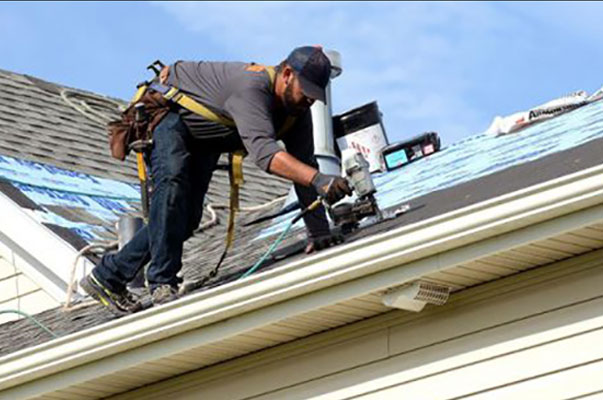
Boise roofs take a beating—wind, hail, snow load, and fast temperature swings all add up
Roof issues in the Treasure Valley rarely start with a dramatic collapse. More often, it’s a lifted shingle at the edge, a tiny flashing gap around a vent, or hail bruising you don’t notice until a stain appears on the ceiling. This guide breaks down what to look for, when to call a pro, and how a timely roof repair can prevent structural damage, mold, and expensive interior restoration. If you’re in Boise, Meridian, or Eagle, Team Construction can inspect and explain your options clearly—especially after wind or hail events.
Why “small” roof problems become expensive fast
A roof isn’t just shingles. It’s a system: decking, underlayment, flashing, ventilation, and drainage all working together. When one piece fails, water can travel far from the entry point—so the visible leak inside the home isn’t always directly under the damage.
In Boise, a common pattern looks like this: wind loosens a shingle → rain gets beneath the shingle edge → the underlayment gets stressed and seams open → moisture reaches the decking → decking swells or rots → the next storm causes a bigger leak. Catching it early often means a targeted repair instead of a widespread rebuild.
The most common roof-repair triggers in Boise and the Treasure Valley
1) Wind damage (lifted, creased, or missing shingles)
Wind tends to attack edges, ridges, valleys, and areas near roof penetrations. You might see tabs that look “puckered,” shingles that don’t lay flat, or exposed nail heads. Even if the shingle isn’t missing, a crease can break the seal and create a repeat-leak spot in the next storm.
2) Hail damage (bruising, granule loss, and dented metals)
On asphalt shingles, hail can knock off protective granules or bruise the shingle mat beneath the surface. On metal components (flashing, vents, gutters), dents may be obvious. The tricky part: hail bruises can be hard to confirm from the ground, and walking a roof can be unsafe and can cause additional damage.
3) Flashing failures (chimneys, skylights, pipes, walls)
Flashing is where roofs often leak first. Sealant dries out, metal shifts, or old repairs stop holding. If you notice stains near a fireplace chase, bathroom vent area, or along an exterior wall line, flashing is a prime suspect.
4) Winter stress (ice buildup, snow melt, and ventilation imbalance)
Boise winters can expose weak ventilation and insulation. When roof surfaces warm unevenly, snow melts and refreezes near the eaves, pushing water where it doesn’t belong. If you see heavy icicles, recurring edge leaks, or damp attic insulation, it’s time for an inspection.
A homeowner-friendly roof damage checklist (safe, ground-level)
If you’re comfortable walking around your property, you can spot many red flags without climbing a ladder:
• Shingles in the yard, driveway, or near downspouts (even a few can matter).
• Bent, detached, or “wavy” drip edge along the roofline.
• Gutter dents, downspout dings, or splatter marks on siding after hail.
• Granules collecting at downspout exits (looks like coarse black sand).
• Water stains on ceilings, around can lights, near bathroom fans, or at exterior walls.
• In the attic: damp wood, musty odor, dark streaks on decking, or wet insulation.
Safety note: After a storm, roofs can be slick, brittle, or structurally compromised. A professional inspection is the safest way to confirm damage.
Roof repair vs. roof replacement: how the decision is typically made
The right scope depends on damage type, roof age, how widespread the issue is, and whether matching materials are available. A reputable contractor should show you what they found, explain the risks of each option, and document it clearly (especially if insurance is involved).
Situation
Often a Repair Makes Sense
Often a Replacement Makes Sense
Wind lifted a small area near the ridge or edge
Damage is localized, decking is sound, shingles can be resealed/replaced
Multiple slopes have repeated lifts/creases or brittle shingles
Leak around a vent, chimney, or wall flashing
Flashing/boot replacement solves the entry point
Widespread flashing failures + aged roof surfaces
Hail marks on gutters + suspected shingle bruising
Minor, isolated impacts; shingles still performing
Functional damage across slopes; granule loss/bruise pattern suggests shortened roof life
Roof is nearing end of expected service life
A repair can buy time if the system is still stable
Multiple issues + aging materials = better long-term value to replace
“Did you know?” quick facts that help Boise property owners make smarter repair calls
• Water can travel along decking and rafters, so the interior stain is not always directly beneath the exterior damage.
• Many insurance policies expect you to mitigate further damage (example: a tarp after a leak). Keep receipts—temporary repairs are often reimbursable if the loss is covered. (NAIC guidance) (content.naic.org)
• Good claim outcomes usually start with organized documentation: photos/video, a written damage list, and a communication log. (NAIC guidance) (content.naic.org)
• Storm-chaser pressure tactics are a real issue after disasters—avoid signing anything you don’t understand or paying in full upfront. (NAIC fraud warning) (content.naic.org)
Local angle: what makes roof repair in Boise different
Boise and the Treasure Valley sit in a weather pattern where roofs may face hot sun, sudden wind events, and winter freeze/thaw cycles across the same year. That combination can accelerate sealant wear and expose weak roof-to-wall transitions.
A practical Boise strategy is seasonal awareness:
Spring: Check for wind-lifted shingles and winter edge issues (icicles, leaking eaves).
Summer: Look for granule loss and brittle shingles from UV exposure; confirm attic ventilation is moving heat out.
Fall: Clean gutters and confirm flashing and penetrations are tight before storms and snow arrive.
Winter: Watch for recurring ice buildup and interior humidity issues that can mimic roof leaks.
If you manage a rental or commercial building, proactive inspections can reduce emergency calls, interior repairs, and tenant disruption—especially when the next storm hits before you’ve had time to schedule work.
If insurance might be involved: a clean, no-drama documentation routine
When wind or hail damage is suspected, speed and organization help:
• Take wide photos of each roof side (from the ground) plus close-ups of visible exterior damage (gutters, vents, siding dings).
• Make temporary, reasonable protective moves (like tarping) if needed, and keep every receipt. (NAIC) (content.naic.org)
• Keep a simple communication log: who you spoke with, date/time, and what was decided.
• Avoid permanent repairs until the adjuster has had a chance to document the damage (unless safety requires immediate action).
Team Construction regularly assists Boise-area owners with storm damage inspections and can coordinate documentation so you’re not juggling contractors, adjusters, and paperwork alone.
Schedule a complimentary roof inspection in Boise
If you’ve noticed a leak, missing shingles, hail impacts, or you just want a professional opinion before the next storm, Team Construction will provide a clear assessment and straightforward options—repair, restoration, or replacement when it truly makes sense.
Request a Free Roof Repair Estimate
Serving Boise, Meridian, Eagle, and the Treasure Valley
FAQ: Roof repair in Boise, Idaho
How do I know if I need roof repair or a full replacement?
It depends on how widespread the damage is, whether the roof system is still stable, and how well materials can be matched. Localized wind or flashing issues often repair well. Broad hail damage, repeated wind creasing, or aging shingles across multiple slopes may point toward replacement for better long-term reliability.
Should I call a roofer first or my insurance company first?
If there’s active leaking or visible storm damage, many owners start by getting a professional inspection so they can report accurate details. Whichever order you choose, document the damage, keep receipts for temporary mitigation, and communicate promptly—insurers often have time requirements. (NAIC) (content.naic.org)
Is it safe to walk on my roof to look for damage?
After storms or in cold weather, it’s often not safe—surfaces can be slick, brittle, or structurally compromised. A ground-level check for obvious signs is fine for most homeowners, but a professional inspection is the safer way to confirm.
What should I photograph for a hail or wind claim?
Start with wide photos of each side of your home and roofline (from the ground), then capture close-ups of visible impacts like dented gutters, downspouts, vents, or siding marks. Also photograph any interior staining. A written list of what’s damaged supports the photos. (NAIC) (content.naic.org)
Can a roof leak be something other than the roof?
Yes. Condensation from ventilation problems, plumbing vent issues, or HVAC components can mimic a roof leak. A good inspection checks the full system so repairs address the real cause—not just the symptom.
Glossary (plain-English roofing terms)
Flashing
Metal (or membrane) used to seal transitions—like around chimneys, walls, and vents—so water can’t get in.
Underlayment
A protective layer beneath shingles that adds water resistance and helps protect the roof deck.
Roof deck (decking)
The plywood/OSB surface the roof system is built on. Persistent leaks can rot or swell decking.
Mitigation (temporary repairs)
Reasonable steps taken to prevent further damage after an event—like tarping a leak or boarding a broken window. Keeping receipts is important for insurance documentation. (NAIC) (content.naic.org)