Your Guide to Choosing the Best Boise Roofing Contractor

Finding a Local Expert You Can Trust for Your Home or Business

A sturdy, reliable roof is your property’s first line of defense against the unique weather challenges of the Treasure Valley. From heavy snowfall in the winter to intense summer sun and unexpected hailstorms, your roof endures a lot. When it’s time for a repair or a full replacement, choosing the right Boise roofing contractor is the most important decision you’ll make. The quality of their workmanship can mean the difference between decades of security and years of costly problems. This guide will walk you through the essential factors to consider when hiring a roofing professional in Boise, ensuring you partner with a team that delivers quality, value, and peace of mind.

Key Qualities of a Top-Tier Boise Roofing Company

Licensing, Insurance, and Local Credentials

First and foremost, never hire a contractor who isn’t properly licensed and insured in Idaho. A valid license demonstrates that they meet state requirements for competency and accountability. More importantly, comprehensive insurance—including liability and workers’ compensation—protects you from any financial responsibility in the event of accidents or property damage during the project. A reputable Idaho roofing contractor will happily provide proof of their credentials upon request.

Proven Experience with Local Climate

Boise’s four-season climate presents specific challenges for roofing systems. An experienced local contractor understands how to properly install and repair roofs to withstand heavy snow loads, ice dams, high winds, and hail. They will recommend materials and techniques best suited for our area. Whether you need residential roofing for your home or services for a commercial property, local experience is non-negotiable.

Handling Insurance Restoration Flawlessly

Severe weather is a reality in Idaho. When your property suffers storm damage, navigating the insurance claims process can be overwhelming. A top-tier contractor specializes in insurance restoration. They provide thorough inspections, detailed documentation of damage, and can work directly with your insurance company to ensure your claim is handled correctly and you receive fair compensation for all necessary repairs. This expertise is invaluable after a storm.

Commitment to Quality Materials and Warranties

The longevity of your roof depends just as much on the materials used as the quality of the installation. Ask potential contractors about the brands they use and the warranties they offer. A confident contractor will stand behind their work with robust labor warranties, in addition to the manufacturer’s warranty on materials. This dual protection ensures your investment is secure for years to come.

Protecting Your Boise Property from Wind and Hail Damage

The Treasure Valley is no stranger to sudden, severe storms that can bring high winds and damaging hail. These weather events can cause significant harm to your roof, often in ways that aren’t immediately visible from the ground. Missing shingles, dented flashing, and granule loss on asphalt shingles are common signs of wind and hail damage. If left unaddressed, this damage can lead to leaks, water damage, and structural issues.

After a major storm, it’s crucial to schedule a professional roof inspection. A qualified Boise contractor can safely assess the condition of your roof, identify any problems, and recommend the best course of action. Acting quickly can prevent minor issues from becoming major, expensive repairs.

Checklist: Questions to Ask Your Potential Roofing Contractor

Question Category What to Ask
Business & Credentials Are you licensed to work in Boise/Idaho? Can I see your proof of liability and workers’ compensation insurance?
Experience & Reputation How long has your company been serving the Treasure Valley? Can you provide local references or show me examples of your work?
Project Details Will you provide a detailed, written estimate? Who will be the project manager, and how will we communicate? What is the estimated timeline?
Insurance Claims Do you have experience with roof insurance claims? Can you assist me through the process?
Warranties & Protection What kind of warranty do you offer on your workmanship? What are the manufacturer warranties on the materials you use?

Did You Know?

Proper attic ventilation is just as critical to your roof’s lifespan as the shingles themselves. Good airflow helps regulate temperature and moisture in your attic, preventing ice dams in the winter and reducing cooling costs in the summer. An expert Boise roofing contractor will always assess your ventilation during an inspection.

Ready to Work with Boise’s Trusted Roofing Professionals?

Don’t leave the safety of your property to chance. Team Construction is a locally owned and operated contractor dedicated to providing exceptional service and quality workmanship to the Boise community. From minor repairs to full replacements and complex insurance claims, we’re here to help.

Get Your Free Estimate Today

Frequently Asked Questions

How often should I have my roof inspected in Boise?

It’s a good practice to have your roof professionally inspected at least once every two years. However, you should always schedule an inspection after any major weather event, such as a severe hailstorm or high winds, to check for hidden damage.

What are the signs that my roof needs to be replaced?

Common signs include widespread cracked, curling, or missing shingles; significant granule loss (look for shingle granules in your gutters); sagging areas on the roof deck; and any signs of water leaks or stains on your ceilings. If your roof is over 20 years old, it’s wise to start planning for a replacement.

Can you help with commercial roofing projects in Boise?

Yes. An experienced, full-service contractor should be equipped to handle both residential and commercial roofing projects. Commercial roofs often have different materials and structural requirements, so it’s important to hire a team with specific expertise in that area.

What should I do if I suspect storm damage to my roof?

Your first step should be to call a reputable local roofing contractor for a professional inspection. Avoid climbing on the roof yourself. The contractor will assess the damage and provide the necessary documentation for you to contact your insurance company and begin the claims process.
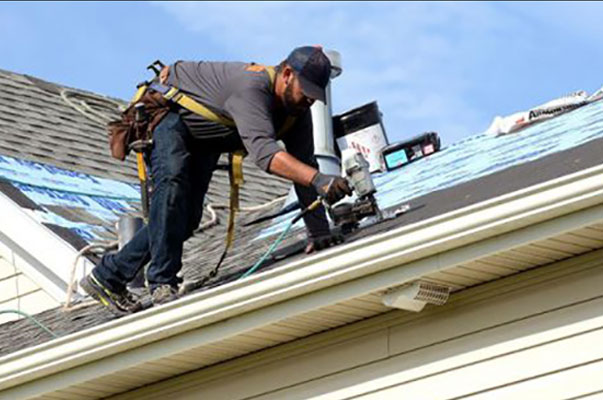
A Homeowner’s Guide to Residential Roofing in Boise: Protecting Your Biggest Investment

Your Roof: The First Line of Defense for Your Boise Home

Your home is one of the most significant investments you’ll ever make, and its roof is the primary shield against the elements. Here in Boise and across the Treasure Valley, our four-season climate presents unique challenges—from heavy winter snow and spring hail to intense summer sun. A durable, well-maintained roof is not just about curb appeal; it’s about protecting your property, your family, and your peace of mind. This guide provides essential insights into residential roofing, helping you make informed decisions to preserve the integrity and value of your Idaho home.

Understanding How Boise’s Climate Impacts Your Roof

The Treasure Valley’s weather can be tough on roofing materials. Each season brings distinct conditions that can accelerate wear and tear if not properly addressed.

  • Intense Summer Sun & Heat: Prolonged exposure to UV rays can cause roofing materials, especially asphalt shingles, to dry out, become brittle, and crack. Thermal shock, the expansion and contraction from hot days to cool nights, can also stress the entire roofing system.
  • Wind and Hail Storms: Boise is no stranger to sudden, severe storms. High winds can lift and tear off shingles, leaving your roof’s underlayment exposed. Hail can cause significant granule loss, dents, and cracks, compromising the shingle’s ability to protect your home. Dealing with wind and hail damage promptly is crucial to prevent further issues.
  • Winter Snow & Ice Dams: Heavy snowfall can put a significant weight load on your roof’s structure. More critically, the freeze-thaw cycles can lead to ice dams—ridges of ice that form at the edge of the roof, preventing proper drainage. This trapped water can seep under shingles and cause serious leaks and water damage to your attic, ceilings, and walls.

Warning Signs: Common Roofing Problems for Boise Homeowners

Regularly inspecting your roof from the ground can help you spot potential problems before they escalate into costly repairs. If you notice any of these signs, it’s time to call for a professional inspection.

Curling or Missing Shingles

This is a clear indicator that your shingles are nearing the end of their lifespan or have been damaged by wind. Exposed areas are vulnerable to water infiltration.

Granules in Your Gutters

Asphalt shingles are coated with granules to protect them from the sun. If you find large amounts of these sand-like particles in your downspouts, it means your shingles are wearing out and becoming less effective.

Ceiling Stains or Leaks

Water spots on your ceilings or walls are a direct sign of a roof leak. Don’t delay—a minor leak can quickly lead to major structural damage and mold growth. An expert in roof repair in Boise can pinpoint the source and provide a solution.

Sagging Roof Deck

A sagging or drooping roofline is a serious structural issue, often caused by trapped moisture weakening the underlying deck. This requires immediate professional attention.

Did You Know?

  • A new roof can increase your home’s resale value by thousands of dollars, with homeowners recouping a significant portion of the cost upon sale.
  • Modern roofing materials, combined with proper attic ventilation, can improve your home’s energy efficiency, lowering heating and cooling bills year-round.
  • Most standard asphalt shingle roofs in Idaho have a lifespan of 20-30 years, but harsh weather can shorten this. Regular inspections are key to maximizing longevity.

Choosing the Right Roofing Material for Your Idaho Home

Selecting the right material is a balance of aesthetics, budget, and durability. Here are a few top choices for the Boise area:

Material Lifespan Key Benefits for Boise Climate
Architectural Shingles 30-50 years Excellent durability, dimensional look, superior wind and impact resistance compared to standard shingles. A popular choice for a great balance of cost and performance.
Metal Roofing 50+ years Highly durable, fire-resistant, and excellent at shedding snow. Reflects solar heat, improving energy efficiency in the summer.
Standard Asphalt Shingles 20-30 years The most common and affordable option. Comes in a wide variety of colors and styles to match any home aesthetic.

Why Local Expertise Matters for Boise Area Roofing

When investing in a new roof or repairs, hiring a local contractor is a critical decision. A company rooted in the community, like Team Construction, understands the specific demands of our region. We know the local building codes and permitting requirements inside and out. We have established relationships with suppliers to source the best materials for our climate.

Whether you’re in Boise, need a Meridian roofing contractor, or are looking for expert roofing services in Eagle, a local team offers unmatched accountability. We live where you live, and our reputation is built on the quality of work we provide to our neighbors. Furthermore, we are experts in navigating storm damage and can provide invaluable assistance with roof insurance claims to ensure you get the coverage you deserve.

Protect Your Home with Boise’s Trusted Roofing Experts

Don’t wait for a small issue to become a major problem. Whether you need a routine inspection, storm damage repair, or a full roof replacement, Team Construction is here to help. We offer quality workmanship and direct insurance claim assistance.

Get Your Free Estimate

Frequently Asked Questions

How often should I have my roof inspected in Boise?

It’s recommended to have a professional roof inspection at least once every two years, and always after a major hail or wind storm. This proactive approach helps catch minor issues before they lead to significant damage.

What are the signs I need a roof replacement instead of a repair?

Key indicators for a replacement include widespread shingle curling or granule loss, a roof that is over 20-25 years old, or extensive damage across multiple areas. A professional assessment from a trusted Idaho roofing contractor can provide a definitive answer.

Can you help with my roof insurance claim for storm damage?

Absolutely. Navigating insurance claims can be complex. We specialize in storm damage restoration and work directly with insurance companies, providing detailed documentation and expert guidance to streamline the process and ensure your claim is handled correctly.

What is the typical lifespan of an asphalt shingle roof in Idaho?

A standard 3-tab asphalt shingle roof can last 20-25 years, while higher-quality architectural shingles often last 30 years or more. However, factors like ventilation, installation quality, and exposure to severe weather can influence this lifespan.

Glossary of Roofing Terms

Flashing: Pieces of metal or other waterproof material used to prevent water seepage around intersections or projections in a roof, such as vents, chimneys, and valleys.

Underlayment: A layer of water-resistant material placed between the roof deck (the wooden base) and the shingles. It serves as a secondary barrier against moisture.

Ice Dam: A ridge of ice that forms at the edge of a roof, preventing melting snow (water) from draining off. The water that backs up behind the dam can leak into a home and cause damage to walls, ceilings, and insulation.

Granules: The ceramic-coated particles on the top surface of asphalt shingles. They protect the shingle from UV rays, add color, and provide fire resistance.

Navigating Roof Insurance Claims in Boise: A Homeowner’s Guide

Don’t Face Storm Damage Alone.

Discovering roof damage after a storm can be incredibly stressful for any Boise homeowner. Filing an insurance claim can feel like stepping into a maze of confusing paperwork and lengthy processes. This guide provides a clear, step-by-step approach to successfully navigating your roof insurance claim, ensuring you get the compensation you deserve to protect your property. With the right knowledge and a trusted local partner, you can handle the situation with confidence.

The First Steps After Discovering Roof Damage

The actions you take immediately following a storm are critical for the success of your insurance claim. Safety should always be your top priority. Never climb onto a potentially damaged roof yourself; it can be hazardous. Instead, assess the situation safely from the ground.

Here’s what to do first:

  • Prioritize Safety: Before anything else, ensure the area is safe. Be aware of downed power lines or structural instability.
  • Document Everything: Take clear photos and videos of the damage from multiple angles. Capture missing shingles, dents in gutters, or any other visible issues. Note the date and time the storm occurred. This evidence is crucial for your claim.
  • Mitigate Further Damage: If it’s safe, take temporary measures to prevent more damage, like placing a tarp over a hole or buckets under a leak. This shows the insurance company you’ve acted responsibly.
  • Contact a Professional Roofer: Before calling your insurance company, it’s wise to get a professional assessment. A trusted local contractor, like Team Construction, can provide a detailed inspection for wind and hail damage. This report offers an expert, unbiased perspective that strengthens your claim.

Understanding and Filing Your Insurance Claim

Once you have a professional damage assessment, you’re ready to contact your insurance provider. Understanding your policy is the first step. Homeowner’s insurance policies typically cover damage from specific events, or “perils,” such as wind, hail, or fire. However, coverage for older roofs (over 20 years) can be limited.

The claim process generally follows these steps:

  1. Initiate the Claim: Call your insurer or file online to get a claim number. Be ready to provide basic information about the damage.
  2. The Adjuster’s Inspection: The insurance company will send an adjuster to evaluate the damage. It is highly recommended to have your chosen roofing contractor present during this meeting. Your contractor can advocate for you, point out damage the adjuster might miss, and ensure the assessment is thorough and accurate.
  3. Review the Settlement: After the inspection, the adjuster will provide a settlement offer. This document outlines the covered repairs and the total amount the insurer will pay, minus your deductible. It’s important to understand the terms, especially the difference between Replacement Cost Value (RCV) and Actual Cash Value (ACV).

Working with an experienced contractor like Team Construction can simplify this process immensely. We act as your advocate, helping you navigate the paperwork and communicate effectively with your insurance company to ensure a fair outcome.

Did You Know?

In Idaho, you generally have a three-year deadline to file a lawsuit related to property damage. However, your insurance policy may have a much shorter timeframe for filing a claim, often just one year from the date of the loss. Acting quickly is crucial to protecting your rights and securing your claim.

Navigating the Boise, ID Climate and Roof Damage

Homeowners in Boise and the Treasure Valley face unique weather challenges that can impact their roofs. The region’s climate features everything from intense summer sun and high winds to heavy snow and hailstorms. These elements can cause a variety of issues:

  • Wind Damage: Strong gusts can lift, crack, or completely remove shingles, leaving your roof’s underlayment exposed.
  • Hail Damage: Hail can create dents in shingles, gutters, and flashing, leading to granule loss and compromising the shingle’s protective layer.
  • Water Intrusion: After shingles are damaged, water can seep underneath, causing leaks, rot, and mold growth inside your home.
  • Ice Dams: Winter’s freeze-thaw cycles can create ice dams along the eaves, forcing water under the shingles and into your attic.

Regular inspections, especially after a significant storm, are vital for catching these problems early. If you need a roof repair in Boise, choosing a local company that understands Idaho’s climate is key to a lasting solution.

Stress-Free Insurance Restoration Starts Here

Don’t let a damaged roof and a complicated insurance claim overwhelm you. The experts at Team Construction are here to help. We guide you through the entire insurance restoration process, from the initial inspection to the final repair, ensuring quality workmanship and peace of mind.

Get Your Free Inspection Today

Frequently Asked Questions (FAQ)

Should I call my insurance company before a roofer inspects the damage?

It’s generally recommended to have a trusted, local roofing contractor inspect the damage first. They can provide a detailed and unbiased assessment of the damage, which will help you understand the scope of repairs needed before you file a claim. This professional report can also serve as valuable evidence during the claims process.

What if my insurance claim is denied?

If your claim is denied, don’t give up. You can ask for a second inspection from a different adjuster. Having your roofing contractor present and providing their detailed inspection report can help challenge the denial and advocate for the coverage you are entitled to.

What’s the difference between Replacement Cost Value (RCV) and Actual Cash Value (ACV)?

Replacement Cost Value (RCV) covers the full cost to replace your damaged roof with new materials of similar quality, without deducting for depreciation. You are typically only responsible for your deductible. Actual Cash Value (ACV) pays for the depreciated value of your roof, meaning it subtracts value for age and wear. With an ACV policy, you are responsible for your deductible plus the depreciation amount, leading to higher out-of-pocket costs.

Do I have to use the contractor my insurance company recommends?

No, you are not required to use a contractor from your insurance company’s preferred list. You have the right to choose any certified and reputable roofing contractor you trust to perform the repairs.

Glossary of Terms

Claim Adjuster: An individual employed by an insurance company to investigate a claim and determine the extent of the insurer’s liability.

Deductible: The amount of money you must pay out-of-pocket for a covered loss before your insurance policy begins to pay.

Depreciation: The decrease in an asset’s value over time due to age, wear and tear, and obsolescence. This is a key factor in ACV settlements.

Peril: A specific event or cause of loss that is covered by an insurance policy, such as a fire, hailstorm, or windstorm.

Actual Cash Value (ACV): The value of your damaged property, factoring in depreciation. It’s the cost to replace the item minus depreciation.

Replacement Cost Value (RCV): The cost to replace your damaged property with new materials of like kind and quality, without any deduction for depreciation.