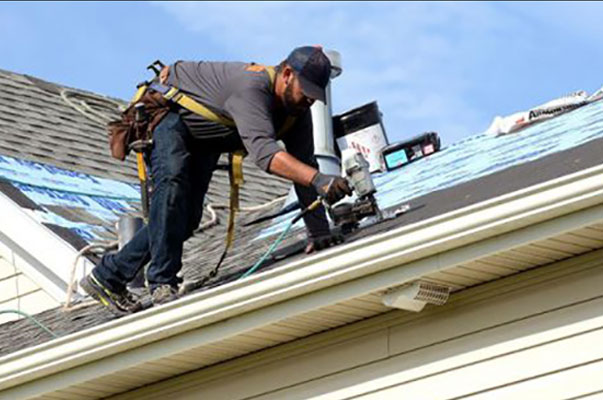
Navigating Roof Insurance Claims in Boise After a Storm

Your Step-by-Step Guide to a Stress-Free Process

When a severe storm rolls through the Treasure Valley, the safety of your family and property is the top priority. But after the wind and hail subside, discovering roof damage can be incredibly stressful. The thought of starting a complex insurance claim adds another layer of anxiety. Many Boise homeowners are unsure where to begin, what to document, or how to ensure they receive a fair settlement. This guide provides a clear, step-by-step process to help you manage your roof insurance claim with confidence and restore your home to its pre-storm condition.

Step 1: Immediate Actions After the Storm

What you do right after a storm is crucial for both your safety and the success of your insurance claim. Before anything else, prioritize safety.

Prioritize Safety and Initial Assessment

Visually inspect your roof and property from the ground. Look for downed power lines, broken glass, fallen tree limbs, or other immediate hazards. Never climb onto a potentially damaged roof; it can be extremely dangerous. Instead, look for obvious signs of damage such as missing, cracked, or curling shingles, or dents in gutters and downspouts. If you see significant issues, it might be best to call a professional for an inspection.

Document Everything Thoroughly

Before any cleanup or repairs begin, meticulous documentation is your most powerful tool. Use your smartphone to take extensive, high-quality photos and videos of all damage from multiple angles. Capture wide shots of the whole roof and close-ups of specific problems like hail dents, lifted shingles, or shingle granules in your yard. Don’t forget to document any interior damage, like water stains on ceilings or walls, that may have resulted from a leak. This detailed visual evidence is essential for a successful claim.

Prevent Further Damage

Your homeowner’s policy requires you to take reasonable steps to prevent further damage to your property, a step known as “mitigating your losses.” If you have an active leak, this might involve placing a tarp over the damaged section of the roof. Keep receipts for any materials you purchase for these temporary repairs, as they are often reimbursable under your policy.

Step 2: Contact a Professional and File Your Claim

With initial safety checks and documentation complete, the next step is to get an expert opinion and officially start the claims process. Many homeowners find it beneficial to contact a trusted, local roofing contractor *before* calling their insurance provider.

Get a Professional Roof Inspection

A professional assessment from an experienced contractor like Team Construction can identify damage that isn’t visible from the ground. We provide a detailed report on the full extent of the wind and hail damage, which is invaluable when filing your claim. An expert can differentiate between storm damage and normal wear and tear, a critical distinction for insurance purposes.

File the Claim with Your Insurance Company

Once you have a professional assessment, contact your insurance company promptly to report the damage. Be prepared to provide your policy number, the date of the storm, and a general description of the issues. They will assign you a claim number and an insurance adjuster who will schedule a visit to inspect your property. Keep a record of all communication, including dates, times, and the names of people you speak with.

Key Do’s and Don’ts of Boise Roof Insurance Claims

Do Don’t
Document Everything: Take detailed photos and videos of all damage before any work is done. Wait Too Long: Most policies have a time limit for filing claims, often within a year. Delaying can jeopardize your claim.
Get a Professional Inspection: Have a trusted local contractor assess the damage to ensure nothing is missed. Accept the First Offer Blindly: Review the adjuster’s report carefully with your contractor to ensure it covers all necessary repairs.
Understand Your Policy: Know your deductible and whether you have RCV or ACV coverage. Hire “Storm Chasers”: Avoid out-of-town contractors who knock on your door after a storm. Stick with a licensed, local company.
Mitigate Further Damage: Perform temporary repairs, like tarping, to prevent leaks from worsening. Sign Contracts Under Pressure: Don’t sign any contracts until your claim is approved and you’ve reviewed all terms.

The Team Construction Advantage in Boise

After a major storm, “storm chaser” roofing companies often flood neighborhoods in Boise, Meridian, and Eagle. While their promises may sound appealing, working with a locally owned and operated contractor like Team Construction provides invaluable benefits. We are deeply familiar with Idaho’s unique weather challenges and local building codes. Our long-standing presence in the Treasure Valley means we’ve built relationships with insurance providers, which helps streamline the claims process for both residential and commercial roofing clients. We advocate for you, ensuring the adjuster’s estimate is fair and comprehensive, covering everything needed for a quality roof repair or replacement.

Did You Know?

  • Hail as small as a quarter can cause significant damage to asphalt shingles by dislodging the protective granules, which shortens the lifespan of your roof.
  • In Idaho, filing a claim for storm damage is typically considered an “Act of God.” This means your insurance company generally cannot raise your individual premiums solely because you filed this type of claim.
  • Your insurance policy may have a specific time limit for filing a storm damage claim, often one year from the date of the event. It is crucial to act quickly.

Ready to Take the Next Step?

Dealing with storm damage is stressful enough without the added confusion of an insurance claim. Let the local experts at Team Construction guide you through the process from start to finish. We provide complimentary inspections, detailed damage reports, and expert assistance to ensure your claim is handled correctly and your home is protected.

Get Your Free Inspection Today

Frequently Asked Questions

Will filing a hail damage claim raise my insurance rates?

Generally, no. Storm damage is considered an “Act of God” or an uncontrollable event, and insurance regulations in most states prevent companies from raising your individual rates for a single storm-related claim. However, if an entire region experiences a catastrophic event, providers may adjust rates for everyone in that area upon policy renewal.

How long do I have to file a claim after a storm?

This depends on your specific policy, but most give homeowners between six months to one year to file a claim. It’s always best to act as quickly as possible to document damage and begin the process.

What if my claim is denied or the settlement is too low?

If your claim is denied, don’t worry. You can ask for a second inspection from a different adjuster. If the settlement offer seems too low, your roofing contractor can help by providing detailed evidence and negotiating with the insurance company to ensure all necessary repairs are included in a supplemental claim.

Should I get multiple estimates for the repair work?

For an insurance claim, the most important “estimate” is the one approved by your insurance company. The goal is to find a reputable contractor who will perform all the approved work for the amount the insurance company agrees to pay. The focus should be on quality and trust, not just the lowest price.

Glossary of Insurance Terms

Adjuster: An individual employed by an insurance company to investigate a claim and determine the extent of the company’s liability.

Deductible: The amount of money you are responsible for paying out-of-pocket on a claim before your insurance coverage begins.

Depreciation: The decrease in an asset’s value over time due to age, wear and tear, or obsolescence.

Actual Cash Value (ACV): This policy type pays for the replacement cost of your damaged roof *minus* depreciation. This means the older your roof, the less you will receive, potentially leading to higher out-of-pocket costs.

Replacement Cost Value (RCV): This policy covers the full cost to replace your damaged roof with new materials of similar kind and quality, without a deduction for depreciation. While premiums are often higher, RCV policies provide greater financial protection.

A Homeowner’s Guide to Navigating Roof Insurance Claims in Nampa

Don’t Let Storm Damage Overwhelm You.

When a severe storm rolls through Nampa, the last thing you want to worry about is a damaged roof and a complicated insurance process. High winds and hail can cause significant problems that aren’t always visible from the ground. Understanding how to properly handle a roof insurance claim is the key to a swift, successful restoration. This guide will walk you through the process, ensuring you have the knowledge to protect your property and get the compensation you deserve.

Your Step-by-Step Plan for a Stress-Free Claim

Step 1: Prioritize Safety & Document Everything

Your first priority after a storm is safety. Check for downed power lines, broken glass, and unstable structures before proceeding. Once the area is safe, document the damage thoroughly. Use your smartphone to take clear photos and videos of your roof from different angles, as well as any interior leaks, damaged shingles on the ground, or dented gutters and siding. This initial evidence is invaluable when you file your claim.

Step 2: Get a Professional Roof Inspection

Before you even contact your insurance provider, call a trusted local roofing contractor for a professional roof inspection. An experienced expert can identify all forms of damage, including subtle issues like granule loss, cracked shingles, and compromised flashing that an untrained eye might miss. This professional assessment provides you with a detailed report and an accurate repair estimate, giving you leverage and clarity when you speak with your insurer.

Step 3: Review Your Policy and File the Claim

Locate your homeowner’s insurance policy and review your coverage for storm, wind, and hail damage. Pay close attention to your deductible amount—this is the portion you’ll pay out-of-pocket. With your policy information and your contractor’s damage report in hand, contact your insurance company to officially file the claim. Provide them with the date of the storm and a clear description of the damages you’ve documented.

Step 4: Schedule the Adjuster’s Visit

Your insurance company will assign an adjuster to inspect your property and verify the damage. It is highly recommended to have your roofing contractor present during this visit. Your contractor can act as your advocate, pointing out all identified damage to ensure the adjuster’s assessment is comprehensive and fair. This collaborative approach helps prevent items from being overlooked and leads to a more accurate settlement.

Step 5: Understand the Settlement and Begin Repairs

Once your claim is approved, you will receive a settlement summary from your insurance company. This document will detail the scope of work and the funds being provided. Most policies provide Replacement Cost Value (RCV), but the initial check is often for the Actual Cash Value (ACV), with the remaining amount (depreciation) released after the work is completed. A reliable contractor like Team Construction can help you interpret this paperwork and schedule your roof repair or replacement promptly.

Did You Know?

  • Idaho is among the top states for hail damage claims, with hailstones often causing significant damage to roofs, siding, and windows in the Treasure Valley.

  • Most insurance policies have a time limit for filing a claim after a storm, often within one year. Waiting too long can jeopardize your ability to get coverage.

  • A professional roofer can often spot wind and hail damage that isn’t immediately obvious, such as weakened shingle seals or micro-fractures that can lead to major leaks later on.

Professional Inspection vs. DIY Assessment

Climbing on your roof after a storm can be dangerous and inefficient. Here’s why a professional assessment is always the better choice for your Nampa home.

Feature DIY Assessment Professional Inspection
Safety High risk of falls and injury, especially on a wet or damaged roof. Trained experts use proper safety equipment and protocols.
Accuracy Hidden damage like micro-fractures, granule loss, and lifted seals are easily missed. Comprehensive identification of all storm-related issues for a complete claim.
Documentation Basic photos may lack detail and context for an adjuster. Professional report with detailed photos, measurements, and repair scope.
Insurance Liaison You are on your own when negotiating with the insurance adjuster. Contractor can meet with the adjuster to ensure a fair and accurate assessment.

The Treasure Valley Advantage: Why Local Matters

After a major storm, out-of-state “storm chasers” often flood neighborhoods like Nampa, Meridian, and Eagle. While they promise quick fixes, they often deliver subpar work and disappear once they’re paid, leaving you with no warranty or recourse. Choosing a locally owned and operated contractor like Team Construction means you’re hiring a team that understands Nampa’s specific weather challenges and local building codes. We are your neighbors, committed to protecting our community’s properties with quality materials and expert workmanship. Whether you need a residential roof repair in Nampa or commercial services in a nearby city like Meridian, we’re here for the long haul.

Get Expert Help with Your Roof Insurance Claim

Don’t navigate the complex insurance process alone. The Team Construction experts are here to provide a FREE, no-obligation inspection and guide you from start to finish.

Schedule Your Free Inspection Today

Frequently Asked Questions

Will filing a claim increase my insurance premiums?

Typically, claims filed due to natural disasters or “Acts of God” like hailstorms do not result in a premium increase for an individual homeowner. However, rates may rise for an entire region that has experienced widespread storm damage.

What if my insurance claim is denied?

If your claim is denied, you have the right to appeal the decision. A reputable contractor can help by providing additional documentation, a second opinion on the damages, and evidence to support your case during the appeals process.

Can I choose my own roofing contractor?

Yes. You are never obligated to use a contractor recommended by your insurance company. You have the right to choose a licensed and insured contractor that you trust to perform the repairs on your property.

How long will the roof repair or replacement take?

The timeline depends on the extent of the damage, the size of your roof, and material availability. A typical residential roof replacement can often be completed in 1-3 days. Your contractor will provide a clear timeline before work begins.

Glossary of Insurance Terms

Deductible: The fixed amount you must pay out-of-pocket for a covered loss before your insurance benefits kick in.

Adjuster: An individual employed by an insurance company to investigate a claim and determine the extent of the company’s liability.

Actual Cash Value (ACV): The value of your damaged property minus depreciation due to age and wear. This is often the amount of the first insurance check.

Replacement Cost Value (RCV): The total cost to repair or replace your damaged property with new, similar materials, without deducting for depreciation.

Depreciation: The decrease in an asset’s value over time. In roofing claims, this is the amount held back by the insurer an paid out once repairs are complete and invoiced.

Is It Time for a New Roof? A Homeowner’s Guide to Residential Roofing in Nampa, ID

Protecting Your Nampa Home from the Top Down

Your roof is your home’s first line of defense against Nampa’s distinct seasons—from hot, sunny summers to cold, snowy winters. But like any part of your property, it has a lifespan. Over time, exposure to sun, wind, rain, and hail can take its toll, leading to potential issues that compromise the safety and integrity of your home. Recognizing the signs of a failing roof is crucial for preventing minor issues from becoming major, costly problems. This guide will help you identify when it’s time to consider a residential roofing replacement and what to look for in a trusted local contractor.

Key Warning Signs Your Roof Needs Replacement

Don’t wait for a leak to appear in your living room. Proactive inspection can save you significant stress and money. Look for these common indicators of a worn-out roof:

Curled or Missing Shingles

Shingles should lie flat. If you see edges curling up or patches where shingles are completely gone, your roof is vulnerable. This is often a sign of advanced age or significant wind and hail damage, exposing the underlayment to moisture.

Granules in the Gutters

Asphalt shingles are coated with granules that protect them from UV rays. When these wear away, you’ll find them collecting in your gutters. This “balding” indicates your shingles are nearing the end of their effective life.

Leaks and Water Stains

The most obvious sign of a problem. Check your attic regularly for signs of water intrusion, dark spots, or sagging. On interior ceilings, look for discoloration or peeling paint. A small leak can lead to widespread structural damage and mold growth if ignored.

Benefits of a New Roof: More Than Just a Repair

Investing in a new roof offers benefits that extend far beyond simply keeping the rain out. It’s an upgrade to your entire home.

Boost Your Home’s Value and Curb Appeal

A new roof is a major selling point for potential buyers. It not only improves the aesthetic of your property but also gives the next owner peace of mind. Modern roofing materials come in a variety of styles and colors to perfectly match your home’s architecture.

Improve Energy Efficiency

Older roofs often lack modern underlayment and ventilation technology. A new roofing system can improve airflow in your attic, reducing the burden on your HVAC system during Nampa’s hot summers and keeping your home warmer in the winter. This often translates to lower monthly energy bills.

Ensure Structural and Family Safety

A failing roof can lead to serious structural issues with rafters, joists, and wall framing. A new roof, professionally installed, ensures your home is structurally sound and protects your family from the elements and potential hazards like mold growth caused by hidden leaks.

Did You Know?

The average asphalt shingle roof has a lifespan of 20-30 years. However, the intense sun and storm cycles in the Treasure Valley can sometimes shorten this. If your roof is approaching the 20-year mark, a professional inspection is a wise investment to assess its remaining life and catch any potential problems early.

The Nampa Climate and Your Roof

Living in Nampa means your roof needs to withstand a wide range of weather conditions. The intense summer sun can cause thermal shock, expanding and contracting roofing materials, which leads to cracking. Winter brings snow and the risk of ice dams, where melted snow refreezes at the edge of the roof, forcing water up under the shingles. This is why professional installation with proper ice and water shields is non-negotiable in our region. When considering a roof repair or replacement, it’s essential to choose materials and a contractor familiar with the specific challenges of the Treasure Valley climate.

Choosing the Right Nampa Roofing Contractor

Your roofing contractor is your partner in protecting your most valuable asset. Look for a company that is:

  • Local and Experienced: A contractor based in the Treasure Valley understands local building codes and weather challenges. longevity in the community is a sign of reliability.
  • Licensed and Insured: Protect yourself. Ensure your contractor carries full liability insurance and worker’s compensation.
  • An Insurance Claim Specialist: If your roof has storm damage, you need a team that can work directly with your insurance company. This simplifies the process, ensuring all damage is documented and your roof insurance claim is handled correctly.
  • Transparent with Free Estimates: A reputable company will offer a complimentary, no-obligation inspection and a detailed estimate outlining all costs.

Team Construction is proud to be a locally owned and operated contractor meeting all these standards for homeowners in Nampa and across the Treasure Valley.

Don’t Wait for a Disaster to Strike

A proactive approach to your roof’s health will protect your home and save you money. If you’ve noticed any of the signs mentioned or your roof is over 15 years old, it’s time for a professional assessment.

Schedule Your Free Inspection Today

Frequently Asked Questions

How long does a typical roof replacement take in Nampa?

For an average-sized home, a full residential roof replacement can usually be completed in 1 to 3 days. The timeline can be affected by factors like the weather, the complexity of the roof’s design, and the type of materials being installed.

What is the best type of roofing material for Idaho’s weather?

Architectural asphalt shingles are an excellent and popular choice for the Treasure Valley. They offer superior durability, wind resistance, and longevity compared to standard 3-tab shingles. They also come in a wide range of styles to enhance your home’s curb appeal.

Will my homeowner’s insurance cover a new roof?

Homeowner’s insurance typically covers roof replacement if the damage is caused by an “act of God,” such as a hail or wind storm. It generally does not cover replacement due to old age or lack of maintenance. At Team Construction, we offer free inspections and can help you determine if you have a valid claim and assist you through the entire insurance restoration process.