Common Roof Problems in Eagle, ID: A Homeowner’s Guide to Repairs

Protecting Your Treasure Valley Home Starts from the Top

For homeowners in Eagle, Idaho, a sturdy and reliable roof isn’t a luxury—it’s a necessity. The Treasure Valley’s distinct four-season climate, from hot, dry summers to cold winters with snow and occasional high winds, puts constant stress on your home’s most critical shield. Ignoring minor issues can quickly lead to major, costly damage. Understanding the common roof problems local homeowners face is the first step in protecting your investment and ensuring your family stays safe and dry. Whether it’s a small leak or significant damage after a storm, knowing when to call for a professional roof repair in the Boise area can save you time, money, and stress.

Identifying Key Signs of Roof Damage

Early detection is crucial for minimizing repair costs and preventing structural issues. Many signs of roof trouble are visible from the ground, while others require a closer look. Here are the most prevalent problems to watch for on your Eagle home.

Leaks and Water Intrusion

The most obvious sign of a problem is a water stain on your ceiling or walls. Leaks can originate from various sources, including damaged shingles, failing flashing around chimneys or vents, or ice dams that form during winter. Even a small leak can lead to mold growth, rotted framing, and damaged insulation, compromising your home’s structural integrity and air quality. If you suspect an issue, getting a prompt roof inspection in Boise is essential.

Damaged or Missing Shingles

Walk around your property and look up at your roof. Do you see shingles that are cracked, curled at the edges, or buckling? Are there any missing altogether, especially after a windstorm? These are clear indicators that your roof’s primary water-shedding layer is compromised. The intense sun in the summer can cause shingles to age and become brittle, while strong winds can lift and tear them away, leaving the underlayment exposed.

Wind and Hail Damage

The Treasure Valley is no stranger to sudden, severe weather. Hail can leave dents or pockmarks on asphalt shingles, dislodging the protective granules that shield them from UV rays. High winds can create a lifting effect on the edges of your roof, breaking the sealant and making it easy for rain to get underneath. After any significant storm, it’s wise to schedule an inspection to assess for potential hail or wind damage. Often, this damage isn’t visible from the ground but can cause slow leaks over time.

Clogged Gutters and Poor Drainage

While not part of the roof itself, your gutters play a vital role in its health. If they become clogged with leaves, pine needles, or other debris, water can back up and overflow. This trapped moisture can seep under the eaves and into the roof decking, causing rot and decay. In winter, clogged gutters contribute to the formation of destructive ice dams.

Did You Know?

  • The granular surface on asphalt shingles does more than add color; it protects the shingle from UV radiation, which can cause it to become brittle and fail prematurely.
  • Proper attic ventilation is crucial for your roof’s longevity. It helps regulate temperature and moisture levels, preventing ice dams in the winter and reducing heat buildup in the summer that can bake shingles from underneath.
  • Many homeowner’s insurance policies cover storm-related damage. A professional contractor can help document the issues and guide you through the roof insurance claims process.

The Eagle, ID Factor: Local Roofing Challenges

Living in Eagle provides a fantastic quality of life, but our local environment presents specific challenges for roofs. The freeze-thaw cycle during late fall and early spring can be particularly harsh. Moisture that gets into small cracks can freeze, expand, and turn minor issues into significant gaps. This makes timely repairs on your Eagle, Idaho roof even more critical.

Furthermore, the strong sun exposure at our elevation can accelerate the aging of roofing materials. This is why choosing quality materials and a contractor with local experience is so important. A professional team understands which materials stand up best to Idaho’s climate and how to install them for maximum durability and performance, whether it’s for a residential home or a commercial property.

Don’t Wait for a Drip to Become a Downpour

Your roof is too important to leave to chance. If you’ve noticed any of the warning signs or simply want peace of mind, contact the trusted local experts at Team Construction for a complimentary, no-obligation roof inspection.

Get Your Free Estimate

Frequently Asked Questions

How often should I have my roof inspected?

It’s a good practice to have your roof professionally inspected at least once every two years, and always after a major storm involving high winds or hail. Regular inspections can catch small problems before they escalate.

Can my roof be repaired, or does it need to be replaced?

This depends on the age of your roof and the extent of the damage. If the damage is localized to one area or if the roof is relatively new, a repair is often sufficient. However, if the roof is nearing the end of its typical lifespan (20-25 years for asphalt shingles) or has widespread damage, a replacement might be more cost-effective in the long run.

Will my insurance cover the cost of a roof repair?

Most homeowner’s insurance policies cover roof damage caused by “acts of God,” such as wind, hail, or falling trees. They typically do not cover damage resulting from normal wear and tear or lack of maintenance. At Team Construction, we specialize in insurance restoration and can help you navigate the claims process.

What happens during a professional roof inspection?

A professional inspector from Team Construction will safely examine all aspects of your roofing system. This includes the condition of the shingles, the integrity of the flashing around chimneys and vents, the state of your gutters, and the condition of the attic ventilation. We document our findings with photos and provide you with a clear, honest assessment and a free estimate for any necessary work.
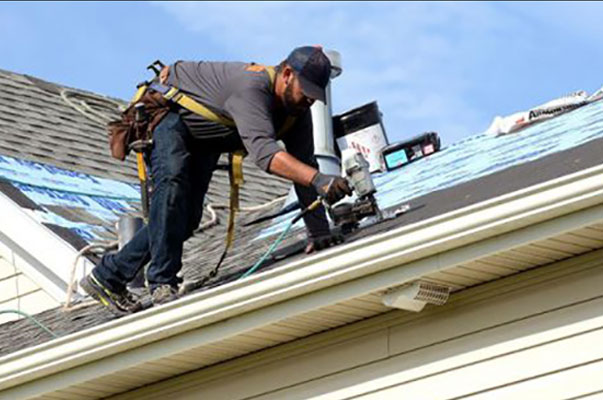
Navigating Roof Insurance Claims in Boise After a Storm

Your Step-by-Step Guide to a Stress-Free Process

When a severe storm rolls through the Treasure Valley, the safety of your family and property is the top priority. But after the wind and hail subside, discovering roof damage can be incredibly stressful. The thought of starting a complex insurance claim adds another layer of anxiety. Many Boise homeowners are unsure where to begin, what to document, or how to ensure they receive a fair settlement. This guide provides a clear, step-by-step process to help you manage your roof insurance claim with confidence and restore your home to its pre-storm condition.

Step 1: Immediate Actions After the Storm

What you do right after a storm is crucial for both your safety and the success of your insurance claim. Before anything else, prioritize safety.

Prioritize Safety and Initial Assessment

Visually inspect your roof and property from the ground. Look for downed power lines, broken glass, fallen tree limbs, or other immediate hazards. Never climb onto a potentially damaged roof; it can be extremely dangerous. Instead, look for obvious signs of damage such as missing, cracked, or curling shingles, or dents in gutters and downspouts. If you see significant issues, it might be best to call a professional for an inspection.

Document Everything Thoroughly

Before any cleanup or repairs begin, meticulous documentation is your most powerful tool. Use your smartphone to take extensive, high-quality photos and videos of all damage from multiple angles. Capture wide shots of the whole roof and close-ups of specific problems like hail dents, lifted shingles, or shingle granules in your yard. Don’t forget to document any interior damage, like water stains on ceilings or walls, that may have resulted from a leak. This detailed visual evidence is essential for a successful claim.

Prevent Further Damage

Your homeowner’s policy requires you to take reasonable steps to prevent further damage to your property, a step known as “mitigating your losses.” If you have an active leak, this might involve placing a tarp over the damaged section of the roof. Keep receipts for any materials you purchase for these temporary repairs, as they are often reimbursable under your policy.

Step 2: Contact a Professional and File Your Claim

With initial safety checks and documentation complete, the next step is to get an expert opinion and officially start the claims process. Many homeowners find it beneficial to contact a trusted, local roofing contractor *before* calling their insurance provider.

Get a Professional Roof Inspection

A professional assessment from an experienced contractor like Team Construction can identify damage that isn’t visible from the ground. We provide a detailed report on the full extent of the wind and hail damage, which is invaluable when filing your claim. An expert can differentiate between storm damage and normal wear and tear, a critical distinction for insurance purposes.

File the Claim with Your Insurance Company

Once you have a professional assessment, contact your insurance company promptly to report the damage. Be prepared to provide your policy number, the date of the storm, and a general description of the issues. They will assign you a claim number and an insurance adjuster who will schedule a visit to inspect your property. Keep a record of all communication, including dates, times, and the names of people you speak with.

Key Do’s and Don’ts of Boise Roof Insurance Claims

Do Don’t
Document Everything: Take detailed photos and videos of all damage before any work is done. Wait Too Long: Most policies have a time limit for filing claims, often within a year. Delaying can jeopardize your claim.
Get a Professional Inspection: Have a trusted local contractor assess the damage to ensure nothing is missed. Accept the First Offer Blindly: Review the adjuster’s report carefully with your contractor to ensure it covers all necessary repairs.
Understand Your Policy: Know your deductible and whether you have RCV or ACV coverage. Hire “Storm Chasers”: Avoid out-of-town contractors who knock on your door after a storm. Stick with a licensed, local company.
Mitigate Further Damage: Perform temporary repairs, like tarping, to prevent leaks from worsening. Sign Contracts Under Pressure: Don’t sign any contracts until your claim is approved and you’ve reviewed all terms.

The Team Construction Advantage in Boise

After a major storm, “storm chaser” roofing companies often flood neighborhoods in Boise, Meridian, and Eagle. While their promises may sound appealing, working with a locally owned and operated contractor like Team Construction provides invaluable benefits. We are deeply familiar with Idaho’s unique weather challenges and local building codes. Our long-standing presence in the Treasure Valley means we’ve built relationships with insurance providers, which helps streamline the claims process for both residential and commercial roofing clients. We advocate for you, ensuring the adjuster’s estimate is fair and comprehensive, covering everything needed for a quality roof repair or replacement.

Did You Know?

  • Hail as small as a quarter can cause significant damage to asphalt shingles by dislodging the protective granules, which shortens the lifespan of your roof.
  • In Idaho, filing a claim for storm damage is typically considered an “Act of God.” This means your insurance company generally cannot raise your individual premiums solely because you filed this type of claim.
  • Your insurance policy may have a specific time limit for filing a storm damage claim, often one year from the date of the event. It is crucial to act quickly.

Ready to Take the Next Step?

Dealing with storm damage is stressful enough without the added confusion of an insurance claim. Let the local experts at Team Construction guide you through the process from start to finish. We provide complimentary inspections, detailed damage reports, and expert assistance to ensure your claim is handled correctly and your home is protected.

Get Your Free Inspection Today

Frequently Asked Questions

Will filing a hail damage claim raise my insurance rates?

Generally, no. Storm damage is considered an “Act of God” or an uncontrollable event, and insurance regulations in most states prevent companies from raising your individual rates for a single storm-related claim. However, if an entire region experiences a catastrophic event, providers may adjust rates for everyone in that area upon policy renewal.

How long do I have to file a claim after a storm?

This depends on your specific policy, but most give homeowners between six months to one year to file a claim. It’s always best to act as quickly as possible to document damage and begin the process.

What if my claim is denied or the settlement is too low?

If your claim is denied, don’t worry. You can ask for a second inspection from a different adjuster. If the settlement offer seems too low, your roofing contractor can help by providing detailed evidence and negotiating with the insurance company to ensure all necessary repairs are included in a supplemental claim.

Should I get multiple estimates for the repair work?

For an insurance claim, the most important “estimate” is the one approved by your insurance company. The goal is to find a reputable contractor who will perform all the approved work for the amount the insurance company agrees to pay. The focus should be on quality and trust, not just the lowest price.

Glossary of Insurance Terms

Adjuster: An individual employed by an insurance company to investigate a claim and determine the extent of the company’s liability.

Deductible: The amount of money you are responsible for paying out-of-pocket on a claim before your insurance coverage begins.

Depreciation: The decrease in an asset’s value over time due to age, wear and tear, or obsolescence.

Actual Cash Value (ACV): This policy type pays for the replacement cost of your damaged roof *minus* depreciation. This means the older your roof, the less you will receive, potentially leading to higher out-of-pocket costs.

Replacement Cost Value (RCV): This policy covers the full cost to replace your damaged roof with new materials of similar kind and quality, without a deduction for depreciation. While premiums are often higher, RCV policies provide greater financial protection.

A Homeowner’s Guide to Navigating Roof Insurance Claims in Nampa

Don’t Let Storm Damage Overwhelm You.

When a severe storm rolls through Nampa, the last thing you want to worry about is a damaged roof and a complicated insurance process. High winds and hail can cause significant problems that aren’t always visible from the ground. Understanding how to properly handle a roof insurance claim is the key to a swift, successful restoration. This guide will walk you through the process, ensuring you have the knowledge to protect your property and get the compensation you deserve.

Your Step-by-Step Plan for a Stress-Free Claim

Step 1: Prioritize Safety & Document Everything

Your first priority after a storm is safety. Check for downed power lines, broken glass, and unstable structures before proceeding. Once the area is safe, document the damage thoroughly. Use your smartphone to take clear photos and videos of your roof from different angles, as well as any interior leaks, damaged shingles on the ground, or dented gutters and siding. This initial evidence is invaluable when you file your claim.

Step 2: Get a Professional Roof Inspection

Before you even contact your insurance provider, call a trusted local roofing contractor for a professional roof inspection. An experienced expert can identify all forms of damage, including subtle issues like granule loss, cracked shingles, and compromised flashing that an untrained eye might miss. This professional assessment provides you with a detailed report and an accurate repair estimate, giving you leverage and clarity when you speak with your insurer.

Step 3: Review Your Policy and File the Claim

Locate your homeowner’s insurance policy and review your coverage for storm, wind, and hail damage. Pay close attention to your deductible amount—this is the portion you’ll pay out-of-pocket. With your policy information and your contractor’s damage report in hand, contact your insurance company to officially file the claim. Provide them with the date of the storm and a clear description of the damages you’ve documented.

Step 4: Schedule the Adjuster’s Visit

Your insurance company will assign an adjuster to inspect your property and verify the damage. It is highly recommended to have your roofing contractor present during this visit. Your contractor can act as your advocate, pointing out all identified damage to ensure the adjuster’s assessment is comprehensive and fair. This collaborative approach helps prevent items from being overlooked and leads to a more accurate settlement.

Step 5: Understand the Settlement and Begin Repairs

Once your claim is approved, you will receive a settlement summary from your insurance company. This document will detail the scope of work and the funds being provided. Most policies provide Replacement Cost Value (RCV), but the initial check is often for the Actual Cash Value (ACV), with the remaining amount (depreciation) released after the work is completed. A reliable contractor like Team Construction can help you interpret this paperwork and schedule your roof repair or replacement promptly.

Did You Know?

  • Idaho is among the top states for hail damage claims, with hailstones often causing significant damage to roofs, siding, and windows in the Treasure Valley.

  • Most insurance policies have a time limit for filing a claim after a storm, often within one year. Waiting too long can jeopardize your ability to get coverage.

  • A professional roofer can often spot wind and hail damage that isn’t immediately obvious, such as weakened shingle seals or micro-fractures that can lead to major leaks later on.

Professional Inspection vs. DIY Assessment

Climbing on your roof after a storm can be dangerous and inefficient. Here’s why a professional assessment is always the better choice for your Nampa home.

Feature DIY Assessment Professional Inspection
Safety High risk of falls and injury, especially on a wet or damaged roof. Trained experts use proper safety equipment and protocols.
Accuracy Hidden damage like micro-fractures, granule loss, and lifted seals are easily missed. Comprehensive identification of all storm-related issues for a complete claim.
Documentation Basic photos may lack detail and context for an adjuster. Professional report with detailed photos, measurements, and repair scope.
Insurance Liaison You are on your own when negotiating with the insurance adjuster. Contractor can meet with the adjuster to ensure a fair and accurate assessment.

The Treasure Valley Advantage: Why Local Matters

After a major storm, out-of-state “storm chasers” often flood neighborhoods like Nampa, Meridian, and Eagle. While they promise quick fixes, they often deliver subpar work and disappear once they’re paid, leaving you with no warranty or recourse. Choosing a locally owned and operated contractor like Team Construction means you’re hiring a team that understands Nampa’s specific weather challenges and local building codes. We are your neighbors, committed to protecting our community’s properties with quality materials and expert workmanship. Whether you need a residential roof repair in Nampa or commercial services in a nearby city like Meridian, we’re here for the long haul.

Get Expert Help with Your Roof Insurance Claim

Don’t navigate the complex insurance process alone. The Team Construction experts are here to provide a FREE, no-obligation inspection and guide you from start to finish.

Schedule Your Free Inspection Today

Frequently Asked Questions

Will filing a claim increase my insurance premiums?

Typically, claims filed due to natural disasters or “Acts of God” like hailstorms do not result in a premium increase for an individual homeowner. However, rates may rise for an entire region that has experienced widespread storm damage.

What if my insurance claim is denied?

If your claim is denied, you have the right to appeal the decision. A reputable contractor can help by providing additional documentation, a second opinion on the damages, and evidence to support your case during the appeals process.

Can I choose my own roofing contractor?

Yes. You are never obligated to use a contractor recommended by your insurance company. You have the right to choose a licensed and insured contractor that you trust to perform the repairs on your property.

How long will the roof repair or replacement take?

The timeline depends on the extent of the damage, the size of your roof, and material availability. A typical residential roof replacement can often be completed in 1-3 days. Your contractor will provide a clear timeline before work begins.

Glossary of Insurance Terms

Deductible: The fixed amount you must pay out-of-pocket for a covered loss before your insurance benefits kick in.

Adjuster: An individual employed by an insurance company to investigate a claim and determine the extent of the company’s liability.

Actual Cash Value (ACV): The value of your damaged property minus depreciation due to age and wear. This is often the amount of the first insurance check.

Replacement Cost Value (RCV): The total cost to repair or replace your damaged property with new, similar materials, without deducting for depreciation.

Depreciation: The decrease in an asset’s value over time. In roofing claims, this is the amount held back by the insurer an paid out once repairs are complete and invoiced.