Storm Damage Roofing in Meridian, Idaho: How to Spot Wind & Hail Issues Early (and What to Do Next)

A practical homeowner’s guide for faster repairs, cleaner insurance claims, and fewer surprises

In Meridian and the Treasure Valley, it doesn’t take a dramatic-looking storm to create real roofing problems. Wind can lift shingles just enough to break seals, and hail can bruise shingles in ways you won’t notice from the driveway. The result is often the same: small issues that quietly become leaks, wood rot, stained ceilings, insulation damage, and rising repair costs. This guide walks you through what to look for, how to document it, and how to protect your property and your insurance claim without the stress.

Why wind & hail damage is easy to miss (and why it matters)

Many roof problems don’t start with a visible hole. They start with small failures: a lifted shingle edge, loosened flashing, or an impact bruise that weakens the asphalt mat over time. When water finally shows up inside, the “storm damage” may already be weeks (or months) old.
Common ways storm damage turns into expensive repairs
Lifted shingles
Wind breaks the adhesive seal; water gets underneath during the next rain, especially on slopes facing prevailing wind.
Damaged flashing
Chimneys, pipes, skylights, and wall transitions are common leak points when metal gets bent or sealant fails.
Hail bruising
Granules may look “fine” from the ground, but impacts can crack or bruise shingles and shorten roof life.
If you’re unsure whether you’re looking at storm-related damage or normal wear, a professional roof inspection is the safest next step—especially because walking on a roof can be dangerous and can cause additional damage if done incorrectly.

What storm damage looks like in Meridian (from the ground and inside the home)

Exterior clues (no ladder required)
Missing shingles or tabs (often at ridges, edges, or near valleys)
Shingle edges lifting (creates a shadow line or “curl” look)
Granules in gutters/downspouts after a storm (some granules are normal, sudden piles aren’t)
Dented metal components like vents, soft metals, flashing edges, drip edge, or gutters
Siding dings/cracks and damaged window screens (often correlate with roof impacts)
Interior clues (often show up later)
Ceiling stains (brown rings, streaking, or “shadow” patches)
Peeling paint near exterior walls or around skylights
Musty attic smell or visible dark spotting on sheathing
Dripping during wind-driven rain (leaks can appear only when rain hits at an angle)
Higher energy bills after damage (wet insulation doesn’t insulate well)
Even if you don’t see obvious damage, it’s smart to schedule an inspection after a significant wind or hail event—especially for older roofs or roofs with prior repairs.

A homeowner-friendly storm damage checklist (and what to document)

Strong documentation helps your claim move faster and reduces back-and-forth. The Idaho Department of Insurance recommends taking photos/video of initial damages and keeping receipts for mitigation work. (doi.idaho.gov)
What to check What to capture Why it matters
Rooflines from the ground (all sides) Wide photos + close-ups of missing/lifted shingles Shows location and scope; helps estimate
Gutters/downspouts Photos of dents and granule piles Often correlates with hail impacts and shingle wear
Siding, screens, and window trim Photos of chips, cracks, and punctures Supports the storm narrative across exterior surfaces
Attic (if safely accessible) Photos of wet spots, staining, and insulation issues Documents active leaks and hidden moisture
Interior ceilings/walls Photos with a reference (coin/tape) + room label Helps connect interior staining to roof damage

Step-by-step: what to do after a storm (without hurting your claim)

1) Prioritize safety and prevent further damage

If there’s active leaking, contain water indoors (buckets, towels) and protect valuables. If a tarp or temporary repair is needed, keep receipts and photos—policies often require damage mitigation. (doi.idaho.gov)

2) Document first, then clean up

Take photos/video of damage as you found it (outside and inside). Avoid throwing away damaged materials until your adjuster advises you—adjusters often want to see what was damaged. (doi.idaho.gov)

3) Schedule a professional roof inspection

A qualified roofing contractor can identify wind-lift, hail impacts, and flashing issues that homeowners typically can’t see from the ground. For Meridian homeowners, this is also the easiest way to get a clear repair plan and a realistic scope of work.

4) File the claim promptly and keep a simple log

When you file, note the claim number, the date/time, and who you spoke with. After filing, the adjuster investigates, reviews the policy/deductible, and evaluates damage (sometimes with outside experts). (doi.idaho.gov)

5) Watch for “too good to be true” roofing pitches

The Idaho Department of Insurance warns consumers to be cautious of unsolicited “insurance specialists,” anyone promising a full roof replacement, or anyone offering to waive your deductible. (doi.idaho.gov)

Repair vs. replacement: how contractors typically evaluate the next step

Every roof is different, but a storm-damage inspection usually focuses on (1) how widespread the damage is, (2) whether key leak points are compromised, and (3) whether a targeted repair will actually hold up through the next season.
Repairs often make sense when…
Damage is isolated (a small area, a few shingles, a specific flashing point), the roof has life left, and the fix restores water-shedding integrity without creating a patchwork look.
Replacement may be smarter when…
Damage is widespread, multiple slopes are impacted, repeated repairs have happened, or the roof is nearing the end of its expected service life.
For insurance work, clear documentation and an accurate scope help avoid delays—especially when there are multiple exterior trades involved (roofing, siding, windows, gutters).

Quick “Did you know?” facts for Treasure Valley homeowners

Matching isn’t always guaranteed
Some policies may not pay to match undamaged portions of roofs/siding. It’s worth asking your adjuster to point out the matching language in your policy. (doi.idaho.gov)
“Insurance help” shouldn’t mean pressure
Be cautious if someone pushes you to sign quickly, claims they can “guarantee” your insurer will replace the roof, or offers deductible waivers. (doi.idaho.gov)
Mitigation receipts can matter
Temporary protection and mitigation may be required by your policy; keeping receipts can support reimbursement discussions. (doi.idaho.gov)

Local angle: what Meridian property owners should plan for

Meridian homes and businesses often have a mix of roof types—architectural shingles, low-slope commercial systems, and multi-family roofing. That variety means storm damage doesn’t show up the same way everywhere. Wind can target ridge caps and edges on residential roofs, while commercial roofs may show stress at seams, drains, and penetrations.
Meridian tip:
If your neighborhood experienced a recent storm, it’s common for door-to-door solicitors to appear. Use the same standard you’d use for any contractor: verify local presence, ask for proof of insurance, read contracts carefully, and avoid anyone who pressures you on the spot. (doi.idaho.gov)

Need a roof inspection in Meridian?

Team Construction provides complimentary inspections and clear recommendations—whether you need a targeted repair, storm damage restoration, or help coordinating the next steps with your insurance.

FAQ: Storm damage roofing in Meridian

How soon should I schedule a roof inspection after a storm?
As soon as it’s safe. Early inspections help you document conditions and catch wind-lift or flashing issues before the next rain turns them into leaks. If you’re considering an insurance claim, timely documentation is especially helpful.
What should I do if water is actively leaking inside?
Protect belongings, contain water, and take photos/video. If temporary mitigation is needed, keep receipts—policies often require mitigation efforts to prevent additional damage. (doi.idaho.gov)
Can I go on the roof to check for hail damage?
It’s not recommended. Roofs can be slippery, steep, and fragile—especially after storms. A professional inspection is safer and typically more accurate, with documentation that’s easier to use for repair planning or claim discussions.
Is it a red flag if someone says my insurance “has to” buy me a new roof?
Yes—use caution. The Idaho Department of Insurance specifically warns consumers about unsolicited “insurance experts” and claims that your insurer must pay for a full replacement, plus other high-pressure tactics. (doi.idaho.gov)
If my roof is damaged, will insurance pay to match everything?
Not always. The Idaho Department of Insurance notes that matching undamaged portions (roofing, siding, cabinets, etc.) may not be covered depending on your policy language—ask your adjuster where matching is addressed. (doi.idaho.gov)
Can Team Construction help with both repairs and insurance coordination?
Yes. Team Construction provides storm damage inspections, repair/restoration work, and practical assistance coordinating claim documentation and repair scope so the process feels straightforward from first call to final walkthrough.

Glossary (helpful terms you may hear during an inspection)

Flashing
Metal (or specialty material) installed at roof transitions—around chimneys, pipes, skylights, and walls—to direct water away from seams.
Wind lift
When wind gets under shingle edges and partially lifts them, weakening adhesive seals and increasing leak risk during wind-driven rain.
Hail bruise
An impact spot where the shingle mat is compromised beneath the granules. It may not look dramatic from the ground but can shorten roof life.
Mitigation
Temporary steps taken to prevent further damage after a loss (like tarping a roof or drying out wet areas). Receipts and documentation can matter for the claim process. (doi.idaho.gov)
Adjuster
The insurance professional who investigates the claim, reviews the policy, and evaluates the covered damage amount. (doi.idaho.gov)
Helpful resources from the Idaho Department of Insurance include guidance on claim steps and consumer red flags related to roofing replacements. (doi.idaho.gov)
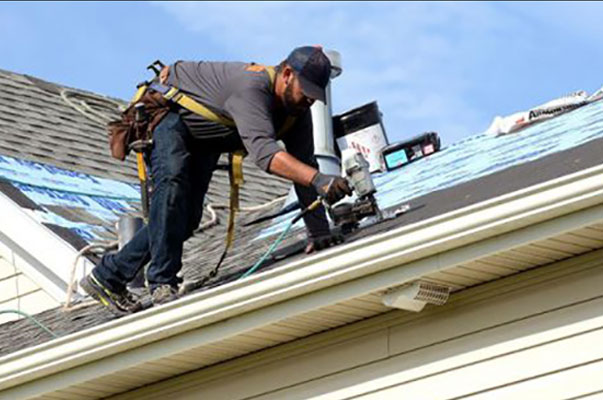
Storm-Damage Roofing in Nampa, ID: How to Spot Wind & Hail Damage Early (and Protect Your Claim)

A practical homeowner’s guide to roof inspections after Treasure Valley storms

In Nampa and across the Treasure Valley, a “small” storm can still shorten a roof’s life—especially when wind lifts shingle edges or hail knocks loose the protective granule layer. The tricky part is that some damage is obvious (missing shingles), while other damage is subtle (bruising, loosened seals, granule loss that shows up later as accelerated wear). This guide explains what to look for, when to call a roofing contractor, and how to document storm damage so your insurance claim process stays smooth and defensible.

Why early detection matters (even if your roof “isn’t leaking”)

A roof can be compromised without leaking immediately. Wind can break shingle seals and expose fasteners; hail can dislodge granules and bruise the asphalt mat beneath. Over time, UV exposure and thermal cycling widen those weak points until water finds a path. Catching issues early can prevent attic moisture, insulation damage, mold risk, and avoidable interior repairs—plus it gives you cleaner documentation if you need to file an insurance claim.

What wind damage looks like on Treasure Valley roofs

Wind damage can vary from minor lifting to full shingle loss. Here are the most common signs homeowners in Nampa should watch for:

1) Lifted or “flapped” shingles

Shingles can bend upward at the leading edge when seal strips break. Even if they settle back down, the seal may be compromised—making that area more vulnerable in the next wind event.
 

2) Missing shingles or exposed underlayment

If you can see black underlayment or bare decking from the ground, treat it as urgent. Water intrusion can happen quickly with Idaho’s winter moisture cycles and overnight precipitation patterns common in the region.
 

3) Creased shingles (a “hinge” line)

A crease can form when shingles fold up and snap back down. This often indicates the shingle has been stressed and may fail prematurely.
 

4) Flashing movement around vents, chimneys, and skylights

Wind can tug at metal flashing or loosen sealant at penetrations. These are common leak entry points and often show up as ceiling stains weeks later.

What hail damage looks like (and why it’s easy to misread)

Hail damage on asphalt shingles typically shows as displaced granules and a bruise beneath the impact area. However, granule loss can come from several causes—age, foot traffic, manufacturing issues, and weathering—so a qualified inspection matters. Some industry guidance emphasizes that hail-caused damage often includes granule displacement paired with a bruise, and careful documentation is important to support any determination.

Hail “hits” vs. functional damage

Not every mark equals a roof that needs replacement. Some inspection resources note that minor granule loss alone may not be “functional damage,” while more substantial granule displacement—especially if it exposes the asphalt or is paired with bruising—can reduce service life and performance.
 

Where hail shows up first

Hail damage often concentrates on the slopes facing the storm direction, plus softer components like ridge caps, vents, pipe boots, gutters, downspouts, and window screens. If those items show impact signs, it’s a strong reason to schedule a roof inspection.

Did you know? Quick storm-damage facts homeowners miss

A roof can pass a “leak test” today and still be storm-damaged. Wind-lifted shingles and bruised areas often fail later—after freeze/thaw and summer heat cycles.
Keep every mitigation receipt. Idaho’s Department of Insurance encourages saving receipts for temporary repairs/mitigation to submit to your adjuster for possible reimbursement.
Matching materials aren’t guaranteed. The Idaho Department of Insurance notes policies may not pay to match undamaged roof/siding materials—your policy language matters.

Quick comparison table: homeowner check vs. professional inspection

Item What you can do safely What a roofing contractor checks
Roof surface Ground-level binocular check for missing shingles, lifted edges, obvious debris Seal integrity, creases, impact bruising, fastener issues, slope-by-slope documentation
Metal components Check gutters/downspouts for dents, look for loose pieces on the ground Flashing condition, penetrations, sealants, potential water paths
Attic / interior Look for wet insulation, staining, musty odor (use a flashlight) Ventilation issues, moisture patterns, leak source tracing
Insurance documentation Take date-stamped photos, save receipts, write down storm timing Photo sets, measurements, repair scope, claim-support documentation

Step-by-step: What to do after a wind or hail storm in Nampa

Step 1: Stay safe and document from the ground

Avoid climbing on a wet or icy roof. Take wide photos of each elevation of your home, plus close-ups of downspouts, AC fins, window screens, and any debris that fell. If shingles are in the yard, photograph them where they landed before moving them.
 

Step 2: Prevent further damage (and keep receipts)

If water is entering, use a bucket inside and consider a temporary tarp only if it can be done safely. Save receipts for any materials or emergency work—Idaho’s Department of Insurance recommends keeping mitigation receipts for your adjuster.
 

Step 3: Schedule a professional roof inspection

A contractor can identify bruising, seal failure, flashing movement, and impact patterns that are hard to confirm from the ground. Team Construction offers complimentary roof inspections and can explain whether you’re looking at repair-only work or a larger restoration scope.
 

Step 4: If you file an insurance claim, keep your timeline tight

Policies can have deadlines and documentation requirements. The Idaho Department of Insurance advises consumers to read contracts carefully and ask questions throughout the claim process. If you’re unsure what your carrier needs, get clarity early so you’re not rebuilding your file later.

A clear breakdown: repair vs. replacement (what typically drives the decision)

Every roof is different, but these factors often determine whether a contractor recommends repair, restoration, or replacement:

Extent and distribution of damage

A few isolated wind-lifted shingles may be repairable; widespread seal failure across multiple slopes is a different story.

Age and brittleness of the existing roof

Older shingles can lose granules more easily and may not reseal properly after wind events, affecting long-term reliability.

Accessory damage that signals impacts

Dented vents/gutters, hit marks on soft metals, and damaged screens often correlate with hail activity on the roof surface.

Matching limitations and neighborhood appearance

Even when repair is possible, color/texture mismatches can be noticeable. Also, some policies may not cover “matching” beyond the damaged area—so it helps to understand your policy before you decide on scope.

Local angle: Storm readiness for Nampa and the Treasure Valley

The Treasure Valley’s climate features a wetter cool season and drier summers, with a large share of precipitation falling from late fall through spring. That matters because small roof openings can worsen during winter freeze/thaw cycles and overnight moisture. If a storm hits and you’re unsure, scheduling an inspection sooner (not months later) makes it easier to pinpoint storm-related conditions versus normal aging.
If you own rental property, manage a commercial building, or have multiple structures to monitor, it helps to standardize post-storm checks—especially for low-slope areas, valleys, and penetrations where water concentrates.

Need a roof inspection in Nampa, Meridian, Eagle, or Boise?

Team Construction is a locally owned, full-service contractor serving the Treasure Valley with roofing, siding, windows, remodels, and insurance restoration. If you suspect wind or hail damage, a professional inspection can clarify what’s going on and what makes sense to fix now versus monitor.
Schedule a Free Estimate

 
Prefer to start with roofing-specific info? Visit Roofing Services.

FAQ: Storm damage roofing in Nampa, Idaho

How soon should I get my roof inspected after a hailstorm?

As soon as it’s safe—ideally within days to a couple weeks—so documentation is clear and temporary issues (like lifted shingles) don’t worsen or get confused with later weathering.

What are the most common signs of wind damage?

Lifted or missing shingles, creasing, exposed underlayment, and issues around flashing/penetrations (vents, pipes, chimneys). Shingles in the yard are a clear indicator to schedule an inspection.

Does hail damage always mean I need a full roof replacement?

Not always. Some hail marks may be cosmetic, while functional damage (for example, significant granule displacement with bruising) can affect performance and lifespan. A professional evaluation helps separate “marks” from damage that justifies repair or replacement.

What should I give my insurance adjuster?

Date/time of the storm (as best you know), photos/videos, a list of affected areas (roof slopes, gutters, vents, siding), and receipts for any mitigation materials or emergency work.

Can Team Construction help with roof insurance claims?

Yes—Team Construction provides claim support and can help you understand the repair scope and documentation needed. Learn more here: Roof Insurance Claims.

Glossary (helpful roofing terms)

Granules: The mineral layer on asphalt shingles that protects the shingle from UV and weathering and adds fire resistance and color.
Shingle seal strip (sealant): The adhesive line that bonds shingles together once warmed by the sun, improving wind resistance.
Flashing: Metal pieces installed at roof transitions and penetrations (chimneys, vents, walls) to direct water away from openings.
Underlayment: A water-shedding layer beneath shingles that provides a secondary barrier against moisture intrusion.
Mitigation: Reasonable temporary steps taken to prevent further damage after a loss (like tarping or drying). Many policies require it.
Helpful consumer reference: Idaho Department of Insurance guidance on home/renters claims and documentation practices (including keeping mitigation receipts and reading contracts carefully).

Boise Homeowner’s Guide to Storm-Damage Roofing: What to Check After Wind & Hail (and When to Call a Pro)


Protect your roof, your interior, and your insurance claim—starting with the first 24 hours

In Boise and across the Treasure Valley, a single wind burst or hail cell can loosen shingles, dent vents, crack flashing, and quietly open pathways for water. The tricky part: storm damage doesn’t always look dramatic from the ground, and small issues can turn into leaks weeks later. This guide walks through what to look for, what not to do, and how a local roofing contractor like Team Construction can help you document damage and plan repairs with less stress.

Why storm damage in Boise is easy to miss

Wind and hail damage often shows up first in “weak points”—ridge caps, roof-to-wall transitions, pipe boots, valleys, and flashing around chimneys and skylights. Even if your roof doesn’t leak immediately, damage can reduce the roof’s remaining lifespan and make it more vulnerable during the next storm.

If you’re a homeowner, landlord, or property manager, your goals after a storm are simple: (1) prevent water intrusion, (2) document what happened, and (3) get an expert opinion before you approve repairs or start an insurance process.

What wind and hail typically damage on a roof

Wind damage

Wind can lift shingle edges, break adhesive seals, and pull fasteners—especially along ridges and eaves. Once the seal is compromised, shingles can flap, crease, or detach in later gusts. Manufacturers also rate shingles for wind performance using standardized tests (for example, ASTM wind classifications). (owenscorning.com)

Hail damage

Hail can bruise asphalt shingles (granule loss and softened spots), crack tiles, dent metal vents, and damage flashing. Some homeowners choose impact-resistant shingles rated under UL 2218, where “Class 4” is the highest rating used for many asphalt products. (owenscorning.com)

Quick triage: “Monitor,” “Schedule inspection,” or “Act now”

What you notice What it could mean Best next step
A few shingles look “wavy,” lifted, or misaligned Seal strip broken; future blow-offs more likely Schedule inspection within 1–2 weeks (sooner if more wind is forecast)
Shingles missing, exposed underlayment, or bare spots Active water-entry risk Act now: temporary protection + professional repair
Dents on vents, gutters, downspouts, soft metals Likely hail impacts; roof may also be affected Schedule inspection and document photos
Water spots on ceilings, bubbling paint, damp attic insulation Leak already occurring Act now: mitigation, receipts, and a roofer visit
No obvious damage from the ground, but big hail/wind in your neighborhood Hidden bruising, flashing issues, or loosened seals Schedule inspection for peace of mind and documentation

Safe, smart documentation that helps (especially for claims)

Documentation is helpful whether you file a claim or not. If you do end up working with your insurance company, Idaho’s Department of Insurance encourages consumers to ask questions throughout the claim process and keep records and receipts related to mitigation. (doi.idaho.gov)

Do this (from the ground)

Take wide photos of each roof slope from multiple angles.
Photograph dents on vents, gutters, downspouts, A/C fins, and window screens (common hail indicators).
Walk your property and collect a few hailstones (if safe), noting approximate size and time.
If there’s interior leaking, photograph ceiling stains and wet materials before you move them.

Avoid this

Climbing on a steep or wet roof (fall risk and potential to worsen damage).
Covering everything up before you document it.
Signing a contract you haven’t read carefully (Idaho DOI specifically recommends reading any contractor contract before signing). (doi.idaho.gov)

Step-by-step: what to do after a Boise wind or hail storm

1) Do a quick safety check around the home

Look for downed lines, broken branches, loose metal, or debris. Secure what you can safely. Idaho’s Department of Insurance also recommends practical wind-loss prevention steps like bringing in/anchoring outdoor items and trimming risky limbs over time. (doi.idaho.gov)

2) Look for “indicator damage”

Dented soft metals and damaged window screens can suggest hail impacts even when shingles look okay from the yard. If you find indicators, a professional roof inspection is worth scheduling.

3) Check your attic (if accessible)

Use a flashlight and look for wet decking, dark staining, or damp insulation. This helps confirm whether you’re dealing with cosmetic exterior damage or an active leak.

4) Mitigate water entry (keep receipts)

If water is getting in, place buckets, move valuables, and consider temporary covering only if it can be done safely. Keep receipts for mitigation-related expenses—this is commonly recommended for claims reimbursement review. (doi.idaho.gov)

5) Book a professional inspection (and ask for clear documentation)

A qualified roofing contractor can safely inspect slopes, valleys, flashings, vents, and ridge caps—then provide photos and a repair plan. If you need insurance assistance, Team Construction can also help you understand what documentation is useful for the process.

Helpful pages: Wind & hail damage inspections | Roof insurance claim help | Roof repair in Boise

Did you know?

Impact resistance and wind resistance are different ratings. A roof can be highly impact-resistant (hail) without automatically being the highest wind-rated product—these are measured with different standards. (owenscorning.com)

Some “hail-proof” claims are marketing shorthand. Even Class 4 shingles are designed to reduce damage—not guarantee zero damage in every storm. The real-world outcome depends on hail size, wind, roof age, ventilation, and installation quality. (owenscorning.com)

Local Boise angle: what makes Treasure Valley roofs unique

Boise homes often see a mix of hot summer sun, winter freeze-thaw cycles, and intermittent wind events. That combination can age seal strips, dry out flashings, and make older shingles less forgiving when hail hits. If your property is in Boise, Meridian, or Eagle and you’ve had multiple storms over the last few seasons, a “looks fine” roof can still be one storm away from a leak.

If you’re planning an exterior upgrade anyway, it’s also a good time to evaluate higher-performance shingle options (such as UL 2218-rated impact-resistant systems) and confirm you’re selecting products appropriate for your roof design and local code requirements. (owenscorning.com)

Also consider related exterior weak points

Wind-driven rain can expose issues beyond shingles—like aging siding seams, failing window caulk, or fascia/gutter problems. If you’re seeing drafts, water staining near windows, or warped siding after a storm, it may be worth bundling an exterior inspection.

Explore: Siding installation & repair | Window repair & replacement | Insurance restoration services

Get a free roof inspection in Boise and the Treasure Valley

If you suspect wind or hail damage, Team Construction can assess your roof, document findings, and explain repair options clearly—whether you’re paying out of pocket or working through an insurance claim.

FAQ: Storm-damage roof repair in Boise

How soon should I get my roof inspected after hail or high winds?

If you have missing shingles, interior leaks, or visible damage, schedule immediately. If the roof “looks okay” but you had significant hail or strong winds nearby, an inspection within 1–2 weeks is a practical window for documentation and early repairs before the next weather system.

Should I call insurance first or call a roofing contractor first?

Many homeowners start by getting a professional inspection and photos so they understand what they’re dealing with. If you choose to file a claim, Idaho’s Department of Insurance recommends staying organized, asking questions, and keeping documentation and receipts tied to mitigation. (doi.idaho.gov)

What are signs of hail damage I can see without climbing on the roof?

Look for dents on roof vents, gutters, and downspouts; damaged window screens; granules collecting at downspout exits; and shingle pieces in the yard. These “indicator” signs often justify a professional inspection.

Do impact-resistant shingles guarantee I won’t have hail damage?

No material can promise zero damage in every storm. Impact-resistant shingles (often referenced as UL 2218 Class 4) are designed to better withstand impacts and reduce cracking compared to standard shingles. (owenscorning.com)

Can you help with both repair work and the insurance process?

Team Construction provides storm-damage inspections, repair/replacement, and claim assistance. If you’re dealing with wind or hail damage in Boise, Meridian, or Eagle, start with a free inspection and clear documentation.

Glossary (quick definitions)

Flashing: Sheet metal (or similar material) installed at transitions (chimneys, walls, valleys) to prevent water intrusion.

Pipe boot: A flashing component that seals around plumbing vents that penetrate the roof.

Seal strip: The adhesive strip that bonds shingles together; wind can break this bond.

UL 2218 Class 4: A common impact-resistance rating used for some roofing products; Class 4 is the highest rating in this standard. (owenscorning.com)

Mitigation: Temporary steps to prevent additional damage (like containing leaks). Keep receipts for potential claim review. (doi.idaho.gov)

Looking for a local roofing contractor in Boise? Visit Team Construction to learn about residential and commercial roofing options, inspections, and repair services.