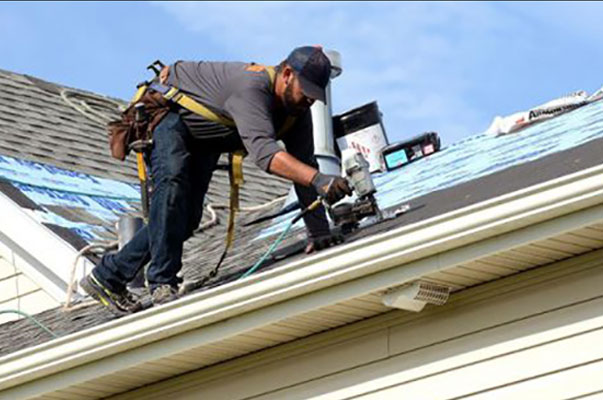
A Business Owner’s Guide to Commercial Roofing in Meridian

Protecting Your Investment from the Top Down

For any business in Meridian, the roof over your head is more than just a structure; it’s the primary shield protecting your assets, employees, and operations. A durable, well-maintained commercial roof is essential for longevity and preventing costly disruptions. Understanding the nuances of commercial roofing materials, recognizing potential problems, and establishing a proactive maintenance plan are critical for any property manager or business owner. This guide will walk you through the key aspects of commercial roofing to help you make informed decisions and safeguard your investment.

Understanding Commercial Roofing Systems

Unlike residential roofing, commercial systems are often characterized by their large, flat, or low-slope designs. This unique structure requires specific materials and maintenance approaches. The right choice depends on your building’s architecture, budget, and the local Meridian climate. Here are some of the most common types of commercial roofing systems:

TPO (Thermoplastic Polyolefin)

A popular choice for its energy efficiency and durability, TPO is a single-ply membrane known for reflecting UV rays, which helps reduce cooling costs. It’s a cost-effective and flexible material, making it a versatile option for various commercial buildings.

EPDM (Ethylene Propylene Diene Monomer)

Commonly known as rubber roofing, EPDM is a durable synthetic material praised for its long lifespan, often lasting between 25 and 50 years with proper care. It is relatively easy to install and maintain, making it one of the most cost-effective options available.

Metal Roofing

Valued for its exceptional longevity and resistance to extreme weather, metal roofing can last 40 to 70 years. Materials like steel, aluminum, and copper offer superior durability and are highly recyclable, presenting an environmentally friendly choice. If you’re considering a robust solution for your business, exploring commercial roofing options can provide valuable insights.

Common Issues Faced by Commercial Roofs

Due to their design and exposure, commercial roofs are susceptible to specific problems. Early detection through regular inspections is key to preventing minor issues from escalating into major expenses that could disrupt your business.

Roof Leaks and Moisture

Leaks are one of the most frequent and damaging issues for commercial roofs. They can stem from membrane damage, failing flashing around vents and HVAC units, or poor installation. If left unaddressed, even a small leak can lead to significant interior water damage, mold growth, and compromised structural integrity.

Ponding Water

Flat or low-slope roofs can sometimes accumulate standing water, a phenomenon known as ponding. This is often caused by clogged drains, improper slope, or structural sagging. Ponding water adds significant weight to the roof and accelerates the deterioration of roofing materials, eventually leading to leaks.

Membrane Damage

The roof’s membrane can be damaged by various factors, including UV radiation, harsh weather, and foot traffic from maintenance personnel. Punctures, blisters, or cracks in the membrane compromise its protective barrier, creating entry points for water.

Wind and Hail Damage

Meridian’s weather can be unpredictable. Strong winds can lift the edges of roofing material, while hail can cause punctures and significant damage. After a storm, it’s crucial to schedule a professional inspection for wind and hail damage to assess the condition of your roof.

Proactive Maintenance: Your First Line of Defense

A proactive maintenance plan is the most effective way to extend the life of your commercial roof and prevent costly repairs. Regular inspections, ideally twice a year in the spring and fall, can help you catch problems early.

Your Commercial Roof Maintenance Checklist:

  • Clear Debris: Remove leaves, branches, and any other debris from the roof surface, gutters, and drains to ensure proper water flow.
  • Inspect Flashing: Check the seals around vents, pipes, skylights, and HVAC units for any signs of cracking, peeling, or damage.
  • Examine the Surface: Look for any punctures, cracks, blisters, or tears in the roof membrane.
  • Check for Ponding Water: After rainfall, check for areas of standing water and ensure drainage systems are functioning correctly.
  • Secure Rooftop Equipment: Ensure all rooftop machinery, like HVAC units, is securely fastened.

For businesses in Meridian, local expertise matters. A qualified Meridian roofing contractor understands the specific challenges posed by Idaho’s climate and can provide tailored maintenance and repair solutions.

Comparing Commercial Roofing Materials

Material Average Lifespan Key Advantages
TPO 20-30 Years Energy efficient, resistant to punctures, affordable.
EPDM 25-50 Years Highly durable, cost-effective, easy to repair.
PVC 20-30+ Years Resistant to fire, chemicals, and wind; durable seams.
Metal 40-70 Years Very long lifespan, high weather resistance, recyclable.

The Local Angle: Commercial Roofing in Meridian, ID

Businesses in Meridian and the greater Treasure Valley face a unique set of weather challenges, from hot, sunny summers to cold winters with snowfall. This climate variation puts significant stress on roofing materials, causing expansion and contraction that can lead to wear and tear. A local roofing expert like Team Construction understands these specific conditions. We can recommend materials and installation techniques best suited to withstand Idaho’s four distinct seasons, ensuring your commercial property is protected year-round. Whether you need a simple roof repair or a full replacement, local knowledge is invaluable.

Protect Your Business with a Professional Roof Inspection

Don’t wait for a small leak to become a major disaster. A proactive approach to your commercial roofing is the smartest investment you can make in your property. The experts at Team Construction are here to provide comprehensive inspections, reliable repairs, and full roof replacements for businesses across Meridian and the Treasure Valley.

Get Your Free Estimate Today

Frequently Asked Questions (FAQ)

How often should I have my commercial roof inspected?

It is recommended to have your commercial roof professionally inspected at least twice a year, typically in the spring and fall. Additional inspections are wise after severe weather events like hailstorms or high winds.

What are the signs of a commercial roof problem?

Common signs include visible water stains on ceilings or walls, ponding water on the roof, cracked or bubbling areas on the roof surface, and loose flashing around roof penetrations. If you notice any of these, it’s time to call a professional.

Can my commercial roof be repaired, or does it need to be replaced?

The answer depends on the age of the roof and the extent of the damage. Minor issues like small punctures or failing flashing can often be repaired. However, if the damage is widespread or the roof is nearing the end of its lifespan, a replacement might be more cost-effective in the long run. A professional assessment is the best way to determine the right course of action.

Do you help with insurance claims for storm damage?

Yes, we do. At Team Construction, we have extensive experience assisting businesses with roof insurance claims. We can document the damage, meet with your insurance adjuster, and ensure the process is as smooth as possible to get your business back to normal quickly.

A Business Owner’s Guide to Commercial Roofing in Meridian, ID

Protecting Your Investment from Idaho’s Dynamic Weather

For any business in Meridian or the greater Treasure Valley, your commercial property is one of your most significant assets. Its roof serves as the primary shield against Idaho’s four distinct seasons, protecting everything from your inventory and equipment to your employees and customers. A well-maintained roof is not just a structural component; it is a critical investment in your business’s continuity and financial health. Ignoring its condition can lead to disruptive leaks, costly structural damage, and operational shutdowns that directly impact your bottom line.

Choosing the Right Roofing System for Your Meridian Business

Selecting the optimal roofing system for your commercial property depends on several key factors, including the building’s design, your budget, and energy efficiency goals. In Meridian, where we experience hot, dry summers and cold, snowy winters, the right material makes all the difference. Here are some of the most effective and popular commercial roofing systems we install and service.

TPO (Thermoplastic Polyolefin) Roofing

TPO is a single-ply membrane and a leading choice for low-slope or flat roofs. Its white, reflective surface is highly effective at deflecting the intense Idaho summer sun, which can significantly lower cooling costs. TPO is also known for its durability, resistance to punctures and chemical exposure, and cost-effectiveness, making it a smart investment for many Meridian businesses.

EPDM (Ethylene Propylene Diene Monomer) Roofing

Often called a “rubber roof,” EPDM is a synthetic rubber membrane celebrated for its exceptional durability and long lifespan, which can exceed 30 years with proper care. EPDM is highly resistant to weathering, hail, and extreme temperature fluctuations, making it a reliable choice for Idaho’s demanding climate. Its flexibility allows it to expand and contract without cracking, a crucial feature during our freeze-thaw cycles.

Metal Roofing

Metal roofing systems, typically made from steel or aluminum, offer unmatched longevity, fire resistance, and superior performance against heavy snow and high winds. While often used on sloped roofs, standing-seam metal is also an excellent option for low-slope commercial applications. Metal roofs are sustainable, highly durable, and provide a modern aesthetic, making them a fantastic long-term investment for businesses aiming for both function and style.

PVC (Polyvinyl Chloride) Roofing

PVC is another robust single-ply membrane known for its strength and longevity, often lasting up to 30 years. It offers excellent resistance to chemicals, grease, and fire, making it an ideal choice for restaurants, manufacturing facilities, or any business where such exposures are a concern. Its welded seams create a watertight, durable surface that holds up well against harsh weather.

Proactive Maintenance: The Key to a Longer Roof Lifespan

The Idaho climate can be tough on any roof. From heavy snow loads in winter to UV radiation in the summer, your commercial roof is under constant stress. A lack of regular maintenance is one of the leading causes of premature roof failure. Implementing a proactive maintenance plan is the most effective way to protect your investment and avoid unexpected, costly repairs.

1. Schedule Regular Inspections

A professional roof inspection, ideally in the spring and fall, is critical. An expert can identify subtle signs of damage like small punctures, degrading sealants around vents, or compromised flashing before they turn into major leaks.

2. Keep it Clean and Clear

Debris like leaves, branches, and dirt can clog drains and gutters. When water cannot drain properly, it leads to “ponding”—standing water that adds stress to the roof structure and accelerates the deterioration of roofing materials.

3. Address Repairs Promptly

Small issues can escalate quickly, especially with our freeze-thaw cycles. A minor crack can trap water, which then freezes, expands, and turns the small crack into a significant problem. Prompt roof repair is essential to prevent this cascade of damage.

Why a Local Meridian Roofing Contractor Matters

Choosing a local Meridian roofing contractor offers significant advantages. A local company like Team Construction has firsthand experience with the specific challenges our climate presents. We understand local building codes and regulations, ensuring your project is fully compliant. When unexpected issues arise, such as storm damage from a sudden hailstorm, having a local team means a faster response time, minimizing damage to your property. We are invested in our community and dedicated to building long-term relationships based on trust and quality workmanship.

Protect Your Meridian Business Today

Don’t wait for a small leak to become a major disaster. A durable, well-maintained roof is essential for your business’s security and success. The experts at Team Construction are here to help you choose the right system, provide meticulous installation, and create a maintenance plan that extends the life of your investment.

Get a Free Estimate

Frequently Asked Questions (FAQ)

How often should I have my commercial roof inspected?

We recommend a professional inspection at least twice a year—once in the spring to assess any damage from winter weather and once in the fall to prepare for the coming snow and ice. It’s also wise to schedule an inspection after any severe weather event, like a major hailstorm or windstorm.

Can my commercial roof be repaired, or does it need to be replaced?

This depends on the age of the roof, the extent of the damage, and the roofing material. Minor issues like small punctures or failing flashing can often be repaired. However, if the damage is widespread, the membrane is past its service life, or repairs would be a short-term fix, a replacement is often the more cost-effective solution in the long run.

How can a new roof improve my building’s energy efficiency?

Modern roofing materials, especially “cool roofs” like white TPO and EPDM, are highly reflective. They reflect solar radiation instead of absorbing it, which keeps the building’s interior cooler during the hot summer months. This reduces the workload on your HVAC system, leading to significant savings on your energy bills.

Do you help with roof insurance claims for storm damage?

Yes, absolutely. Navigating insurance claims can be complex. At Team Construction, we specialize in insurance restoration. We can perform a thorough damage assessment, provide detailed documentation for your insurer, and work with you throughout the claims process to ensure your property is restored correctly and efficiently.

How to Choose the Best Roofing Contractor in Meridian, ID

Protecting Your Treasure Valley Home Starts at the Top

Your roof is your home’s first line of defense against Meridian’s dynamic weather, from hot summer sun to winter snow and unexpected hail storms. Choosing a roofing contractor is a major decision that impacts your property’s safety, value, and curb appeal for years to come. With numerous options available, finding a truly reliable and skilled professional can feel overwhelming. This guide provides Meridian homeowners with the essential criteria for selecting a roofing partner who will deliver quality workmanship and peace of mind.

Key Qualities of a Top-Tier Meridian Roofing Contractor

Proper Licensing and Full Insurance Coverage

This is the absolute baseline for any contractor you consider. A reputable roofer must be registered with the Idaho Contractors Board. This ensures they meet state standards for competency and professionalism. Equally important is proof of both general liability insurance and worker’s compensation. Liability insurance protects your property from accidental damage during the project, while worker’s compensation covers their crew in case of injury, preventing you from being held liable.

Established Local Presence

A contractor with a physical office and a long history in the Treasure Valley is invested in the community. They have a reputation to uphold and are accountable for their work long after the job is done. This is especially crucial after a major storm when out-of-state “storm chasers” may appear, perform subpar work, and be gone before any issues arise. Look for a team that understands local building codes and the specific environmental demands on roofing in our area. At Team Construction, we are a locally owned and operated company proud to serve our neighbors in Meridian, Boise, and beyond.

Expertise in Storm Damage and Insurance Claims

Idaho weather can be harsh, and wind and hail damage are common concerns for local property owners. A proficient contractor does more than just repairs; they understand the entire insurance restoration process. An experienced team can identify all storm-related damage (not just the obvious spots), document it correctly, and communicate effectively with your insurance adjuster. This specialized assistance can make an enormous difference in getting your roof insurance claims approved and processed smoothly.

Quality Materials and Strong Warranties

The best installation can’t make up for poor-quality materials. Ask potential contractors about the brands they use and why. A confident roofer partners with trusted manufacturers and will be transparent about your options. Furthermore, inquire about warranties. There are typically two types: the manufacturer’s warranty on the materials and the contractor’s warranty on their workmanship. A lifetime warranty on workmanship demonstrates a company’s deep confidence in their installation quality and provides you with long-term protection.

Questions to Ask Before You Hire

Arm yourself with the right questions to properly vet any potential contractor. A professional will welcome your diligence and provide clear, direct answers.

  • Can you provide your Idaho contractor registration number and proof of insurance?
  • How long have you been in business in the Treasure Valley?
  • Can you provide a list of recent local references I can contact?
  • Will you provide a detailed, itemized estimate in writing?
  • Who will be supervising my project on-site?
  • What steps do you take to protect my property (landscaping, siding, etc.) during construction?

Did You Know?

Even minor hail, with stones as small as a quarter, can compromise the integrity of asphalt shingles by dislodging the protective granules. This exposes the underlying material to UV rays, accelerating the aging of your roof and leading to premature failure. A professional inspection after a hail storm is critical to catch this type of hidden damage.

Your Local Meridian Roofing Experts

As a dedicated Idaho roofing contractor, Team Construction understands the unique challenges that properties in Meridian face. From ensuring proper ventilation to combat attic heat buildup in July to installing robust underlayment to prevent ice dams in January, our approach is tailored to our local climate. We’ve completed hundreds of projects in the area, covering everything from minor roof repairs to full replacements for both residential and commercial properties. Our experience means we know what works best for homes in your neighborhood, ensuring a durable, long-lasting result.

Trust Your Meridian Home to Team Construction

Don’t leave the most important part of your home to chance. Get the quality workmanship, fair pricing, and dedicated local service you deserve. Contact us for a free, no-obligation roof inspection and estimate.

GET YOUR FREE ESTIMATE

Frequently Asked Questions

How often should I have my roof inspected in Meridian?

We recommend a professional roof inspection at least once every two years. However, you should always schedule an immediate inspection after any major weather event, such as a hail storm or high winds, to check for potential damage.

What are common signs that I need a roof repair or replacement?

Common warning signs include missing, cracked, or curling shingles; significant granule loss in your gutters; water stains on your interior ceilings; sagging roof decking; or visible light coming through the attic. If you notice any of these, it’s time to call for a professional assessment.

How long does a typical roof replacement take?

The timeline for a full roof replacement depends on the size and complexity of your roof. However, an average-sized residential roof in Meridian can often be replaced in just 1-3 days, weather permitting. We always provide a clear timeline before work begins.

Can you really help with my insurance claim?

Absolutely. We are experts in insurance restoration and will assist you every step of the way. We can meet with your adjuster on-site, provide all necessary documentation of the damage, and ensure the scope of work covers all necessary repairs to bring your property back to pre-storm condition.