Your Essential Guide to Residential Roofing in Eagle, Idaho

Protecting Your Treasure Valley Home Starts at the Top

Your roof is your home’s first line of defense against the diverse and sometimes harsh weather we experience in Eagle, Idaho. From hot, sunny summers to cold, snowy winters, a durable and well-maintained roof is crucial for protecting your family and your investment. Choosing the right materials, knowing when to schedule a repair, and understanding the replacement process are key responsibilities for any homeowner. This guide provides the expert insights you need to make informed decisions about your residential roofing, ensuring your home remains safe and secure for years to come.

Whether you’ve noticed a potential issue after a storm or are planning a proactive upgrade, understanding your options is the first step toward a successful roofing project. For residents in Eagle and across the Treasure Valley, having a reliable roof is not just about shelter—it’s about peace of mind.

Choosing the Best Roofing Materials for Idaho’s Climate

The right roofing material must withstand intense UV exposure, heavy snowfall, and potential hail. Here are some of the most popular and effective options for homeowners in Eagle:

Architectural Asphalt Shingles

A top choice for most American homes, and for good reason. Modern architectural shingles are thicker and more durable than traditional 3-tab shingles, offering a dimensional look that boosts curb appeal. They provide excellent protection, come in a wide variety of colors, and offer a great balance of cost, longevity, and performance, making them ideal for Idaho’s four-season climate.

Metal Roofing

Increasingly popular in the Treasure Valley, metal roofing is known for its exceptional durability and longevity. It can last 50 years or more with minimal maintenance. Metal roofs are fire-resistant, shed snow easily to prevent ice dams, and are highly effective at reflecting solar heat, which can help lower energy bills during our hot summers. While the initial investment is higher, the long-term value is significant.

Composite Shingles

Composite shingles are engineered to mimic the look of natural materials like slate or wood shake without the associated high cost and maintenance. They are incredibly durable, resistant to impact, and can withstand severe weather conditions, including high winds and hail. This makes them a smart investment for homeowners looking for both beauty and resilience.

Material Comparison for Eagle Homeowners

Material Average Lifespan Key Advantages Best For
Architectural Shingles 20-30 Years Cost-effective, versatile aesthetics, proven performance. Homeowners seeking a balance of style, durability, and value.
Metal Roofing 50+ Years Extreme durability, energy efficiency, low maintenance, snow shedding. Those prioritizing longevity and long-term performance.
Composite Shingles 40-50 Years High impact resistance, premium look, excellent weather protection. Homeowners wanting the look of natural materials with superior durability.

Recognizing the Signs: When Does Your Roof Need Attention?

Proactive maintenance and early detection of problems can save you from costly interior damage. Don’t wait for a leak to appear in your ceiling. Watch for these common warning signs that indicate it’s time for a professional roof inspection:

  • Curling or Buckling Shingles: Shingles that are curling at the edges or buckling in the middle are past their life expectancy and are vulnerable to wind and water penetration.
  • Missing Shingles: Obvious bald spots on your roof are a clear sign of failure. This often happens after a significant windstorm and exposes the underlayment to the elements.
  • Granules in Gutters: Asphalt shingles have a top layer of granules for UV protection. When these wear off and accumulate in your gutters, it means the shingles are aging and becoming brittle.
  • Visible Water Stains or Leaks: Any sign of water inside your home, a damp attic, or stains on ceilings is an urgent signal that your roof’s integrity has been compromised. Timely roof repair is critical.
  • Damaged Flashing: The metal strips around chimneys, vents, and skylights are crucial for preventing leaks. If flashing is cracked, bent, or rusted, it needs immediate attention.

If you’ve experienced a recent storm, it’s wise to check for damage even if it isn’t immediately obvious. Dealing with potential roof insurance claims can be complex, and a professional assessment provides the documentation you need.

Did You Know?

Proper attic ventilation is just as important as the roofing material itself. Good ventilation helps regulate temperatures in the attic, preventing ice dams in the winter and reducing cooling costs in the summer. It also extends the life of your shingles by preventing them from overheating and deteriorating prematurely.

Why Hiring a Local Eagle, ID Roofing Contractor Matters

When it comes to something as vital as your roof, choosing the right contractor is paramount. While a national chain might seem appealing, a local contractor offers distinct advantages that can make all the difference for your Eagle home.

Knowledge of Local Climate and Codes

A local company like Team Construction understands the specific challenges of roofing in the Treasure Valley. We know which materials perform best against our summer heat and winter snow. Furthermore, we are experts in Eagle’s local building codes and permitting requirements, ensuring your new roof installation is done right and fully compliant from the start.

Community Reputation and Accountability

As a locally owned and operated business, our reputation in the community is everything. We live and work here, serving our neighbors in Eagle, Meridian, and Boise. This means we are fully accountable for our work and are committed to delivering quality craftsmanship on every project. You can trust that we’ll be here to stand by our lifetime warranties long after the job is done.

Faster Response Times

When you have a roofing emergency, like damage after a major hailstorm, you need help fast. Being local means we can provide a prompt assessment and emergency repairs to prevent further damage to your property. We are just a phone call away.

Ready to Protect Your Eagle Home?

Don’t wait for a small issue to become a major problem. Whether you need a comprehensive inspection, a minor repair, or a complete roof replacement, our team is ready to help. At Team Construction, we combine high-quality materials with expert workmanship to give you a roof you can depend on.

Get Your Free Estimate Today

Frequently Asked Questions

How long does a typical residential roof replacement take?

For an average-sized home in Eagle, a complete roof replacement typically takes 1-3 days, depending on the complexity of the roof, the materials being used, and the weather conditions.

Will my homeowner’s insurance cover roof damage?

Most homeowner’s insurance policies cover roof damage caused by sudden events like wind, hail, or falling trees. However, they typically do not cover damage due to age or lack of maintenance. We specialize in insurance restoration and can help you navigate the claims process.

How often should I have my roof inspected?

It’s a good practice to have your roof professionally inspected at least once every two years and always after a major storm. Regular inspections can catch minor issues before they escalate into expensive repairs.

What are ice dams and how can I prevent them?

Ice dams are ridges of ice that form at the edge of a roof, preventing melting snow from draining properly. They can cause water to back up under the shingles and leak into your home. Proper insulation and attic ventilation are the most effective ways to prevent ice dams from forming.
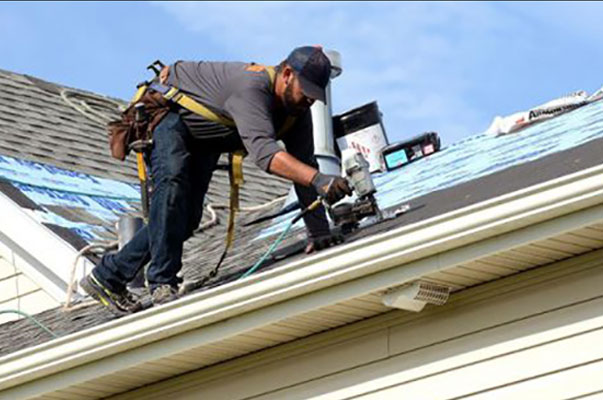
Choosing the Right Commercial Roofing System for Your Nampa, ID Property

A Guide for Business Owners and Property Managers

Your commercial roof is more than just a cover; it’s a critical asset that protects your business, inventory, and employees from the unpredictable Idaho weather. For property managers and business owners in Nampa, selecting the right commercial roofing system is a significant decision that impacts your building’s structural integrity, energy efficiency, and long-term operational costs. The right choice can lead to decades of reliable performance, while an unsuitable system can result in costly repairs and disruptions. This guide breaks down the essential factors to consider, from material selection to understanding local weather challenges, ensuring you make an informed investment in your property’s future.

Understanding Your Commercial Roofing Options

The world of commercial roofing offers a variety of materials, each with unique benefits suited for different building types and climates. Understanding these options is the first step toward selecting a roof that will stand strong for years to come. Here are some of the most common and effective commercial roofing systems available for Nampa businesses.

TPO (Thermoplastic Olefin) Roofing

TPO is a single-ply roofing membrane that has become incredibly popular for commercial, flat, or low-slope roofs. Known for its energy efficiency, a TPO roof’s white, reflective surface helps keep buildings cooler by deflecting the sun’s UV rays, which is a significant advantage during Idaho’s hot summers. This material is also highly resistant to punctures, tears, and mold growth, making it a durable and low-maintenance choice. Its flexibility allows it to handle the temperature fluctuations common in our region.

EPDM (Ethylene Propylene Diene Monomer) Roofing

Often referred to as rubber roofing, EPDM is a synthetic rubber membrane known for its exceptional durability and longevity. It’s highly resistant to severe weather conditions, from intense sun to freezing temperatures, making it a reliable performer in varied climates like Nampa’s. While traditionally black, which helps absorb heat in colder months, EPDM is also available in lighter colors. It’s a cost-effective and proven material that has been a mainstay in commercial roofing for decades.

Metal Roofing

Metal roofing is an excellent choice for businesses seeking longevity, style, and superior durability. Materials like steel, aluminum, and copper offer exceptional resistance to fire, wind, and impact. In a place like Nampa, where we can experience heavy snowfall, a metal roof’s smooth surface allows snow and ice to slide off easily, preventing dangerous accumulation and the formation of ice dams. Though the initial investment can be higher, a metal roof can last for 50 years or more with minimal maintenance.

The Impact of Nampa’s Climate on Your Roof

Idaho’s four-season climate presents unique challenges for commercial roofs. Property owners in Nampa and the wider Treasure Valley must account for intense sun, heavy snowfall, hailstorms, and significant temperature swings. A roof that isn’t suited for this environment will degrade quickly, leading to leaks, energy loss, and potential structural damage.

Sun and Heat: Prolonged exposure to UV rays can cause roofing materials to break down, become brittle, and crack. The summer heat also causes materials to expand and contract, which can weaken seams and flashing over time.

Snow and Ice: Heavy snowfall can put immense weight and stress on a roof’s structure. The freeze-thaw cycle is particularly damaging; as water melts and refreezes, it can create ice dams that block drainage and force water underneath the roofing membrane, leading to leaks and interior damage.

Wind and Hail: Strong winds can lift roofing materials, especially around the edges and corners. Hailstorms, which are not uncommon in our area, can cause punctures, dents, and granule loss on shingles, compromising the roof’s protective layer. After a significant weather event, scheduling a professional roof inspection is crucial to identify and address damage before it escalates.

Proactive Maintenance: The Key to Longevity

Regardless of the material you choose, proactive maintenance is the most effective way to extend the life of your commercial roof and prevent costly emergency repairs. A regular maintenance plan allows you to catch minor issues before they become major problems.

Essential Commercial Roof Maintenance Checklist

  • Regular Inspections: Have your roof professionally inspected at least twice a year, typically in the spring and fall, and after any major storm.
  • Debris Removal: Keep the roof surface, gutters, and drains clear of leaves, branches, and other debris to ensure proper water drainage. Clogged drains can lead to ponding water, a primary cause of roof deterioration.
  • Check for Surface Damage: Look for signs of wear and tear, such as cracks, blisters, open seams, or punctures in the membrane.
  • Inspect Flashing: The flashing around vents, skylights, and HVAC units is a common failure point. Ensure it is secure and properly sealed to prevent leaks.
  • Address Ponding Water: Any water that remains on the roof for more than 48 hours after rain indicates a drainage problem that needs to be resolved promptly.

A well-maintained roof not only protects your investment but also ensures business continuity. Should you suspect any issues, a prompt call for roof repair can save you from significant headaches down the road.

Navigating Nampa Building Codes and Insurance

Any commercial roofing project in Nampa must comply with local building regulations. The City of Nampa has adopted versions of the International Building Code (IBC) and International Residential Code (IRC) that specify requirements for things like roof load capacity, materials, and installation methods. For example, Nampa specifies a ground snow load of 20 PSF, with a design roof load of at least 25 psf. Additionally, commercial re-roofing projects typically require a permit.

Working with a contractor who is knowledgeable about these local codes is essential to ensure your project is compliant and passes inspection. Furthermore, a professional contractor can be an invaluable asset when dealing with roof insurance claims. After storm damage, an experienced team can document the issues, meet with adjusters, and ensure the restoration work meets both code and your insurer’s requirements.

Protect Your Nampa Commercial Property with Team Construction

Choosing, installing, and maintaining a commercial roof is a major responsibility. At Team Construction, we have been serving businesses in Nampa, Boise, and across the Treasure Valley for years. As a locally owned and operated contractor, we understand the challenges of the Idaho climate and are dedicated to providing superior workmanship and reliable service. Whether you need a new roof, repairs, or an expert to guide you through an insurance claim, our team is here to help.

Get Your Free Estimate Today

Frequently Asked Questions (FAQ)

How often should I have my commercial roof inspected in Nampa?

It’s best practice to have your commercial roof professionally inspected twice a year—once in the spring to check for winter damage and once in the fall to prepare for the coming cold. You should also schedule an inspection after any severe weather event, like a hailstorm or high winds.

What are the signs of a failing commercial roof?

Common warning signs include visible blistering, cracking, or tears in the roofing material; ponding water that doesn’t drain after 48 hours; loose flashing around roof penetrations; and signs of water leaks or stains on the interior ceilings or walls. If you notice any of these, it’s time to call a professional.

Can my commercial roof be repaired, or does it need to be replaced?

This depends on the age of the roof, the extent of the damage, and the type of roofing system. Minor issues like small punctures or open seams can often be repaired. However, if the damage is widespread, the membrane is past its service life, or there are significant underlying issues, a full replacement may be more cost-effective in the long run. An honest contractor will provide a thorough assessment and recommend the best course of action.

How does Team Construction help with commercial roof insurance claims?

Our team specializes in insurance restoration. We start with a comprehensive inspection to document all storm-related damage. We then work directly with your insurance company, providing detailed estimates and evidence to ensure your claim is processed fairly and efficiently, from start to finish.

A Homeowner’s Guide to Residential Roofing in Eagle, ID

Protecting Your Home from the Top Down

Your roof is your home’s first line of defense against the unique and often harsh weather conditions we experience in Eagle, Idaho. From heavy winter snowfalls to summer hailstorms and high winds, your roof works tirelessly to protect your family and your investment. Understanding the essentials of residential roofing—from choosing the right materials to performing routine maintenance and knowing what to do after a storm—is crucial for any homeowner.

This guide provides a comprehensive look at residential roofing in Eagle. We’ll explore the best materials for our climate, outline key maintenance steps, and walk you through identifying and addressing storm damage to ensure your home remains safe and secure for years to come.

Choosing the Right Roofing Materials for Your Eagle Home

The material you choose for your roof impacts its durability, appearance, and long-term cost. In Idaho, where we see all four seasons in full force, selecting a material that can withstand UV exposure, heavy snow loads, and potential hail is vital. Here are some of the most popular and effective options for residential homes in our area.

Asphalt Shingles

Asphalt shingles are the most common roofing material in North America for good reason. They offer a fantastic balance of cost-effectiveness, durability, and versatility. Modern architectural shingles provide a dimensional look and are engineered to withstand high winds and impact. They come in a vast array of colors to match any home’s aesthetic, making them a preferred choice for many homeowners in Eagle.

Metal Roofing

Once reserved for commercial buildings, metal roofing is gaining significant popularity for residential properties. It is exceptionally durable, fire-resistant, and excellent at shedding snow—a major plus for Idaho winters. While the initial investment is higher than asphalt, a metal roof can last 50 years or more with minimal maintenance. It’s also energy-efficient, reflecting solar heat to keep your home cooler in the summer.

Composite Roofing

Composite shingles are a high-end option made from a mix of materials like recycled plastics and rubber. They are designed to mimic the appearance of natural slate or wood shakes without the associated maintenance or high cost. Composite materials are incredibly resistant to impact, wind, and fire, offering superior protection and longevity.

Roofing Material Comparison

Material Average Lifespan Pros Cons
Architectural Asphalt 20-30 Years Cost-effective, versatile, easy to repair Shorter lifespan than other options
Metal (Steel, Aluminum) 40-70 Years Very durable, long-lasting, energy-efficient, sheds snow Higher initial cost, can be noisy in rain
Composite Shingles 50+ Years Extremely durable, low maintenance, high impact resistance Higher upfront investment

Did You Know?

Hail can cause significant, yet not immediately obvious, damage to an asphalt roof. The impact can create bruises that dislodge the protective granules, exposing the underlying mat to UV rays. This drastically accelerates the aging of the shingles and can lead to premature failure. This is why a professional roof inspection after a hailstorm is so important.

How to Spot Potential Roof Damage

Regularly inspecting your roof, especially after a major storm, can help you catch problems early before they become costly disasters. While a professional inspection is always recommended for safety and accuracy, here are some things you can look for from the ground:

1. Check Your Shingles

Using binoculars, scan your roof for shingles that are cracked, curling, or missing entirely. These are clear signs that your roof’s integrity is compromised and in need of immediate roof repair.

2. Inspect Gutters and Downspouts

Look for an accumulation of asphalt granules in your gutters. While some loss is normal for new roofs, a large amount of granules indicates that your shingles are aging and losing their protective layer, a common result of hail damage.

3. Look for Signs of Leaks Indoors

Check your attic and ceilings for water stains, discoloration, or peeling paint. These are telltale signs of a roof leak. Don’t delay investigating the source, as water damage can lead to mold growth and structural issues.

4. Examine Flashing

Flashing is the metal material used around chimneys, vents, and skylights. Ensure it is not rusted, cracked, or pulled away from the structure, as these gaps are common entry points for water.

The Importance of a Local Eagle Roofing Contractor

When you need a new roof or repairs in Eagle, Idaho, choosing a local contractor is a significant advantage. A local company like Team Construction understands the specific challenges our Treasure Valley climate presents. We have firsthand experience with the damage caused by local weather patterns and know which materials and installation techniques work best here.

Furthermore, a local contractor is invested in the community. Our reputation is built on serving our neighbors in Eagle, Meridian, and Boise with quality work. We’re here for the long haul, ready to stand behind our lifetime warranties and assist with any future needs, including navigating complex roof insurance claims. We simplify the entire process, from initial inspection to final repair, ensuring a stress-free experience for you.

Ready to Protect Your Investment?

Whether you suspect storm damage, need a routine inspection, or are planning for a new roof, Team Construction is here to help. Our experts provide honest assessments and quality workmanship you can trust.

Get a Free Estimate

Frequently Asked Questions

How often should I have my roof inspected?

It’s a good practice to have a professional roof inspection once every 1-2 years and always after a major storm involving high winds or hail. This proactive approach can save you significant money on repairs down the line.

Will my homeowner’s insurance cover a roof replacement?

Most homeowner’s insurance policies cover roof damage from unforeseeable events like storms (wind and hail). However, they typically do not cover damage resulting from old age or lack of maintenance. Team Construction specializes in insurance restoration and can help you navigate the claims process.

How long does a typical residential roof replacement take?

For an average-sized home in Eagle, a complete roof replacement can usually be completed in 1 to 3 days, depending on the weather, the complexity of the roof, and the material being installed.

Can you do a roof repair in the winter?

Yes, roof repairs can be done in the winter, though certain conditions like heavy snow or extreme cold can pose challenges. Shingles can become brittle in the cold, requiring extra care. Our experienced team knows how to handle winter repairs safely and effectively to protect your home. It’s always better to address a leak immediately, regardless of the season.

Glossary of Roofing Terms

Flashing

Pieces of sheet metal or other thin, impervious material installed to prevent water from penetrating a roof system or wall at joints, such as around chimneys, vents, and valleys.

Underlayment

A layer of water-resistant material placed between the roof deck (the wooden structure) and the shingles. It provides a secondary barrier against leaks.

Ice Dam

A ridge of ice that forms at the edge of a roof and prevents melting snow from draining off. The water that backs up behind the dam can leak into a home and cause damage to walls, ceilings, and insulation.