Protecting Your Investment: A Guide to Commercial Roofing in Boise

Key Considerations for Treasure Valley Property Managers

For business owners and commercial property managers in Boise, the roof is more than just a structure; it’s the first line of defense protecting your assets, inventory, and operations. Idaho’s diverse climate, from intense summer sun to heavy winter snow, puts unique stress on commercial roofing systems. Making informed decisions about materials, maintenance, and repairs is crucial for longevity and preventing costly disruptions. This guide covers the essentials of maintaining a durable and efficient commercial roof in the Treasure Valley.

Choosing the Right Commercial Roofing System

The selection of a roofing system can significantly impact your building’s energy efficiency, maintenance costs, and overall durability. In Boise, several options stand out for their performance and resilience. Understanding the differences is the first step toward a sound investment.

Single-Ply Membrane Roofing (TPO & EPDM)

Thermoplastic Olefin (TPO) and Ethylene Propylene Diene Monomer (EPDM) are popular choices for flat or low-slope commercial roofs. TPO is known for its white, reflective surface, which helps reduce cooling costs during hot Boise summers. EPDM, a synthetic rubber, offers exceptional durability and resistance to weathering and hail. Both are lightweight, flexible, and cost-effective solutions for large roof surfaces.

Metal Roofing

Metal roofing, typically made from steel, aluminum, or copper, is an excellent long-term option known for its exceptional lifespan and durability. It stands up well to heavy snow loads and high winds, common in Idaho’s climate. While the initial investment can be higher, metal roofs require minimal maintenance and offer superior fire resistance, making them a wise choice for many commercial roofing projects.

Built-Up Roofing (BUR)

A traditional choice, Built-Up Roofing consists of multiple layers of asphalt and reinforcing fabrics, topped with a layer of gravel or mineral coating. This multi-layer system creates a highly durable and waterproof barrier that is particularly effective against water intrusion and physical damage. It’s a heavy-duty option ideal for roofs with significant foot traffic.

The Importance of Proactive Maintenance and Inspections

Ignoring your commercial roof can lead to catastrophic failures. Proactive maintenance is key to maximizing its lifespan and preventing minor issues from escalating. Regular inspections, especially after severe weather events like hailstorms, are critical. Waiting for a leak to appear often means significant, hidden damage has already occurred to the underlying structure.

Feature TPO/EPDM Metal Roofing Built-Up Roofing (BUR)
Lifespan 20-30 years 40-70 years 15-30 years
Energy Efficiency High (especially white TPO) High (reflective coatings) Moderate
Maintenance Needs Low Very Low Moderate
Puncture Resistance Moderate High Very High

Steps for Effective Commercial Roof Management

1. Schedule Bi-Annual Inspections

A professional roof inspection, ideally in the spring and fall, allows experts to identify potential problems like clogged drains, pooling water, damaged flashing, or seam separation before they cause major issues. This is especially crucial after a Treasure Valley storm involving high winds or hail.

2. Keep a Maintenance Log

Maintain detailed records of all inspections, repairs, and maintenance activities. This log provides a valuable history for troubleshooting future problems and is essential documentation when filing insurance claims.

3. Act Quickly on Repairs

Small leaks and minor damage can spread quickly. Prompt roof repair is far more cost-effective than a full replacement forced by neglect. Address issues as soon as they are discovered to protect the structural integrity of your building and avoid business interruptions.

Did You Know?

  • A white, reflective TPO roof can reduce a building’s cooling energy demand by 10-15% during peak summer months.
  • Water damage from a roof leak is often not immediately visible. It can travel along structural beams and insulation, causing hidden mold and rot long before a stain appears on the ceiling.
  • Most standard business insurance policies require property owners to perform regular maintenance. Neglecting your roof could potentially jeopardize your coverage in the event of insurance restoration or damage claims.

Navigating Roof Damage & Insurance Claims in Nampa

When storms hit Nampa, Meridian, or anywhere in the Treasure Valley, dealing with potential roof damage can be stressful. High winds can lift seams, and hail can create impacts that compromise the roofing membrane. This is where a partnership with an experienced local contractor becomes invaluable. A professional partner can not only perform emergency repairs but also assist with the complexities of roof insurance claims.

A reputable contractor will provide detailed damage assessments, comprehensive estimates, and photographic evidence to support your claim. They can meet with the insurance adjuster on-site to ensure all damage is properly documented, streamlining the process and helping you secure a fair settlement to cover the cost of restoration.

Expert Commercial Roofing Services in Boise and Beyond

Don’t wait for a small problem to become a major expense. Whether you need a routine inspection, urgent repairs, or a full roof replacement, Team Construction is here to help. We are a locally owned and operated contractor dedicated to protecting your commercial property with quality workmanship and reliable service.

Get a Free Estimate

Frequently Asked Questions

How often should I have my commercial roof inspected?

We recommend a professional inspection at least twice a year—once in the spring to assess any winter damage and once in the fall to prepare for the coming cold season. It’s also critical to schedule an inspection after any major weather event involving high winds or hail.

What are the signs of commercial roof problems?

Look for pooling water that doesn’t evaporate within 48 hours, visible cracks or blisters in the roof membrane, damaged flashing around vents and HVAC units, and signs of water stains on interior ceilings or walls. An unexpected increase in energy bills can also be a sign of failing roof insulation.

Can my commercial roof be repaired, or does it need to be replaced?

This depends on the age of the roof, the extent of the damage, and the type of roofing system. Minor issues like small punctures or seam separations can often be repaired. However, if the damage is widespread, or the roof is nearing the end of its service life, a full replacement may be more cost-effective in the long run. An honest assessment from a professional Boise roofing contractor is the best way to determine the right course of action.

Do you help with insurance claims for commercial properties?

Absolutely. Team Construction has extensive experience working with insurance companies on behalf of property owners. We can document storm damage thoroughly and help guide you through the entire claims process to ensure your property is restored correctly and efficiently.
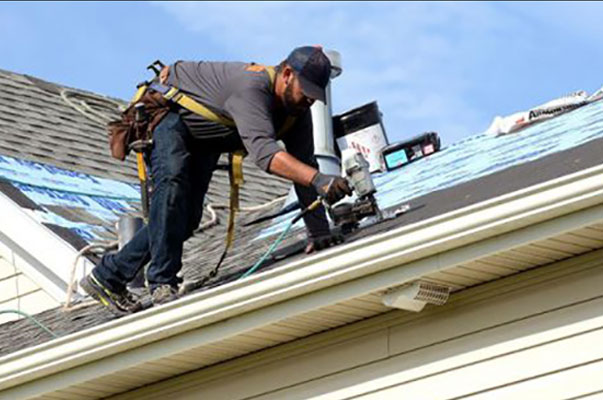
Navigating Roof Insurance Claims in Meridian, ID: A Homeowner’s Guide

Your Expert Partner for Storm Damage Restoration

A powerful storm rolling through Meridian can leave a path of destruction, and your roof often bears the brunt of it. Discovering damage to your property is stressful enough without the added complexity of filing an insurance claim. The process can feel overwhelming, filled with unfamiliar terms, tight deadlines, and endless paperwork. But you don’t have to navigate it alone. Understanding the steps involved and working with a trusted local contractor can transform a complicated situation into a smooth, successful restoration of your home.

This guide breaks down the roof insurance claims process for Meridian homeowners, empowering you with the knowledge to protect your investment and restore your peace of mind. From the initial inspection to the final repair, we’ll walk you through what to expect every step of the way.

The Step-by-Step Guide to a Successful Roof Claim

Following a structured approach is the key to a stress-free claim. Here’s a breakdown of the critical steps to take after you suspect your roof has sustained damage.

Step 1: Schedule a Professional Roof Inspection

Your safety is paramount. Before you do anything else, contact a reputable local roofing contractor for a thorough and safe roof inspection. Professionals are trained to identify all forms of damage—from obvious punctures to subtle bruising caused by hail—that an untrained eye might miss. This initial assessment provides the crucial evidence needed to determine if filing a claim is necessary.

Step 2: Document Everything

Comprehensive documentation is your most powerful tool. Take clear photos and videos of the damage to your roof, siding, windows, and any affected interior areas (like water stains on the ceiling). Note the date and time of the storm. Keep a detailed log of all communication with your insurance company, including dates, times, and the names of representatives you speak with.

Step 3: Review Your Homeowner’s Insurance Policy

Familiarize yourself with your policy. Pay close attention to your deductible (the amount you pay out-of-pocket) and what types of damage are covered. Most policies cover damage from “acts of God,” like wind and hail, but understanding the specifics, such as whether you have Replacement Cost Value (RCV) or Actual Cash Value (ACV) coverage, is vital.

Step 4: File Your Claim Promptly

Most insurance companies have a time limit for filing a claim after a storm, so don’t wait. Contact your insurance agent to initiate the process. Provide them with the date of the storm and a general description of the damage. They will assign you a claim number—keep this handy for all future correspondence.

Step 5: Meet with the Insurance Adjuster

Your insurance company will send an adjuster to assess the damage. It is highly recommended to have your chosen roofing contractor present during this inspection. Your contractor can point out damage the adjuster might overlook and ensure the scope of work accurately reflects what is needed for a proper roof repair or replacement, advocating on your behalf.

Step 6: Receive and Understand the Settlement

After the inspection, you’ll receive a settlement report detailing the approved repairs and the associated costs. If you have RCV coverage, you will likely receive an initial check for the Actual Cash Value, with the remaining amount (depreciation) paid once the work is completed and proof of payment is submitted.

Did You Know?

Filing a claim for storm damage is considered a “no-fault” claim. This means that your provider cannot single you out for a rate increase simply because you filed a claim due to weather. However, rates may rise for an entire region that has been heavily affected by storms.

The Local Advantage: Why Your Meridian Roofer Matters

In the Treasure Valley, we experience a unique climate that includes intense summer sun, freezing winters, and severe thunderstorms with high winds and hail. Choosing a local Meridian roofing contractor like Team Construction means you’re partnering with experts who understand these specific challenges. We know what materials stand up to Idaho weather and what local building codes require.

Furthermore, an experienced local contractor has established relationships with insurance adjusters in the area. This professional rapport helps facilitate a smoother, more efficient claims process. We speak their language and can provide the precise documentation they need to approve your claim fairly and quickly, minimizing delays and ensuring your residential roofing project gets done right.

Don’t Face Storm Damage Alone

If you suspect storm damage, let the experts at Team Construction help. We offer complimentary, no-obligation roof inspections and will guide you through every step of the insurance claim process.

Get Your Free Inspection Today

Frequently Asked Questions

What if my insurance claim is denied?

A denied claim isn’t the end of the road. You can appeal the decision. Often, a denial is due to insufficient documentation. A qualified roofing contractor can help you gather additional evidence and request a second inspection with a different adjuster to reassess the damage.

How long does the roof insurance claim process typically take?

The timeline can vary widely depending on the severity of the storm, the number of affected homeowners in your area, and your specific insurance company. It can range from a few weeks to several months. Partnering with an experienced contractor can help expedite the process.

Should I get multiple estimates for my roof repair?

While getting multiple estimates is wise for many home projects, it can be different with insurance claims. The insurance company determines the cost of the repair. Your focus should be on finding a highly-rated, trustworthy contractor who will perform the work for the amount approved by your insurer and ensure all damage is included in the scope.

Can a contractor cover my deductible?

No. It is illegal for a contractor to pay, waive, or otherwise cover a homeowner’s insurance deductible. This is considered insurance fraud. Your deductible is your contribution to the repair, as stipulated in your policy.

Glossary of Common Insurance Terms

Adjuster: A professional hired by the insurance company to assess the extent of damage and determine the value of the loss.

Deductible: The fixed amount you are responsible for paying out-of-pocket on a claim before your insurance coverage begins to pay.

Actual Cash Value (ACV): The value of your roof at the time of the loss. This is calculated by taking the replacement cost and subtracting depreciation due to age and wear.

Replacement Cost Value (RCV): The total cost to repair or replace your damaged roof with new materials of similar kind and quality, without deducting for depreciation.

Depreciation: The decrease in the value of your roof over time due to age, wear, and tear. An insurer may withhold this amount until repairs are complete.

Top 5 Residential Roofing Problems in Meridian and How to Spot Them

Protecting Your Greatest Asset: Your Meridian Home

Your home’s roof is its first line of defense against the elements, from the hot summer sun to Meridian’s winter storms. Yet, many homeowners overlook subtle signs of roof damage until a small issue becomes a major, costly problem. Understanding common residential roofing vulnerabilities can help you protect your investment and ensure your family’s safety. Knowing what to look for allows you to address potential damage early, preventing leaks, structural issues, and expensive emergency repairs down the line. This guide will walk you through the most prevalent roofing problems faced by homeowners in our local area.

Identifying Common Roofing Issues Before They Escalate

Regularly inspecting your roof, especially after significant weather events, is crucial. Here are the top five problems to keep an eye on for your residential property.

1. Damaged or Missing Shingles

The shingles are the outermost layer of protection for your roof. Over time, exposure to sun, wind, and hail can cause them to curl, crack, or even blow off entirely. Missing shingles leave the underlayment and roof deck exposed to moisture, which can lead to rot and leaks. When you inspect a roof, look for shingles that are lifting at the edges, have cracked surfaces, or dark patches where the protective granules have worn away. If you find shingle pieces in your yard after a storm, it’s a clear sign you need a professional roof inspection.

2. Leaks and Water Damage

Roof leaks are one of the most serious issues for any homeowner. Signs of a leak aren’t always obvious. Look for water stains on your ceilings or walls, damp spots around fireplaces, and moisture in your attic. Leaks often occur around flashing (the metal strips sealing roof joints), skylights, vents, and chimneys. Even a small leak can lead to significant problems, including mold growth, rotted framing, and damaged insulation. If you suspect a leak, it’s critical to contact a roof repair professional immediately to locate the source and prevent further damage.

3. Clogged Gutters and Downspouts

While not part of the roof itself, your gutters play a vital role in its health. Gutters are designed to direct water away from your home’s foundation and siding. When they become clogged with leaves, branches, and other debris, water can back up and pool along the edge of your roof. This standing water can seep under the shingles, leading to rot in the roof decking and fascia boards. In winter, clogged gutters can cause ice dams to form, which can force water under the roof covering and into your home.

4. Poor Attic Ventilation

Proper attic ventilation is essential for regulating temperature and moisture levels, which directly impacts the lifespan of your roof. In the summer, a poorly ventilated attic can trap super-heated air, essentially cooking your shingles from the inside out and causing them to deteriorate prematurely. In the winter, warm, moist air from your living space can rise into the attic and condense on the cold underside of the roof deck, leading to mold, mildew, and wood rot. Signs of poor ventilation include a stuffy attic, frost on the inside of the roof deck in winter, and warped or curling shingles.

5. Flashing and Sealant Failure

Flashing is the thin metal material installed at points where your roof meets a vertical surface, like a wall or chimney. It creates a water-resistant barrier. Over time, flashing can corrode, come loose, or the sealant around it can dry out and crack. This compromises the watertight seal and creates an easy entry point for water. During your roof check, pay close attention to these vulnerable areas. Damaged flashing is a common cause of leaks and should be addressed by experienced Meridian roofing experts.

Did You Know? Quick Roofing Facts

  • The black streaks you sometimes see on roofs, especially on the north side, are actually a type of algae called Gloeocapsa magma. While mostly a cosmetic issue, it can shorten a shingle’s lifespan over time.
  • Asphalt shingles, the most common material for residential roofing in Idaho, typically have a lifespan of 20-30 years, depending on the quality and local weather conditions.
  • A roof inspection can often uncover damage that isn’t visible from the ground, especially after a hail or wind storm. Professional contractors are trained to spot subtle signs of wind and hail damage that could lead to future problems.

The Local Angle: Roofing Challenges in Meridian, Idaho

Meridian and the greater Treasure Valley area experience a full range of seasons, each presenting unique challenges for your roof. Our hot, dry summers with intense UV radiation can accelerate the aging process of asphalt shingles, making them brittle. Sudden, powerful thunderstorms can bring high winds and hail, posing a significant threat of impact damage and lifted shingles. During the winter, the freeze-thaw cycle can cause shingles to expand and contract, leading to cracks and weaknesses over time. This is why working with a local contractor who understands the specific environmental pressures on roofs in our area is so important. They can recommend the right materials and installation techniques to ensure your roof stands up to Idaho’s weather year after year.

Concerned About Your Roof’s Condition?

Don’t wait for a small issue to become a major headache. The experienced team at Team Construction offers comprehensive roof inspections to identify potential problems before they escalate.

Get Your Free Estimate

Frequently Asked Questions

How often should I have my roof inspected?

We recommend having your roof professionally inspected at least once every two years. However, you should always schedule an inspection after any major weather event, such as a severe hailstorm or high winds, to check for new damage.

What are the warning signs that I might need a new roof?

Besides obvious leaks, key signs include a roof that is over 20 years old, widespread curling or cracked shingles, significant loss of granules (you’ll see them in your gutters), and sagging areas on the roof deck. If you notice any of these, it’s time for a professional assessment.

Can my roof be repaired, or does it need to be fully replaced?

This depends on the age of your roof and the extent of the damage. Minor issues or damage confined to a small area can often be repaired. However, if the damage is widespread or the roof is nearing the end of its projected lifespan, a full replacement is often the more cost-effective and safer option in the long run.

Will my insurance cover roof damage?

Most homeowner’s insurance policies cover roof damage caused by sudden events like wind, hail, or fire. They typically do not cover damage from normal wear and tear or lack of maintenance. We specialize in roof insurance claims and can help you navigate the process from inspection to filing.

Glossary of Roofing Terms

Flashing: Pieces of metal or other material used to prevent water from seeping into joints, such as where a chimney meets the roof.

Underlayment: A layer of water-resistant material placed between the roof deck and the shingles as a secondary barrier against moisture.

Roof Deck (or Sheathing): The layer of wood panels, typically plywood or OSB, that makes up the main structure of the roof and to which the shingles are attached.

Fascia: The long, straight board that runs along the lower edge of the roof, where it overhangs the building’s walls. Gutters are often attached to the fascia.

Ice Dam: A ridge of ice that forms at the edge of a roof and prevents melting snow (water) from draining off. The water that backs up behind the dam can leak into a home and cause damage to walls, ceilings, and insulation.