A Business Owner’s Guide to Commercial Roofing in Nampa, ID

Protecting Your Nampa Business Starts from the Top

For any business owner or property manager in Nampa, Idaho, the roof over your head is more than just a structure—it’s the primary line of defense for your assets, inventory, employees, and customers. A compromised commercial roof can lead to costly operational disruptions, structural damage, and safety hazards. Understanding your roofing options and the importance of proper maintenance is critical to protecting your investment and ensuring business continuity in the Treasure Valley.

Choosing the Right Commercial Roofing System for Your Nampa Property

The best roofing material for your Nampa business depends on several factors, including your building’s structure, your budget, and your long-term performance goals. Idaho’s distinct seasons, from hot, dry summers to cold, snowy winters, demand a roofing system that can handle thermal shock and variable weather. Here’s a breakdown of the most common and effective commercial roofing systems we install.

Material Key Benefits Ideal For
TPO (Thermoplastic Olefin) Highly energy-efficient (white TPO reflects UV rays), durable against punctures, and features heat-welded seams for superior leak protection. Most flat or low-slope roofs, especially for businesses concerned with cooling costs during Nampa’s hot summers.
EPDM (Ethylene Propylene Diene) Extremely durable with a long lifespan (often 25+ years), flexible in cold temperatures, and resistant to hail damage. Large, flat-roofed buildings such as warehouses and distribution centers that need a reliable, long-term solution.
Metal Roofing Exceptional longevity (40-70+ years), superior resistance to fire and wind, and available in various aesthetic styles and colors. Buildings with sloped roofs or businesses looking for a blend of performance and modern architectural appeal.
Modified Bitumen A multi-layered system offering excellent waterproofing and tear resistance, making it great for roofs with high foot traffic. Roofs with heavy equipment, frequent maintenance access, or complex structural elements.

Did You Know?

  • A reflective “cool roof,” like a white TPO system, can reduce a building’s surface temperature by up to 50°F, potentially lowering peak cooling energy demand by 10-15%.
  • Most commercial roof warranties require documented proof of regular professional inspections and maintenance to remain valid. Skipping maintenance can void your coverage.
  • The majority of roof failures occur at seams, flashing, and penetration points (like around vents or HVAC units), making a professional roof inspection essential for prevention.

Your Seasonal Maintenance Checklist for Nampa Businesses

Proactive maintenance is the key to maximizing your roof’s lifespan and preventing costly emergencies. In Nampa, seasonal checks are crucial for addressing issues caused by weather extremes. Here is a simple checklist to follow.

Spring Checklist (Post-Winter Thaw)

After a long winter, your roof needs a thorough check. Clear away any accumulated debris from the roof surface, drains, and gutters. Carefully inspect for damage caused by snow and ice, paying close attention to seams, flashing, and seals. This is the ideal time to schedule a professional roof repair for any issues found.

Summer Checklist (Peak Sun Exposure)

The intense summer sun in the Treasure Valley can cause materials to crack, blister, or degrade. Look for any signs of UV damage. Also, ensure HVAC units are not leaking condensation, as standing water (ponding) can accelerate roof deterioration and void warranties.

Fall Checklist (Pre-Winter Preparation)

Before the first snowfall, it’s vital to prepare your roof. Remove fallen leaves and other debris that can clog drainage systems. Clogged drains are a leading cause of ice dams, which can force water under the roofing material and cause severe leaks and structural damage during winter.

Navigating Nampa’s Unique Climate Challenges

As a local Nampa-area contractor, Team Construction understands the specific challenges our climate presents. From sudden hailstorms that can cause impact damage to high winds that test the integrity of seams and flashing, your roof needs to be ready for anything. We help businesses select materials and perform installations that are specifically designed to withstand the Treasure Valley’s weather. Should a storm hit, we are experts in assessing wind and hail damage and provide comprehensive insurance restoration services to get you back to business quickly.

Ready to Secure Your Nampa Commercial Property?

Don’t wait for a small issue to become a major expense. The expert team at Team Construction provides complimentary, no-obligation roof inspections and detailed estimates for businesses throughout Nampa and the Treasure Valley.

Get Your Free Estimate Today

Frequently Asked Questions

How often should I have my commercial roof inspected in Nampa?

We recommend a professional inspection at least twice a year—once in the spring and once in the fall. Additionally, it’s wise to have an inspection after any major weather event, such as a severe hailstorm or high winds.

What is the average lifespan of a commercial roof?

Lifespan varies significantly by material and maintenance. Generally, you can expect: TPO to last 15-25 years, EPDM 20-30 years, and a properly maintained Metal roof can last 40-70 years or more.

Can Team Construction help with insurance claims for storm damage?

Yes, absolutely. We specialize in insurance restoration and have extensive experience working with insurance companies. We can help document damage and guide you through the entire roof insurance claims process to ensure a smooth and fair outcome.

Does a small leak require immediate attention?

Yes. A “small” leak is a sign of a larger problem and can quickly lead to widespread water damage, saturated insulation (reducing R-value), structural decay, and mold growth. Addressing it immediately is critical to prevent compounding issues and costs.
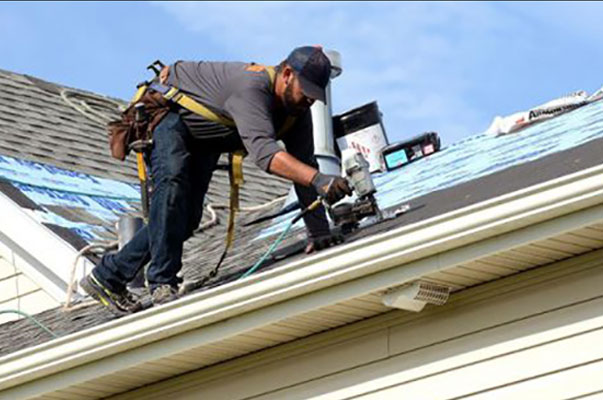
How to Hire the Right Roofing Contractor in Nampa: A Homeowner’s Guide

Protecting Your Treasure Valley Home Starts at the Top

Your roof is your home’s first line of defense against the diverse and sometimes harsh weather of the Treasure Valley. From hot summer sun to winter snow and unexpected hail storms, your roof bears the brunt of it all. When it’s time for a repair or replacement, choosing the right local roofing contractor is the most critical decision you’ll make. A qualified, trustworthy Nampa roofer not only ensures the job is done correctly but also provides long-term peace of mind. This guide will walk you through the essential steps and questions to ensure you hire the best team for your home’s needs.

The Importance of a Local, Licensed, and Insured Contractor

When searching for a roofing contractor, prioritizing local companies is key. A contractor based in the Boise or Nampa area, like Team Construction, understands the specific challenges our local climate presents. They have a vested interest in maintaining a strong reputation within the community they also call home.

Before any work begins, it’s vital to verify a contractor’s credentials. In Idaho, roofing contractors must be registered with the Idaho Contractors Board. While the state doesn’t have a specific roofing license, this registration shows they have met the state’s requirements, including proving business information and carrying the necessary insurance. Always ask for proof of general liability insurance and worker’s compensation. This protects you, the homeowner, from any liability should an accident occur on your property during the project.

Did You Know?

The most popular roofing materials in Idaho are asphalt shingles and metal roofs because of their durability and ability to handle extreme temperatures and moisture. Materials like architectural shingles are also gaining popularity for their enhanced resistance to impact and challenging weather conditions.

Key Questions to Ask Before You Hire

Arming yourself with the right questions can help you differentiate between reputable professionals and those who might cut corners. Here’s what you should ask every potential contractor:

  • “Are you registered in Idaho and can you provide proof of insurance?” As mentioned, this is non-negotiable. A professional contractor will readily provide documentation.
  • “How long have you been in business in the Treasure Valley?” A long-standing local business likely has a track record of quality work and satisfied customers.
  • “Can you provide local references?” Speaking to past clients in Nampa, Meridian, or Eagle can give you real-world insight into their workmanship and customer service.
  • “Who will be performing the work? Do you use subcontractors?” It’s important to know who will be on your property. If they use subcontractors, ensure they are also insured.
  • “What warranties do you offer on your workmanship and the materials?” A new roof should come with two warranties: one from the manufacturer for the materials and another from the contractor for the installation. A workmanship warranty of at least one year is standard.
  • “Will you provide a detailed, written estimate?” The estimate should clearly outline the scope of work, materials to be used, and total cost. This prevents surprises down the line.

Recognizing Storm Damage and Handling Insurance Claims

The Treasure Valley is no stranger to wind and hail damage. After a storm, it’s crucial to inspect your property safely from the ground. Look for tell-tale signs like:

  • Dents on gutters, downspouts, and vents.
  • Missing, cracked, or bruised-looking asphalt shingles.
  • An accumulation of shingle granules in your gutters.

If you suspect damage, your first step should be to document it with photos and then call a trusted roofing contractor for a professional roof inspection. A reputable contractor can verify the damage and provide an estimate, which is crucial for your insurance claim. Many experienced contractors, including Team Construction, can guide you through the claims process, meeting with the adjuster to ensure all damage is properly assessed and covered.

The Nampa Advantage: Why Local Matters

Choosing a contractor based in or near Nampa means you’re hiring a team that is not only familiar with local building codes but is also committed to the community. Local contractors are more accessible for follow-up questions, warranty servicing, and future needs, from residential roofing to larger commercial projects. They build their business on word-of-mouth and a solid local reputation, ensuring they treat every project with the care it deserves.

Ready to Protect Your Investment?

Don’t wait for a small leak to become a major problem. Whether you’re dealing with storm damage, an aging roof, or planning an exterior upgrade, having the right team on your side is crucial. Team Construction is your local, trusted expert for all roofing, siding, and remodeling needs in Nampa and the Treasure Valley.

Get Your Free Estimate Today

Frequently Asked Questions

How often should I have my roof inspected in Idaho?

It’s recommended to have your roof professionally inspected at least once a year, and also after any major weather events like a severe hailstorm or windstorm. Regular inspections can catch small issues before they become costly repairs.

What are the best roofing materials for the Nampa climate?

Asphalt shingles and metal roofing are excellent choices for Idaho’s climate due to their resilience to temperature swings, snow, and moisture. Impact-resistant shingles are also a great option to protect against hail damage.

What should I do if my insurance claim for roof damage is denied?

If your claim is denied, you can request a second inspection from a different insurance adjuster. It’s also beneficial to have your roofing contractor present during the inspection to advocate on your behalf and point out all the damage that warrants a repair or replacement. You can also appeal the decision with additional documentation from your contractor.

How long does a typical roof replacement take?

The timeline depends on the size and complexity of the roof, as well as the weather. However, an average-sized residential roof replacement can often be completed in a few days. Your contractor should provide a projected timeframe before starting the project.

When to Call for Roof Repair in Nampa: A Homeowner’s Guide

Don’t Let a Small Leak Become a Major Headache. Know the Signs.

Your roof is your home’s first line of defense against the elements. Here in Nampa and across the Treasure Valley, our roofs endure everything from intense summer sun to heavy snowfall and unexpected hailstorms. While built to last, no roof is invincible. Ignoring small signs of wear and tear can lead to costly structural damage, interior water issues, and decreased energy efficiency. Understanding when to call for a professional roof repair is key to protecting your investment and ensuring your family’s safety. This guide will help you identify the critical warning signs that your roof needs attention from a trusted local contractor.

Key Signs Your Nampa Roof Needs Professional Repair

1. Visible Shingle or Flashing Damage

A visual check from the ground can reveal a lot. Look for shingles that are curling at the edges, cracking, or missing entirely. These are clear indicators that your roof’s integrity is compromised. Also, inspect the flashing—the metal strips around chimneys, vents, and skylights. If it appears damaged, rusted, or loose, it creates a direct path for water to seep into your home. This type of wind and hail damage is common in our region and requires immediate attention.

2. Water Stains and Interior Leaks

One of the most obvious signs of a roofing problem is evidence of water infiltration inside your home. Check your ceilings and attic for dark stains, streaks, or active drips, especially after a storm. Even minor discoloration can signal a slow leak that could lead to mold growth, rotted framing, and damaged insulation over time. Don’t delay a professional roof inspection if you notice any interior signs of moisture.

3. Granules in Your Gutters

Asphalt shingles are coated with sand-like granules that protect them from UV rays and weathering. As a roof ages or is damaged by hail, these granules begin to slough off and collect in the gutters. While losing some granules is normal for a new roof, finding large amounts in your downspouts is a sign that your shingles are nearing the end of their effective lifespan and are becoming vulnerable.

4. A Sagging Roof Deck

If you notice a drooping or sagging spot on your roofline, it’s a critical warning sign. A sagging roof deck often indicates trapped moisture has rotted the underlying wood sheathing. This is a serious structural issue that compromises the entire roofing system. At this stage, immediate intervention is necessary to prevent further collapse and ensure the safety of your property.

Repair vs. Replacement: What Does Your Roof Need?

A common question for homeowners is whether a simple repair will suffice or if a full replacement is necessary. The answer depends on the age of your roof, the extent of the damage, and your long-term plans. A professional contractor can provide an honest assessment. For many properties in Nampa, Meridian, and Eagle, timely repairs can extend a roof’s life significantly.

Scenario Likely Solution Considerations
A few missing or cracked shingles in one area. Roof Repair Ideal for localized damage on a roof that is otherwise in good condition.
Widespread granule loss and brittle shingles. Roof Replacement Indicates the roof is past its prime and repairs would only be a temporary fix.
A minor leak around a vent or chimney. Roof Repair Often a flashing issue that can be resealed or replaced without a full roof job.
Roof is over 20-25 years old and experiencing multiple issues. Roof Replacement Investing in repairs for an old roof is often not cost-effective.

Why Timely Action and Local Expertise Matter in Nampa

In the Treasure Valley, weather can change quickly. A small issue left unaddressed before a hailstorm or heavy snow can escalate into a major insurance restoration project. Acting quickly saves you money and stress. Choosing a local, full-service contractor like Team Construction means you’re getting a partner who understands Nampa’s specific needs. We’re familiar with local building codes, weather patterns, and have established relationships with suppliers. Whether you need a simple fix on your residential roofing or a complex repair for a commercial property, local expertise ensures the job is done right.

Furthermore, if the damage is storm-related, navigating the claims process can be daunting. A seasoned local contractor can provide accurate documentation and work directly with your insurance company to streamline your roof insurance claim, ensuring you get the coverage you’re entitled to without the hassle.

Suspect Roof Damage on Your Nampa Property?

Don’t wait for a small problem to become a catastrophe. The experts at Team Construction are here to provide a thorough, complimentary inspection to assess the health of your roof.

Get Your Free Estimate

Frequently Asked Questions

How often should I have my roof professionally inspected?

It’s a good practice to have your roof inspected annually, and always after a major storm involving high winds or hail. This proactive approach helps catch minor issues before they escalate.

Can I do the repairs myself?

While minor fixes might seem manageable, roofing work can be dangerous and is best left to trained professionals. Improper repairs can lead to further damage and may void your roof’s warranty. It’s always safer and more effective to hire an experienced contractor.

What does a professional roof inspection from Team Construction include?

Our complimentary inspections are thorough. We examine the condition of your shingles, check for leaks, inspect flashing around vents and chimneys, assess your gutters, and check the attic for signs of moisture or damage. We provide a detailed report and an honest recommendation.

Will my homeowner’s insurance cover roof repairs?

Most standard policies cover roof damage caused by unforeseen events like storms, hail, or fire. They typically do not cover damage resulting from neglect or normal wear and tear. We specialize in insurance restoration and can help you navigate your claim.

Glossary of Roofing Terms

Flashing: Pieces of metal or other material used to prevent water from seeping into joints, such as where a chimney meets the roof.

Granules: The crushed rock or ceramic particles coated on the surface of asphalt shingles to protect them from UV rays and add color.

Roof Deck (or Sheathing): The layer of plywood or oriented strand board (OSB) that serves as the foundation for the entire roofing system, attached to the rafters of your home.