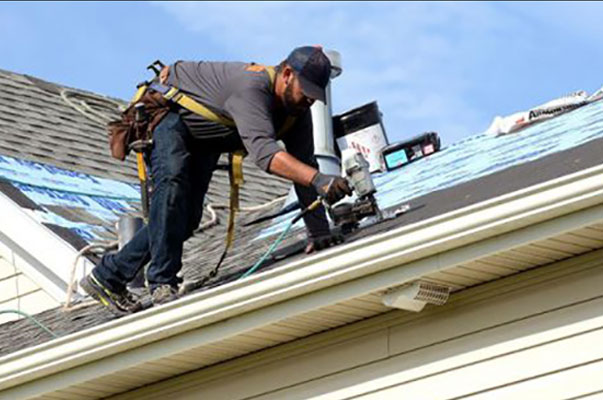
The Meridian Business Owner’s Guide to Commercial Roofing

Protecting Your Meridian Investment: Why Quality Roofing Matters

For any commercial property manager or business owner in Meridian, Idaho, the roof over your head is more than just a structure—it’s the first line of defense protecting your assets, inventory, employees, and customers. The unique Treasure Valley climate, with its hot, sunny summers and cold, snowy winters, puts constant stress on roofing materials. A compromised roof can lead to costly operational disruptions, utility inefficiencies, and significant structural damage. Investing in a high-quality commercial roofing system isn’t an expense; it’s a crucial business decision that ensures longevity, safety, and peace of mind for your enterprise.

Common Commercial Roofing Materials for the Treasure Valley

Choosing the right material is the most critical step in ensuring a long-lasting, effective roof. In Meridian, several options stand out for their durability and performance in our four-season climate. Each has distinct advantages tailored to different building types and budgets.

TPO (Thermoplastic Olefin)

A popular choice for low-slope or flat roofs, TPO is a single-ply membrane known for its energy efficiency. Its white, reflective surface can significantly reduce cooling costs during hot Idaho summers by reflecting UV rays. TPO is also resistant to punctures, tears, and chemical exposure, making it a durable and cost-effective solution for many Meridian businesses.

EPDM (Ethylene Propylene Diene Monomer)

Often referred to as a “rubber roof,” EPDM is a synthetic rubber membrane celebrated for its exceptional durability and flexibility, especially in cold temperatures. Typically black, it absorbs heat, which can be an advantage during winter months. EPDM roofs have a proven track record of longevity, often lasting 30 years or more with proper maintenance, making them a reliable, long-term investment.

Metal Roofing

Metal roofing is prized for its longevity, durability, and resistance to fire and extreme weather. Ideal for both sloped and some low-slope applications, metal roofs can handle heavy snow loads and shed precipitation effectively. While often a higher initial investment, their lifespan can exceed 50 years, and their aesthetic versatility can enhance the curb appeal of any commercial property from Eagle to Boise.

The Commercial Roof Lifecycle: From Inspection to Replacement

Understanding the lifecycle of your roof helps in planning and budgeting for maintenance and eventual replacement. Proactive management is always more cost-effective than reactive repairs.

The process begins with a professional inspection. A trained contractor will assess the current condition, looking for signs of wear, potential leaks, and structural weaknesses. For minor issues, a targeted roof repair may be all that’s needed. However, if the damage is widespread or the roof is nearing the end of its service life, a full replacement will be recommended. This involves removing the old materials, repairing the underlying deck if necessary, and installing a new, high-performance roofing system that meets local building codes and your specific needs.

Commercial Roofing Systems at a Glance

Feature TPO Roofing EPDM Roofing Metal Roofing
Average Lifespan 15-20+ years 20-30+ years 40-70+ years
Energy Efficiency Excellent (reflects heat) Good (absorbs heat) Excellent (reflective coatings available)
Best For Flat/Low-Slope Roofs in Warmer Climates Flat/Low-Slope Roofs in Colder Climates Sloped Roofs; Longevity Focus
Puncture Resistance High Good Very High (but can dent)

Key Signs Your Commercial Roof Needs Professional Attention

Early detection of roof problems can save you from costly emergency repairs and interior damage. Watch for these warning signs:

  • Water Stains or Leaks: The most obvious sign of a problem. Look for discoloration on ceilings or walls.
  • Bubbles or Blisters: These indicate trapped air or moisture beneath the roof membrane, which can lead to leaks.
  • Visible Damage: Cracks, punctures, or tears in the roofing material, especially after a storm.
  • Damaged Flashing: Bent, cracked, or loose flashing around vents, chimneys, and roof edges can create entry points for water.
  • Increased Energy Bills: A sudden spike in heating or cooling costs may signal failing insulation due to a compromised roof.

If you notice any of these issues, especially after a severe weather event, it’s wise to schedule a professional inspection. Severe weather often leads to wind and hail damage that may not be visible from the ground but can cause serious problems over time. A professional can also help you navigate the complex process of filing roof insurance claims.

The Meridian Advantage: Why Local Expertise Matters

Choosing a local contractor for your commercial roofing project offers significant benefits. A local team like Team Construction understands the specific challenges posed by Meridian’s climate. We have firsthand experience with the intensity of summer sun, the weight of winter snow, and the potential for severe storms. Furthermore, we are versed in local building codes and permit requirements, ensuring your project is compliant from start to finish. When you need prompt service or an emergency repair, a local Meridian roofing contractor is just a phone call away, providing the responsiveness that protects your business.

Ready to Secure Your Commercial Property?

Don’t wait for a small leak to become a major problem. Protect your Meridian business with a durable, professionally installed roof. The experts at Team Construction are here to provide a complimentary, no-obligation inspection and a detailed estimate for your property.

Get Your Free Estimate

Frequently Asked Questions

How often should I have my commercial roof inspected?

It’s recommended to have your commercial roof professionally inspected at least twice a year—once in the spring and once in the fall—and after any major weather event like a hailstorm or high winds. Regular inspections help catch minor issues before they escalate.

What is the main difference between commercial and residential roofing?

The primary difference is the roof’s slope. Most commercial buildings have flat or low-slope roofs, which require different materials and installation techniques (like single-ply membranes) compared to the steeper-sloped roofs of most homes, which often use shingles.

Can you help with insurance claims for storm damage?

Yes. Experienced contractors like Team Construction can document damage thoroughly and assist you throughout the insurance claim process, ensuring all necessary repairs are covered. This is a key part of our insurance restoration services.

How long does a commercial roof replacement take?

The timeline depends on the size of the roof, the materials chosen, and the weather. A small commercial roof might take a few days, while a large industrial facility could take several weeks. We work efficiently to minimize any disruption to your business operations.

Do you work on commercial remodels as well?

Absolutely. Beyond roofing, we offer full-service commercial remodeling in Boise and the Treasure Valley, helping you transform your entire space.

Glossary of Terms

TPO (Thermoplastic Olefin): A single-ply roofing membrane prized for its energy-efficient, heat-reflective surface and resistance to chemical and UV damage.

EPDM (Ethylene Propylene Diene Monomer): A durable synthetic rubber roofing membrane known for its flexibility in extreme temperatures and long lifespan.

Flashing: Pieces of metal or other material installed at roof joints and intersections (e.g., around pipes, vents, and walls) to prevent water from seeping into the structure.

Ponding Water: Areas of standing water on a flat roof that do not evaporate or drain within 48 hours. This can add significant weight and lead to material deterioration.

A Homeowner’s Guide to Residential Roofing in Meridian, ID

Protecting Your Meridian Home: When to Repair or Replace Your Roof

Your home’s roof is its primary defense against the elements. Here in Meridian, that means enduring hot, sunny summers, cold winters with snow and ice, and the occasional high-wind storm. For homeowners, one of the biggest questions is whether a roofing issue calls for a targeted repair or a full replacement. Making the right choice not only protects your property and family but is also a significant financial decision. Understanding the signs of roof wear and the factors specific to our Treasure Valley climate is key to maintaining your home’s value and structural integrity.

Deciding between a quick fix and a complete overhaul can be daunting. This guide will walk you through the essential signs of roof damage, compare the benefits of repair versus replacement, and highlight what to expect from a professional roofing project in Meridian, ensuring you feel confident in your next steps.

Key Signs Your Roof Needs Professional Attention

Often, roof problems start small and go unnoticed until a leak appears. Proactive inspection, especially after a major storm, can save you from costly interior damage. Here are the common red flags to look for:

Obvious Exterior Damage

The most straightforward signs are those you can see from the ground. Look for shingles that are cracked, curling at the edges, or missing entirely. These are clear indicators that your roof’s first line of defense is compromised, leaving the underlying structure vulnerable to water intrusion. Also, check your gutters for an accumulation of shingle granules—the sand-like particles that protect shingles from UV rays’ a significant loss of these granules means your shingles are aging and becoming brittle.

Telltale Interior Signs

Issues on the roof often manifest inside your home. Water stains on ceilings or walls, especially in upper-floor rooms or attics, are a direct sign of a leak. Don’t ignore musty odors in the attic, as this can signal trapped moisture and potential mold growth. Peeling paint near the roofline can also be caused by moisture seeping in from a compromised roof.

Age of the Roof

Every roofing material has a general lifespan. The most common type in Idaho, asphalt shingles, typically lasts between 15 and 25 years. Architectural shingles might last 25 to 30 years. If your roof is approaching or has surpassed this age range, it’s more likely to require a full replacement, even if damage seems minor. An older roof is simply more prone to widespread failure.

The Critical Decision: Repair or Replace?

Once you’ve identified a problem, the next step is determining the best course of action. The choice depends on the extent of the damage, your roof’s age, and your long-term plans for the property.

When a Roof Repair is the Smart Choice

A repair is often sufficient if the damage is isolated and your roof is relatively young. For instance, if a few shingles were blown off in a windstorm or flashing around a chimney or vent has a small crack, a targeted roof repair can effectively solve the problem. Repairs are less expensive upfront and can restore your roof’s integrity, extending its life without the cost of a full overhaul. This is an ideal solution when the rest of the roof is in good condition.

When to Consider a Full Roof Replacement

A full replacement is a larger investment but is often the most cost-effective solution in the long run for widespread issues. If damage covers a large area, you’ve had multiple repairs in the past, or the roof is past its expected lifespan, a replacement is necessary. A new residential roofing system provides complete protection, comes with a new warranty, and can improve your home’s energy efficiency and curb appeal. It also allows for a thorough inspection of the underlying roof deck, ensuring any hidden rot or damage is addressed.

Factor Best for Repair Best for Replacement
Age of Roof Under 15 years old 20+ years old or past its warranty
Extent of Damage Small, localized area (e.g., a few missing shingles) Widespread damage across multiple sections
Leak Severity One or two minor, isolated leaks Multiple, persistent leaks or major water damage
Long-Term Cost Cost-effective for a single issue Better long-term value than repeated, costly repairs

The Team Construction Process: What to Expect

Choosing a local, trusted contractor is crucial. At Team Construction, we guide Meridian homeowners through every step, from initial assessment to final cleanup.

  • 1.

    Complimentary, Thorough Inspection

    Our process begins with a no-obligation inspection of your Meridian roofing system. We safely assess your roof’s condition, identify all problem areas, and document any wind or hail damage.

  • 2.

    Clear, Honest Recommendations

    We provide a detailed report of our findings and offer a clear recommendation for either repair or replacement. We explain our reasoning and provide a transparent estimate so you can make an informed decision.

  • 3.

    Expert Insurance Claim Assistance

    If your roof has suffered from wind and hail damage, navigating the insurance process can be stressful. Our team specializes in roof insurance claims and will work directly with your provider to ensure the process is smooth and your claim is handled properly.

  • 4.

    Quality Workmanship and Lifetime Warranties

    Whether it’s a repair or a full replacement, our experienced crew uses high-quality materials and adheres to the highest standards of workmanship. We stand behind our work, offering lifetime warranties for your peace of mind.

Protect Your Investment Today

Don’t wait for a small roofing problem to become a major headache. If you suspect your Meridian home needs a roof inspection or repair, contact the local experts at Team Construction.

Get Your Free Estimate

Frequently Asked Questions

How often should I have my roof inspected in Meridian?

We recommend a professional inspection at least once every two years and after any significant weather event, such as a severe hailstorm or windstorm. Regular inspections can catch minor issues before they escalate.

Will my homeowner’s insurance cover a roof replacement due to old age?

Generally, no. Homeowner’s insurance covers damage from sudden, accidental events (like storms), not gradual wear and tear or old age. If your old roof suffers storm damage, coverage may be approved, but the amount could be prorated based on the roof’s age (actual cash value vs. replacement cost).

What are the most common roofing materials used in Idaho?

Asphalt shingles are the most popular choice due to their balance of cost, durability, and style options. Metal roofing is also gaining popularity for its longevity and excellent performance in snowy conditions. Both are great options for the Idaho climate.

How long does a typical residential roof replacement take?

For an average-sized home, a full roof replacement can often be completed in 1 to 3 days, depending on the complexity of the roof, the materials being used, and the weather.

Glossary of Roofing Terms

  • Flashing: Pieces of metal or plastic used to prevent water from seeping into junctions, such as where a chimney meets the roof or in roof valleys.
  • Underlayment: A layer of waterproof or water-resistant material that is installed directly onto the roof deck before the shingles are applied. It serves as a secondary barrier against moisture.
  • Roof Deck (or Sheathing): The plywood or OSB board that covers the roof rafters and serves as the structural base for the roofing materials.
  • Shingle Granules: The ceramic-coated mineral particles on the surface of asphalt shingles. They help protect the shingle from UV rays, add color, and provide fire resistance.

How to Choose the Best Roofing Contractor in Boise and the Treasure Valley

Your Guide to Finding a Trusted, Local, and Professional Roofer

Your roof is your property’s first line of defense against the unpredictable Idaho weather. From blistering summer sun to heavy winter snow and sudden hailstorms, a strong, well-maintained roof is essential for protecting your home or business. But when it’s time for a repair or replacement, finding a reliable Boise roofing contractor can feel overwhelming. This guide provides the essential steps to help you select a skilled and trustworthy professional in Boise, Nampa, and across the Treasure Valley, ensuring your investment is secure for years to come.

Key Qualities of a Top-Tier Roofing Contractor

1. Proper Licensing and Full Insurance Coverage

This is the most critical checkpoint. A reputable contractor must be licensed to operate in Idaho and carry both general liability insurance and worker’s compensation. Liability insurance protects your property from accidental damage during the project, while worker’s compensation covers their crew in case of injury. Never hire a contractor without verifying these credentials; otherwise, you could be held liable for accidents or damages.

2. Deep Local Experience and a Physical Presence

A contractor based in the Treasure Valley understands the specific challenges our climate presents. They know how to fortify a roof against high winds, heavy snow loads, and the potential for hail. Local contractors, like those serving Meridian and Eagle, have a vested interest in maintaining a strong reputation within the community. A physical office address is a good sign they are established and not a “storm chaser” who will disappear after the job is done.

3. Proven Expertise with Insurance Claims

Navigating insurance paperwork can be complex and frustrating, especially after a storm. An experienced contractor is a valuable ally. They can accurately document damage, meet with the insurance adjuster, and ensure your claim covers all necessary repairs. If you’ve experienced wind and hail damage, partnering with a team that specializes in insurance restoration can make the process seamless and stress-free.

4. Transparency and Detailed Written Estimates

A professional estimate is more than just a number on a piece of paper. It should be a detailed document outlining the full scope of the project, including the types of materials to be used, labor costs, a projected timeline, and payment terms. Avoid vague quotes or pressure to sign a contract on the spot. A trustworthy contractor encourages you to ask questions and will explain every line item clearly.

Signs It’s Time for a Professional Roof Inspection

Unsure if you need a roof repair or a full replacement? Some warning signs are obvious, while others are more subtle. If you notice any of these issues, it’s wise to schedule a complimentary inspection with a professional.

Warning Sign What It Looks Like What It Could Mean
Curling or Buckling Shingles Edges of shingles are turned up or sections appear warped. Shingles are past their lifespan and failing to keep water out.
Missing Shingles Obvious bare patches on the roof, often after a windstorm. Your roof is vulnerable to water intrusion and further damage.
Granules in Gutters Looks like coarse, black sand collecting in your downspouts. The protective top layer of your shingles is wearing away.
Water Stains on Ceilings Brown or yellow discoloration on interior ceilings or walls. An active leak that needs immediate attention to prevent mold and structural damage.

The Team Construction Advantage in Nampa and the Treasure Valley

As a locally owned and operated contractor, we are dedicated to serving our neighbors in Nampa, Boise, and across the Treasure Valley. Our commitment goes beyond just construction; it’s about building trust and ensuring the long-term safety of your property. Whether you manage a large commercial building or own a family home, you can count on our team for quality workmanship, premium materials, and unparalleled customer service. We understand the local environment and build roofs designed to last.

Did You Know?

Properly installed, high-quality roofing can increase a home’s resale value by an average of over 60% of its cost, according to remodeling ROI reports. It’s not just a repair; it’s a significant investment in your property’s future.

Ready to Protect Your Investment?

Don’t wait for a small leak to become a major problem. Whether you need a routine inspection, storm damage repair, or a full roof replacement, our team is here to help. At Team Construction, we provide honest assessments and quality solutions you can count on.

Get Your Free Estimate Today

Frequently Asked Questions (FAQ)

What are the signs that my roof needs to be replaced instead of repaired?

Generally, if damage is widespread (over 30% of the roof), if the roof is past its 20-25 year lifespan, or if you have multiple, recurring leaks, a full replacement is often more cost-effective. A professional inspection is the best way to determine the right course of action.

How does the insurance claim process work for roof damage?

After you contact us for an inspection, we document all storm-related damage. We can then meet with your insurance adjuster on-site to ensure they see the full extent of the damage. We help you through the paperwork to make sure your insurance restoration claim is handled correctly and efficiently.

Do you serve areas outside of Boise, like Nampa?

Yes. We are a full-service contractor for the entire Treasure Valley, including Boise, Meridian, Eagle, Nampa, Caldwell, and the surrounding communities. We bring our expertise and quality service to every job, no matter the location.

What kind of warranties do you offer?

We offer both manufacturer warranties on the high-quality materials we use and a workmanship warranty that covers our installation. We stand by our work and want to ensure you have complete peace of mind.

Glossary of Common Roofing Terms

Flashing: Sheets of metal or other waterproof material used to cover joints on a roof (like around chimneys or in valleys) to prevent water from seeping in.

Underlayment: A layer of water-resistant material placed between the wooden roof deck and the shingles to provide a secondary barrier against moisture.

Roof Deck (or Sheathing): The layer of plywood or oriented strand board (OSB) that makes up the primary surface of the roof, to which the underlayment and shingles are attached.

Workmanship Warranty: A guarantee provided by the roofing contractor that covers any defects or errors related to the installation process itself.

Shingles: The outermost layer of a sloped roof, designed to shed water and protect the structure underneath. Common materials include asphalt, wood, and metal.