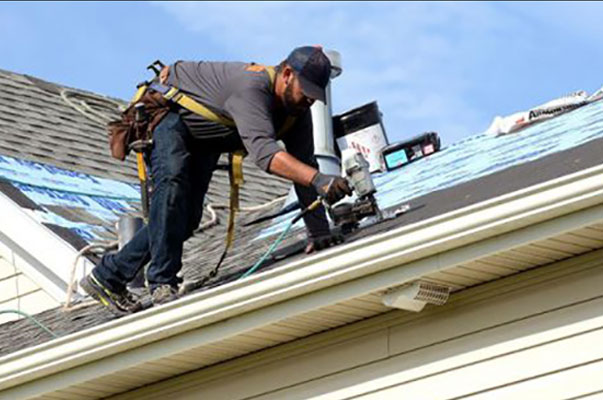
How to Choose the Right Meridian Roofing Contractor: A Homeowner’s Guide

Protecting Your Treasure Valley Home Starts at the Top

Your roof is your home’s first line of defense against the unpredictable Idaho weather. From blistering summer sun to heavy winter snow and sudden hailstorms, your roof bears the brunt of it all. When it’s time for a repair or a full replacement, choosing the right Meridian roofing contractor is the most important decision you’ll make. The quality of the workmanship and materials will determine the safety, value, and integrity of your property for years to come. This guide will walk you through the essential steps to find a trustworthy, skilled, and reliable roofing partner in Meridian, ID.

Key Qualities of a Top-Tier Roofing Contractor

Navigating the sea of construction companies can be overwhelming. To simplify your search, focus on contractors who demonstrate excellence in a few critical areas. A premier Boise roofing contractor will always prioritize quality, communication, and customer peace of mind.

  • Proper Licensing and Insurance

    This is non-negotiable. A reputable contractor must be fully licensed to operate in Idaho and carry both liability insurance and worker’s compensation. This protects you, the homeowner, from any liability in case of accidents on your property. Don’t hesitate to ask for proof of insurance before signing any contract.

  • Local Experience and Reputation

    A contractor with deep roots in the Treasure Valley understands local building codes and the specific challenges our climate presents. Look for a company with a strong local presence, positive online reviews, and a portfolio of completed projects in areas like Eagle and Meridian. A long-standing local business has a reputation to uphold, ensuring better service and accountability.

  • Expertise in Insurance Claims

    In Idaho, storm damage is a common reason for needing roof work. A contractor experienced in handling roof insurance claims is an invaluable asset. They can help identify damage, document it properly, and work directly with your insurance adjuster to ensure your claim is handled fairly and efficiently. This can save you thousands of dollars and countless headaches.

The Vetting Process: From Inspection to Installation

Once you have a shortlist of potential contractors, it’s time to dig deeper. A thorough vetting process ensures there are no surprises down the line. It starts with a comprehensive inspection and a detailed estimate.

Step 1: The Initial Roof Inspection

A professional inspection is more than a quick look from the ground. A qualified inspector should safely get on your roof to assess its condition thoroughly. They’ll look for signs of wind and hail damage, check for missing or cracked shingles, examine flashing around chimneys and vents, and look for signs of water leaks in your attic. Team Construction offers a complimentary, no-obligation roof inspection to give you a clear picture of your roof’s health.

Step 2: Understanding the Estimate

Never accept a verbal quote. A professional estimate should be a detailed, written document that breaks down all costs, including materials, labor, permits, and cleanup. It should also specify the type and brand of materials to be used, from shingles to underlayment. Compare estimates from at least three different contractors, but remember that the lowest bid isn’t always the best value. Quality materials and superior workmanship are worth the investment for residential roofing.

Comparing Contractor Bids: What to Look For

Feature Low-Cost Bidder Professional Contractor
Estimate Detail Often vague, verbal, or lacks a full cost breakdown. Written, itemized, and includes all aspects of the job.
Insurance May be uninsured or underinsured, putting you at risk. Fully licensed and insured (provides proof upon request).
Warranty Limited or no warranty on workmanship. Offers strong manufacturer and workmanship warranties.
Local Experience May be an out-of-town “storm chaser.” Established in the Meridian/Boise area with a local office.

Did You Know?

  • Regular roof inspections can extend the life of your roof by catching minor issues before they become major, costly problems like a full roof repair.
  • Proper attic ventilation is crucial for a roof’s longevity in Idaho. It helps prevent ice dams in the winter and reduces heat buildup in the summer.
  • Many homeowner’s insurance policies have a time limit for filing a claim after a storm. Promptly calling a contractor for an inspection is critical after a hail or wind event.

The Meridian Advantage: Why Local Matters

Choosing a local, Meridian-based contractor like Team Construction offers distinct advantages. We aren’t just a business; we’re your neighbors. We understand the specific concerns of property owners in the Treasure Valley, from the materials that best withstand our four-season climate to the architectural styles prevalent in our communities. Whether you own a home near Settlers Park or a commercial building downtown, we have the local expertise to deliver results that last. Our services extend beyond roofing to include siding, windows, and full-scale remodels, making us a one-stop-shop for your exterior construction needs.

Ready for a Roofing Partner You Can Trust?

Don’t leave the integrity of your home to chance. Team Construction is dedicated to providing Meridian homeowners and businesses with quality workmanship, honest communication, and lasting peace of mind. Schedule your free, no-obligation roof inspection today.

Get Your Free Estimate

Frequently Asked Questions

How do I know if I need a roof repair or a full replacement?

The best way to know for sure is with a professional inspection. Minor issues like a few missing shingles or small leaks can often be repaired. However, if your roof is over 20 years old, has widespread damage, or shows signs of significant granule loss, a replacement is likely the more cost-effective solution in the long run.

How long does a roof replacement take in Meridian?

For an average-sized residential home, a full roof replacement can typically be completed in 1-3 days, weather permitting. Larger or more complex projects, like those on commercial roofing systems, may take longer. We provide a clear timeline before any work begins.

Will you help me with my insurance claim after a storm?

Absolutely. Team Construction specializes in insurance restoration. We can meet with your insurance adjuster on-site, provide detailed documentation of the damage, and help ensure the process is as smooth and stress-free as possible for you.

What kind of warranty do you offer?

We stand by our work with robust warranties that cover both the materials used and our workmanship. We offer lifetime warranties on many of our products, giving you the ultimate confidence in your investment. We will explain the specific warranty details with your estimate.

Your Complete Guide to Residential Roofing in Nampa, Idaho

Protecting Your Nampa Home Starts at the Top

Your roof is your home’s first line of defense against the elements. Here in Nampa and across the Treasure Valley, our roofs endure hot, dry summers and cold, snowy winters. Understanding when and how to care for your roof is crucial for protecting your investment, ensuring your family’s comfort, and maintaining your home’s value. This guide walks you through the essentials of residential roofing, from spotting trouble signs to choosing the right materials for our unique Idaho climate.

When Does Your Roof Need Attention? Key Warning Signs

Most homeowners don’t think about their roof until a leak appears. Proactive inspection, however, can save you from costly emergency repairs and extensive interior damage. If you notice any of the following signs, it’s time to schedule a professional inspection.

  • Curling or Buckling Shingles: Shingles that are curling at the edges or buckling in the middle are often past their lifespan and are no longer providing adequate protection.
  • Missing Shingles: Strong Treasure Valley winds can lift and remove shingles, leaving your roof’s underlayment exposed to moisture and UV damage.
  • Granules in Gutters: Asphalt shingles have a top layer of granules for protection. Finding excessive amounts of these granules in your gutters is a clear sign that your roof is aging and deteriorating.
  • Water Stains or Drips: The most obvious sign of a problem is evidence of water infiltration. Check your attic and ceilings for dark spots, stains, or active drips, especially after rain or snowmelt. A timely roof repair can prevent minor issues from becoming major ones.
  • Daylight Through Roof Boards: If you can see daylight coming through the roof boards when you’re in your attic, you have an immediate problem that needs professional attention.

Ignoring these warning signs can lead to more significant issues over time. After a major storm with high winds or hail, it’s always wise to get a professional wind and hail damage inspection, even if you don’t see any immediate problems from the ground.

Choosing the Right Roofing Material for Your Nampa Home

The right material enhances curb appeal and provides lasting protection. The best choice depends on your budget, style preferences, and desired longevity. Here’s a look at popular options for homes in our area:

Material Pros Cons Ideal For Nampa Climate
Asphalt Shingles Cost-effective, versatile styles, easy to repair. Shorter lifespan (15-30 years), can be damaged by hail. A very popular and economical choice. Architectural shingles offer better durability against wind and sun.
Metal Roofing Extremely durable (50+ years), fire resistant, energy-efficient. Higher initial cost, can be noisy during rain if not properly insulated. Excellent for snow shedding in winter and reflecting heat in summer. Highly resistant to wind.
Composite Shingles Mimics look of slate/wood, durable, impact-resistant. More expensive than asphalt, quality varies by brand. Great all-around performance, offering superior resistance to hail and UV degradation.

The Roof Replacement Process: What to Expect

A full roof replacement is a significant project. Knowing the steps involved can help you prepare. As your local Nampa and Meridian roofing contractor, we follow a meticulous process:

  1. Comprehensive Inspection & Estimate: We start with a thorough assessment of your existing roof to determine the scope of work and provide a detailed, transparent estimate.
  2. Material Selection: We help you choose the best materials for your home’s aesthetic and your budget.
  3. Preparation: Your property is protected with tarps to catch debris and safeguard landscaping before any work begins.
  4. Tear-Off: The old roofing material is completely removed to expose the roof deck for inspection and necessary repairs.
  5. Installation: We install the new roofing system, including underlayment, flashing, and your chosen shingles or panels, according to manufacturer specifications.
  6. Cleanup & Final Inspection: The job site is thoroughly cleaned, and we conduct a final walkthrough to ensure your complete satisfaction.

Did You Know?

Proper attic ventilation is just as important as the roofing material itself. Without good airflow, heat and moisture can build up, drastically shortening your roof’s lifespan and increasing your energy bills. A professional roofing contractor will always assess your ventilation as part of a roof inspection.

Navigating Insurance Claims in Nampa

Storm damage is a reality in Idaho. Hail and high winds can wreak havoc on a roof. Navigating the aftermath and dealing with insurance can be overwhelming. A reputable contractor can be your greatest ally. At Team Construction, we specialize in roof insurance claims. We document damage, meet with adjusters, and ensure all necessary repairs are covered, simplifying the restoration process for you. From Nampa to Eagle, we help homeowners restore their properties efficiently.

Ready to Protect Your Home?

Don’t wait for a small issue to become a major headache. Get a free, no-obligation roof inspection from the trusted local experts at Team Construction.

Get Your Free Estimate Today

Frequently Asked Questions

How long should a residential roof last in Idaho?

The lifespan depends heavily on the material. Standard asphalt shingle roofs typically last 15-25 years in the Treasure Valley climate. Architectural shingles can last 25-30 years, while a properly installed metal roof can last 50 years or more.

Can my roof be repaired, or does it need to be replaced?

This depends on the age of your roof and the extent of the damage. A few missing shingles on a relatively new roof can often be repaired. However, if the roof is over 15-20 years old and has widespread issues like curling shingles or extensive granule loss, a full replacement is usually the more cost-effective solution in the long run. We provide honest assessments to help you decide on services like Boise roof repair or replacement.

How much does a new roof cost in Nampa?

The cost varies based on the size and slope of your roof, the materials you choose, and the complexity of the job. The best way to get an accurate figure is to schedule a free, on-site estimate. We provide detailed quotes with no hidden fees.

Do you work on commercial properties as well?

Yes, we do. While this guide focuses on residential roofing, Team Construction is a full-service contractor with extensive experience in commercial roofing for businesses throughout the Treasure Valley.

Roofing Terms You Should Know

Deck/Sheathing

The plywood or OSB board that makes up the framing of the roof, to which the underlayment and shingles are attached.

Flashing

Pieces of metal used to prevent water from seeping into critical areas of the roof, such as valleys or around chimneys, vents, and skylights.

Underlayment

A layer of water-resistant material placed between the roof deck and the shingles to serve as a secondary barrier against moisture.

Architectural Shingles

Also known as dimensional or laminate shingles, these are asphalt shingles that are thicker and heavier than traditional 3-tab shingles, providing a more textured, high-definition look and greater durability.

A Business Owner’s Guide to Commercial Roofing in Eagle, Idaho

Protecting Your Investment from the Top Down

For business owners and property managers in Eagle, Idaho, the roof over your head is more than just a structure; it’s a critical asset that protects your inventory, equipment, employees, and customers. A compromised commercial roof can lead to costly operational disruptions, water damage, and structural issues. Understanding the fundamentals of commercial roofing systems, maintenance, and when to call in the professionals is key to safeguarding your business and ensuring its long-term success in the Treasure Valley.


Understanding Commercial Roofing Systems

Unlike many residential roofs, commercial roofs are often flat or low-sloped, which presents unique challenges and requires specialized materials and installation techniques. The right system for your Eagle-based business depends on your building’s structure, your budget, and the specific demands of our local climate, from hot, dry summers to cold, snowy winters. Here are some of the most common types of commercial roofing systems:

TPO (Thermoplastic Olefin) Roofing

TPO is a single-ply roofing membrane that has become incredibly popular for its energy efficiency and durability. Its white, reflective surface helps to reduce cooling costs during Idaho’s sunny summers by reflecting UV rays. TPO is also resistant to punctures, tears, and chemical exposure, making it a robust choice for a variety of commercial building types.

EPDM (Ethylene Propylene Diene Monomer) Roofing

Often referred to as a “rubber roof,” EPDM is another single-ply membrane known for its exceptional durability and long lifespan, often lasting 30 years or more with proper maintenance. It’s a cost-effective solution that holds up well against hail and temperature fluctuations. While traditionally black, EPDM is also available in lighter colors to offer some reflective properties.

Metal Roofing

Metal roofing is a premium option valued for its longevity, fire resistance, and superior strength. While the initial investment is higher, a metal roof can last 50 years or longer. It’s an excellent choice for businesses in areas like Eagle or Meridian that can experience heavy snowfall, as it sheds snow easily, reducing the weight load on the building’s structure.

Modified Bitumen

This is an asphalt-based roofing system designed for low-slope or flat roofs. It consists of multiple layers, providing excellent waterproofing and durability. Its tear-resistance makes it suitable for roofs that experience heavy foot traffic from HVAC maintenance crews or other technicians.


Proactive Maintenance vs. Reactive Repairs

The most significant mistake a property manager can make is adopting a “set it and forget it” mentality with their roof. Proactive maintenance is always more cost-effective than emergency repairs. The harsh Treasure Valley weather—from intense sun and high winds to hail and snow—takes a toll. A minor issue like a small puncture or a clogged drain can quickly escalate into extensive water damage and expensive structural problems.

Regular professional inspections are crucial. A trained contractor can identify potential weak points, address small damages before they worsen, and ensure your drainage systems are clear and functional. This not only extends the life of your roof but also prevents unexpected disruptions to your business. If a storm does hit, it’s vital to get a professional assessment for wind and hail damage right away to prevent further issues and to start the insurance process.

Commercial vs. Residential Roofing: A Quick Comparison

While both protect a property, their design and challenges differ significantly. Understanding these differences highlights why a specialized commercial contractor is essential for your business.

Feature Commercial Roofing Residential Roofing
Slope Typically flat or very low slope. Steeply sloped to facilitate water runoff.
Drainage Complex systems with internal drains, scuppers, and gutters. Simple gravity-fed system with gutters and downspouts.
Materials TPO, EPDM, Metal, Modified Bitumen. Asphalt Shingles, Tile, Metal, Wood Shakes.
Maintenance Requires regular professional inspections and maintenance plans. Less frequent professional inspections, often prompted by visible issues.

Did You Know?

  • A white, reflective “cool roof” can lower a commercial building’s roof surface temperature by up to 50°F, significantly reducing air conditioning costs.
  • Most commercial roof warranties require proof of regular professional maintenance to remain valid. Skipping inspections could void your warranty when you need it most.
  • Water collecting in one area of a flat roof, known as “ponding,” can add thousands of pounds of stress to your building’s structure, in addition to accelerating roof deterioration.

The Eagle, Idaho Advantage: Working with a Local Contractor

Choosing a local roofing contractor who understands the specific challenges of Eagle, Boise, and the Treasure Valley is paramount. A local company like Team Construction is familiar with municipal building codes and permitting processes. We have firsthand experience with the local climate and know which roofing materials and techniques perform best here. When storm damage occurs, a local team can provide a rapid response for emergency repairs, helping to mitigate damage quickly.

Furthermore, working with a local contractor means you are supporting the local economy. It also means accountability; our reputation in the community is our most valuable asset. Whether you need a full new roof installation, a minor repair, or help navigating complex roof insurance claims, a trusted local partner makes all the difference.

Protect Your Business with an Expert Team

Don’t wait for a leak to think about your roof. Schedule a complimentary, no-obligation inspection for your commercial property in Eagle or the surrounding Treasure Valley. Our experts will assess your roof’s condition and provide a clear, honest evaluation.

Get Your Free Estimate

Frequently Asked Questions (FAQ)

How often should I have my commercial roof inspected?

We recommend a professional inspection at least twice a year—typically in the spring and fall—to prepare for the upcoming harsh weather seasons. An inspection is also critical after any significant weather event, like a major hail or wind storm.

How long does a commercial roof last?

The lifespan depends heavily on the material and quality of maintenance. A well-maintained EPDM or TPO roof can last 20-30 years, while a metal roof can last 50 years or more. Regular maintenance is the single most important factor in maximizing that lifespan.

Can my commercial roof be repaired, or does it need to be replaced?

This depends on the age of the roof and the extent of the damage. For localized issues on a relatively new roof, a professional roof repair is often sufficient. If the damage is widespread, or the roof is nearing the end of its service life, a full replacement is usually the more cost-effective long-term solution.

Will a new roof installation disrupt my business operations?

A professional commercial roofing contractor will work with you to create a project plan that minimizes disruption. At Team Construction, we prioritize safety and efficiency to ensure your business can continue operating as smoothly as possible during the roofing process.

Glossary of Terms

Single-Ply Membrane: A type of roofing material made of flexible sheets of compounded synthetic materials, like TPO or EPDM, used to cover and protect flat and low-sloped buildings.

Low-Slope Roof: A roof with a pitch of less than 3:12. These roofs do not shed water as quickly as steep-sloped roofs and require specific waterproofing materials.

Flashing: Pieces of metal or other impermeable material installed to prevent the passage of water into a structure from a joint or as part of a weather-resistant barrier system.

Ponding Water: Water that remains on a roof surface for 48 hours or longer after rainfall, indicating a potential drainage problem.

Scupper: An opening in the side of a building, at the edge of the roof, designed to allow water to drain off instead of collecting.