Your Complete Guide to Residential Roofing in Nampa, Idaho

Protecting Your Nampa Home Starts at the Top

Your roof is your home’s first line of defense against the elements. Here in Nampa and across the Treasure Valley, our roofs endure hot, dry summers and cold, snowy winters. Understanding when and how to care for your roof is crucial for protecting your investment, ensuring your family’s comfort, and maintaining your home’s value. This guide walks you through the essentials of residential roofing, from spotting trouble signs to choosing the right materials for our unique Idaho climate.

When Does Your Roof Need Attention? Key Warning Signs

Most homeowners don’t think about their roof until a leak appears. Proactive inspection, however, can save you from costly emergency repairs and extensive interior damage. If you notice any of the following signs, it’s time to schedule a professional inspection.

  • Curling or Buckling Shingles: Shingles that are curling at the edges or buckling in the middle are often past their lifespan and are no longer providing adequate protection.
  • Missing Shingles: Strong Treasure Valley winds can lift and remove shingles, leaving your roof’s underlayment exposed to moisture and UV damage.
  • Granules in Gutters: Asphalt shingles have a top layer of granules for protection. Finding excessive amounts of these granules in your gutters is a clear sign that your roof is aging and deteriorating.
  • Water Stains or Drips: The most obvious sign of a problem is evidence of water infiltration. Check your attic and ceilings for dark spots, stains, or active drips, especially after rain or snowmelt. A timely roof repair can prevent minor issues from becoming major ones.
  • Daylight Through Roof Boards: If you can see daylight coming through the roof boards when you’re in your attic, you have an immediate problem that needs professional attention.

Ignoring these warning signs can lead to more significant issues over time. After a major storm with high winds or hail, it’s always wise to get a professional wind and hail damage inspection, even if you don’t see any immediate problems from the ground.

Choosing the Right Roofing Material for Your Nampa Home

The right material enhances curb appeal and provides lasting protection. The best choice depends on your budget, style preferences, and desired longevity. Here’s a look at popular options for homes in our area:

Material Pros Cons Ideal For Nampa Climate
Asphalt Shingles Cost-effective, versatile styles, easy to repair. Shorter lifespan (15-30 years), can be damaged by hail. A very popular and economical choice. Architectural shingles offer better durability against wind and sun.
Metal Roofing Extremely durable (50+ years), fire resistant, energy-efficient. Higher initial cost, can be noisy during rain if not properly insulated. Excellent for snow shedding in winter and reflecting heat in summer. Highly resistant to wind.
Composite Shingles Mimics look of slate/wood, durable, impact-resistant. More expensive than asphalt, quality varies by brand. Great all-around performance, offering superior resistance to hail and UV degradation.

The Roof Replacement Process: What to Expect

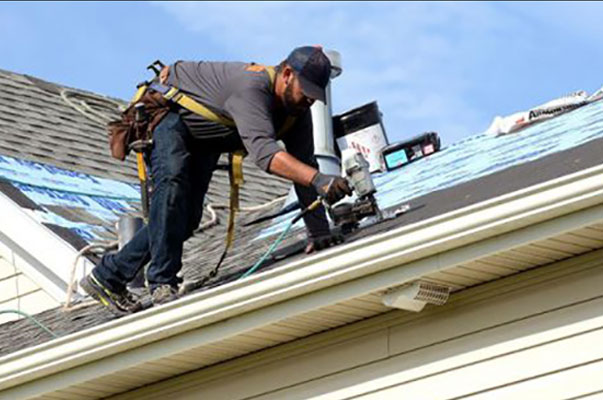
A full roof replacement is a significant project. Knowing the steps involved can help you prepare. As your local Nampa and Meridian roofing contractor, we follow a meticulous process:

  1. Comprehensive Inspection & Estimate: We start with a thorough assessment of your existing roof to determine the scope of work and provide a detailed, transparent estimate.
  2. Material Selection: We help you choose the best materials for your home’s aesthetic and your budget.
  3. Preparation: Your property is protected with tarps to catch debris and safeguard landscaping before any work begins.
  4. Tear-Off: The old roofing material is completely removed to expose the roof deck for inspection and necessary repairs.
  5. Installation: We install the new roofing system, including underlayment, flashing, and your chosen shingles or panels, according to manufacturer specifications.
  6. Cleanup & Final Inspection: The job site is thoroughly cleaned, and we conduct a final walkthrough to ensure your complete satisfaction.

Did You Know?

Proper attic ventilation is just as important as the roofing material itself. Without good airflow, heat and moisture can build up, drastically shortening your roof’s lifespan and increasing your energy bills. A professional roofing contractor will always assess your ventilation as part of a roof inspection.

Navigating Insurance Claims in Nampa

Storm damage is a reality in Idaho. Hail and high winds can wreak havoc on a roof. Navigating the aftermath and dealing with insurance can be overwhelming. A reputable contractor can be your greatest ally. At Team Construction, we specialize in roof insurance claims. We document damage, meet with adjusters, and ensure all necessary repairs are covered, simplifying the restoration process for you. From Nampa to Eagle, we help homeowners restore their properties efficiently.

Ready to Protect Your Home?

Don’t wait for a small issue to become a major headache. Get a free, no-obligation roof inspection from the trusted local experts at Team Construction.

Get Your Free Estimate Today

Frequently Asked Questions

How long should a residential roof last in Idaho?

The lifespan depends heavily on the material. Standard asphalt shingle roofs typically last 15-25 years in the Treasure Valley climate. Architectural shingles can last 25-30 years, while a properly installed metal roof can last 50 years or more.

Can my roof be repaired, or does it need to be replaced?

This depends on the age of your roof and the extent of the damage. A few missing shingles on a relatively new roof can often be repaired. However, if the roof is over 15-20 years old and has widespread issues like curling shingles or extensive granule loss, a full replacement is usually the more cost-effective solution in the long run. We provide honest assessments to help you decide on services like Boise roof repair or replacement.

How much does a new roof cost in Nampa?

The cost varies based on the size and slope of your roof, the materials you choose, and the complexity of the job. The best way to get an accurate figure is to schedule a free, on-site estimate. We provide detailed quotes with no hidden fees.

Do you work on commercial properties as well?

Yes, we do. While this guide focuses on residential roofing, Team Construction is a full-service contractor with extensive experience in commercial roofing for businesses throughout the Treasure Valley.

Roofing Terms You Should Know

Deck/Sheathing

The plywood or OSB board that makes up the framing of the roof, to which the underlayment and shingles are attached.

Flashing

Pieces of metal used to prevent water from seeping into critical areas of the roof, such as valleys or around chimneys, vents, and skylights.

Underlayment

A layer of water-resistant material placed between the roof deck and the shingles to serve as a secondary barrier against moisture.

Architectural Shingles

Also known as dimensional or laminate shingles, these are asphalt shingles that are thicker and heavier than traditional 3-tab shingles, providing a more textured, high-definition look and greater durability.
A Business Owner’s Guide to Commercial Roofing in Eagle, Idaho

Protecting Your Investment from the Top Down

For business owners and property managers in Eagle, Idaho, the roof over your head is more than just a structure; it’s a critical asset that protects your inventory, equipment, employees, and customers. A compromised commercial roof can lead to costly operational disruptions, water damage, and structural issues. Understanding the fundamentals of commercial roofing systems, maintenance, and when to call in the professionals is key to safeguarding your business and ensuring its long-term success in the Treasure Valley.


Understanding Commercial Roofing Systems

Unlike many residential roofs, commercial roofs are often flat or low-sloped, which presents unique challenges and requires specialized materials and installation techniques. The right system for your Eagle-based business depends on your building’s structure, your budget, and the specific demands of our local climate, from hot, dry summers to cold, snowy winters. Here are some of the most common types of commercial roofing systems:

TPO (Thermoplastic Olefin) Roofing

TPO is a single-ply roofing membrane that has become incredibly popular for its energy efficiency and durability. Its white, reflective surface helps to reduce cooling costs during Idaho’s sunny summers by reflecting UV rays. TPO is also resistant to punctures, tears, and chemical exposure, making it a robust choice for a variety of commercial building types.

EPDM (Ethylene Propylene Diene Monomer) Roofing

Often referred to as a “rubber roof,” EPDM is another single-ply membrane known for its exceptional durability and long lifespan, often lasting 30 years or more with proper maintenance. It’s a cost-effective solution that holds up well against hail and temperature fluctuations. While traditionally black, EPDM is also available in lighter colors to offer some reflective properties.

Metal Roofing

Metal roofing is a premium option valued for its longevity, fire resistance, and superior strength. While the initial investment is higher, a metal roof can last 50 years or longer. It’s an excellent choice for businesses in areas like Eagle or Meridian that can experience heavy snowfall, as it sheds snow easily, reducing the weight load on the building’s structure.

Modified Bitumen

This is an asphalt-based roofing system designed for low-slope or flat roofs. It consists of multiple layers, providing excellent waterproofing and durability. Its tear-resistance makes it suitable for roofs that experience heavy foot traffic from HVAC maintenance crews or other technicians.


Proactive Maintenance vs. Reactive Repairs

The most significant mistake a property manager can make is adopting a “set it and forget it” mentality with their roof. Proactive maintenance is always more cost-effective than emergency repairs. The harsh Treasure Valley weather—from intense sun and high winds to hail and snow—takes a toll. A minor issue like a small puncture or a clogged drain can quickly escalate into extensive water damage and expensive structural problems.

Regular professional inspections are crucial. A trained contractor can identify potential weak points, address small damages before they worsen, and ensure your drainage systems are clear and functional. This not only extends the life of your roof but also prevents unexpected disruptions to your business. If a storm does hit, it’s vital to get a professional assessment for wind and hail damage right away to prevent further issues and to start the insurance process.

Commercial vs. Residential Roofing: A Quick Comparison

While both protect a property, their design and challenges differ significantly. Understanding these differences highlights why a specialized commercial contractor is essential for your business.

Feature Commercial Roofing Residential Roofing
Slope Typically flat or very low slope. Steeply sloped to facilitate water runoff.
Drainage Complex systems with internal drains, scuppers, and gutters. Simple gravity-fed system with gutters and downspouts.
Materials TPO, EPDM, Metal, Modified Bitumen. Asphalt Shingles, Tile, Metal, Wood Shakes.
Maintenance Requires regular professional inspections and maintenance plans. Less frequent professional inspections, often prompted by visible issues.

Did You Know?

  • A white, reflective “cool roof” can lower a commercial building’s roof surface temperature by up to 50°F, significantly reducing air conditioning costs.
  • Most commercial roof warranties require proof of regular professional maintenance to remain valid. Skipping inspections could void your warranty when you need it most.
  • Water collecting in one area of a flat roof, known as “ponding,” can add thousands of pounds of stress to your building’s structure, in addition to accelerating roof deterioration.

The Eagle, Idaho Advantage: Working with a Local Contractor

Choosing a local roofing contractor who understands the specific challenges of Eagle, Boise, and the Treasure Valley is paramount. A local company like Team Construction is familiar with municipal building codes and permitting processes. We have firsthand experience with the local climate and know which roofing materials and techniques perform best here. When storm damage occurs, a local team can provide a rapid response for emergency repairs, helping to mitigate damage quickly.

Furthermore, working with a local contractor means you are supporting the local economy. It also means accountability; our reputation in the community is our most valuable asset. Whether you need a full new roof installation, a minor repair, or help navigating complex roof insurance claims, a trusted local partner makes all the difference.

Protect Your Business with an Expert Team

Don’t wait for a leak to think about your roof. Schedule a complimentary, no-obligation inspection for your commercial property in Eagle or the surrounding Treasure Valley. Our experts will assess your roof’s condition and provide a clear, honest evaluation.

Get Your Free Estimate

Frequently Asked Questions (FAQ)

How often should I have my commercial roof inspected?

We recommend a professional inspection at least twice a year—typically in the spring and fall—to prepare for the upcoming harsh weather seasons. An inspection is also critical after any significant weather event, like a major hail or wind storm.

How long does a commercial roof last?

The lifespan depends heavily on the material and quality of maintenance. A well-maintained EPDM or TPO roof can last 20-30 years, while a metal roof can last 50 years or more. Regular maintenance is the single most important factor in maximizing that lifespan.

Can my commercial roof be repaired, or does it need to be replaced?

This depends on the age of the roof and the extent of the damage. For localized issues on a relatively new roof, a professional roof repair is often sufficient. If the damage is widespread, or the roof is nearing the end of its service life, a full replacement is usually the more cost-effective long-term solution.

Will a new roof installation disrupt my business operations?

A professional commercial roofing contractor will work with you to create a project plan that minimizes disruption. At Team Construction, we prioritize safety and efficiency to ensure your business can continue operating as smoothly as possible during the roofing process.

Glossary of Terms

Single-Ply Membrane: A type of roofing material made of flexible sheets of compounded synthetic materials, like TPO or EPDM, used to cover and protect flat and low-sloped buildings.

Low-Slope Roof: A roof with a pitch of less than 3:12. These roofs do not shed water as quickly as steep-sloped roofs and require specific waterproofing materials.

Flashing: Pieces of metal or other impermeable material installed to prevent the passage of water into a structure from a joint or as part of a weather-resistant barrier system.

Ponding Water: Water that remains on a roof surface for 48 hours or longer after rainfall, indicating a potential drainage problem.

Scupper: An opening in the side of a building, at the edge of the roof, designed to allow water to drain off instead of collecting.

Choosing the Right Roofing Contractor in Eagle, Idaho: A Homeowner’s Guide

Protecting Your Home Starts at the Top

Your roof is your home’s first line of defense against the elements. From scorching summer sun to Treasure Valley winter storms, it works tirelessly to keep your family safe and comfortable. Finding a trustworthy and skilled Eagle, Idaho roofing contractor is one of the most important decisions you’ll make as a homeowner. This guide will walk you through the essential steps to ensure you partner with a professional team that delivers quality workmanship and peace of mind.

Recognizing the Signs: When Do You Need a Roofing Professional?

Before you can hire a contractor, you need to know when to call one. Some signs of roof distress are obvious, while others are more subtle. Performing a safe, ground-level inspection of your roof seasonally and after major weather events can help you spot trouble early. If you notice any of the following issues, it’s time to schedule a professional roof inspection.

Interior Warning Signs

  • ✓ Water stains on ceilings or walls
  • ✓ Peeling paint near the roofline
  • ✓ Unexplained drafts or spikes in energy bills
  • ✓ Sagging roof deck visible from the attic

Exterior Warning Signs

  • ✓ Missing, cracked, or curling shingles
  • ✓ Excessive granules from shingles in your gutters
  • ✓ Damaged or rusted flashing around vents and chimneys
  • ✓ Moss, algae, or mold growth

Even if you don’t see obvious issues, an aging roof (typically 20+ years old) warrants a professional evaluation. An expert can identify underlying problems before they escalate into costly repairs. If you suspect any wind and hail damage, it’s crucial to call for a complimentary inspection promptly.

How to Select a Top-Tier Roofing Contractor in Eagle

Choosing the right contractor involves more than just picking the lowest bidder. Your goal is to find a reliable partner who will protect your investment. Here are key steps to guide your decision-making process.

1. Prioritize Local Expertise

A local contractor, like one based in the Treasure Valley, understands the specific challenges our climate presents. They are familiar with local building codes, permit requirements, and have established relationships with local suppliers. A company with a physical office and a long history in areas like Boise and Meridian is accountable and accessible.

2. Verify Licensing and Insurance

This is non-negotiable. A reputable contractor must have both liability insurance and workers’ compensation coverage. Liability insurance protects your property from damage, while workers’ comp covers their crew in case of injury on your property. Ask for proof of both and verify that they are current. This protects you from significant financial risk.

3. Look for Experience and Specialization

Experience matters. A contractor who has been in business for many years has a proven track record. Check if they specialize in both residential roofing and commercial projects, as this indicates a broad range of skills. If you’re dealing with storm damage, find a contractor experienced with roof insurance claims to help streamline the process.

4. Ask About Warranties

Trustworthy contractors stand behind their work. There are two types of warranties: one from the material manufacturer and one from the contractor covering the workmanship. A strong workmanship warranty is a sign of a confident and skilled team. Lifetime warranties offer the greatest long-term protection for your investment.

5. Get Everything in Writing

Never proceed with a verbal agreement. A professional contractor will provide a detailed, written estimate or contract that outlines the scope of work, materials to be used, project timeline, payment schedule, and total cost. This document protects both you and the contractor and prevents misunderstandings.

Did You Know? Quick Roofing Facts

Ventilation is Key: Proper attic ventilation can extend the life of your roof by preventing heat and moisture buildup, which can warp decking and damage shingles.

Color Matters: Lighter-colored shingles can reflect more sunlight, potentially reducing your cooling costs during Eagle’s hot summers. This is often referred to as a “cool roof.”

Insurance Discounts: Installing an impact-resistant roof might qualify you for a discount on your homeowner’s insurance premium. Ask your insurance agent for details.

The Eagle, Idaho Advantage: Why Local Matters

Working with a local Eagle or Treasure Valley contractor like Team Construction provides distinct advantages. We aren’t just a faceless company; we are your neighbors. Our reputation is built on serving communities from Meridian to Eagle with integrity. We understand the specific weather patterns, from windstorms to heavy snowfall, and recommend roofing systems proven to perform well here. Being local means we’re here to honor our warranties and provide follow-up service long after the job is done. When you need a roof repair in an emergency, a local team can respond quickly to protect your property from further damage.

Ready to Protect Your Investment?

Don’t wait for a small leak to become a major problem. Whether you need a routine inspection, a minor repair, or a full roof replacement, Team Construction is ready to help. Our experienced team provides quality workmanship with premium materials, ensuring your home is protected for years to come.

Get Your Free Estimate Today

Frequently Asked Questions (FAQ)

How long does a roof replacement take?

The timeline for a roof replacement varies depending on the size and complexity of your roof, as well as the weather. However, an average-sized residential roof can often be replaced in 1 to 3 days by an efficient, professional crew.

Can my roof be repaired, or do I need a full replacement?

This depends on the age of the roof and the extent of the damage. Small, isolated issues on a relatively new roof can often be repaired. Widespread damage, multiple leaks, or an old roof near the end of its lifespan typically requires a full replacement for long-term reliability. A professional roofing service can provide an honest assessment.

Will you help me with my insurance claim?

Absolutely. A full-service contractor should assist you with the insurance claim process. At Team Construction, we have extensive experience working with insurance companies for storm damage claims. We can help document the damage and streamline communication to ensure your claim is handled properly and you receive the coverage you’re entitled to.

What kind of roofing materials do you offer?

We offer a wide variety of high-quality roofing materials to suit different styles and budgets, including architectural asphalt shingles, which are popular for their durability and aesthetic appeal. We can discuss the best options for your specific home and needs during your free consultation.

Glossary of Roofing Terms

Decking (or Sheathing): The wooden boards that make up the framing of the roof, to which the shingles and other materials are attached.

Drip Edge: A piece of metal flashing installed at the edges of the roof to help control the flow of water away from the fascia.

Flashing: Pieces of metal or other material used to prevent water from seeping into junctions, such as where a chimney meets the roof.

Granules: The ceramic-coated particles on the top surface of asphalt shingles that protect them from UV rays and add color.

Underlayment: A layer of water-resistant material placed between the roof decking and the shingles as an added layer of protection.

Valley: The internal angle formed by the intersection of two sloping roof planes, where water concentrates.