A Homeowner’s Guide to Residential Roofing in Boise

Protecting Your Greatest Asset from the Treasure Valley Elements

Your roof is your home’s first line of defense against Boise’s distinct four seasons, from hot summer sun and high winds to heavy snow and hail. A durable, well-maintained roof is essential for protecting your property’s value and ensuring your family’s safety. But how do you know when it’s time for a repair or a full replacement? This guide provides Treasure Valley homeowners with the essential knowledge needed to make informed decisions about their residential roofing, covering everything from identifying problems to choosing the right materials for our unique Idaho climate.

Key Signs Your Boise Roof Needs Professional Attention

Performing a visual inspection from the ground a few times a year can help you spot potential issues before they become costly problems. Look for these common warning signs that indicate it’s time to call a professional for a closer look.

Curling or Buckling Shingles

Shingles that are curling at the edges or buckling in the middle are often a sign of advanced age or excessive heat exposure. This compromises their ability to shed water and makes your roof vulnerable to leaks.

Missing Shingles or Granule Loss

Boise’s high winds can easily lift and remove aging or improperly installed shingles. You might also notice an accumulation of asphalt granules in your gutters. These granules protect the shingle from UV rays, and their loss indicates the roof is nearing the end of its lifespan.

Ceiling Stains and Water Leaks

The most obvious sign of roof failure is water intrusion. Stains on your ceiling, damp spots in the attic, or active drips are urgent indicators that you need an immediate roof repair. Don’t delay, as prolonged moisture can lead to structural damage and mold growth.

Damaged Flashing

Flashing consists of metal pieces installed around chimneys, vents, and skylights to prevent water from seeping into these vulnerable joints. If it’s cracked, bent, or rusted, its protective seal is compromised.

The Roof’s Age

A typical asphalt shingle roof lasts about 20-25 years. If your roof is approaching this age, even if it looks okay from the ground, it may be time to start planning for a replacement before serious problems arise.

Choosing the Right Roofing Material for Idaho’s Climate

Selecting the right material is a balance of aesthetics, budget, and performance. Here in the Treasure Valley, we need materials that can handle intense sun, high winds, hail, and the weight of snow. Here’s a look at popular choices for Boise roofing projects.

Material Lifespan Pros Cons
Asphalt Shingles 20-30 years Cost-effective, wide variety of colors and styles, easy to install and repair. Shorter lifespan than other materials, susceptible to wind and hail damage over time.
Metal Roofing 40-70 years Extremely durable, excellent resistance to wind and fire, energy-efficient, lightweight. Higher upfront cost, can be dented by severe hail, installation requires specialized expertise.
Architectural Shingles 30-50 years Thicker and more durable than T-lock Shingles, creates a dimensional look, better wind resistance. More expensive than standard asphalt shingles.

Navigating Storm Damage in Boise

Unfortunately, hail and high winds are a reality in Boise, Meridian, and across the Treasure Valley. After a severe storm, it’s crucial to have your roof inspected by a professional. Subtle wind and hail damage, like bruising or cracking, isn’t always visible from the ground but can lead to significant problems later. A qualified local contractor can identify storm-related issues and document the damage properly.

Furthermore, dealing with insurance providers can be a complex process. Working with a restoration expert who understands roof insurance claims can make a significant difference. A seasoned contractor can meet with your insurance adjuster on-site, ensure all damage is accounted for, and help you navigate the paperwork to restore your home correctly and efficiently.

Ready to Secure Your Home with a Reliable Roof?

Whether you have a leak, suspect storm damage, or know it’s time for a replacement, don’t wait. The experienced team at Team Construction is ready to provide a free, no-obligation roof inspection for your Boise home.

Get Your Free Estimate

Frequently Asked Questions

How long does a roof replacement take?

For an average-sized home in Boise, a full residential roof replacement typically takes 1-3 days, depending on the weather, the complexity of the roof, and the materials being used.

Can my roof be repaired, or does it need to be fully replaced?

This depends on the extent and nature of the damage. Small, isolated issues like a few missing shingles can often be repaired. However, if the damage is widespread, the roof is old, or there are multiple layers of existing shingles, a full replacement is usually the most cost-effective long-term solution.

How do I know if my roof has hail damage?

Hail damage on asphalt shingles often looks like dark, random bruising or dents where the granules have been knocked off. You may also see damage to gutters, vents, and siding. The safest way to know for sure is to schedule a professional roof inspection, as hail damage can be difficult to spot from the ground.

What does a ‘lifetime warranty’ for roofing mean?

A lifetime warranty typically refers to the manufacturer’s warranty on the shingles against defects. It’s important to understand the specific terms, including whether it’s prorated and what it covers. Additionally, your contractor should offer a separate workmanship warranty, which covers the quality of the installation itself.
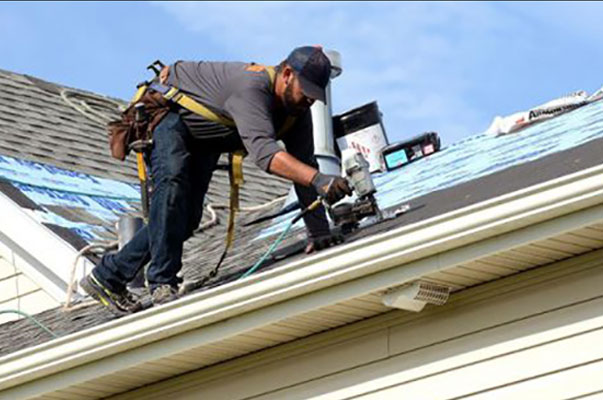
Choosing the Right Roofing Contractor in Eagle, ID: A Homeowner’s Guide

Your Home’s First Line of Defense Deserves an Expert

Your home in Eagle, Idaho is one of your most significant investments, and its roof is the primary shield against the Treasure Valley’s diverse weather—from scorching summer sun to heavy winter snow and unexpected hailstorms. Choosing the right local Idaho roofing contractor is not just about repairs or installation; it’s about ensuring your family’s safety and your home’s long-term value. This guide will walk you through the essential steps to find a trustworthy, professional, and reliable roofing expert who understands the unique needs of Eagle homeowners.

What Sets a Professional Roofer Apart?

In a growing community like Eagle, it can be challenging to distinguish a truly professional contractor from the rest. Here are the key qualifications that matter most.

Licensing and Insurance: The Non-Negotiables

Before any other consideration, verify that your contractor is properly credentialed. In Idaho, roofing contractors must be registered with the Idaho Contractors Board. This registration confirms they have met state requirements, including carrying essential insurance. Always ask for proof of:

  • General Liability Insurance: This protects your property from damage caused during the project.
  • Worker’s Compensation Insurance: This protects you from liability if a worker is injured on your property.

A reputable contractor, like Team Construction, will readily provide these documents. This is your assurance that you are working with a legitimate business dedicated to protecting both their team and their clients.

Local Experience Matters in Eagle

A contractor with deep roots in the Treasure Valley understands local challenges that others might overlook. This includes knowledge of specific municipal building codes, common weather patterns like high winds and hail, and which roofing materials perform best in our climate. A local Eagle roofing company is also more accountable, as their reputation within the community is vital to their success.

The Importance of a Comprehensive Estimate

A professional estimate should be more than just a number on a piece of paper. It should be a detailed, written document that clearly outlines the scope of work. Look for an itemized breakdown that includes:

  • Cost of materials and labor
  • Specific products and materials to be used
  • Project timeline from start to completion
  • Cleanup procedures
  • Payment terms and schedule

This transparency prevents misunderstandings and ensures you know exactly what you are paying for, with no hidden fees.

Did You Know?

A small, unnoticed roof leak can cause significant damage. A leak of just one drop per second can add up to over 3,000 gallons of water in a single year. This moisture can lead to mold growth, rotted framing, and damaged insulation, which is why regular inspections by a professional Boise roofing contractor are so critical for your home’s health.

Your 5-Step Checklist for Vetting a Roofing Contractor

Use this simple checklist to guide your decision-making process and ensure you hire the best team for the job.

1. Verify Credentials

Confirm their registration with the Idaho Contractors Board and ask for copies of their insurance certificates. A professional will have these readily available.

2. Check Local References

Ask for a list of recent projects completed in or near Eagle. Speaking to former clients provides honest insight into the contractor’s workmanship, communication, and reliability.

3. Understand Their Process for Storm Damage

Severe weather is a reality in Idaho. A top-tier contractor must have extensive experience with wind and hail damage. Ask how they document damage for insurance purposes and what their process is for emergency repairs.

4. Inquire About Warranties

A quality contractor stands by their work with strong warranties. You should receive a warranty for both the materials (from the manufacturer) and the workmanship (from the contractor). Clarify the duration and coverage of both.

5. Discuss Insurance Claim Assistance

Dealing with insurance companies can be overwhelming. A contractor experienced in handling roof insurance claims is an invaluable asset. They can meet with adjusters and provide the necessary documentation to ensure your claim is processed smoothly and fairly.

Common Roofing Services for Eagle Homes

Team Construction offers a full range of services to protect and enhance your property, extending beyond just roofing.

Roof Repair vs. Roof Replacement

Not every issue requires a full replacement. Minor damage, like a few missing shingles or a small leak, can often be addressed with a targeted roof repair. However, if your roof is over 20 years old, shows widespread wear, or has extensive storm damage, a full replacement is often the more cost-effective and safer long-term solution for both residential roofing and commercial properties.

Beyond the Roof: Siding and Windows

The integrity of your home’s exterior depends on more than just the roof. A full-service contractor can also address damaged siding and inefficient windows—common issues after a hailstorm. Upgrading to modern, durable siding and energy-efficient windows can improve your home’s curb appeal, value, and energy bills.

Compare Your Options

Factor Professional Contractor Unqualified Handyman
Insurance Fully Licensed & Insured Often Uninsured
Estimate Detailed & Written Vague Verbal Quote
Warranty Workmanship & Materials None or Limited
Local Knowledge Understands Eagle Climate & Codes Generic, One-Size-Fits-All

Protect Your Eagle Property with a Team You Can Trust

Choosing a roofing contractor is a major decision. By focusing on local expertise, proven credentials, and a commitment to quality, you can protect your investment for years to come. Team Construction is proud to serve homeowners in Eagle, Meridian, and across the Treasure Valley with integrity and unparalleled workmanship.

Ready for a Free, No-Obligation Inspection?

Don’t wait for a small problem to become a major headache. Contact the experts at Team Construction for a comprehensive roof inspection and an honest assessment.

GET YOUR FREE ESTIMATE

Frequently Asked Questions

How often should I have my roof inspected in Eagle?

It’s recommended to have your roof professionally inspected at least once a year, ideally in the fall or spring. You should also schedule an inspection after any major weather event, like a hailstorm or severe windstorm.

What are the common signs that I need a new roof?

Common warning signs include missing, curled, or cracked shingles; significant granule loss (look for dark sand-like particles in your gutters); water stains on interior ceilings; and a roof that is over 20-25 years old. An inspection can confirm if a repair or full replacement is needed.

Do you help with insurance claims?

Yes. We have extensive experience working with all major insurance carriers. We can help you navigate the entire claims process, from the initial inspection and damage documentation to meeting with the adjuster and ensuring all necessary repairs are covered.

How long does a typical roof replacement take?

An average-sized residential roof replacement can typically be completed in 1-3 days, depending on the weather, the complexity of the roof, and the materials being used. Our team works efficiently to minimize disruption to your daily life.

Glossary of Roofing Terms

Flashing
Thin pieces of metal, typically galvanized steel or aluminum, installed at joints on a roof to prevent water from seeping in. You’ll find flashing around chimneys, vents, and skylights.
Underlayment
A waterproof or water-resistant barrier material installed directly onto the roof deck before shingles are applied. It provides a secondary layer of protection from the elements.
Ice & Water Shield
A specialized, self-adhering underlayment applied to vulnerable areas of the roof, like eaves and valleys, to protect against ice dams and wind-driven rain.

Choosing the Best Commercial Roofing System for Your Eagle Business

Protecting Your Investment from the Top Down

For any commercial property manager or business owner in Eagle, Idaho, the roof is a critical line of defense. It protects your inventory, equipment, employees, and customers from the Treasure Valley’s dynamic weather—from hot summer sun to heavy winter snow. Choosing the right commercial roofing system isn’t just a maintenance task; it’s a significant long-term investment in your property’s value, structural integrity, and energy efficiency. With numerous materials and systems available, making an informed decision is key to ensuring decades of reliable performance.

This guide explores the most popular commercial roofing options suitable for Eagle businesses, breaking down their benefits, ideal applications, and how local climate factors should influence your choice. Understanding these systems will empower you to select a roof that not only meets your budget but also provides unparalleled protection for years to come.

Understanding Your Commercial Roofing Options

Commercial roofs are generally categorized as flat or low-slope, demanding specialized materials designed for durability and superior water resistance. Unlike the steep slopes of many residential properties, these roofs must handle pooling water, heavy snow loads, and constant UV exposure. Below are some of the leading systems trusted by property managers across Idaho.

TPO (Thermoplastic Olefin) Roofing

TPO is a single-ply membrane roofing system that has become a go-to choice for commercial properties. It consists of a single layer of synthetics and reinforcing scrim that can be used to cover flat roofs. TPO is known for its energy efficiency, especially in white or light colors, which reflect sunlight and can significantly lower cooling costs during hot Idaho summers. Its seams are heat-welded, creating a strong, monolithic surface that is highly resistant to leaks.

  • Pros: High energy efficiency, strong seam strength, puncture and tear resistance, affordable compared to similar options.
  • Cons: Quality can vary between manufacturers, and it’s a newer technology compared to others, with a slightly shorter track record.
  • Best for: Retail centers, warehouses, and office buildings in Eagle looking for a cost-effective, energy-saving solution.

EPDM (Ethylene Propylene Diene Monomer) Roofing

Often referred to as a “rubber roof,” EPDM is a durable synthetic rubber roofing membrane that has been a trusted choice for decades. It is highly resistant to weathering, UV radiation, and temperature extremes, making it a reliable performer through Eagle’s distinct seasons. It offers excellent flexibility in cold weather, reducing the risk of cracks and damage during freeze-thaw cycles. While traditionally black, EPDM is also available in white for better solar reflectivity.

  • Pros: Proven longevity (often lasting 25-30 years), excellent weather resistance, flexibility in cold temperatures, and relatively easy to repair.
  • Cons: Black EPDM absorbs heat, potentially increasing cooling costs; seams are sealed with adhesive, which can be a point of failure if not installed perfectly.
  • Best for: Large warehouses, industrial facilities, and buildings with complex roof layouts where proven durability is the top priority.

Metal Roofing

Metal roofing is a premium choice known for its exceptional durability, longevity, and resistance to fire, hail, and high winds. Common materials include steel and aluminum. While the initial investment is higher, a metal roof can last 40-70 years with minimal maintenance, offering an excellent long-term return on investment. It’s also a sustainable choice, as the materials are often recyclable.

  • Pros: Unmatched lifespan, superior resistance to fire and weather events, low maintenance, and energy-efficient coatings are available.
  • Cons: Higher upfront cost, can be noisy during rain or hailstorms without proper insulation, and installation requires specialized expertise.
  • Best for: Businesses in Eagle looking for a long-term, low-maintenance solution, including office buildings, retail spaces, and architecturally distinct properties.

PVC (Polyvinyl Chloride) Roofing

PVC is another single-ply membrane known for its strength and durability. It’s particularly resistant to chemicals, oils, and grease, making it an excellent choice for restaurants or industrial facilities with rooftop exhaust systems. Like TPO, its seams are heat-welded for a watertight seal, and it offers great resistance to fire and punctures.

  • Pros: Highly durable, excellent chemical and fire resistance, long lifespan (up to 30 years).
  • Cons: Typically more expensive than TPO or EPDM, and can become less flexible in very cold temperatures.
  • Best for: Restaurants, manufacturing plants, and properties requiring a robust, chemical-resistant roofing solution.

How to Choose the Right System for Your Eagle Property

Selecting the best material involves more than just comparing spec sheets. Consider these crucial factors specific to your business and location.

Idaho’s Climate Demands

Eagle’s climate, with its hot, dry summers and cold, snowy winters, puts unique stress on roofing materials. You need a system that can handle heavy snow loads without cracking and reflect intense UV radiation to keep your building cool. Materials like TPO and white EPDM are great for energy efficiency in summer, while metal excels at shedding snow in winter.

Building Use and Roof Traffic

Consider what’s on your roof. If it houses heavy HVAC units or requires frequent maintenance access, you’ll need a durable material resistant to punctures, like modified bitumen or a heavy-duty PVC or TPO membrane. For restaurants, a PVC roof’s chemical resistance is a major advantage.

Budget and Long-Term Value

While upfront cost is important, the total cost of ownership is a more accurate measure. A less expensive roof that needs frequent repairs or replacement sooner may cost more in the long run. Metal roofing, despite its higher initial price, often provides the best long-term value due to its longevity and low maintenance needs.

Local Building Codes

Working with a local expert like Team Construction ensures your project adheres to all City of Eagle building codes and regulations. Professionals are familiar with requirements for fire ratings, wind resistance, and structural loads, ensuring a smooth and compliant installation process.

Commercial Roofing Systems at a Glance

Material Average Lifespan Key Benefit Best For
TPO 15-30 Years Energy Efficiency Offices, Retail, Warehouses
EPDM 25-30+ Years Proven Durability Large Flat Roofs, Industrial
Metal 40-70 Years Longevity Long-Term Investments
PVC 20-30 Years Chemical Resistance Restaurants, Manufacturing

Did You Know?

A “cool roof,” typically white or another light color, can reflect up to 85% of sunlight. This reduces roof surface temperature by up to 50°F, significantly lowering a building’s cooling costs and contributing to a more comfortable indoor environment during Eagle’s hot summer months.

Your Trusted Eagle Roofing Partner

Choosing the right commercial roofing system is a complex decision, but you don’t have to make it alone. At Team Construction, we are a locally owned and operated contractor with deep roots in the Treasure Valley. We understand the specific challenges that Eagle’s climate presents and have the expertise to recommend and install the perfect roofing solution for your property. From a thorough roof inspection to flawless installation and assistance with insurance claims, we are your partner from start to finish.

Get a Free Estimate Today

Frequently Asked Questions

How long does a commercial roof typically last?

The lifespan of a commercial roof varies greatly depending on the material, installation quality, and maintenance. EPDM and PVC roofs often last 20-30 years, while a well-maintained metal roof can last 40-70 years or more. Regular inspections can help maximize your roof’s longevity.

What are the signs that my commercial roof needs replacement?

Common signs include persistent leaks, extensive water damage on ceilings, large bubbles or blisters on the roof surface, cracked seams, and a significant increase in energy bills. If you notice any of these issues, it’s time for a professional inspection.

How does Idaho’s weather impact my choice of roofing material?

Idaho’s weather, with heavy snow, hail, and intense summer sun, requires durable materials. Metal roofs are excellent for shedding snow, while light-colored TPO or PVC roofs are great for reflecting summer heat and reducing cooling costs. EPDM’s flexibility is also beneficial during freeze-thaw cycles.

Can my commercial roof be repaired instead of replaced?

It depends on the extent of the damage. Minor issues like small punctures or isolated seam damage can often be repaired. However, if the damage is widespread, the membrane is past its service life, or the underlying insulation is saturated, a full replacement is usually the more cost-effective and reliable long-term solution.

Glossary of Terms

Cool Roof: A roofing system designed to reflect more sunlight and absorb less heat than a standard roof. Typically finished in white or other light colors.

EPDM (Ethylene Propylene Diene Monomer): A durable synthetic rubber roofing membrane commonly used on low-slope buildings.

Flashing: Pieces of metal or other material used to prevent water from seeping into a building around joints, such as where a roof meets a wall or chimney.

Low-Slope Roof: A roof with a very slight pitch, often referred to as a “flat roof.” These require specific waterproofing materials due to slower water drainage.

Membrane: A layer of material that is impervious to water, forming the primary barrier of a roofing system (e.g., TPO, EPDM, PVC).

PVC (Polyvinyl Chloride): A durable, single-ply roofing membrane known for its strength and resistance to chemicals, fire, and punctures.

Seam: The joint where two pieces of roofing material are connected. The strength and integrity of seams are critical to preventing leaks.

Single-Ply Roofing: A roofing system consisting of one layer of material, such as TPO, EPDM, or PVC.

TPO (Thermoplastic Olefin): A single-ply reflective roofing membrane made from a blend of polypropylene and ethylene-propylene rubber.